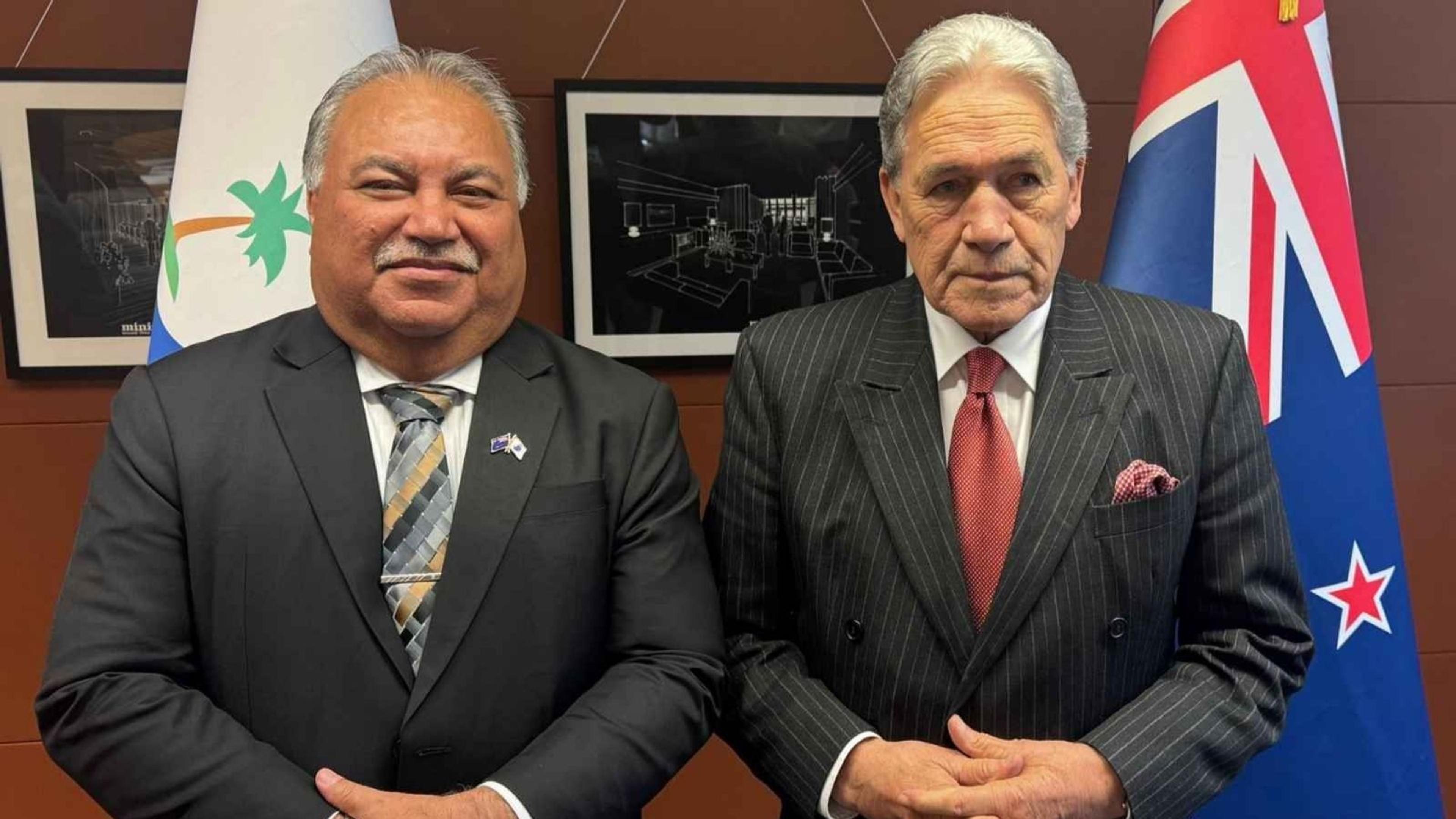
New Zealand Foreign Affairs Minister Winston Peters, right, and Pacific Islands Forum Secretary-General Baron Waqa are expected to attend the Forum Leaders Meeting in Palau later this month. The meeting comes as Pacific countries navigate growing geopolitical pressure and debate over the region’s priorities.
Photo/X/Winston Peters
Politics
Winston Peters urges Pacific leaders to put economic growth at centre of the Forum
As leaders prepare to meet in Palau, New Zealand's Foreign Minister says the region needs to move beyond an aid-focused approach and start building its own economies.

Christine Rovoi
Published
18 August 2026, 1:54pm
Share
Copy Link
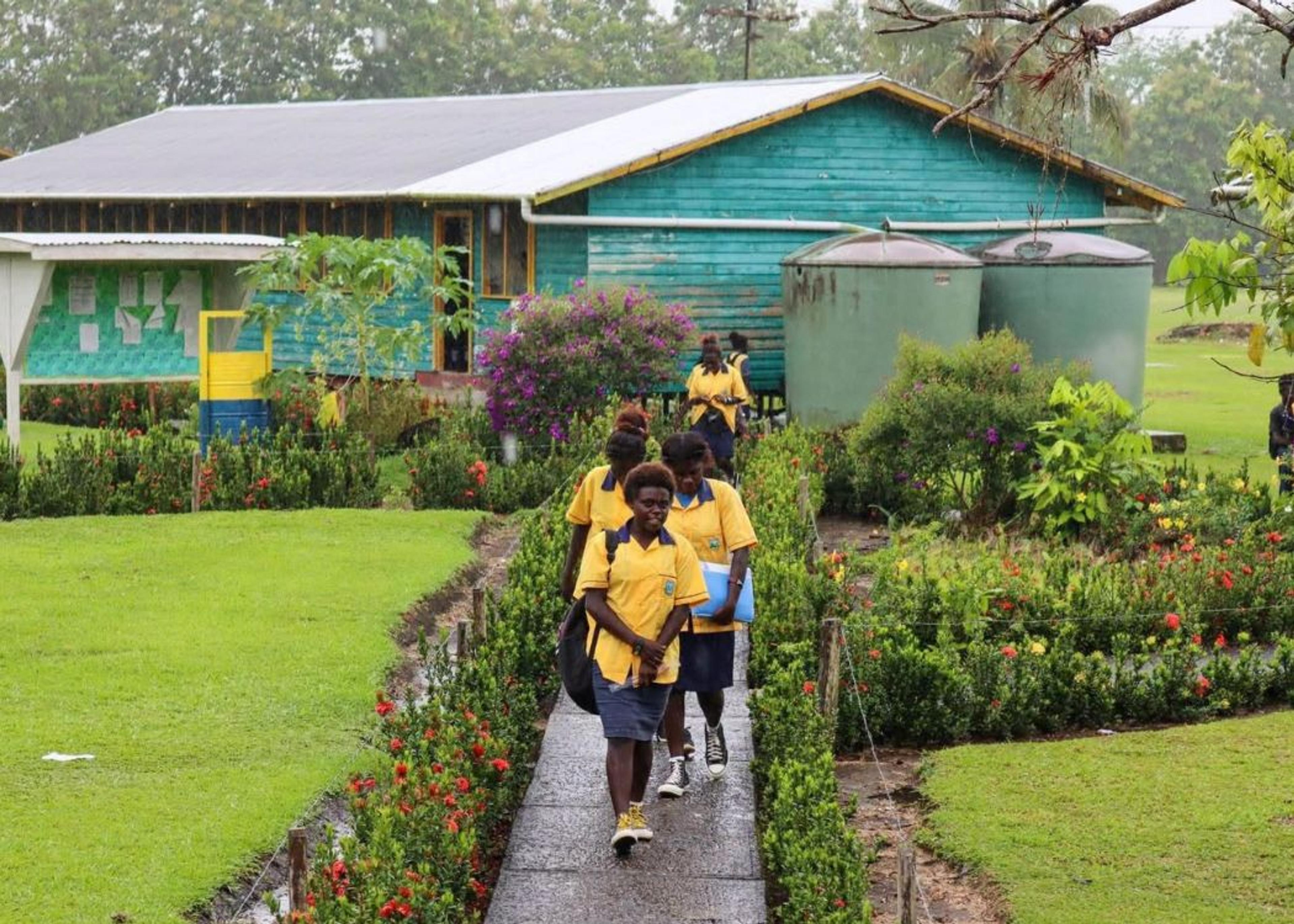
Pacific leaders should use this month's Pacific Islands Forum (PIF) to put economic growth and self-reliance higher on the regional agenda, New Zealand Foreign Affairs Minister Vaovasamanaia Winston Peters says.
Speaking to Pacific Mornings host William Terite, Peters says the Pacific needs to rethink what it wants from regional cooperation, arguing that stronger economies are vital if island countries are to have more control over their future.
His comments come as Forum leaders prepare to meet in Palau from 30 August to 4 September under the theme Building Economies: Life. Action. Unity.
“First of all, to be far more clear about what we want going forward,” Peters says. “It's unusual. I go to ASEAN, and it's all about the economy, the economy, economy, economy. I go to the Pacific, it's all about aid.”
He says the region needs to change that approach and bring more partners into its economic development.
“We've got to change our plans here in the Pacific to be far more efficient with the economy as well. That's what we're trying to do. We're trying to get partners to come in and help us.”
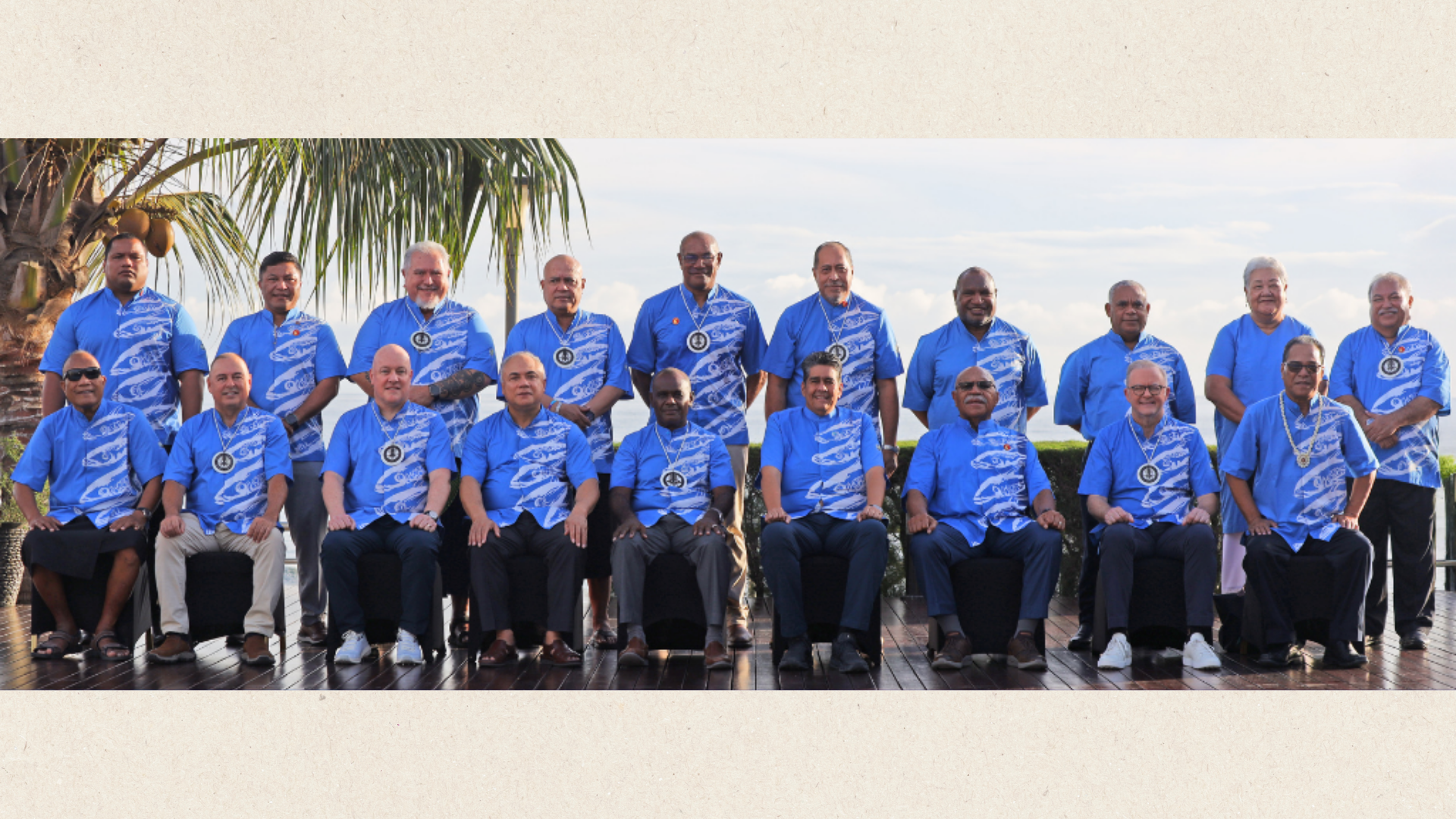
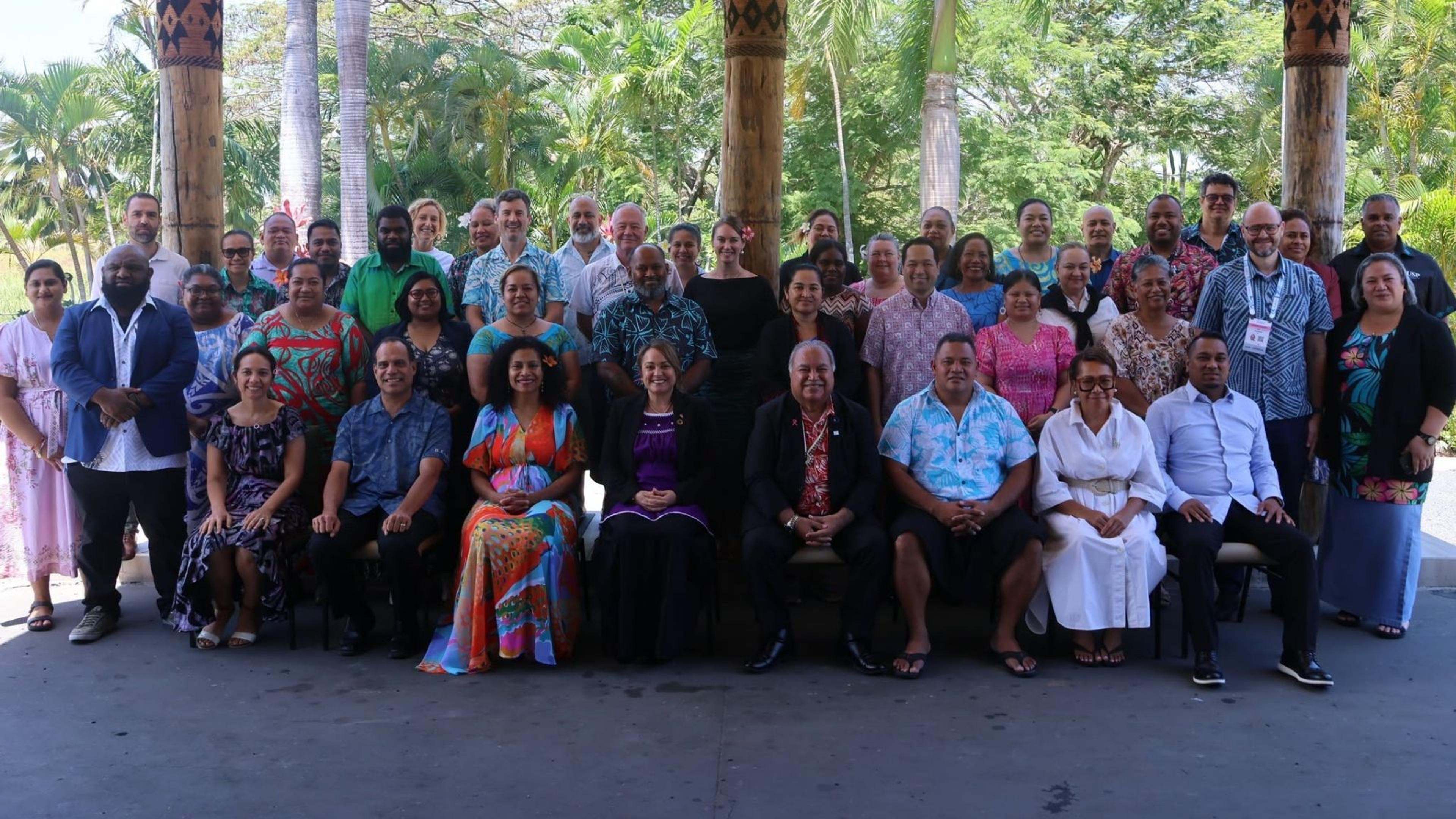
Pacific leaders in Honiara in 2025: They will meet in Palau later this month as they work to strengthen regional cooperation and put economic development at the centre of the Forum’s agenda. Photo/Pacific Islands Forum
That push for economic development comes as Pacific countries face rising fuel costs, pressure on essential services and the growing cost of responding to climate change.
But economic partnerships are also becoming harder to separate from the region's wider geopolitical pressures.
Forum foreign ministers were unable to agree on the wording of a joint response to China's recent ballistic missile test during their meeting in Suva last week.
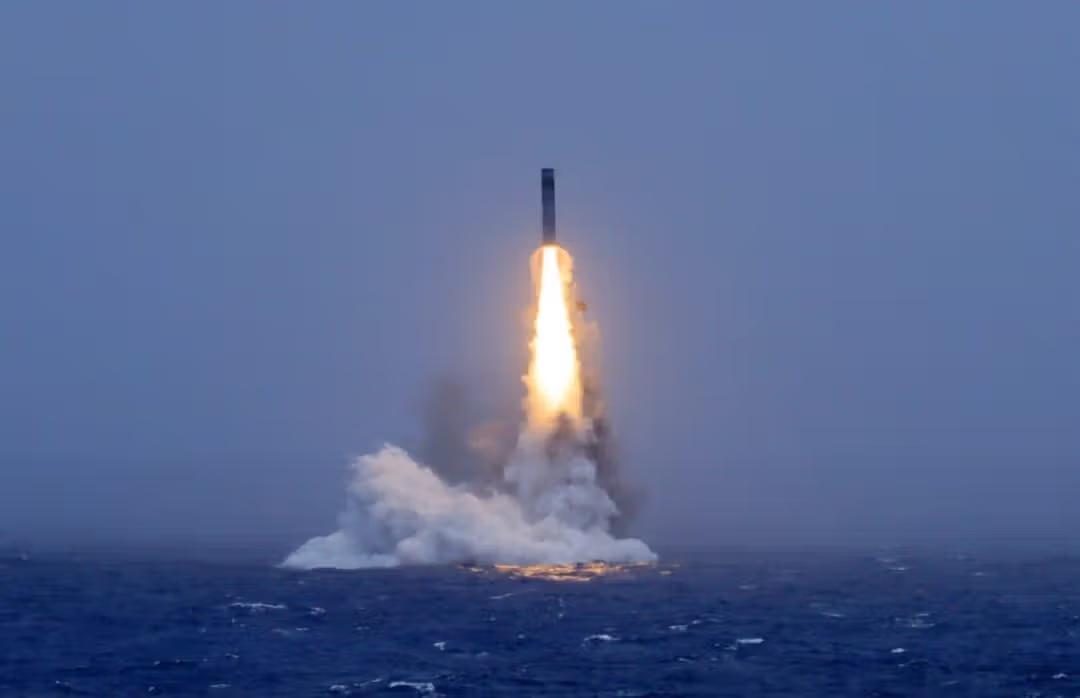
China’s ballistic missile test into the Pacific has raised concerns across the region and added to calls for greater transparency and a stronger Pacific-led response. Photo/Instagram
But the issue is not closed, with the Pacific Islands Forum confirming that officials are still negotiating a political statement ahead of the leaders' meeting.
Forum Deputy Secretary-General Esala Nayasi says there is agreement that a statement should be issued.
“The important point that has been made: all ministers have agreed that there needs to be a statement," he told journalists. "No one is blocking that but it is a matter of negotiation and agreement by members.”
Forum Secretary-General Baron Waqa has also rejected suggestions that individual members blocked the statement, saying ministers had different views on how it should be framed.
“So, it’s not easy. But there’s no blocking. Kiribati did not block. Naoero did not block," Waqa said after the foreign ministers meeting. "They just honestly put in place their position so that others can consider and see how best they can all contribute."
Nayasi says the missile-testing issue is among several matters still being worked through before leaders meet in Palau.
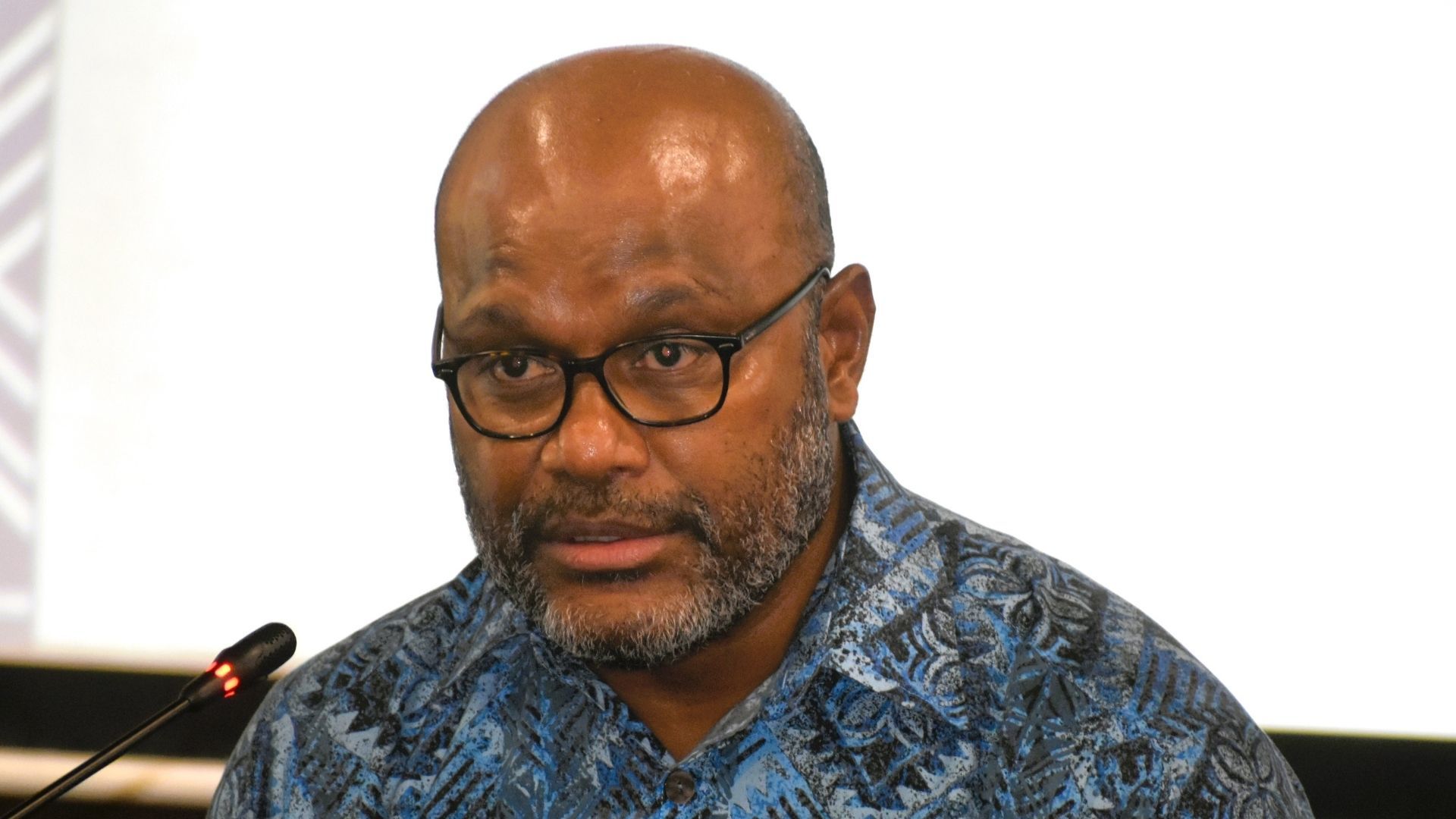
Esala Nayasi says member countries have agreed a statement on China’s missile test is needed, with officials continuing to negotiate its wording. Photo/PIF
“There are a number of issues that officials still need to look into, to negotiate,” he said.
Palau President Surangel Whipps Jr, who will host the Forum, is also pushing for a united Pacific response, saying the region has a right to know when missiles are being tested overhead.
“This is something that we should be united in our voice about,” Whipps told The Sydney Morning Herald.
The issue could still reach the leaders' table when they meet in Koror later this month.
The meeting will also see Taiwan return to the Forum's leaders gathering after it was excluded from last year's meeting in Solomon Islands.
Waqa says Taiwan is an important development partner, although it is not a dialogue partner.
Watch Winston Peters' full interview below.
Taiwan's return is significant because China opposes its participation in international organisations and has previously protested its involvement in the Forum.
Peters says the question is not simply whether Pacific countries work with outside partners, but who sets the terms of that engagement.
“And that is, outsiders are getting too much in the inside. And that's the part of the discussion we must have going forward.”
The issue has already surfaced in the lead-up to Palau.
Forum foreign ministers failed to agree on a joint statement responding to China's recent ballistic missile test, exposing divisions among members over how the region should respond to growing geopolitical pressure.
Peters says he does not expect the missile test to necessarily dominate the leaders' meeting, arguing that a statement would have had more value closer to the event.
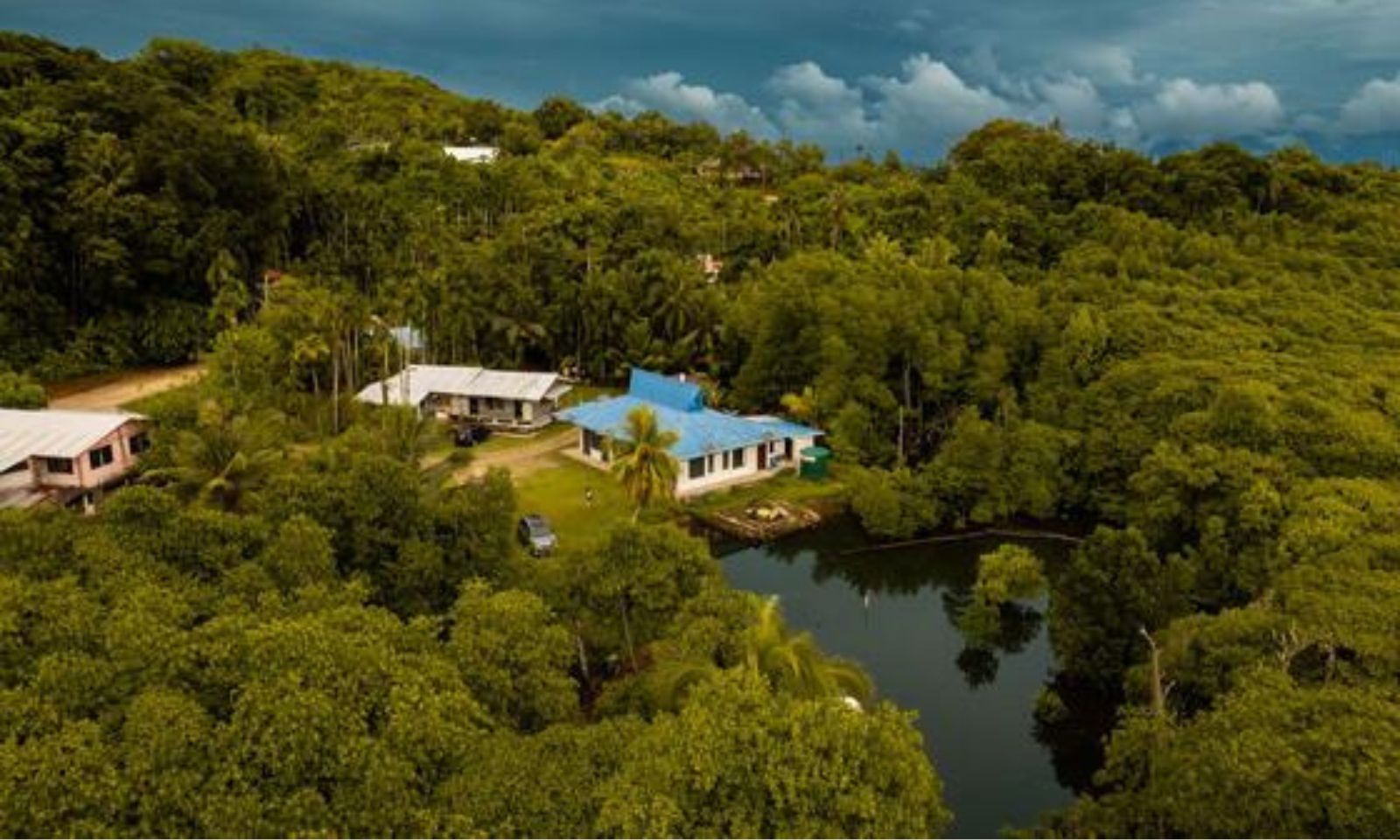
Pacific leaders will gather in Palau later this month to strengthen regional cooperation and shape a shared agenda on economic development, security and the future of the Blue Pacific. Photo/UN Micronesia/Borja Moya
Instead, he wants the Forum to focus on what Pacific countries can achieve together.
Peters says he remains a strong supporter of the regional body and believes it can do much more. “I've always thought that we could be doing far more with it.”
He points to issues including transnational crime, economic development and security as areas where Pacific countries have little choice but to work together. “We've got no option but to cooperate.”
Peters says the region should see itself as one interconnected Pacific with shared interests.
“We're trying to ask people to lift their game and see us as the blue continent with a collective interest to make sure it's governed and run properly and people's economic and social needs are met.”
That means making sure economic development is not simply about attracting outside money but about building stronger local economies and ensuring partnerships deliver for communities.
Listen to Al Gillespie's full interview below.
Peters says the challenges facing the region are growing and that makes cooperation more important.
“The world is not getting easier. It's getting more difficult, and we need more cooperation right across a whole lot of areas that are of advantage to our citizens.”
With New Zealand set to host the Pacific Islands Forum meeting in 2027, Palau will be an early test of whether leaders can turn the language of economic independence and regional cooperation into practical action.