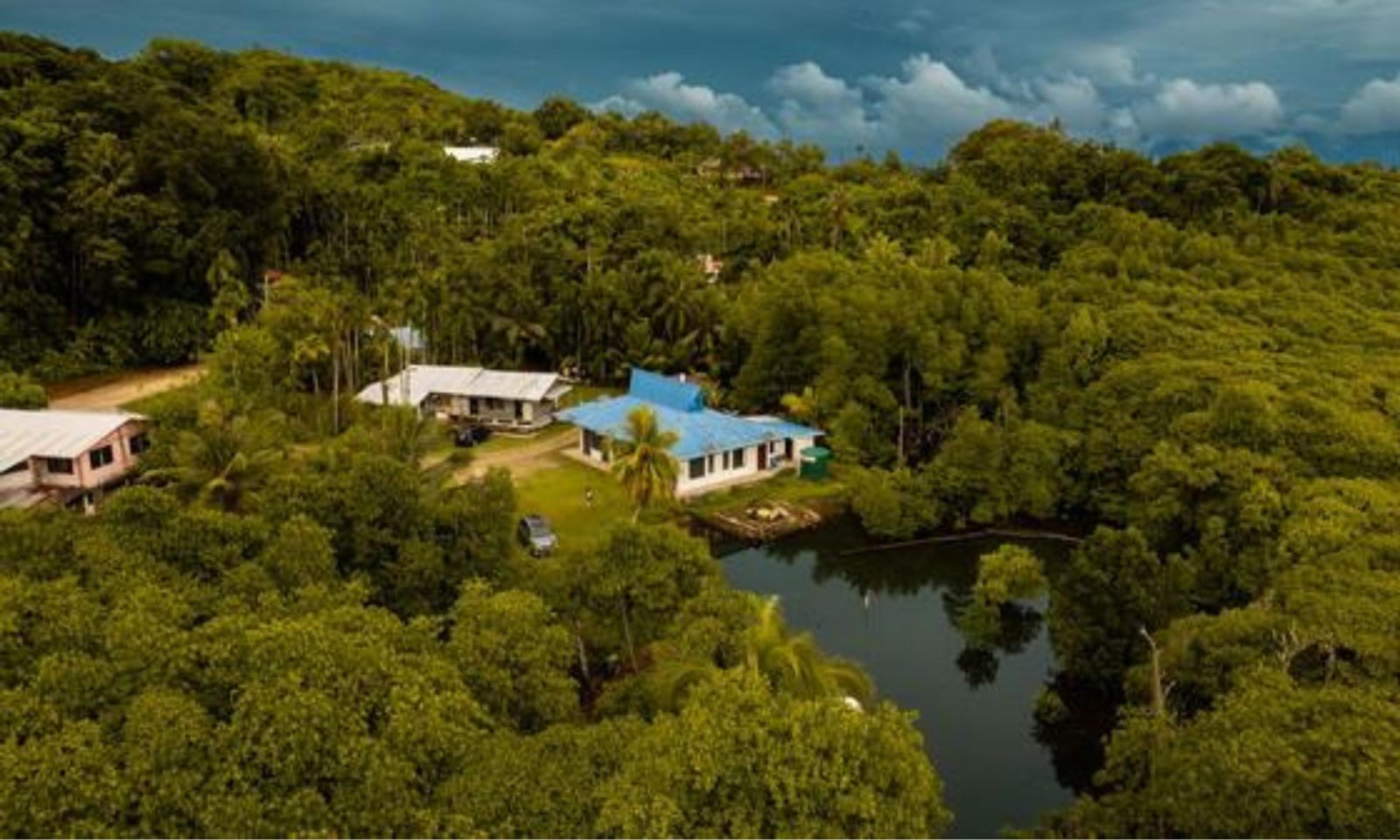
A climate-resilient disaster shelter in Palau, part of a UN-supported effort to help communities prepare for stronger storms and rising seas.
Photo/UN Micronesia/Borja Moya
Environment
From Palau to the wider Pacific: Islands holding on amid rising seas
As climate change drives stronger storms and rising sea levels, communities are preparing for a future where some people may need to move.

Christine Rovoi
Published
21 April 2026, 10:48am
Share
Copy Link
Top stories

Tofiga Fepulea’i brings the laughs while taking top honours at Arts Pasifika Awards
Aui'a Vaimaila Leatinu'uFri, 23 Oct

‘It kind of breaks my heart’: Kiwis run riot after Cook Islands’ brave start
Latonya LoleSun, 25 Oct
Top stories
Tofiga Fepulea’i brings the laughs while taking top honours at Arts Pasifika Awards
Aui'a Vaimaila Leatinu'uFri, 23 Oct
‘It kind of breaks my heart’: Kiwis run riot after Cook Islands’ brave start
Latonya LoleSun, 25 Oct
In Palau, the ocean is part of everything. It shapes how people grow up, how they eat, how they travel, and how they understand the world around them.
But it is also becoming more unpredictable. Rising seas, stronger cyclones, typhoons, and flooding are putting homes and livelihoods under pressure.
In response, Palau is building a network of climate-resilient disaster shelters with support from the United Nations and local partners.
The shelters are designed to protect people during extreme weather. Built to withstand high winds, heavy rain and storm surges, they also include solar lighting, generators and water systems.
Four of the eight planned shelters are already complete and in use.
For Seth Techitong, who works with the International Organization for Migration (IOM) in Palau, the shelters are about keeping communities together for as long as possible.
“These shelters are not just emergency refuges, they are community hubs that support preparedness, connection and adaptation,” he said in a UN-report on climate resilience in Palau.
“I grew up learning how to move with the waves. Now my work is about making sure our communities can do the same. Adapt, protect each other, and keep Palau standing.”
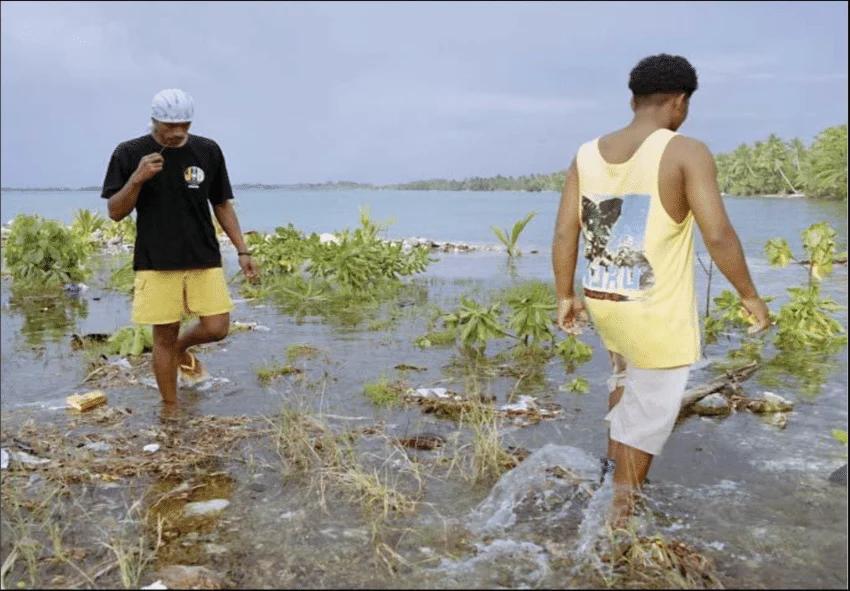
Low-lying parts of Tuvalu face growing risk from rising sea levels, with communities increasingly affected by coastal flooding and erosion. Photo/Oxfam/Jocelyn Carlin
But even in Palau, there is an understanding that protection has limits. The aim, says Alex Iyar, a community member, is also to make sure no one is left behind.
“The strengthened shelters consider the needs of persons with disabilities and other vulnerable people, so no one is left behind during emergencies,” he said in the UN report.
Across the Pacific, recent extreme weather has brought the issue closer to daily life.
Cyclones affecting Solomon Islands, Papua New Guinea, and Fiji, a typhoon in the Northern Marianas and Guam, and severe storms in New Zealand this week are part of a wider pattern of intensifying climate impacts across the region.
Experts say these events are not isolated. Instead, they reflect a broader shift that is already reshaping how Pacific communities live, move, and recover.
As the International Organization for Migration (IOM) in the Pacific reports, climate mobility is no longer a future risk, but a present reality.
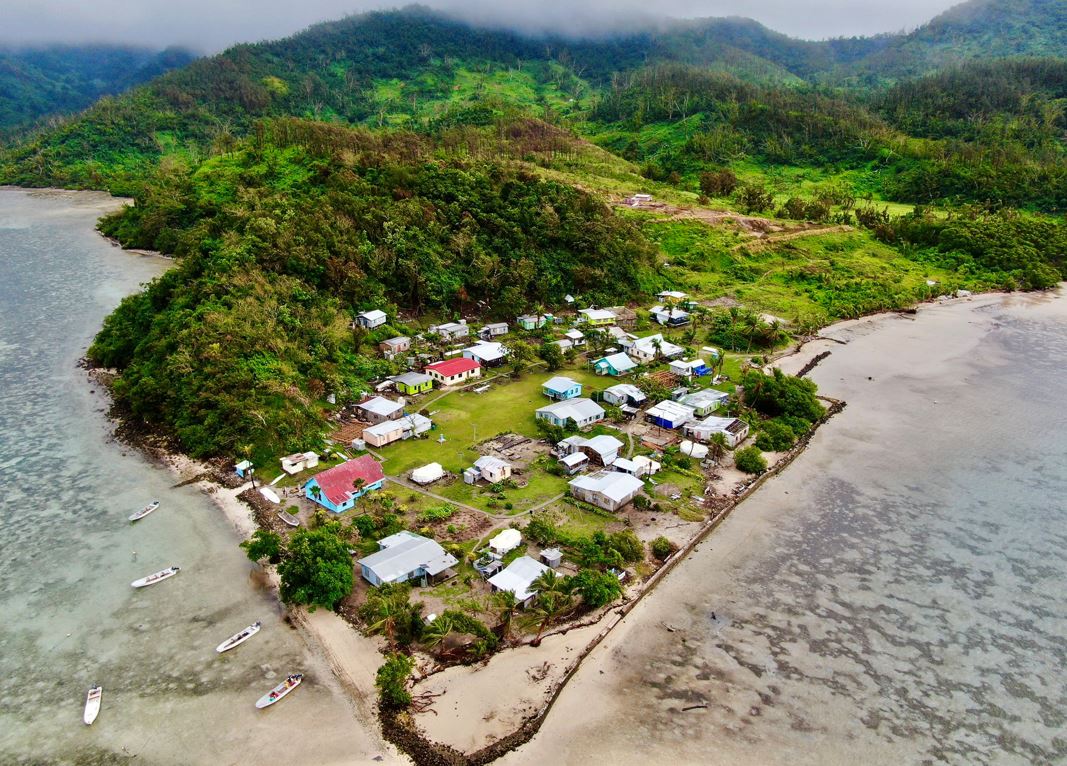
Some coastal communities in Fiji are being relocated inland as erosion and flooding intensify, forcing families to rebuild their lives away from ancestral land. Photo/aciar.gov.au
“The Pacific is on the frontlines of the climate crisis. And those on the move or forced to move are living that reality every day,” Solomon Kantha, IOM Chief of Mission for the South Pacific, said in a report by the Pacific Community (SPC).
Kantha says communities across the region are increasingly affected by both sudden disasters such as cyclones and slower pressures like sea-level rise and coastal erosion, which together are changing where and how people can live.
In Fiji, some coastal villages are already being moved inland as erosion and flooding worsen.
These relocations are planned with government support but they come with a deep emotional cost for families leaving ancestral land behind.
Ratu Peni Tawake, a community leader, described it during recent regional discussions on climate change:
“We are not just losing houses," he told a climate discussion. "We are moving graves, histories, and the places our identity is tied to.”
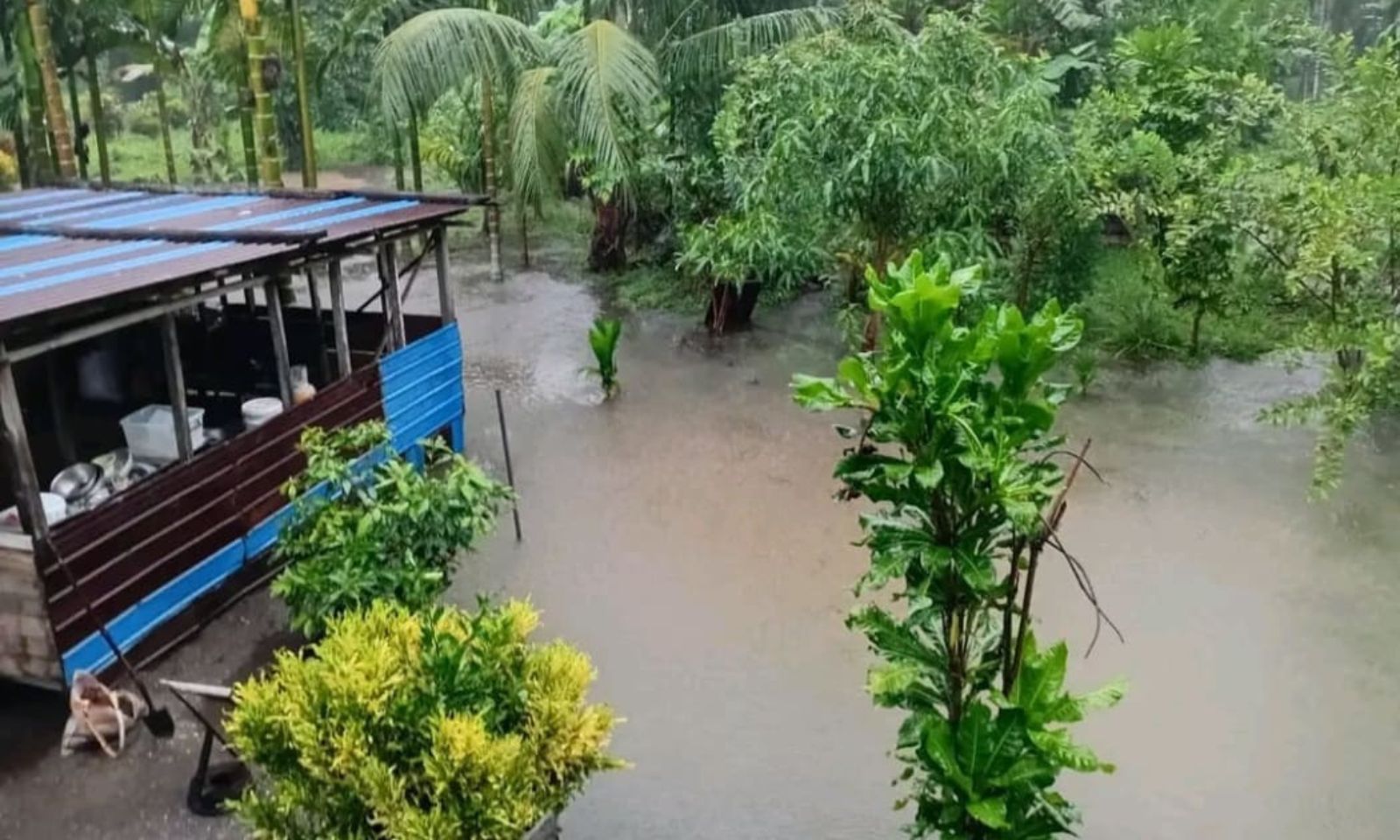
Communities in Papua New Guinea are increasingly exposed to flooding, coastal erosion and severe weather linked to a changing climate. Photo/Supplied
For many families, relocation is not just about safety. It is about leaving land that holds generations of memory and meaning, and rebuilding community life elsewhere.
Fiji’s government has acknowledged that relocation is becoming part of national planning as climate impacts intensify.
Former Attorney-General and climate minister Aiyaz Sayed-Khaiyum has described relocation as a necessary but difficult response to rising risk, as the country develops formal systems to support affected communities.
Under Fiji’s national climate policy framework, he has said that government is establishing “procedures for the relocation of communities that are at risk from the adverse effects of climate change” as part of wider adaptation planning.
For communities on the ground, however, the process remains deeply personal.
Villages that have already moved describe the transition as both a safety measure and a cultural rupture, as people rebuild not only homes but entire ways of life in new locations.
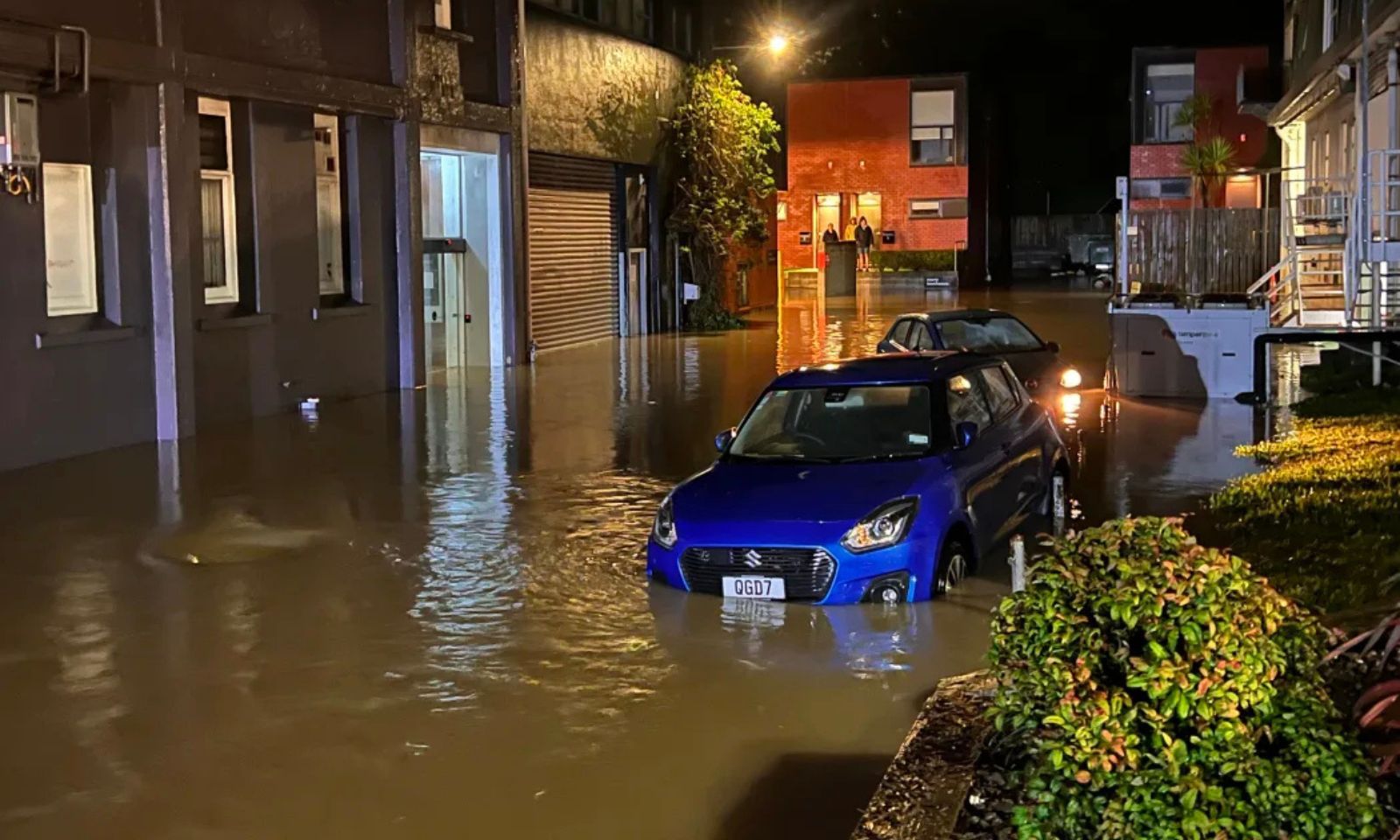
Severe weather events in New Zealand are becoming more frequent, bringing heavy rain, flooding and disruption to communities across the country. Photo/RNZ/Rachel Helyer-Donaldson
In Tuvalu, the situation is even more urgent. As one of the lowest-lying countries in the world, parts of the nation face the real risk of becoming uninhabitable within decades due to rising seas.
Pacific youth activists have also pushed back against narratives of victimhood, saying: “We are not drowning. We are fighting. Climate change is not just an environmental issue, it is a justice issue.”
Because people displaced by climate change are not recognised as “refugees” under international law, Pacific governments and partners are building new approaches to managed movement.
Australia and Tuvalu have signed the Falepili Union, creating a pathway for Tuvaluans to live, work and study in Australia as climate risks increase. Australia has also introduced the Pacific Engagement Visa (PEV) to support wider regional mobility.
At a regional level, Pacific governments have agreed on the Pacific Regional Framework on Climate Mobility, designed to support planned, dignified movement rather than crisis-driven displacement.
Across the region, the message from leaders and communities is consistent: moving is not the first choice.
“Climate mobility is already a reality across the region," Kantha says. "It requires approaches that reduce risk, strengthen resilience, and support people to adapt in place where possible, while enabling safe and dignified movement where necessary."
Back in Palau, Seth Techitong says the region is facing two realities at once: strengthening life where people are, while also preparing for the possibility of movement.
“Our goal is to protect our people and our way of life,” he said. “But we also have to accept that the ocean is changing.
"The challenge is making sure that whatever happens, whether we stay or move, we do it together - with dignity.”