
The Fale Malae funding stays but Pacific project faces long road to build
Thomas Tarurongo WynneWed, 18 Nov
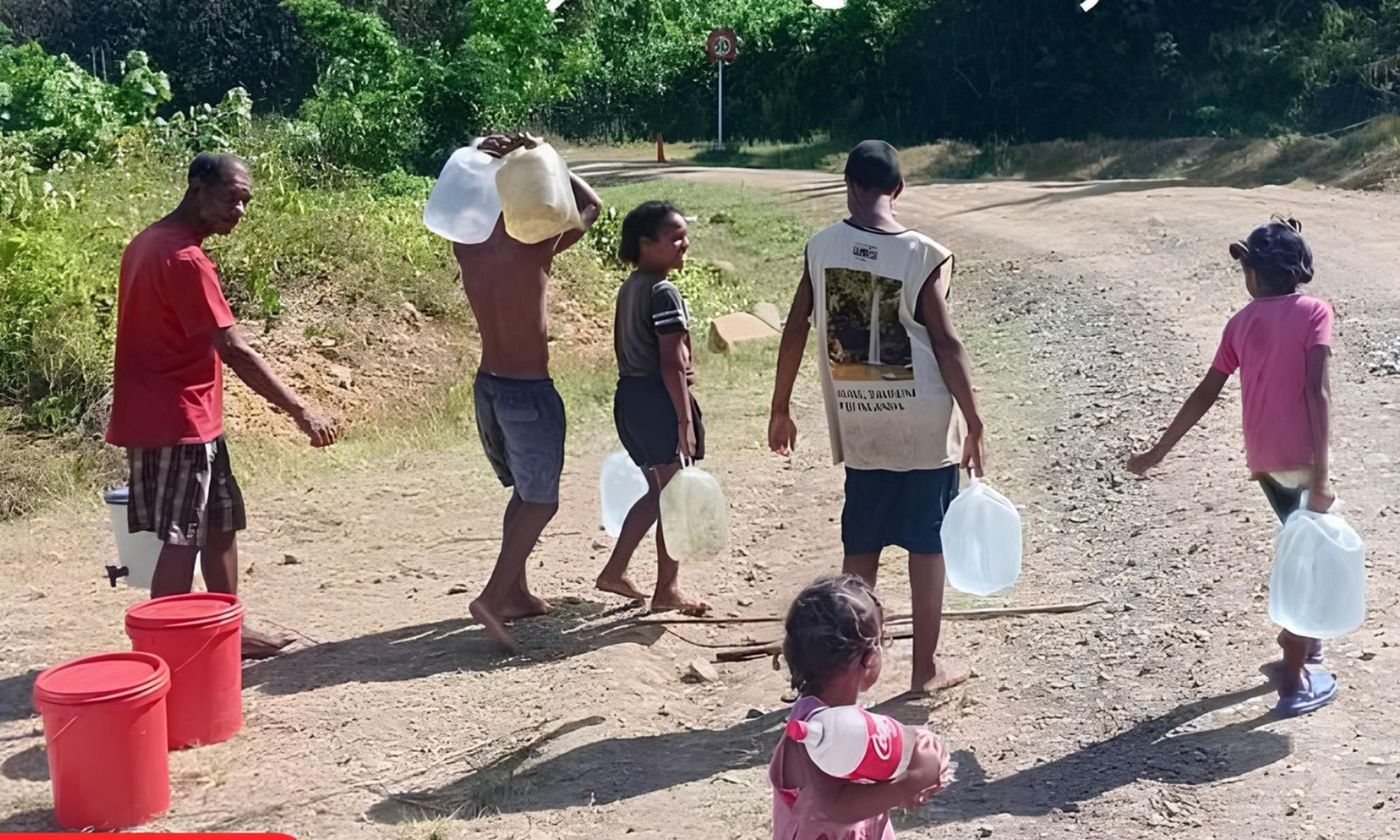
In Vatukaroa Village, Saqani, Cakaudrove, Vanua Levu, the dry conditions have become critical, forcing villagers to walk several kilometers each day to collect water for their families.
Photo/FemLink Pacific
The 30-day declaration unlocks a NZ$15.84 million emergency response as water levels fall and officials warn dry conditions could worsen through the new year.



Fiji has declared a national state of disaster as a worsening El Niño drought puts pressure on water supplies, farms and communities across the country.
The Prime Minister Sitiveni Rabuka said Cabinet approved the 30-day declaration after assessments found the crisis had reached the thresholds for a national emergency response.
“This morning, Cabinet considered updated assessments confirming that the crisis thresholds under the plan have been reached,” he said in a national address.
Rabuka said the government has set aside FJ$20 million (NZ$15.84 million) for emergency water supplies, help for affected communities and support for farmers and livestock owners.
‘Families across Fiji are concerned about the availability of water and the effects of prolonged dry conditions on their daily lives,” he said.
Water deliveries are already under way. As of 10 November, the National Disaster Risk Management Office (NDRMO) said 2,288,311 litres of water had been delivered to 69 sites across the country including villages, schools, nursing stations, health centres, police posts and weather stations.
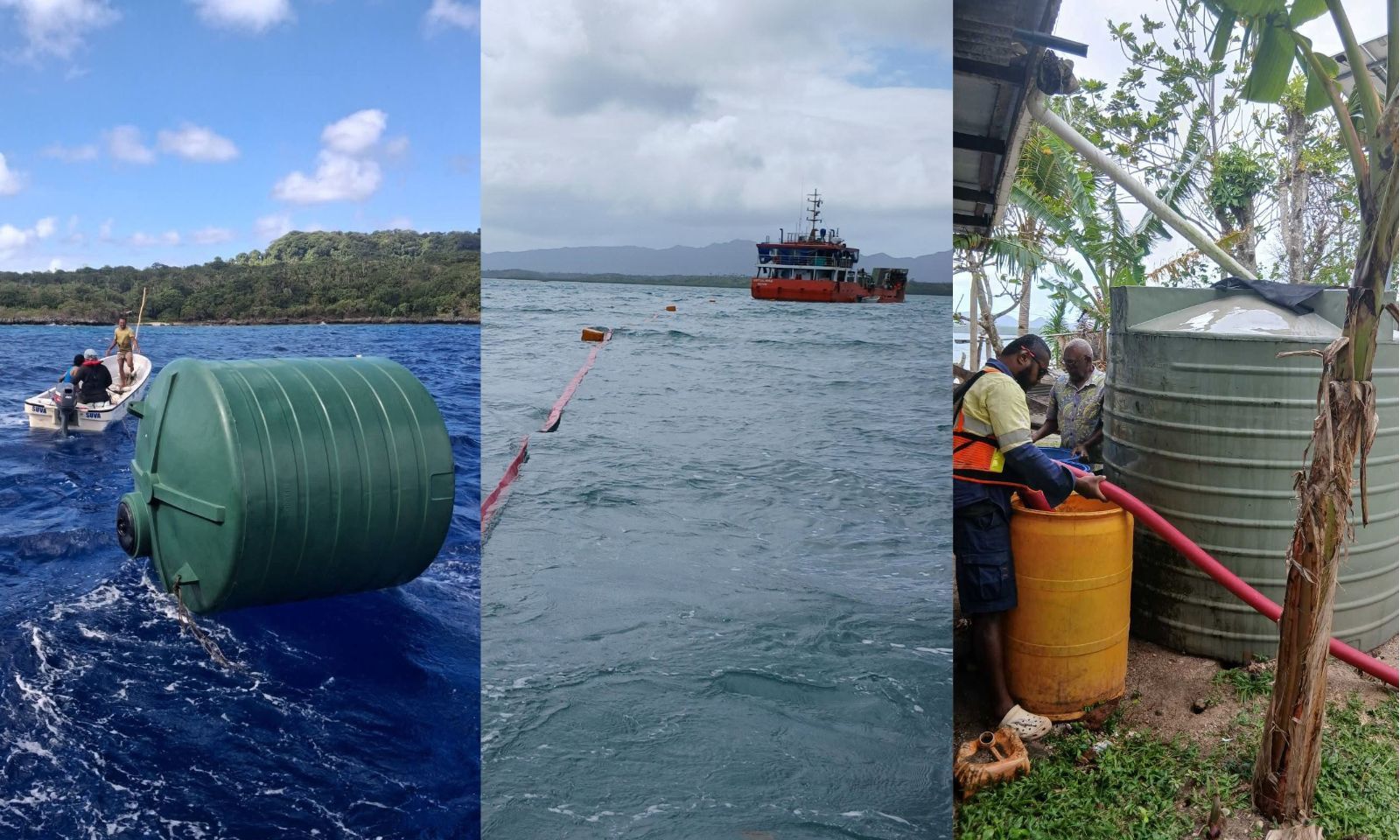
The National Disaster Risk Management Office (NDRMO) said that as of 10 November, 2,288,311 litres of water had been delivered to 69 sites across the country. Photo/ NDRMO
The pressure is expected to continue. Fiji's Minister for Meteorological Services Ro Filipe Tuisawau said water levels at Vaturu Dam, which supplies about 223,000 people, had continued to fall after three days of assessment.
He said the public should prepare for dry conditions to continue through December and January.
“It will deteriorate as we move forward and it’s very, very important that we take precautionary measures, not only for the government, but also businesses, hotels, and also the wider general public to be prepared.”
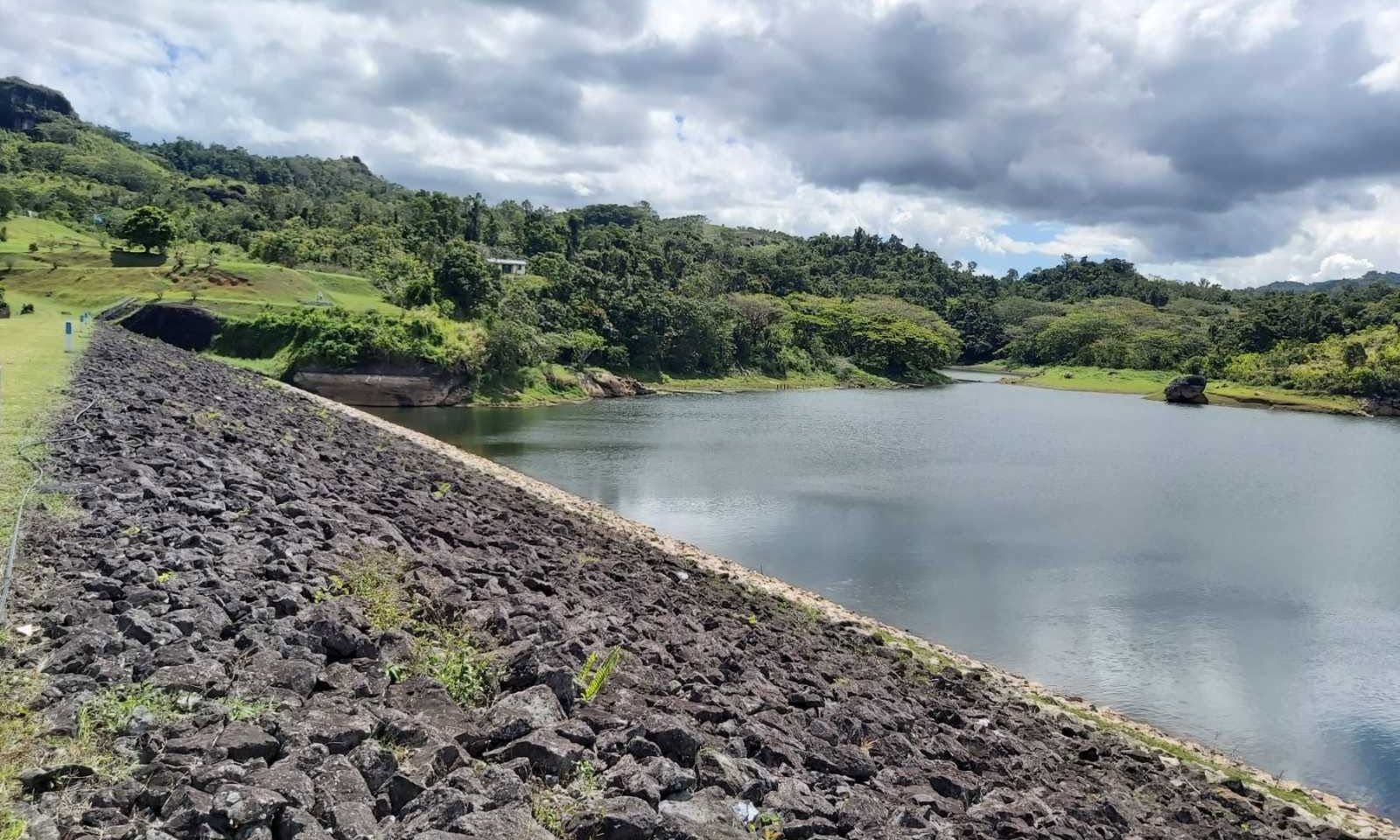
The water level at the Vaturu Dam in Fiji which supplies water to 223,000 Fijians continues to drop. Photo/WAF
Rabuka said the impact was being felt by families, farmers and communities especially those in remote and maritime areas.
‘Families across Fiji are concerned about the availability of water and the effects of prolonged dry conditions on their daily lives,” he said.
“Farmers are worried about their crops and livestock, while communities, particularly in remote and maritime areas, face growing pressure on their water supplies.”
The emergency response will focus on safe drinking water, increasing water carting, public health and sanitation, and protecting people's livelihoods.
“We cannot control the climate, but we can act early, use our resources responsibly, and stand together through its impacts.”
The government has also introduced six measures for farmers, covering emergency water and irrigation, livestock feed, climate-resilient planting materials, sugar sector drought protection, household food security and sustainable farming practices.
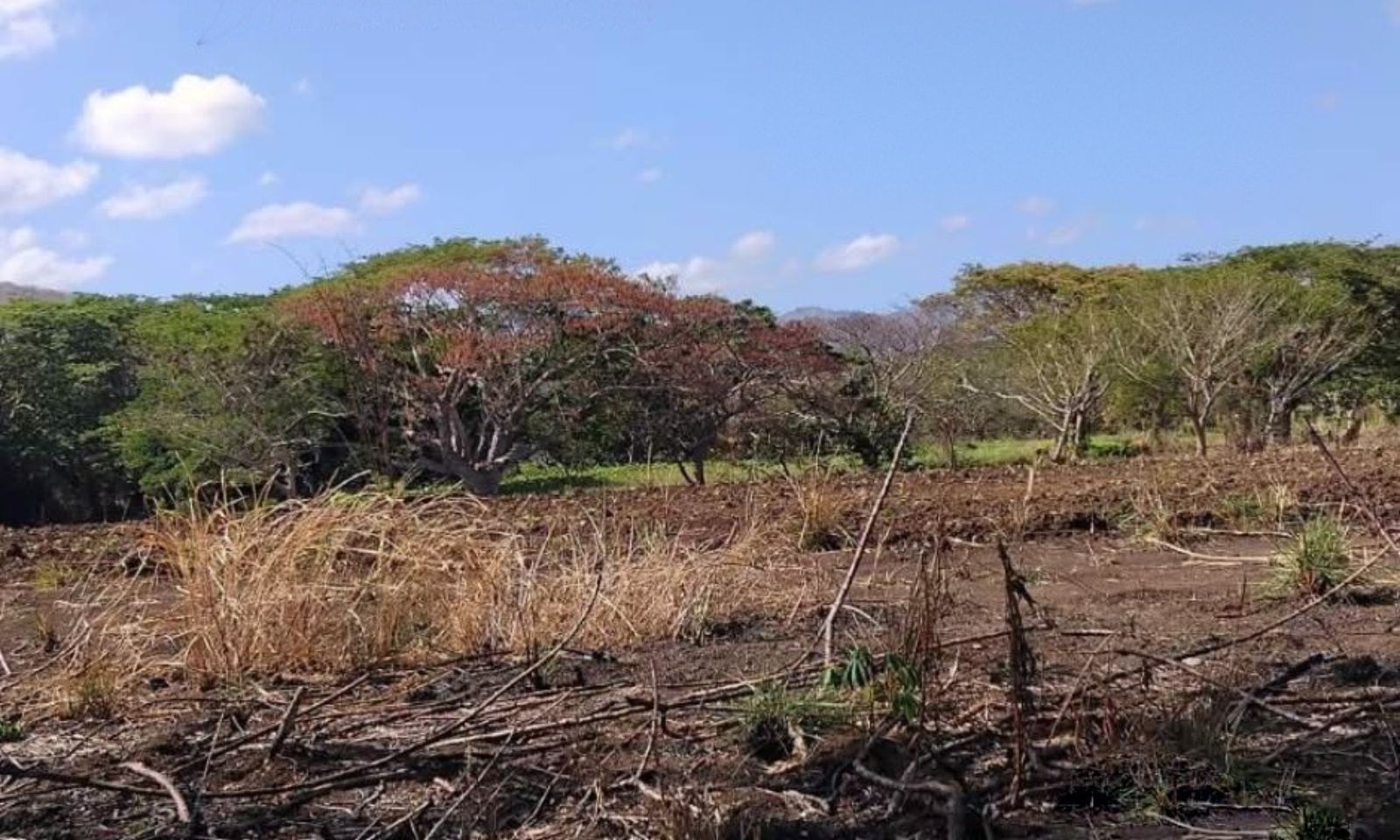
The prolonged dry weather and failing rural boreholes have dried up vegetables, sugarcane, and livestock pastures across the Northern, Western, and maritime divisions. Photo/FemLink Pacific
The state of disaster covers the whole country and can remain in force for up to 30 days. Cabinet can extend or revoke it on the advice of the National Disaster Risk Management Council.
Health services are also preparing for further pressure. Health Minister Dr Ratu Atonio Lalabalavu says plans are being strengthened to keep water flowing to health facilities, particularly in rural areas.
Many facilities already have backup water storage systems to help keep services running when normal supplies are disrupted.
Rabuka is urging households and businesses to conserve water, fix leaking taps and keep stored water clean and covered.
He is also warning people against unnecessary burning as the dry conditions increase the risk of fires.
“In these dry conditions, fires can spread very quickly and threaten homes and lives, farms and communities,” he said.
Watch the live address by Fiji's Prime Minister Sitiveni Rabuka below.
Community leaders have also been asked to report emerging water shortages to their divisional administrations.
“Timely reporting helps the government verify the needs, prioritise assistance, and organise deliveries,” the prime minister said.
The declaration comes as Fiji prepares for the drought to continue into the summer months, with officials warning that water supplies and affected communities will remain under pressure.
Fiji’s National State of Disaster ends on 9 December.