
Full-circle homecoming as Isaako joins Kiwis' historic RLWC clash against Cook Islands
Brooke FonotiTue, 20 Oct
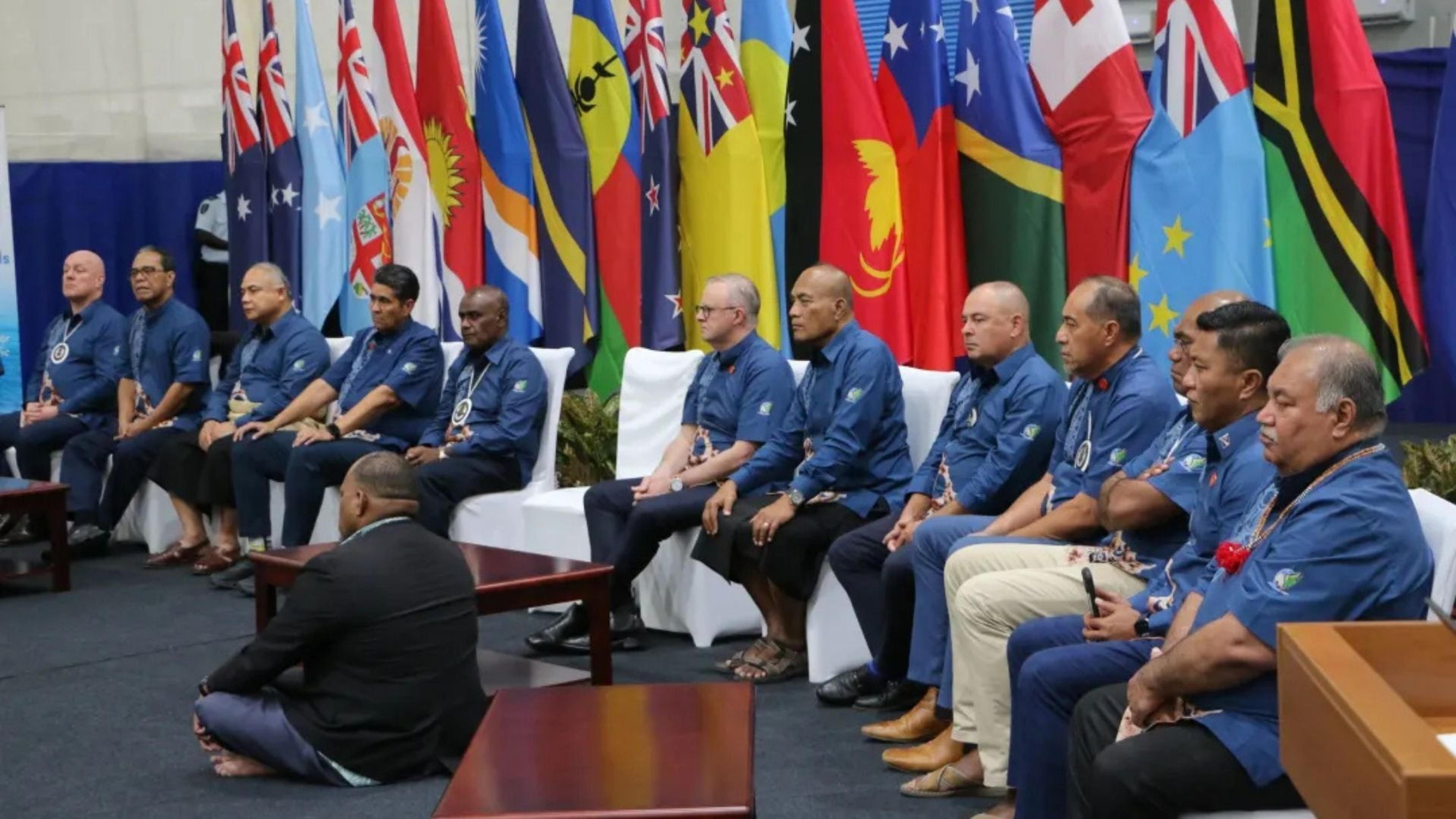
Pacific leaders are being urged to protect regional unity and decision-making as outside powers compete for influence in the region.
Photo/RNZ Pacific/Caleb Fotheringham
Al Gillespie says the biggest risk to the region may not be stolen secrets but foreign influence that slowly breaks down the tradition of working together.

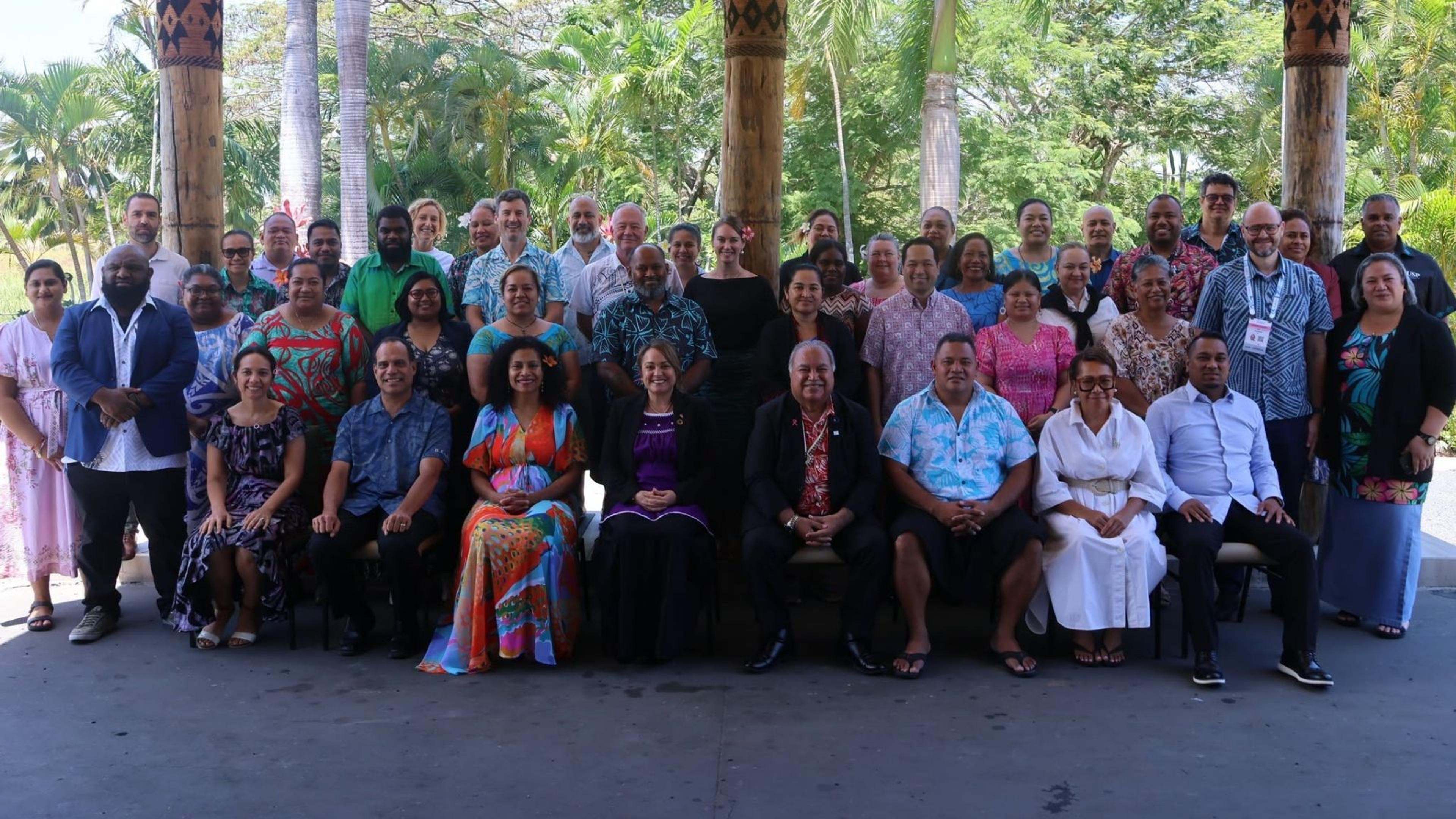

Pacific countries may need to look beyond the obvious signs of foreign interference with an international law expert warning that the bigger threat could be the slow erosion of regional unity.
Al Gillespie says foreign interference does not always look like espionage or the theft of sensitive information.
He says it can be much harder to spot when outside influence begins shaping how Pacific countries make decisions.
“It's more about influence,” Gillespie tells William Terite on Pacific Mornings.
“People, when they hear the word espionage, think of James Bond in 007. It's not that type of thing.”
Instead, he says information gathered by foreign actors can range from commercial and political information to details about geography, technology or other areas that could have wider uses.
Pacific island nations are navigating growing security challenges while seeking to protect their sovereignty and regional unity. Photo/Instagram
But Gillespie says the Pacific should be particularly alert to attempts to weaken the region's ability to act together.
“One of the things that they were talking about was sometimes it's not about a direct theft as much as it's using the influence to undermine cohesion in the Pacific,” he says.
For a region where consensus has traditionally been central to Pacific Islands Forum decision-making, Gillespie says a warning sign could be countries beginning to take positions that break from the wider group.
Listen to Al Gillespie's full interview below.
“Non-consensus in traditional gatherings where consensus was the rule,” he says.
“And so you would get one country or two countries just stepping out and making decisions which don't necessarily reflect the overall collective good of the Pacific.”
That balancing act is already playing out across the region. Dr Anna Powles, Associate Professor at Massey University’s Centre for Defence and Security Studies, says Pacific governments are increasingly having to manage competing relationships.
“It is a reset," she told Terite earlier. "It's not a pivot away from China... Across the region, governments are balancing economic ties with China against growing security partnerships with Australia, New Zealand and the United States.”
Gillespie says this does not mean every disagreement between Pacific governments should be treated as evidence of foreign interference.
In fact, he warns that doing so could create another problem by making Pacific countries suspicious of one another.
Listen to Anna Powles' full interview below.
That is particularly relevant as Pacific leaders prepare to meet in Palau later this month, with regional security and the growing competition between major powers expected to feature heavily on the agenda.
Gillespie says the region needs greater transparency rather than allowing suspicion to take hold.
“I hope we can get to the most basic common sense that it's in no one's interest to have missiles from any country shot into the Pacific,” he says.
Pacific governments are already pushing for a more collective response. At their recent meeting in Suva, Forum foreign ministers agreed to take a unified position to leaders in Palau on missile testing and Pacific security.
“Ministers called for transparency and reassurance... emphasizing the importance of all States conducting ICBM tests consistently with the Blue Pacific Ocean of Peace Declaration, the Treaty of Rarotonga, and respecting the sovereignty of Forum Members," their statement read.
He says the recent debate over China's missile test shows how quickly questions about foreign influence can become attached to Pacific governments' decisions.
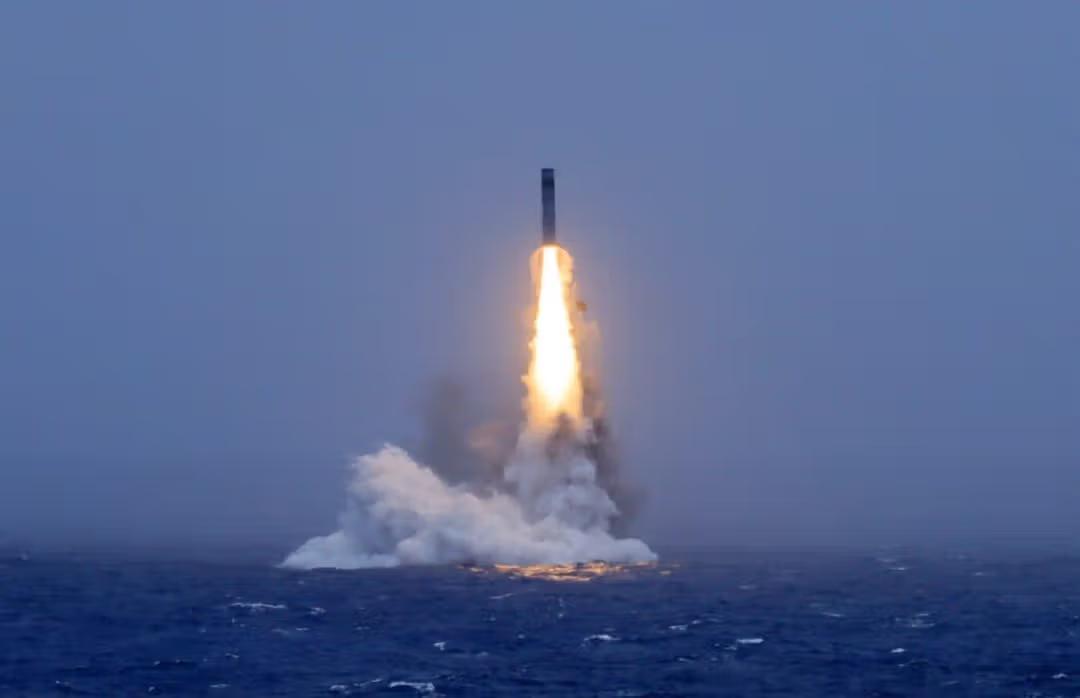
China's missile test into the South Pacific has raised fresh concerns about transparency, security and the need for a collective Pacific response. Photo/Instagram
“The problem with this kind of allegation from the SIS is that as soon as a country objects, you instantly think, well, maybe they've been influenced by China or some other country,” Gillespie says.
“That may not be the case. It may be the case, but it creates suspicion.”
The issue is already playing out in Pacific capitals. Solomon Islands Prime Minister Matthew Wale is reviewing the country's 2022 security agreement with China, with regional security analysts describing the move as a diplomatic reset rather than a break with Beijing.
The review reflects the wider challenge facing Pacific governments as they maintain economic relationships with China while strengthening security ties with Australia, New Zealand and the United States.
For Pacific governments, he says the first line of defence is greater openness about who they are dealing with and why.
“Your first step is transparency and democracy,” Gillespie says. “Your second step is non-disclosure.”
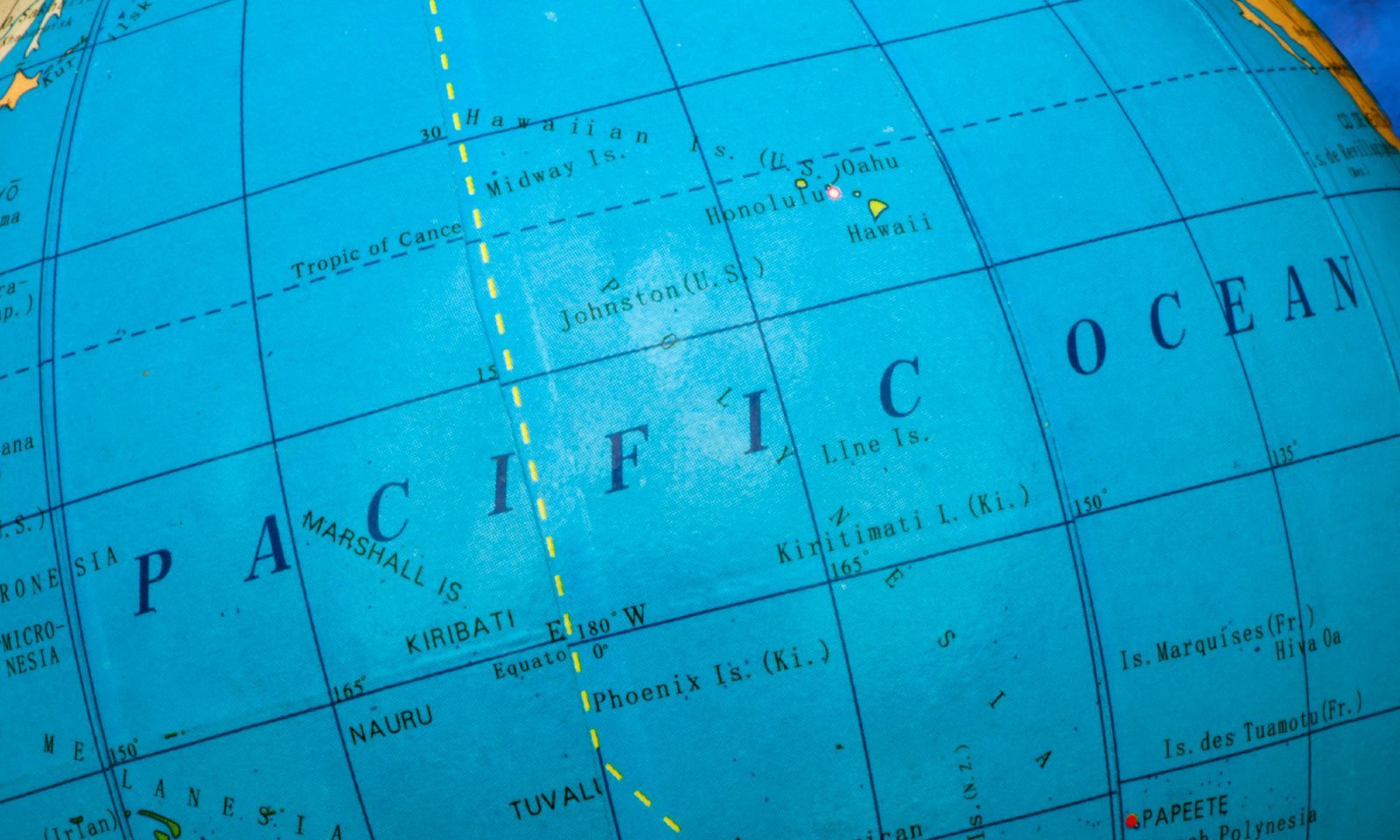
Pacific island nations are strengthening regional cooperation as they navigate growing security challenges and pressure from competing global powers. Photo/natureweb.com
He says politicians should be open about who they are engaging with, the reasons they are dealing with them and the benefits involved.
“And so as much light that is shown on to a situation will help defeat these problems,” he says.
Gillespie says many Pacific governments are only beginning to understand the scale of foreign interference and will need support from Australia and New Zealand.
But he says Pacific countries also need to make sure outside powers do not end up defining the region's security choices for them.
With Pacific leaders preparing for the Forum meeting, the challenge may be less about choosing sides and more about protecting the region's ability to make collective decisions on its own terms.
The 2026 Pacific Islands Forum Leaders Meeting will be held in Palau from 30 August to 4 September. For more details, click here.