LEAO claims Silver Scroll with first pure Gagana Sāmoa winner
Brooke FonotiWed, 21 Oct
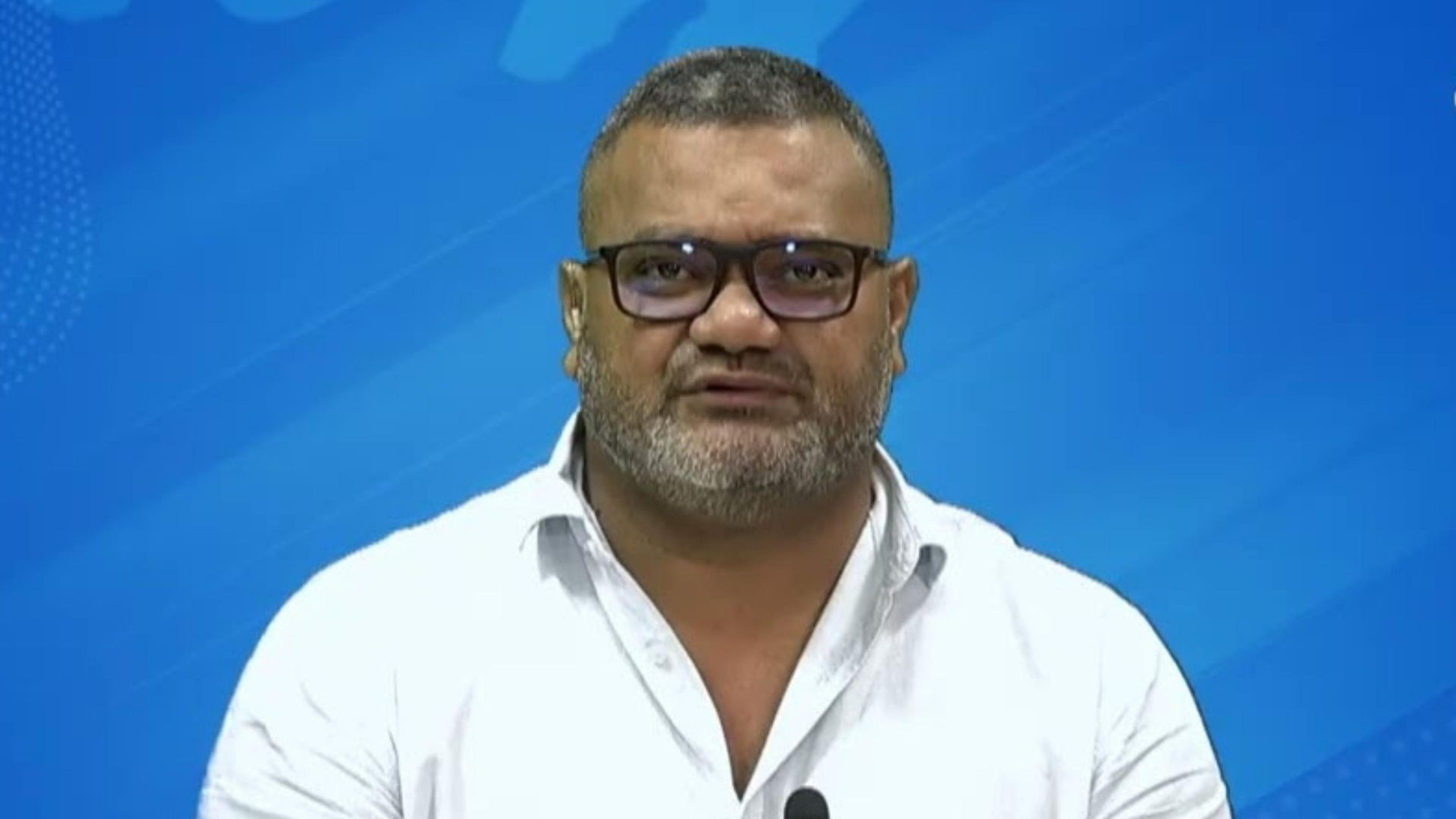
Milakulo Tukumuli, leader of Éveil Océanien, has become the first New Caledonian government president of Wallisian heritage after a political deal reshaped the territory’s leadership.
Photo/CALEDONIA/screengrab
Milakulo Tukumuli has become New Caledonia's first government president of Wallisian heritage after a deal changed the French territory’s leadership.

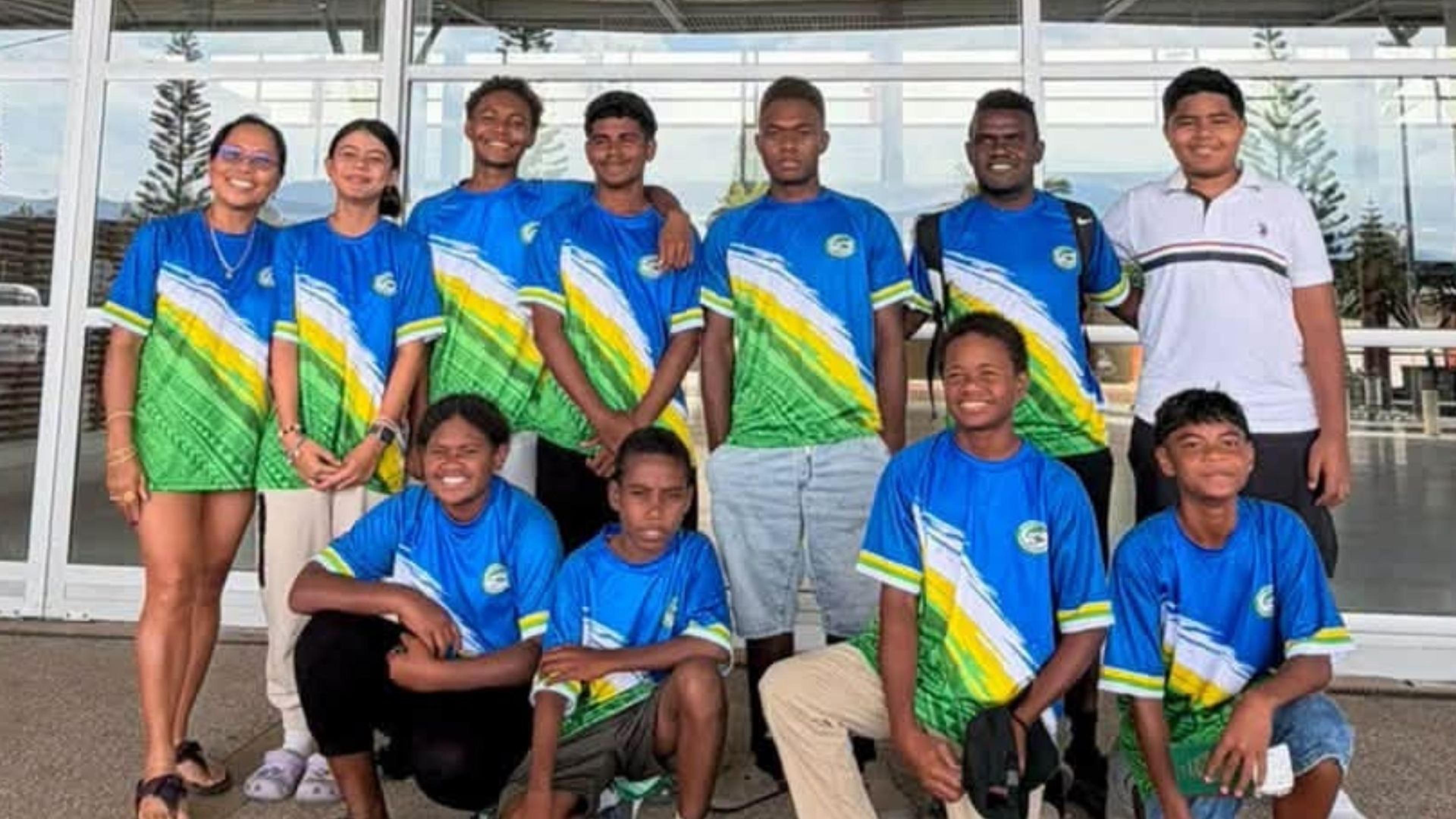
New Caledonia has a new government leader but the French Pacific territory’s long-running debate over identity, independence and its future political status is far from settled.
Milakulo Tukumuli, leader of the Wallisian-founded Éveil Océanien party, has been elected president of New Caledonia’s government after a political agreement with pro-France parties gave his party the balance of power.
The 41-year-old becomes the first New Caledonian government president of Wallisian heritage following provincial elections in June that left the territory’s Congress divided between pro-France and pro-independence groups.
The election result saw the pro-independence bloc hold 26 seats in the 54-member Congress while pro-France parties held 24 seats. With neither side able to secure a majority, Éveil Océanien’s four seats became crucial.
The party’s support helped Virginie Ruffenach, leader of the pro-France Rassemblement party, become President of Congress earlier in July before Tukumuli took the top government role.
Ruffenach has called for unity and a focus on rebuilding after years of political tension and the deadly unrest of 2024.
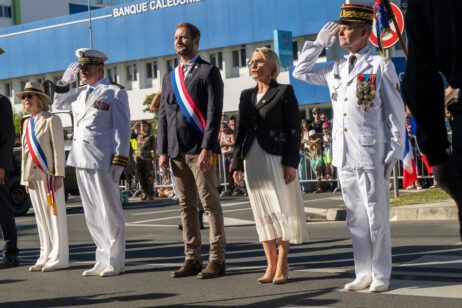
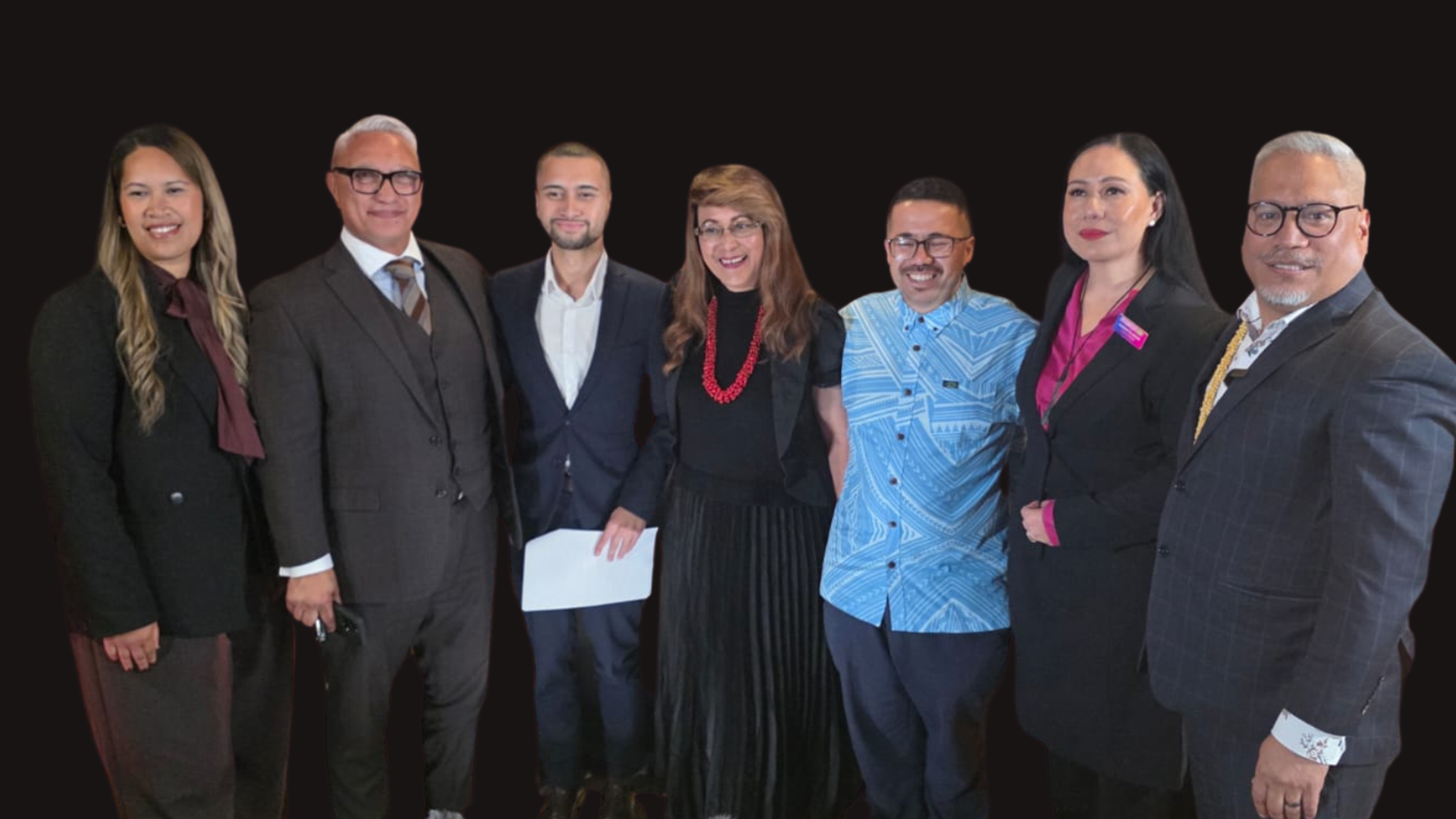
Virginie Ruffenach, second from right, leader of the pro-France Rassemblement party, was elected President of New Caledonia’s Congress after forming a governing agreement with Éveil Océanien. Photo/Congress of New Caledonia/file
"We cannot change the past, but we have the responsibility to build the future... I wish we can find the courage to overcome what is opposing us to preserve what brings us together," her statement read.
Tukumuli's challenge now is leading a government made up of different political positions at a time when New Caledonia remains deeply divided over its future.
Speaking after his election, Tukumuli said the new government’s immediate focus would be addressing the territory’s financial challenges and the issues affecting people in their daily lives.
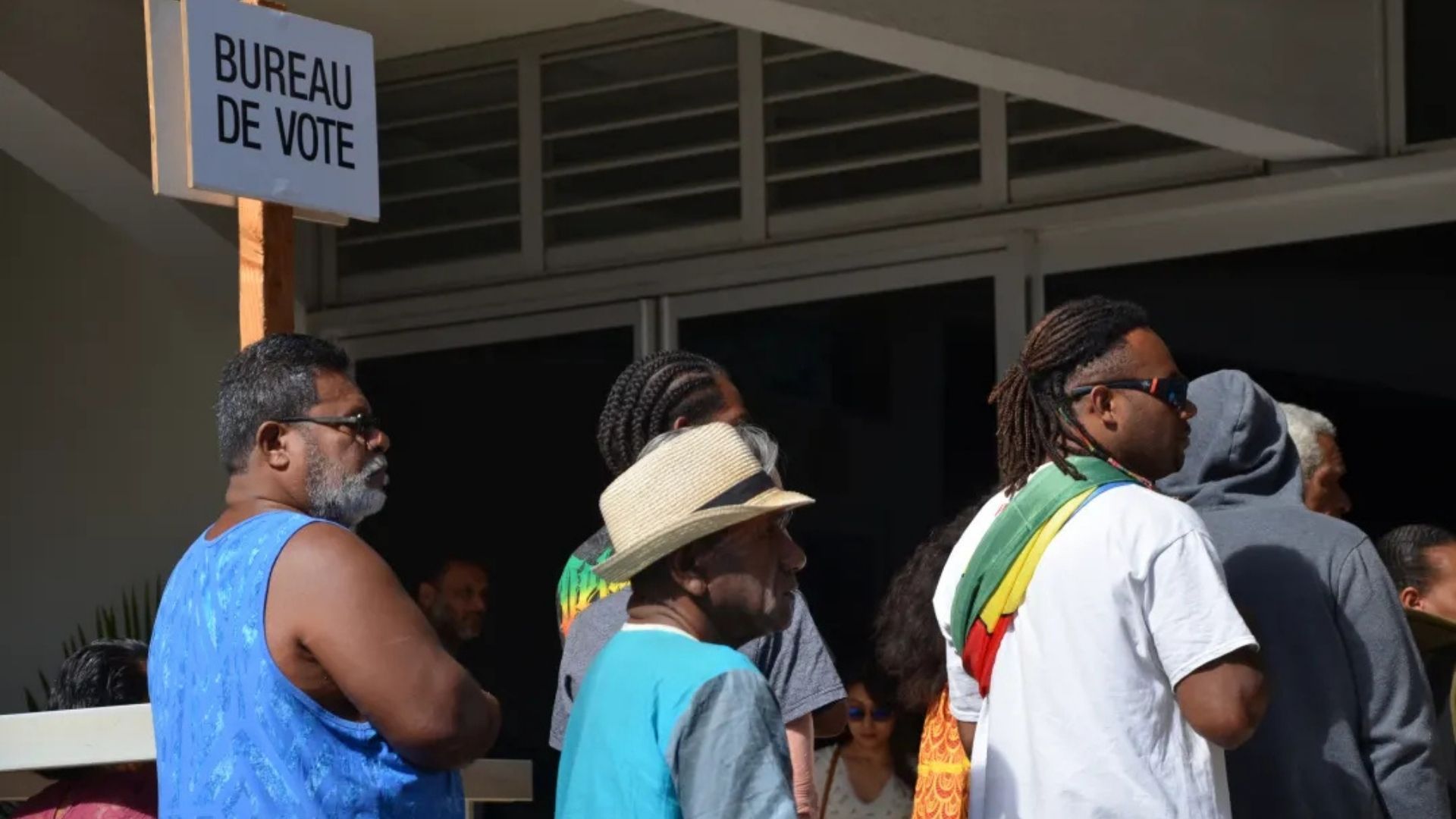
New Caledonia’s 2026 elections left the territory politically divided, with pro-independence and pro-France groups sharing power as debate continues over its future status. Photo/RNZ/Walter Zweifel/file
"The emergency right now is the budgetary and financial situation of New Caledonia," he told journalists.
He said political differences would need to be put aside to address the pressures facing communities.
"We must find the ways and means together to solve the everyday problems of the people of this country. That is what is paramount," Tukumuli said.
Tukumuli has long argued for a different political approach in New Caledonia, saying the territory’s two major blocs need to find ways to work together.
"For more than 30 years, politics in New Caledonia has seen two blocs, one loyalist, the other in support of independence.
"During these 30 years we've seen economic, social and political development... but after all this time we need to draw up a balance sheet.
Listen to Kanaky Aotearoa Solidarity spokesperson Dr David Small's full interview last month with William Terite on Pacific Mornings.
"These two blocs now need to work together to find better solutions," he said.
The territory’s independence debate has shaped politics for decades, with Kanak leaders continuing to push for self-determination while loyalist parties argue stability and economic security are best maintained through ties with France.
Those divisions were highlighted after unrest erupted in 2024 following plans to change New Caledonia’s electoral rules. The violence left 14 people dead and caused widespread damage, with the territory still facing economic and social challenges.
Beyond the political debate, Tukumuli has repeatedly focused on poverty and inequality as key issues facing New Caledonians.
"We haven't created a movement to fight for independence or to fight for France - we've created a movement to fight poverty in New Caledonia. That's our struggle," he said.
He has also highlighted the contrast between New Caledonia’s natural wealth and the struggles faced by some communities.
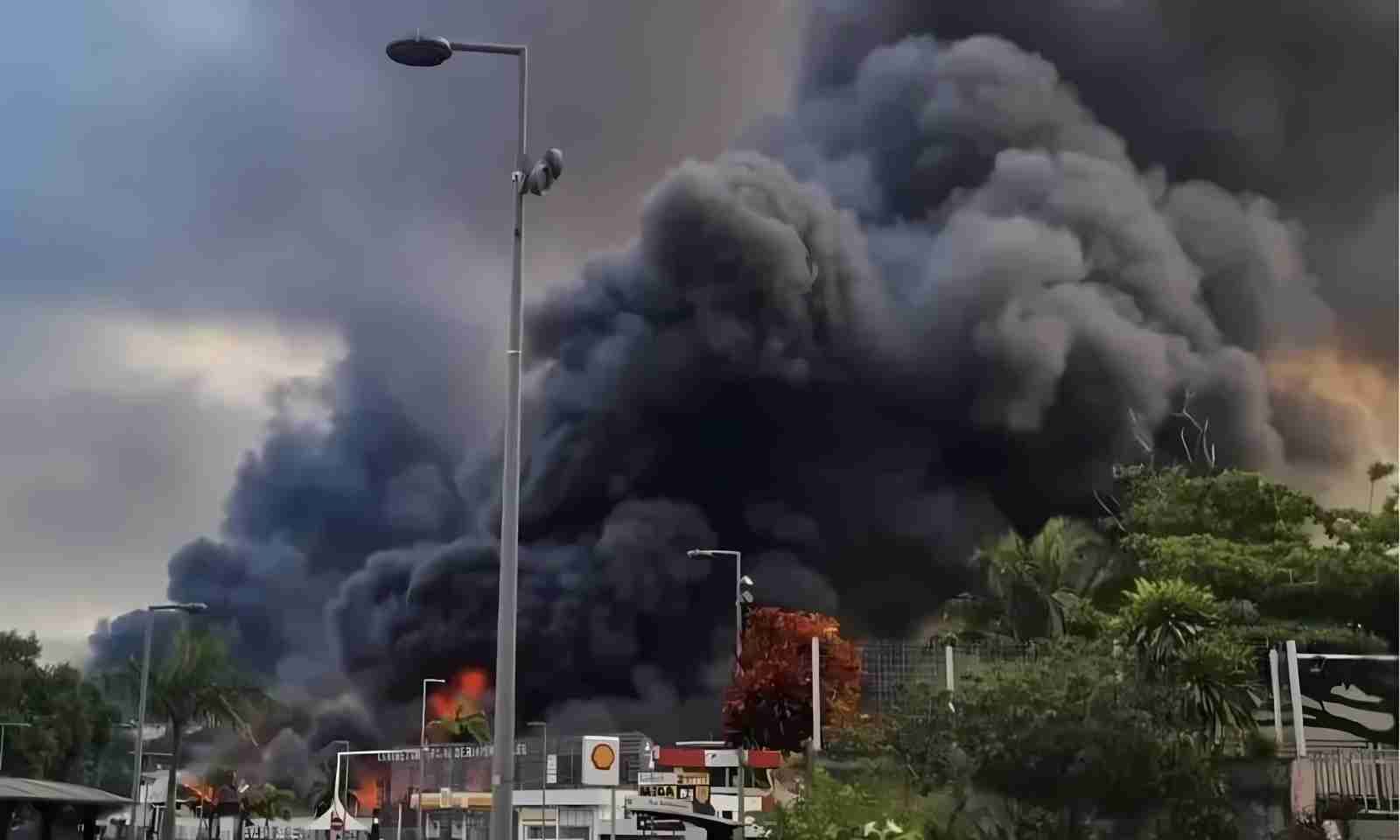
New Caledonia faced its worst unrest in decades in 2024 after tensions over proposed electoral changes sparked violence that left 14 people dead and caused widespread damage across the territory. Photo/Twitter/@ncla1ere
"We are a rich country of 280,000 people, with mineral resources and three nickel smelters... But we have lots of people living in squatter settlements, they can't feed their children and the children can't get a good education. That's what I'm fighting against."
The new government will also have to address a major crisis in the nickel sector, which has been central to New Caledonia’s economy but has faced years of uncertainty.
The Pacific French territory, home to more than 290,000 people, is now preparing for another round of talks over its political future.
Under the 1998 Nouméa Accord, New Caledonia was expected to settle its future status through a series of referendums. The three votes held between 2018 and 2021 all resulted in outcomes favouring remaining with France, but the final vote was rejected by pro-independence groups after a boycott.
A new agreement reached in 2025 proposed a pathway towards greater autonomy while remaining within France but it has not secured support from all political groups.
With negotiations over New Caledonia’s future expected to continue, Tukumuli’s government faces the immediate challenge of rebuilding the economy, easing social pressures and finding common ground between competing visions for the territory’s future.