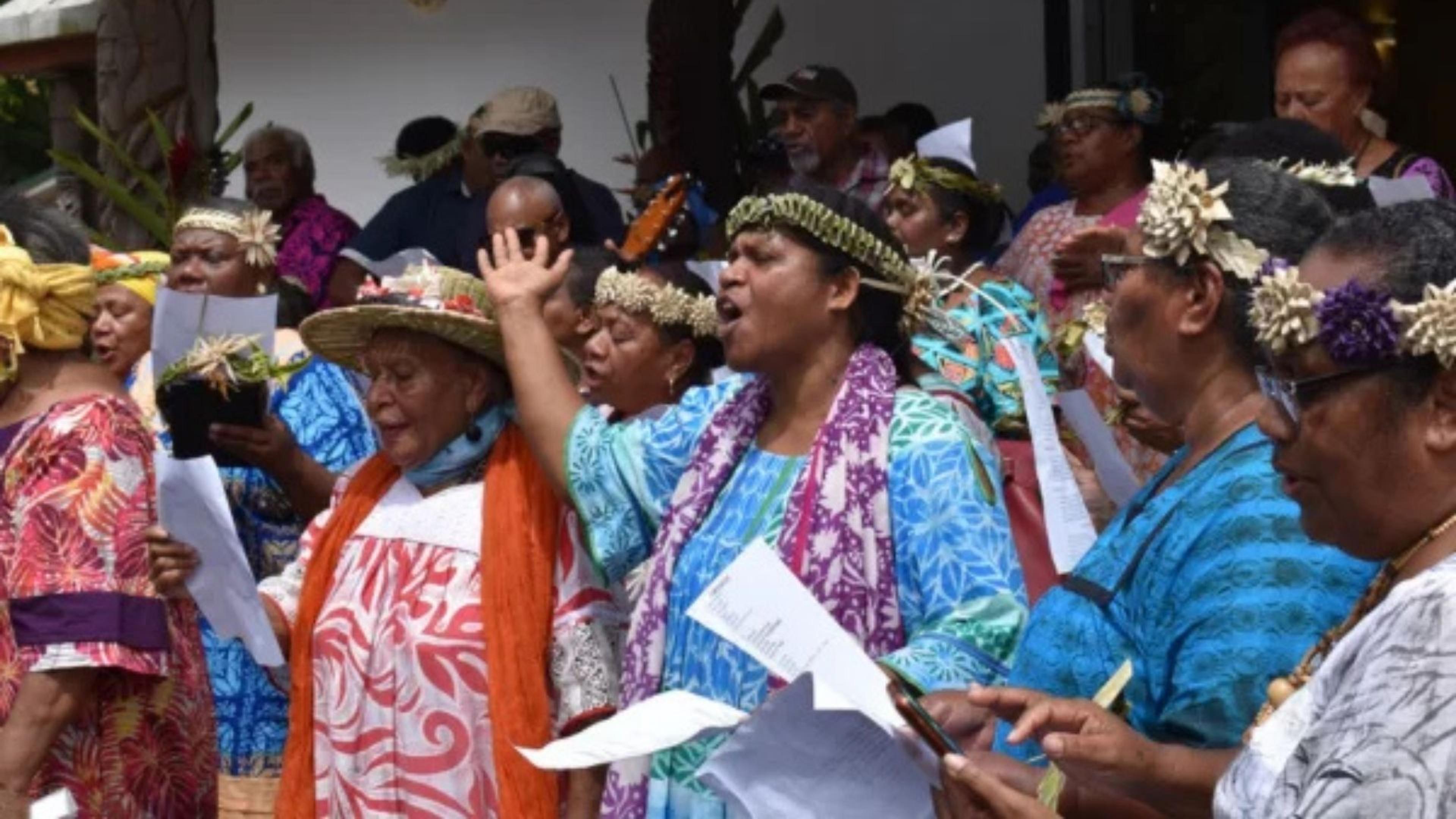
Women of Kanaky New Caledonia perform a cultural song at the Pacific Conference of Churches’ General Assembly 2023, sharing a powerful message of identity, faith and solidarity across the Pacific.
Photo/CWS/file
Election
Election deadlock grows as power split leaves independence future in the balance
Coalition talks are now set to decide New Caledonia’s political future, analysts say.

Christine Rovoi
Published
02 July 2026, 12:49pm
Share
Copy Link
Top stories
PNG Chiefs win first round against New Zealand Rugby
Christine RovoiSat, 17 Oct
Pacific families must work four days to afford basic food: World Vision
Thomas Tarurongo WynneFri, 16 Oct

Sāmoa demolish France in record-breaking 78-4 RL World Cup opener
Christine RovoiFri, 16 Oct
Top stories
PNG Chiefs win first round against New Zealand Rugby
Christine RovoiSat, 17 Oct
Pacific families must work four days to afford basic food: World Vision
Thomas Tarurongo WynneFri, 16 Oct
Sāmoa demolish France in record-breaking 78-4 RL World Cup opener
Christine RovoiFri, 16 Oct
Pro-independence supporters in New Caledonia are holding their ground after tightly contested provincial elections left the French Pacific territory without a clear governing majority.
Attention is now turning to fragile coalition talks, Kanaky Aotearoa Solidarity spokesperson Dr David Small said.
He told William Terite on Pacific Mornings that this week's election results should be viewed in the context of long delays, political tension and ongoing disputes over the electoral process.
He said the vote reflected a complex political environment and not a clear shift in public sentiment.
“These provincial elections, this is the main political decision making in Kanaky, and they’re divided into three different provinces, and there’s a lot of power in each of these provinces.”
Small said repeated delays to the vote had shaped the outcome, alongside disputes over voter rolls and electoral arrangements.
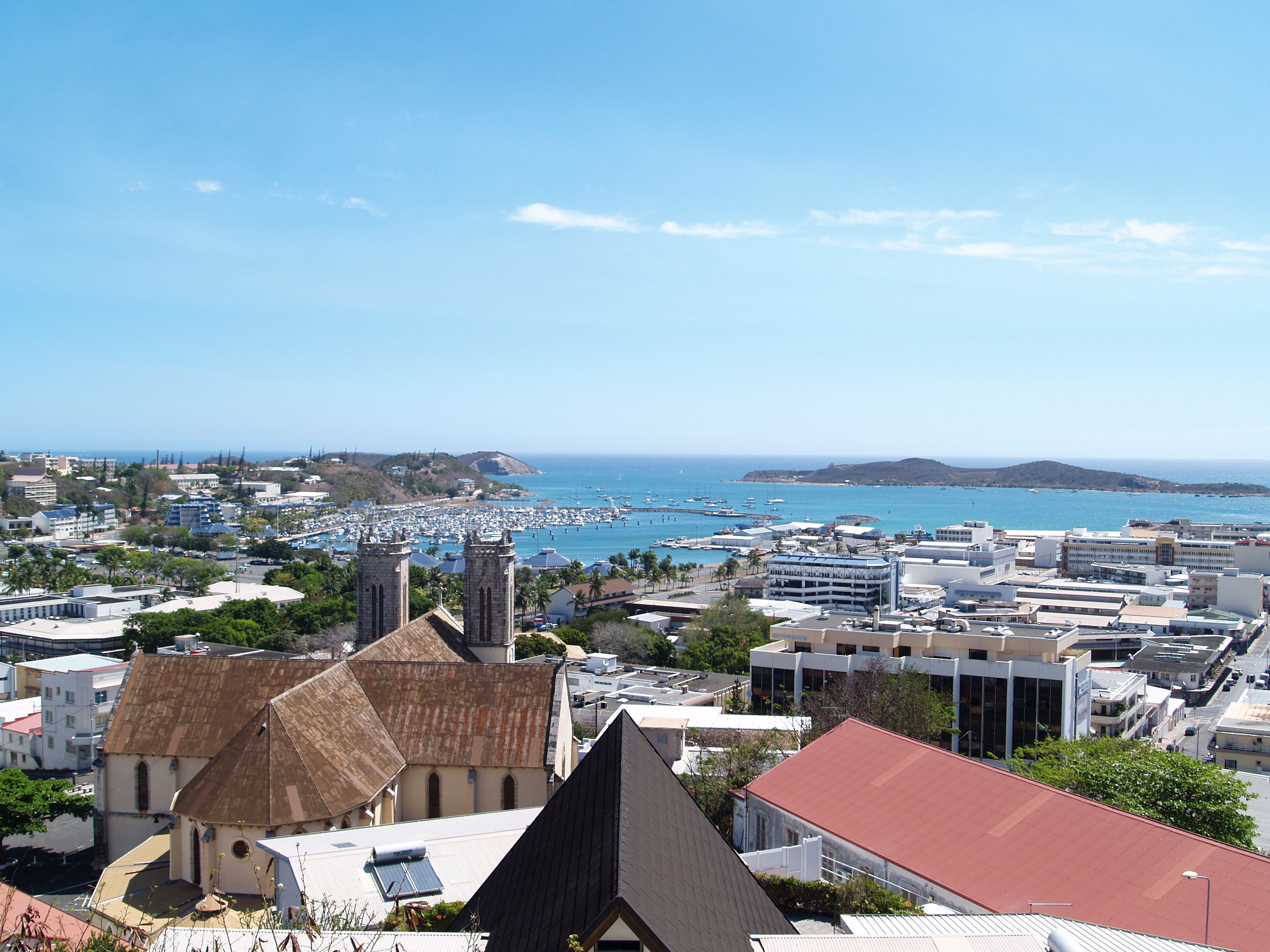
New Caledonia faces coalition talks after provincial elections delivered no outright majority, leaving a fragile balance of power in the 54-seat Congress. Photo/Wikipedia/Thomas@RUN
“These elections were supposed to have been held years ago, and they were postponed and postponed and postponed.”
He said the timing and organisation of the election had also raised concerns among pro-independence groups.
“The French waited until the most optimal time, and then they announced them, and suddenly there was a big rush, and they put an extra 10,000 people on the list.”

Kanaky Aotearoa Solidarity spokesperson Dr David Small says the New Caledonia election result reflects a deeply complex political landscape and ongoing uncertainty over the territory’s future. Photo/Supplied
Despite this, Small said the independence movement had not been significantly weakened, pointing instead to divisions within the pro-France camp.
“The group that has united in that right wing thing are all pretty extreme.”
Official results from this week’s provincial elections confirm a political deadlock with no bloc securing the 28 seats needed for an outright majority in the 54-seat Congress.
The anti-independence loyalist camp holds 24 seats while the pro-independence bloc has 26. This leaves a small centrist party positioned as kingmaker in upcoming coalition negotiations.
Small said the independence movement remained strategically important in the balance of power particularly through its influence in the northern and island provinces.
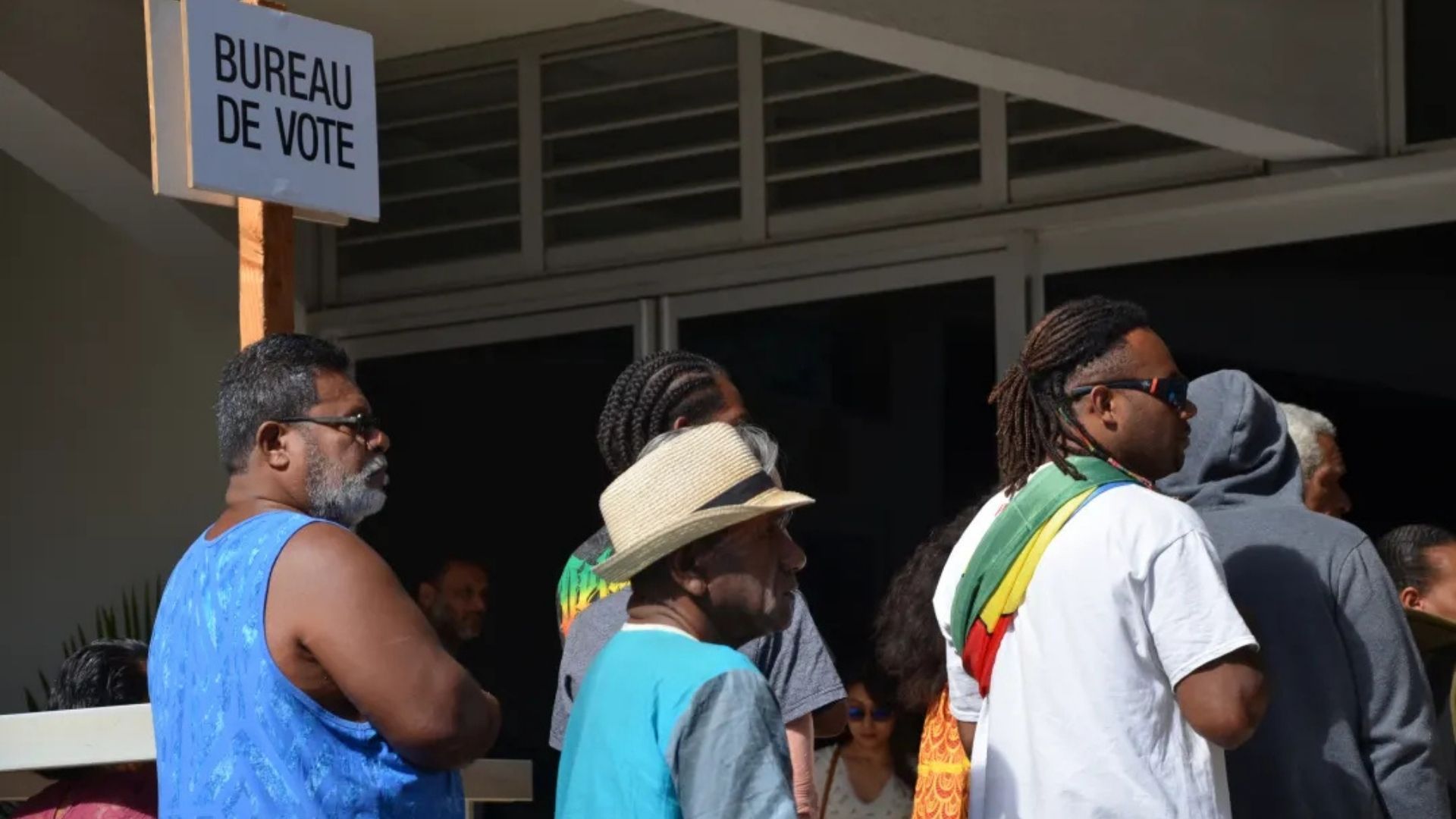
Dr David Small says repeated delays and disputes over voter rolls shaped the outcome of New Caledonia’s tightly contested provincial elections. Photo/RNZ/Walter Zweifel/file
“They’ve stopped the loyalists from getting an absolute majority.”
He said the next phase would depend heavily on smaller parties, including L’Éveil Océanien, which draws support from Pacific Island communities.
“They’ll be the balance of power in terms of who controls the Congress.”
Small also pointed to ongoing tensions over access to resources and public services in the southern province, which remains under loyalist control.
“They’ve been pushing people out of social housing. They’ve been cutting sort of transport and support for schools.”
He warned those pressures were likely to intensify as political divisions deepen.
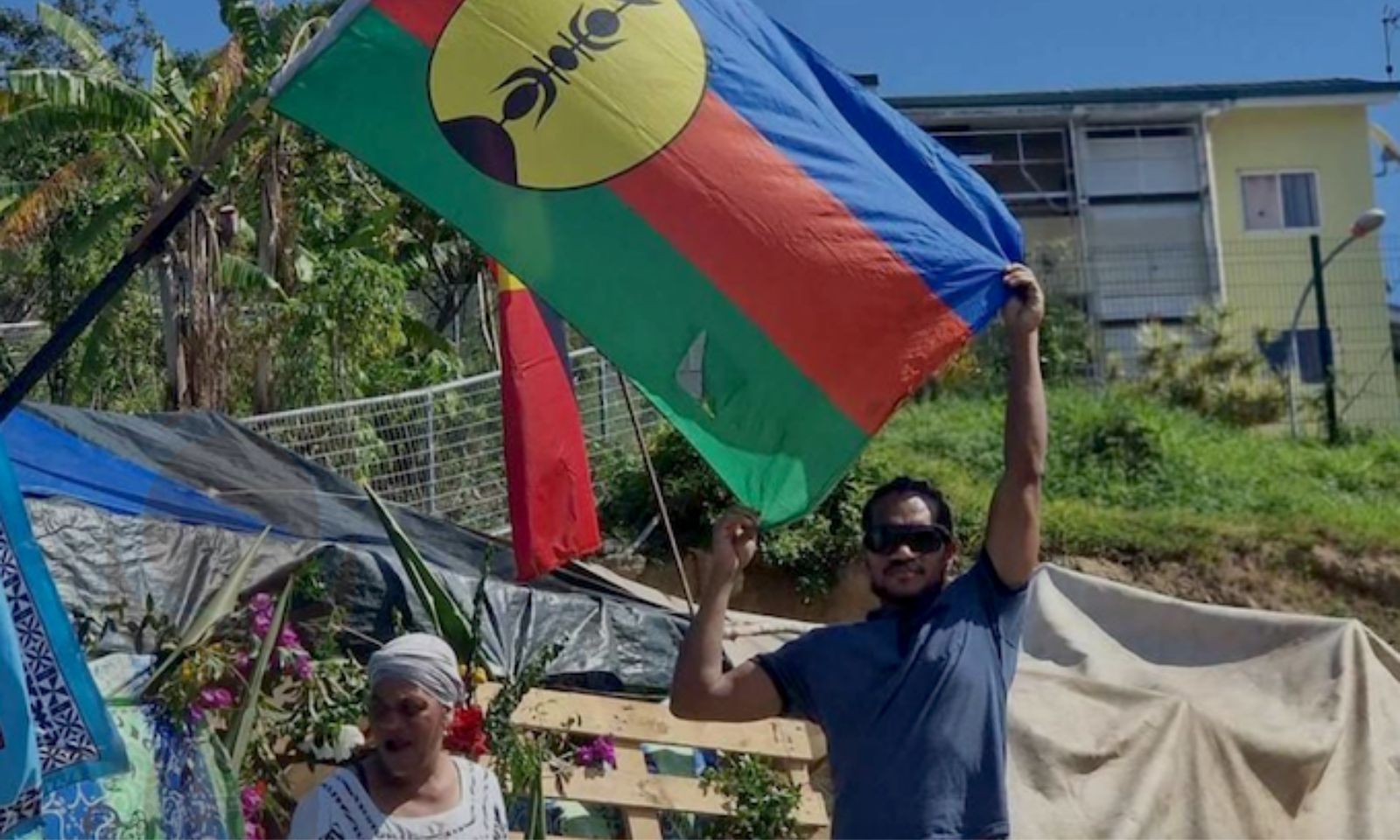
A wider Pacific advocacy push is linking New Caledonia’s political uncertainty to broader calls for decolonisation and regional self-determination. Photo/PANG
Looking ahead, Small said the current situation showed little sign of a lasting political settlement. “No progress, really.”
He said recent legal and political developments had reshaped the independence debate but not resolved it, with attention now shifting to France’s upcoming presidential election and possible renewed negotiations.
Despite the uncertainty, he said the independence movement remained resilient. “The independence movement have had progress… They’re still feeling like they’re in a strong position.”
The final shape of New Caledonia’s government will now depend on coalition talks in the coming weeks with leaders expected to head to Paris for further discussions on the territory’s political future.
A wider regional Pacific advocacy push is also adding pressure to ongoing debates around New Caledonia’s political future, linking it to broader questions of decolonisation and France’s long-standing role in the region.
Merewalesi Tuilau of the Fiji Nuclear Veterans and Families Association says Pacific nations are pushing for stronger international support on self-determination, linking New Caledonia’s future to the legacy of French nuclear testing in the region. Photo/ICAN Australia/screengrab
Speaking on behalf of a joint Pacific delegation during an advocacy tour across Australia, Merewalesi Tuilau, director of the Fiji Nuclear Veterans and Families Association, pointed to the historical legacy of French nuclear testing in the Pacific.
She says this includes the 60th anniversary of the first nuclear detonation at Mururoa Atoll in French Polynesia Tahiti.
Tuilau said Pacific countries were now calling for stronger international support for self-determination and political change across French and other remaining non-self-governing territories in the region.
She said: “Australia has shown it can lead. Australia must match its history with urgent new action.”
The delegation, which also includes the Pacific Conference of Churches led by Reverend James Bhagwan, has been lobbying political leaders in Canberra, Sydney and Melbourne.
Listen to Dr David Small's full interview below.
They are framing New Caledonia and Tahiti as part of a shared regional struggle and are calling for what they describe as a Pacific-wide shift toward policies that are “decolonised, demilitarised, denuclearised and decarbonised”.
The group also warned against what they describe as Pacific islands being treated as strategic buffer zones by external powers, saying: “We are not somebody's buffer zones, we are custodians of the ocean.”
The intervention adds a wider regional dimension to the unfolding political uncertainty in New Caledonia.