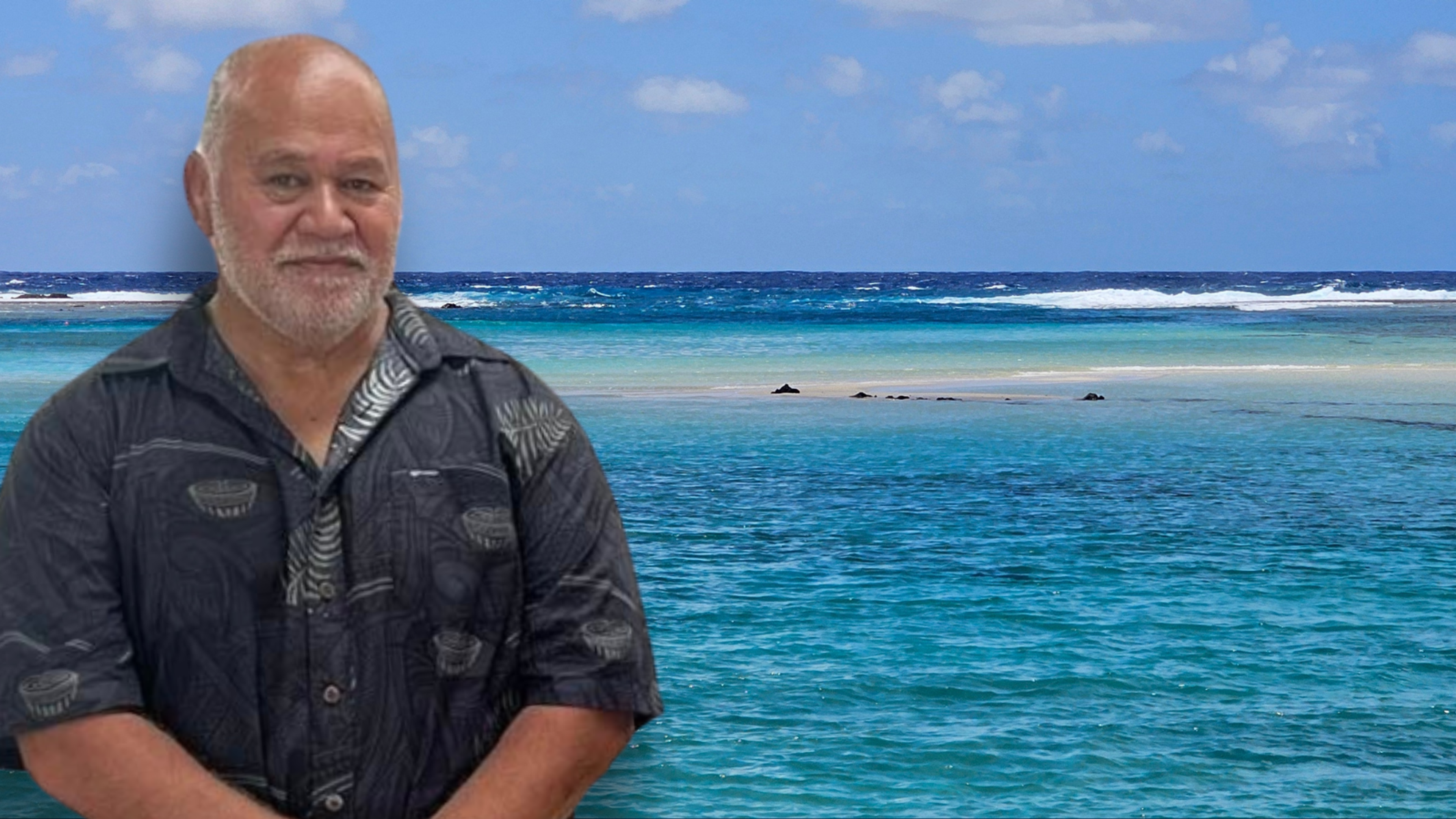
‘We have to be the ocean’: Community leader says Pasifika must stay connected
Thomas Tarurongo WynneTue, 10 Nov
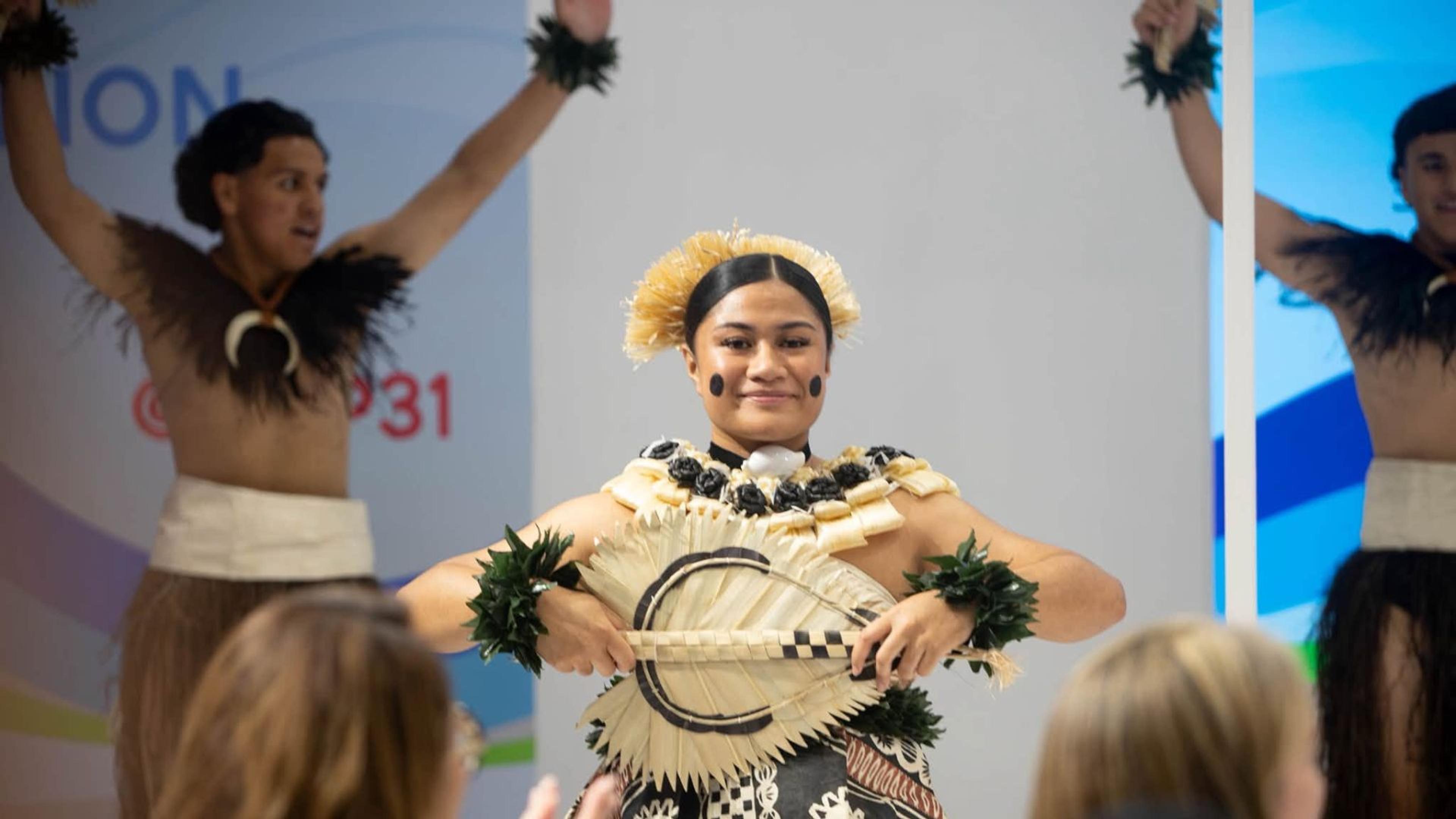
COP31 is underway in Türkiye and the Pacific is pressing for climate finance that reaches communities quickly and directly.
Photo/Facebook/Pacific Community
Over NZ$200m in climate finance is secured but Solomon Islands still relies on foreign organisations to manage much of the money while ministers warn disaster funding must arrive before it is too late.



Solomon Islands is securing millions of dollars in climate finance but a gap in its own financial system is making it harder to get that money where it is needed most.
This comes as the United Nations' 31st Conference of the Parties or COP31 is underway in Antalya, Türkiye.
Solomon Islands has unlocked more than US$120 million (NZ$214.15 million) in global climate finance, including major investments such as the US$86m (NZ$153.47m) Tina River Hydropower Project and the US$25m (NZ$44.61m) SOLCAS initiative.
But Exley Taloiburi, the Green Climate Fund's Head of Multilateral Governance and Observer Engagement, says Solomon Islands does not yet have a national entity accredited to receive GCF money directly.
“Right now, the Green Climate Fund disburses funds directly to an accredited entity. In the Solomon Islands, we currently have a gap in that space. We do not have a national implementing entity," Taloiburi told In-Depth Solomons in Antalya.
That means the Pacific nation has to rely on international organisations such as the Asian Development Bank or foreign NGOs to manage climate funding.
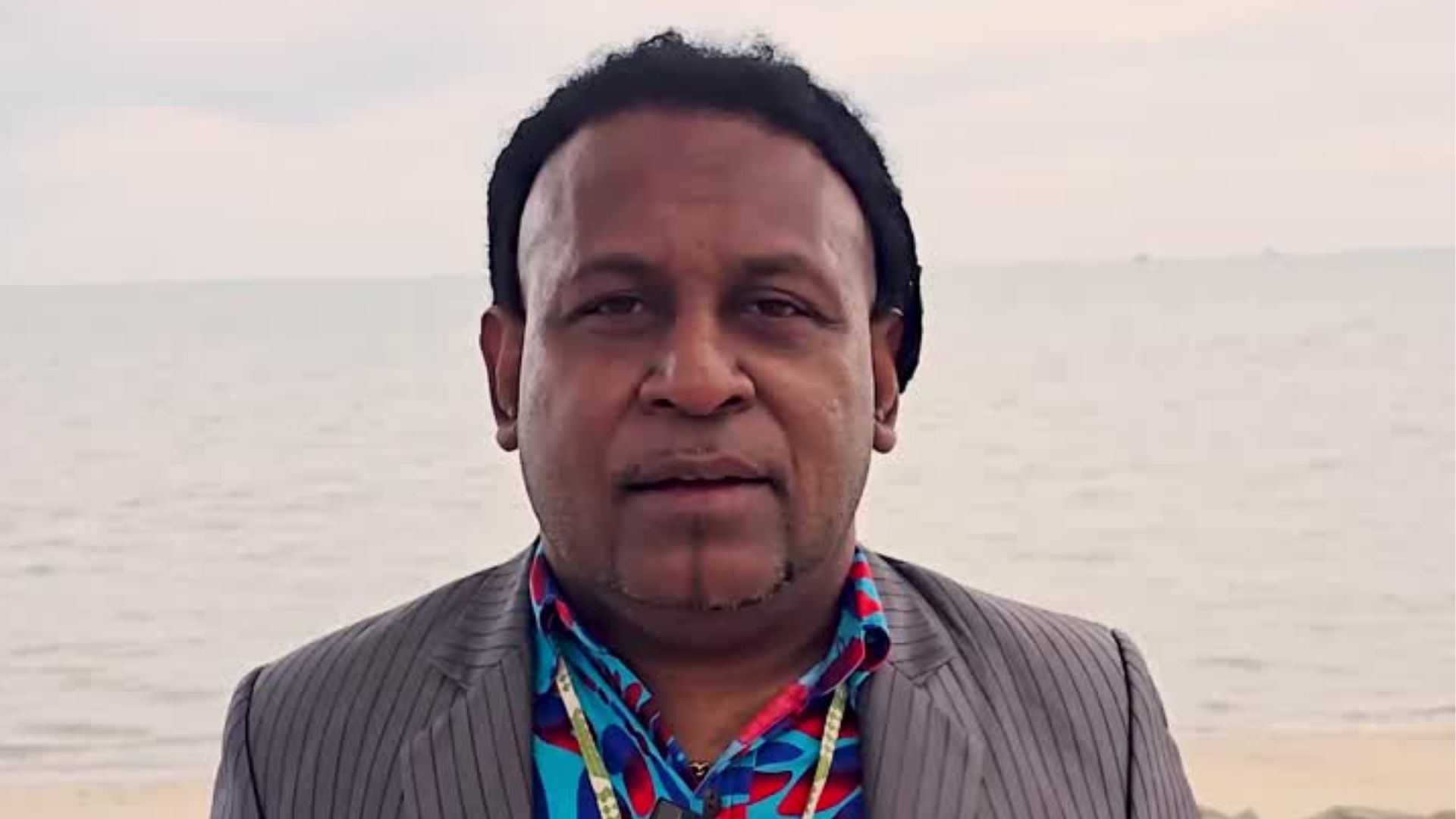
Exley Taloiburi says Solomon Islands lacks a national accredited entity to access Green Climate Fund resources directly. Photo/LinkedIn
Taloiburi says Fiji and the Cook Islands have gone further by accrediting their own development banks and finance ministries.
For Solomon Islands, Taloiburi said having a domestic entity would mean more control over money intended for the country's climate needs.
“More national ownership over the resources, rather than relying heavily on regional or international organisations to access funding for us.”
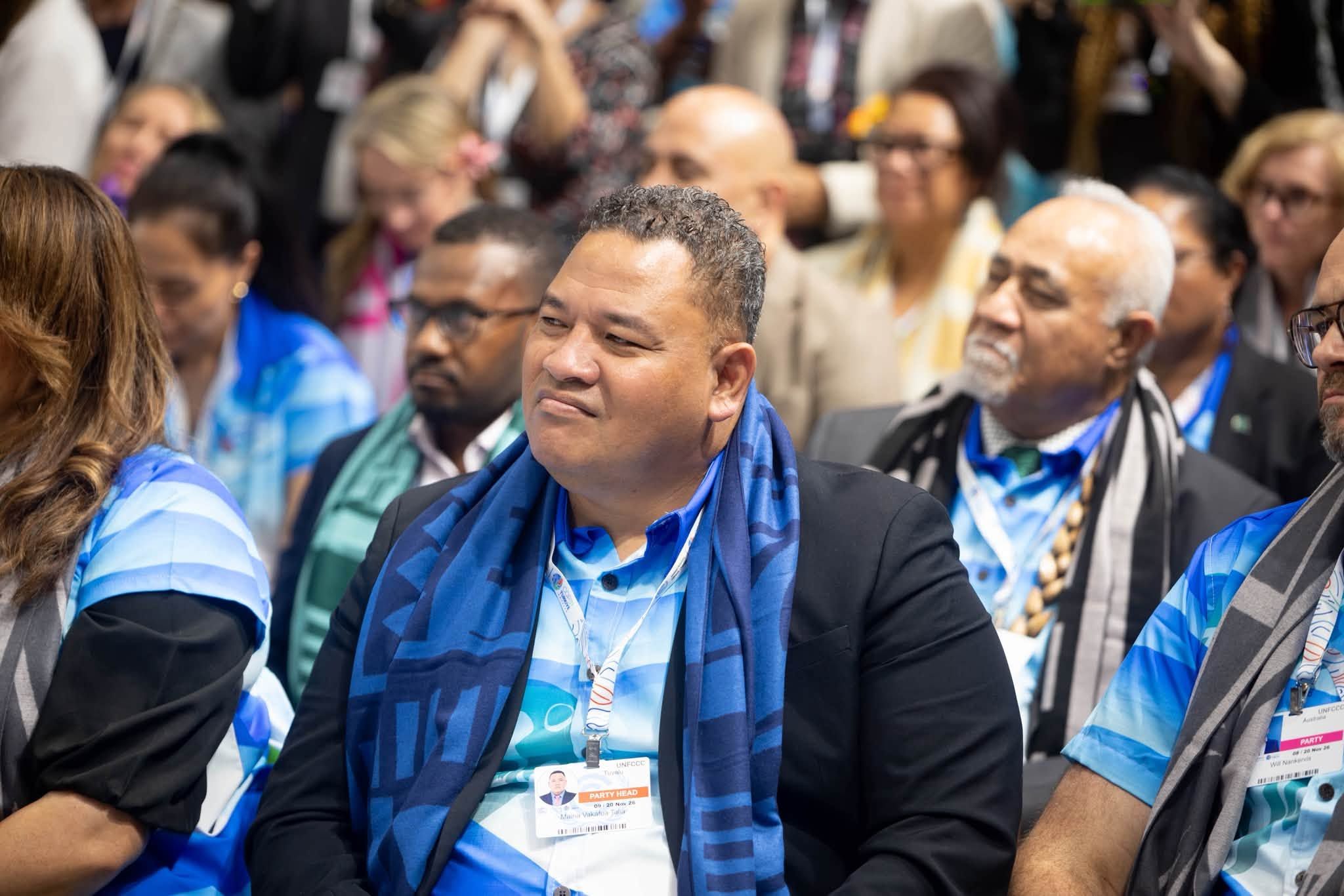
The Moana Blue Pacific Pavilion at COP31 provides a space for Pacific countries to share their climate challenges, solutions and priorities with the international community. Photo/Facebook/Pacific Community
The problem becomes even more urgent when a cyclone or other disaster hits.
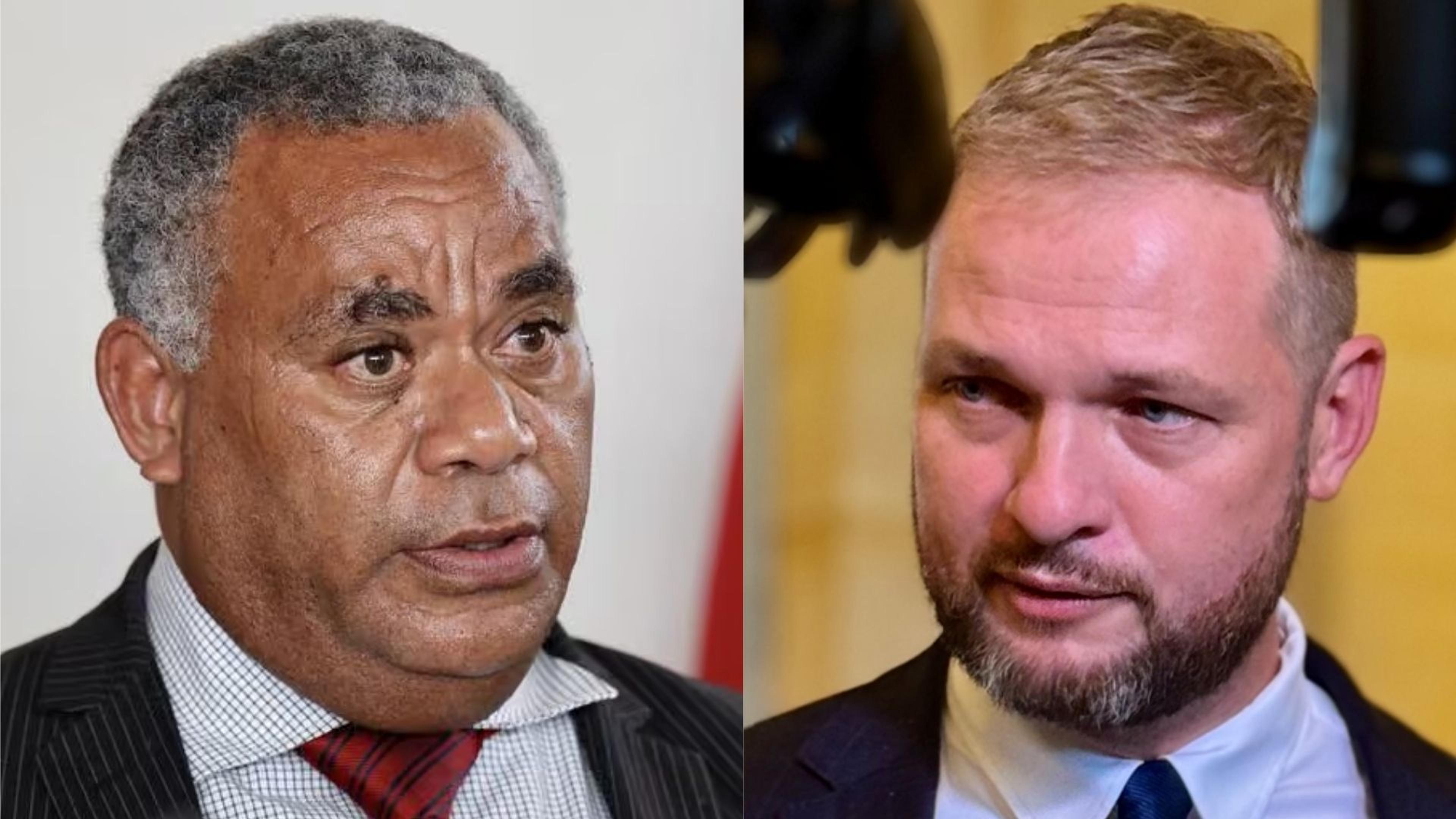
Solomon Islands Climate Change Minister Wayne Ghemu says the value of climate finance depends not only on how much money is available but on how quickly it arrives.
He pointed to Tropical Cyclone Maila, which struck parts of the Solomon Sea in April, affecting more than 2000 people on Simbo Island, displacing 268 and contaminating groundwater supplies.
A US$500,000 (NZ$892,282.50) payout from the Pacific Catastrophe Risk Insurance Company reached the government within 10 days.
“It arrived when it was needed, and it did exactly what it was designed to do,” Ghemu said at the Moana Blue Pacific Pavilion at COP31.
“The value of a dollar is shaped by timing. The same funding can yield a vastly different impact depending on when it arrives and how it is deployed.”
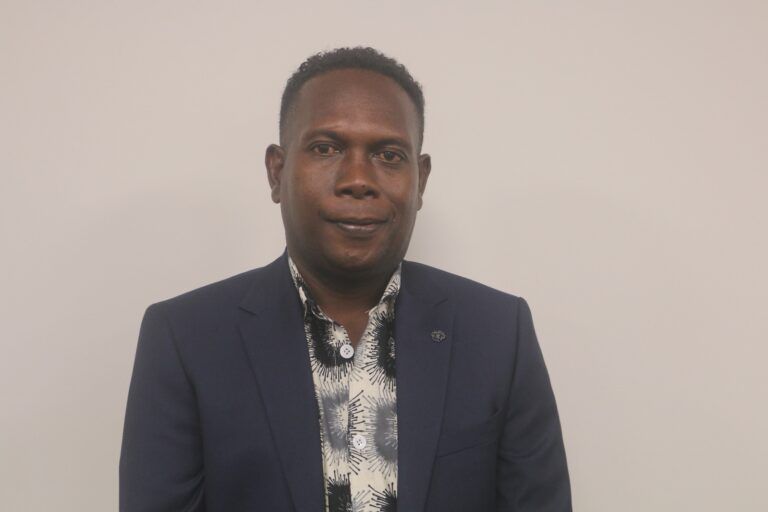
Wayne Ghemu is calling for climate finance to reach Pacific communities faster, warning that funding can lose its value when it arrives after a disaster has passed. Photo/solomons.gov.sb
The contrast is at the heart of the Pacific's climate-finance problem. Ghemu says lengthy accreditation processes, complex project requirements and multi-year reviews by international funding bodies can leave communities waiting while damage gets worse.
“By the time funds receive approval, the cyclone has passed, costs have escalated, and the planned project no longer meets community needs. Finance arriving after the moment of need fails its purpose.”
The government is now working on a dedicated National Climate and Resilience Fund and seeking accreditation for the National Transport Fund and Ministry of Finance.
Taloiburi also says the country needs stronger systems to track how climate money is being used and whether it is making a real difference for communities.
He warned that communities cannot simply approach the Green Climate Fund directly with projects they need funded.
“The GCF cannot just come in and assist with any project; we are guided by the government’s priorities. If your priority is not included in the government’s national policies and plans, it will be very, very difficult for you to access climate finance.”
The issue goes beyond securing money on paper.
French Polynesia and New Caledonia are also using COP31 to push for better access to climate finance with the EU-funded Green Overseas Programme showcasing options including green and blue bonds, carbon markets, conservation funds and blended finance.
The programme says the challenge for Pacific overseas territories is not simply finding money but building the capacity and projects needed to access the right funding.
For Pacific communities facing cyclones, flooding, damaged water supplies and other climate impacts, Ghemu says the real measure of climate finance is whether it arrives in time to protect lives, repair essential services and help communities recover.
Solomon Islands is now trying to build the systems to make that happen. The challenge is turning climate finance from money that is available into money that is accessible, locally controlled and fast enough to matter.
COP31 ends on 20 November.