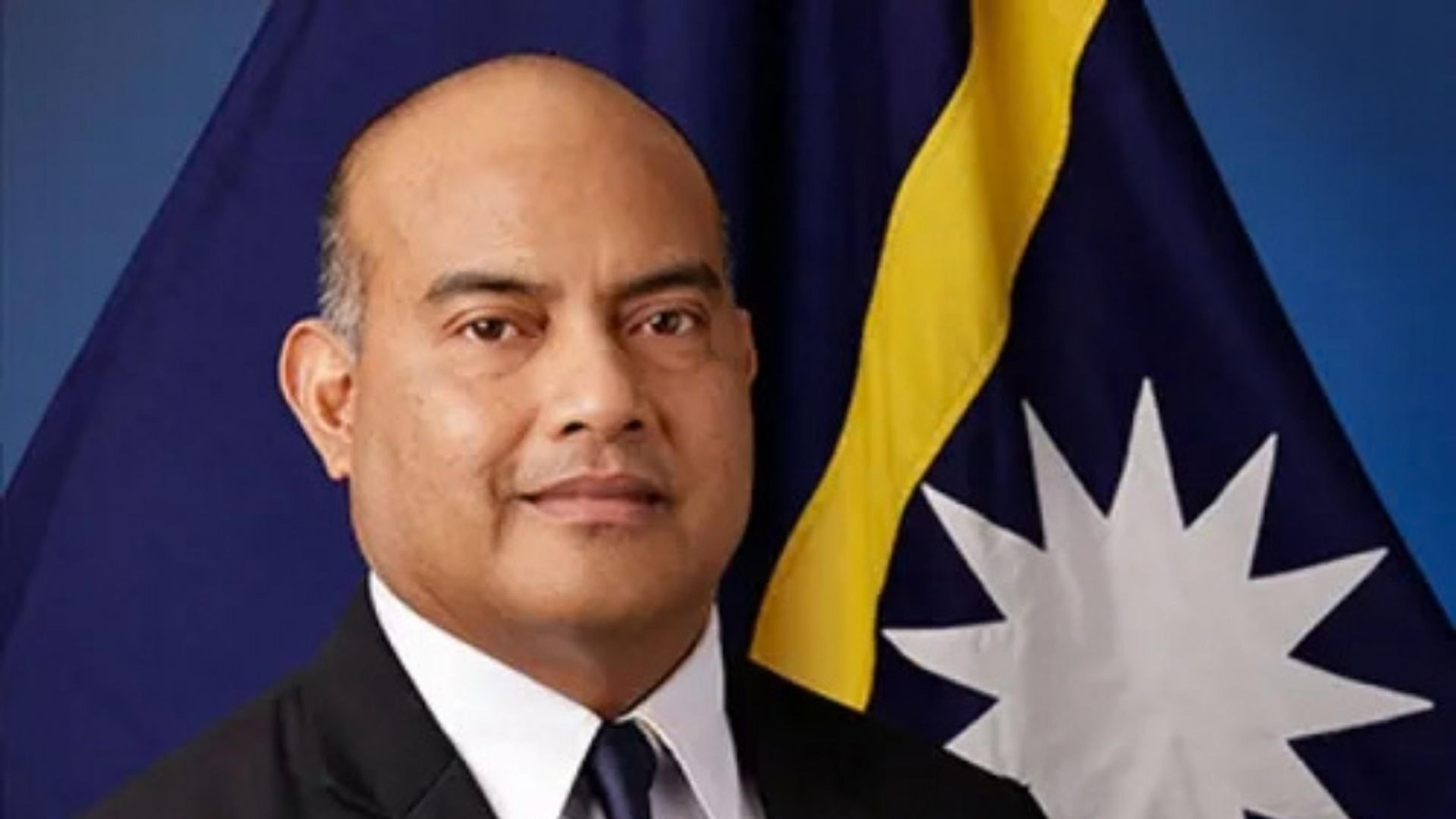
Naoero President David Adeang says the country's 19 MPs are united behind one government for the first time since independence.
Photo/Naoero government
Politics
Naoero's united Parliament faces its biggest test yet
All 19 MPs are now backing one government but President David Adeang says unity will mean little unless it improves the lives of Naoero's people.

Christine Rovoi
Published
11 November 2026, 6:00am
Share
Copy Link
Top stories

Pacific infertility symposium aims to break silence and improve access to care
Khalia StrongMon, 09 Nov

Politics behind keeping 15,000 New Zealanders on the tag football field
Christine RovoiTue, 10 Nov
Top stories
Pacific infertility symposium aims to break silence and improve access to care
Khalia StrongMon, 09 Nov
Politics behind keeping 15,000 New Zealanders on the tag football field
Christine RovoiTue, 10 Nov
Naoero's Parliament has reached a moment without precedent since independence in 1968 - all 19 elected MPs are now united behind one government.
But President David Adeang says the historic show of unity will only matter if it delivers real change for people across the island.
“Our success must not be measured by the number of members standing together, but by the positive difference we make in the lives of our people.”
The new political alignment has also brought two MPs into deputy minister roles.
Pyon Deiye has been given responsibility for police, justice and border control while Jason Bingham Agir will oversee Eigigu Holdings Corporation and sports.
Adeang said the new appointments reflected a shared commitment to putting Naoero's interests first, despite MPs representing different districts and bringing different experiences to Parliament.
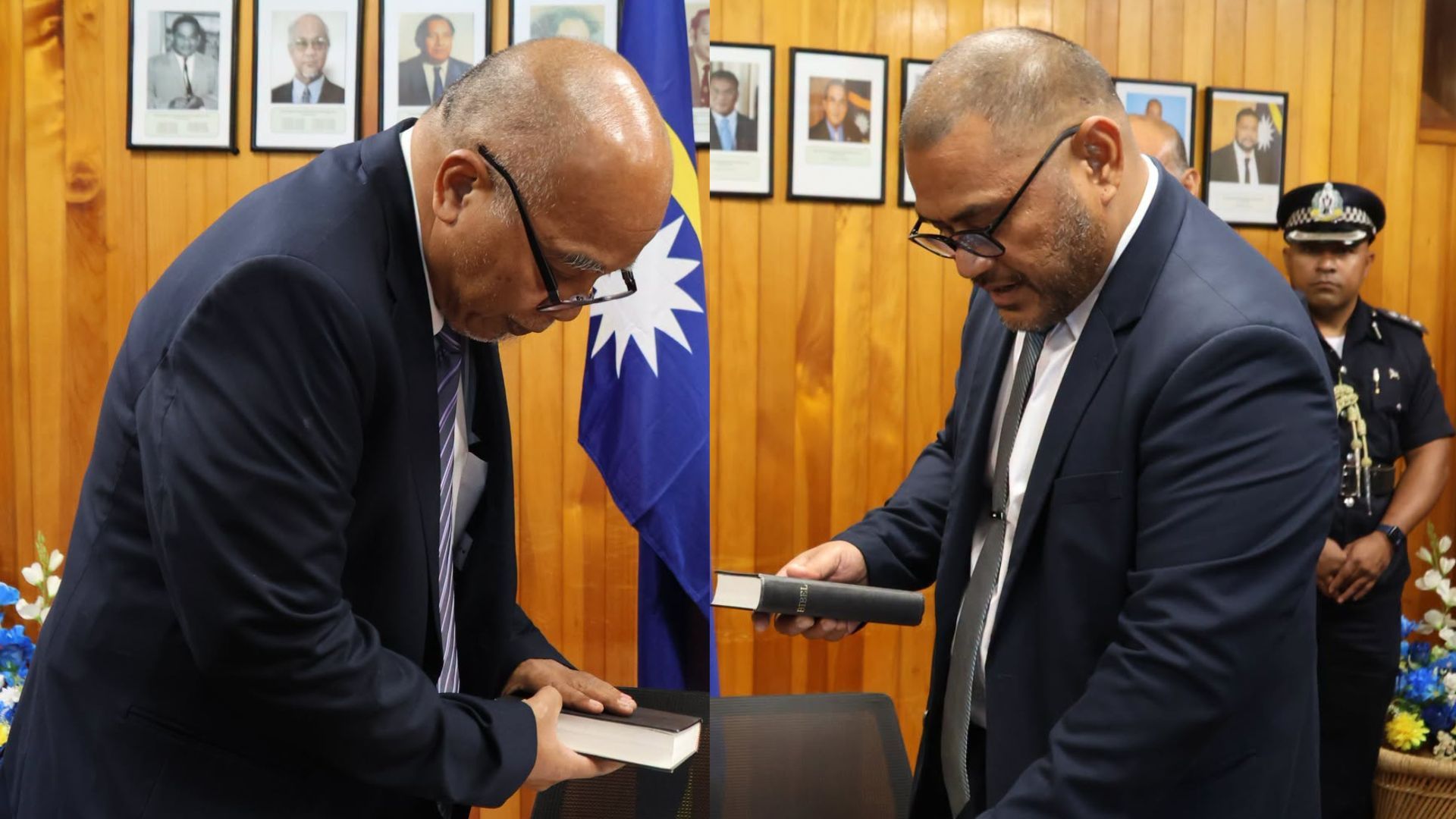
Jason Bingham Agir and Pyon Deiye have been appointed to Cabinet. Photo/Facebook/The Government of the Republic of Naoero
“We may represent different districts and bring different perspectives and experiences to this House, but we share one home, one people and one future.”
He described the moment as a major turning point for the country's Parliament, with all elected members now part of one government.
“Today, we recognise a truly historic moment in our nation’s parliamentary journey; a moment of unity, stability and shared purpose; a moment when we stand together as one Parliament, one Government and one people, united by one heart, one vision and one common commitment to the progress, prosperity and sustainable development of our beloved nation, Naoero.”
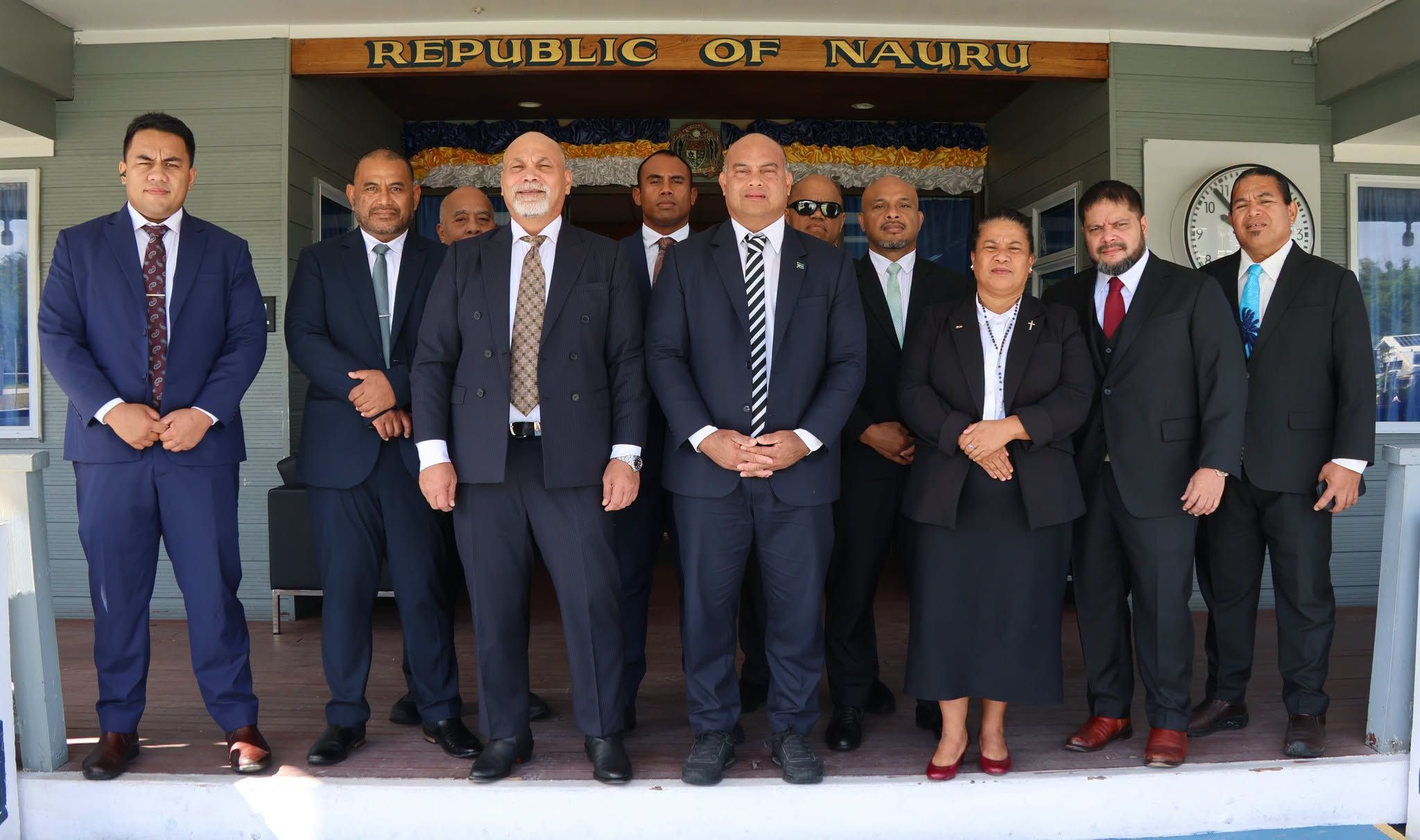
Naoero's 19-member Parliament are now aligned with the government in an unprecedented political arrangement since independence in 1968. Photo/Facebook/The Government of the Republic of Naoero
But the historic unity also raises a question about what happens to parliamentary scrutiny when there is no opposition bench.
Professor Jon Fraenkel, a Pacific political specialist at Victoria University of Wellington, has written about the fluid nature of political alliances in Pacific micro-states, including Nauru.
“Alliances can also, in other circumstances, become fluid and personality-based, and many opposition leaders will, at some point, have served as ministers together in cabinet with those who are now adversaries.”
Adeang was clear that political unity cannot be the end goal. He pointed to economic security, better living standards, quality education, reliable healthcare and opportunities for children as the areas where the government will now be judged.
Those priorities come with a warning from the President that the country cannot simply rely on the political strength of having all 19 MPs on the same side.
He said the government must continue to find new opportunities while strengthening essential services and protecting national resources.
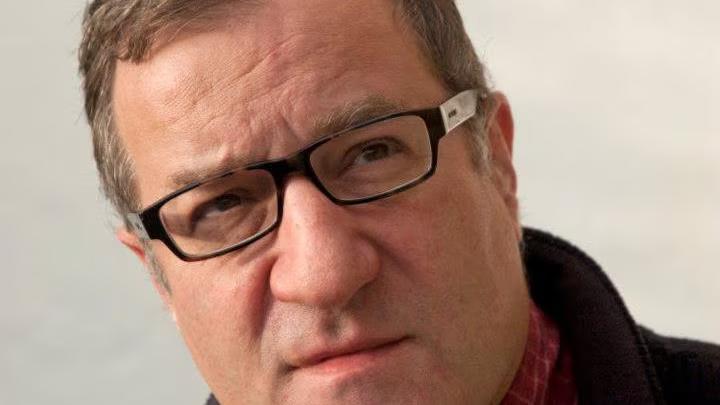
Professor Jon Fraenkel has written about the fluid, personality-based political alliances that can shape parliamentary politics in Pacific micro-states. Photo/Victoria University of Wellington
“Our future decisions must continue to strengthen essential services, protect our national resources and create a sustainable future that does not leave the next generation carrying the burdens of today.”
Adeang said Naoero had been given a rare opportunity and urged MPs to approach it with care.
“(Let us) make this moment one that future generations of Dei-Naoero will remember with pride.”
The new political arrangement gives the government a stronger base in Parliament, but it also removes one of the most obvious excuses for failing to deliver on its priorities.
But governance monitors and community observers caution that a Parliament without an opposition comes with serious democratic risks.
In a unicameral system with no upper house to review legislation, one critic said absorbing all 19 MPs into the executive fold removes the fundamental checks and balances designed to scrutinise state spending and public appointments.
With every elected MP now aligned with the government, the focus can shift from political division to performance.
Adeang said the country should remain guided by its national motto, “God’s Will First”, as the government works towards what he described as a stronger, more prosperous and sustainable future.
For Naoero, he says the historic part is already done. The harder question is what all 19 MPs can now achieve together.