
LEAO claims Silver Scroll with first pure Gagana Sāmoa winner
Brooke FonotiWed, 21 Oct
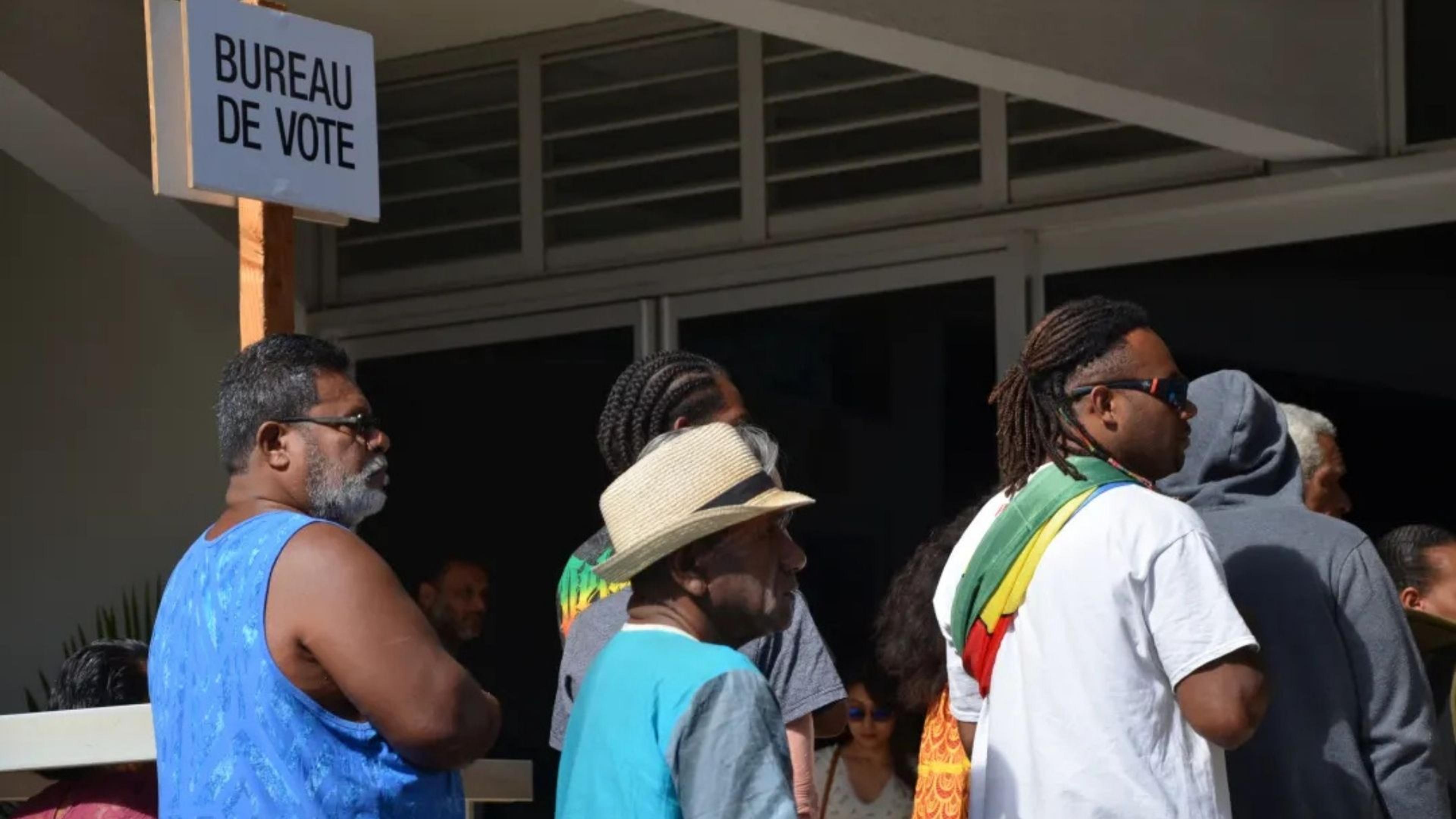
Voters in New Caledonia's 2018 independence referendum: Locals will head to the polls on 28 June in provincial elections seen as a key moment for the French territory’s political future.
Photo/RNZ/Walter Zweifel/file
Concerns remain over voter access in Nouméa where critics say fewer centralised centres could make it harder for some residents to reach the ballot.



France has defended sweeping changes to voting arrangements for New Caledonia's provincial elections.
The French High Commission in Noumēa says reducing the number of voting centres has increased turnout in previous elections and not discouraged voters.
The Commission says nine voting centres will operate across Nouméa for the 28 June vote, up from eight used in recent elections.
The additional centre was added in the capital's northern districts after discussions with the mayor and political parties to reduce travel times for voters.
The explanation comes after concerns were raised about the decision to replace dozens of local polling locations with a smaller number of centralised voting centres.
Responding to questions from PMN News, the High Commission said on Friday that the consolidation process began in 2024 when the number of voting centres in Nouméa was reduced from 37 to eight for the European and French legislative elections.
Officials say voter turnout increased following the change.
In the 2022 French legislative elections, when 37 voting centres were in use, turnout in Nouméa reached 33.51 per cent in the first round and 41.13 per cent in the second round.
By comparison, turnout rose to 57.81 per cent and 65.98 per cent respectively during the 2024 legislative elections when only eight voting centres were operating.
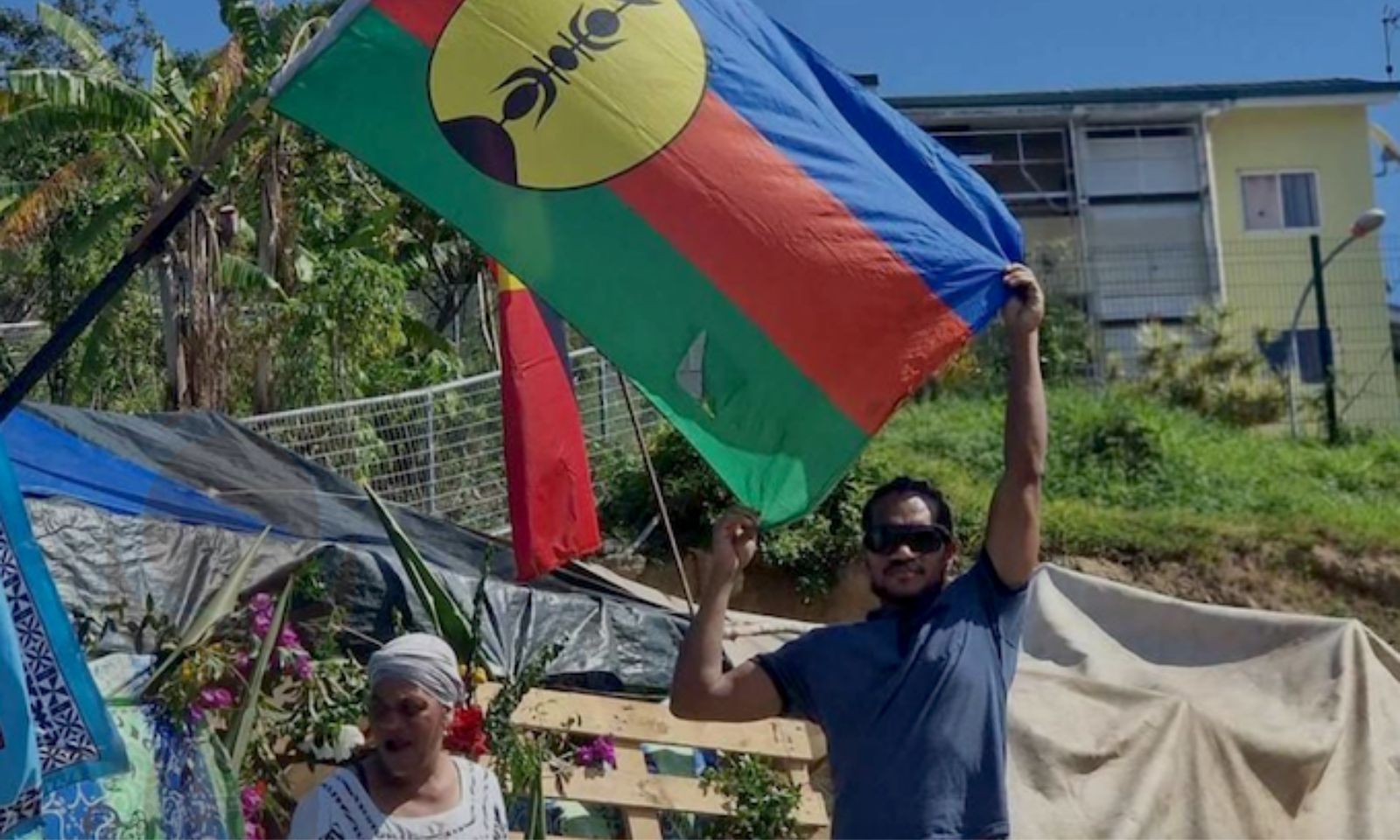
Election preparations in Nouméa are under focus as French authorities defend changes to voting arrangements ahead of the 28 June provincial elections. Photo/PANG
Concerns have been raised in parts of Nouméa that reduced voting centres could affect access to the ballot, particularly in suburbs with limited public transport.
The High Commission also pointed to municipal elections where turnout increased from 42.05 per cent in 2020 to 48.75 per cent in the first round of the 2026 vote following the consolidation.
Officials say the changes are driven by logistical and security concerns following the unrest that shook New Caledonia in 2024.
The High Commission said fewer voting centres require fewer staff, make it easier to secure and transport election materials, allow votes to be counted more quickly, and enable security forces to respond faster if problems arise.
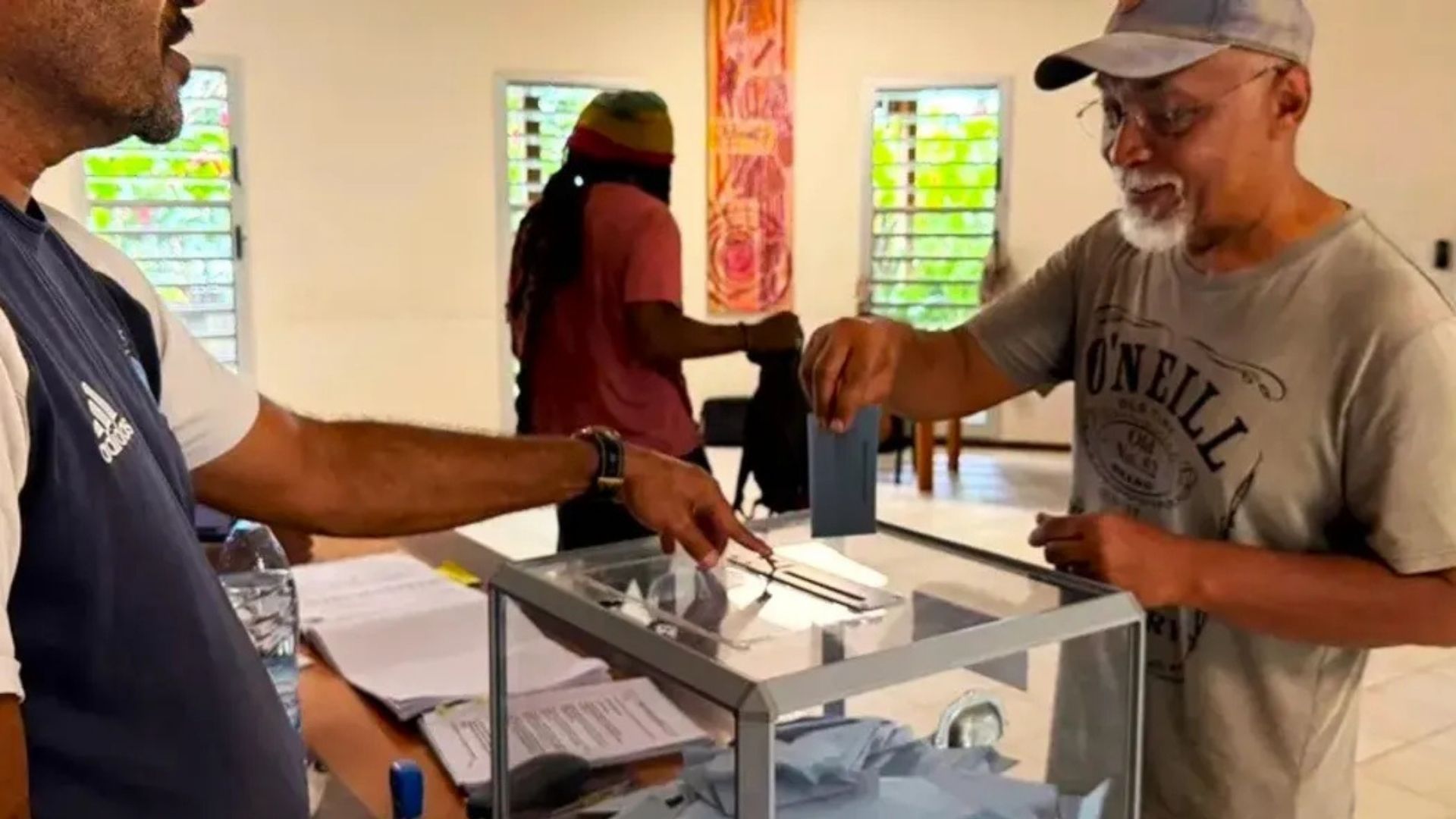
Concerns have been raised in parts of Nouméa that reduced voting centres could affect access to the ballot, particularly in suburbs with limited public transport. Photo/NC la 1ère
Many voting centres are also located in schools, which must be ready for students the following day.
Authorities stressed that the number of polling stations themselves has not been reduced in the same way as voting centres.
While there will be nine voting centres across Nouméa, officials say voters will still be assigned to polling stations containing between 800 and 1000 registered voters where possible.
The changes have drawn criticism from some observers who fear they could create barriers for voters, particularly in poorer suburbs where public transport is limited on Sundays.
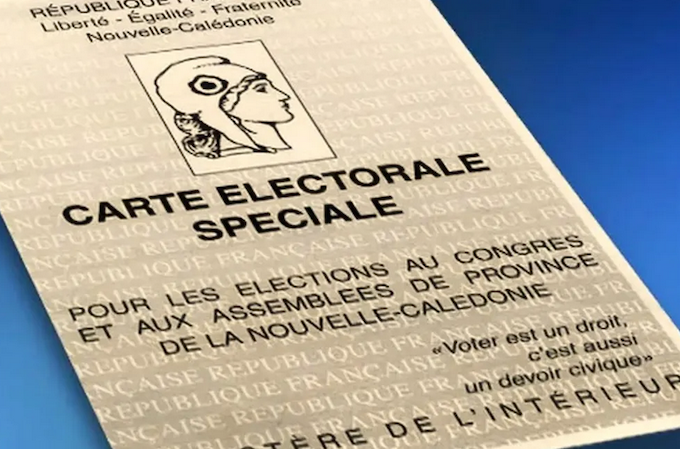
New Caledonia’s special electoral card used for Congress and provincial elections, with voting on 28 June seen as a key moment for the territory’s political future. Photo/X/David Robie
Speaking with William Terite on Pacific Mornings earlier this week, Islands Business correspondent Nic Maclellan warned some residents could face difficulties reaching voting locations.
“In poorer working class suburbs in the north of the capital, Nouméa, without good bus services on Sundays, it may be difficult for some people to get to a polling booth,” Maclellan said.
The High Commission maintains the changes do not restrict voting rights and notes that an emergency legal challenge against the decision was rejected by the Administrative Court of Nouméa on 12 June.
Watch Nic Maclellan's full interview below.
The changes have also drawn political criticism.
Loyalist Bloc leader Sonia Backès has described the adjustments as “insufficient” and “democratically unacceptable”.
Provincial elections on 28 June are being closely watched across New Caledonia as the territory continues to navigate its political future following last year's unrest.