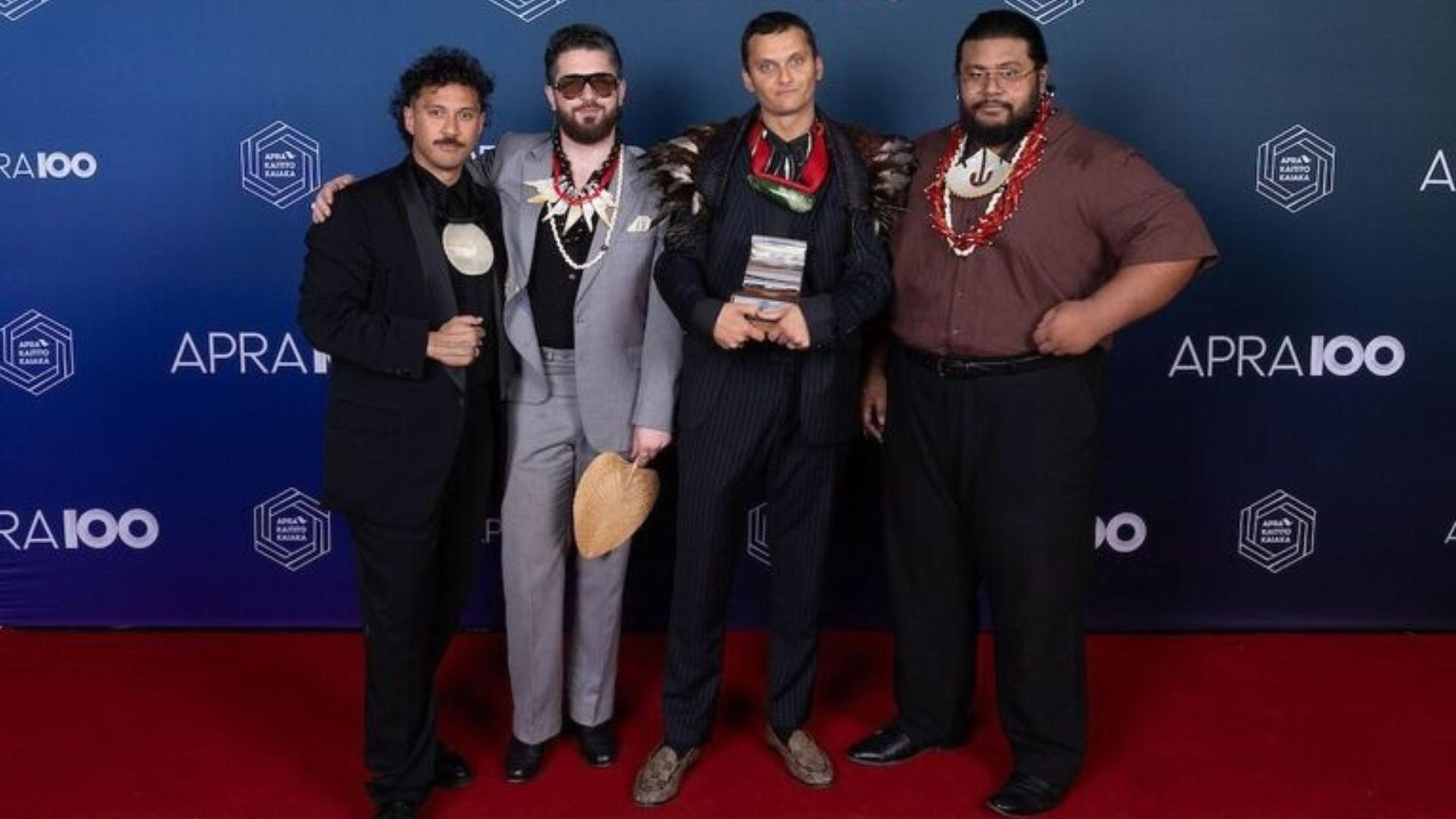
LEAO claims Silver Scroll with first pure Gagana Sāmoa winner
Brooke FonotiWed, 21 Oct
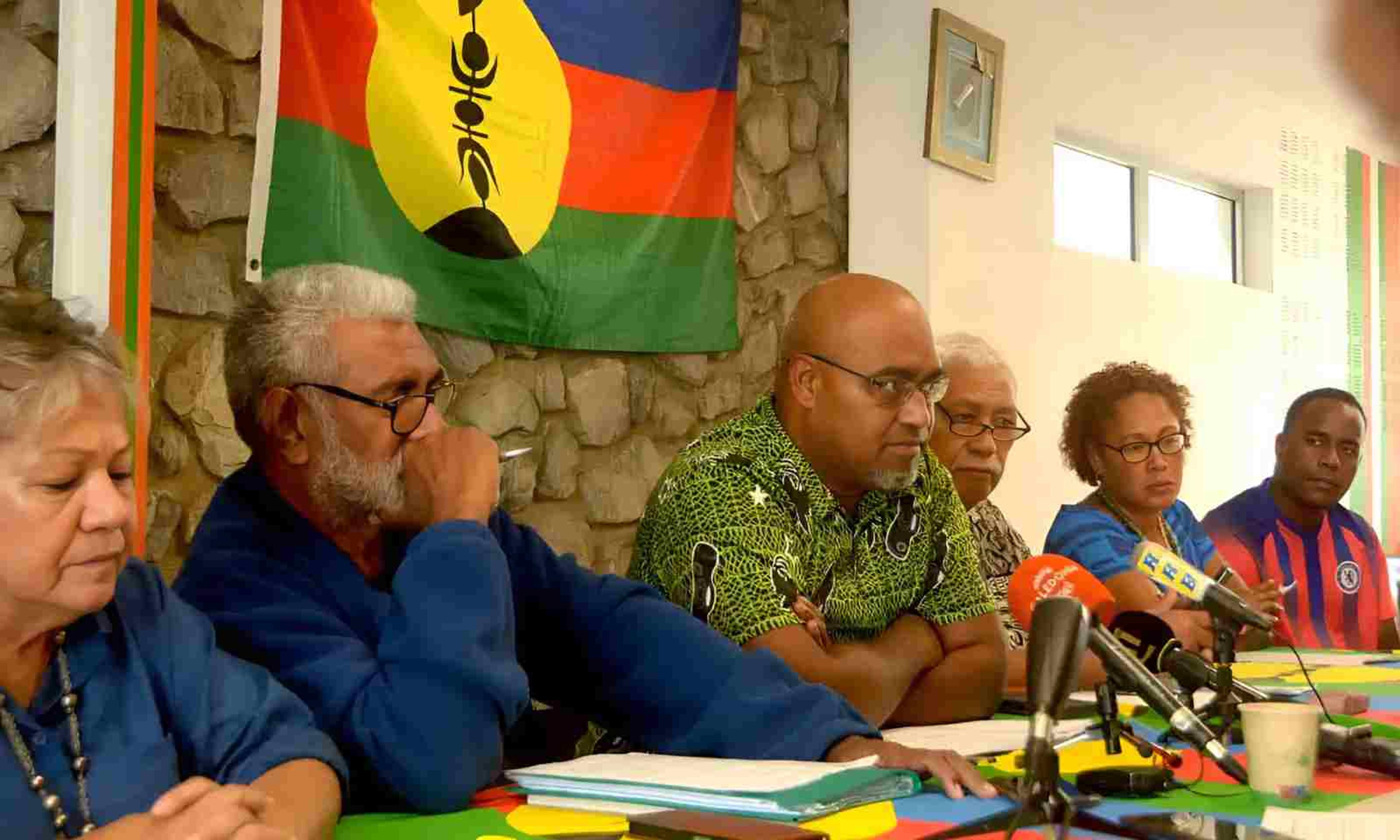
Indigenous Kanak leaders in New Caledonia signal a fresh start after France’s National Assembly rejects constitutional reforms, leaving the territory’s future in limbo.
Photo/LNC/file
The Pacific territory faces more uncertainty after the French National Assembly blocked key changes as pro-independence leaders call for a “reset”.

New Caledonia’s political future has been thrown back into doubt after France’s parliament shut down a major reform plan last week.
The move now leaves the French Pacific territory without a clear path forward just months before crucial elections.
France’s National Assembly voted 190 to 107 to reject changes meant to replace the Nouméa Accord, the agreement that has guided New Caledonia for more than 25 years.
The bill was blocked before it even reached full debate. The decision signals more delay in resolving one of the region’s longest-running political questions.
Speaking with William Terite on Pacific Mornings, journalist and researcher Nic Maclellan said the vote showed how divided things remain.
“It’s a reflection of the ongoing debate within New Caledonia between those who want accession to a sovereign and independent nation and those who want to remain within the French Republic.”
The reform had already passed France’s Senate, but its defeat in the lower house now leaves it stalled.
“The reform put forward by the French government is pretty much dead in the water.”
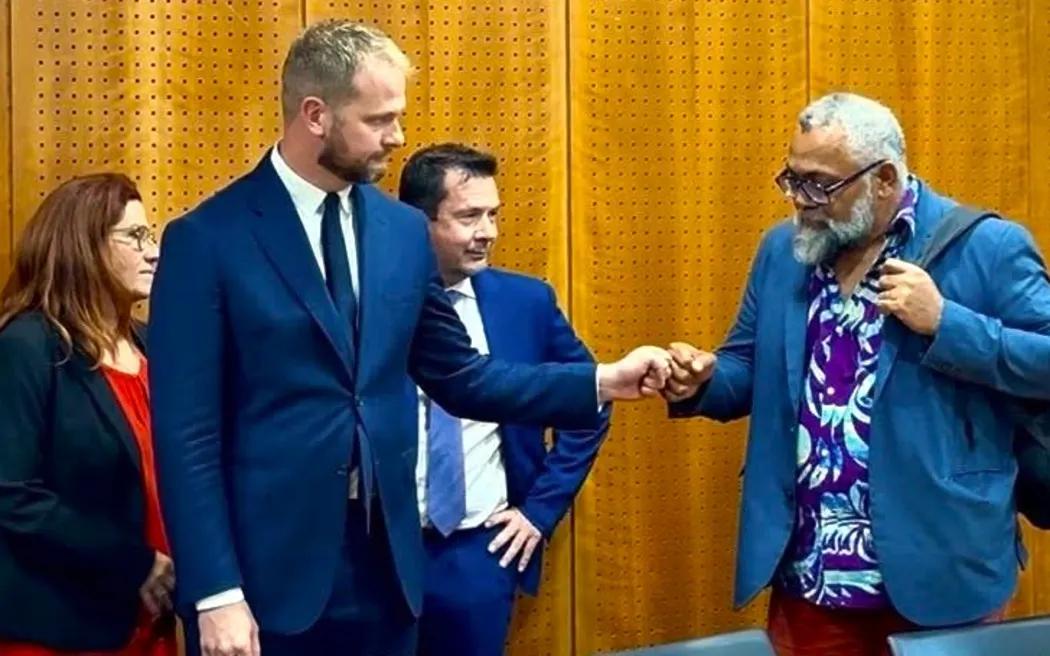
Kanak leader Emmanuel Tjibaou, right, with pro-France leaders near Paris in July 2025: Pro-independence FLNKS leaders and French MPs are set to resume talks following the parliamentary vote that blocked the proposed constitutional changes. Photo/Facebook/Nicolas Metzdorf
Indigenous Kanak leaders say the collapse of the reform could open the door to a new phase of talks.
Emmanuel Tjibaou said he had been invited to discussions in his role as a member of France’s parliament, alongside parties represented in New Caledonia’s Congress.
The pro-independence Kanak and Socialist National Liberation Front (FLNKS) movement has now agreed to return to talks. This is its first involvement since negotiations in France in July 2025 after internal discussions among its leadership.
The group sees the rejection of the reform as a clear break from the past.
"Now we don't want to hear anyone talk to us about Bougival ... this is behind us," Tjibaou told Nouvelle-Calédonie la Première TV.
FLNKS politburo member Arnaud Chollet-Leakava told NC la Première that the focus must now shift.
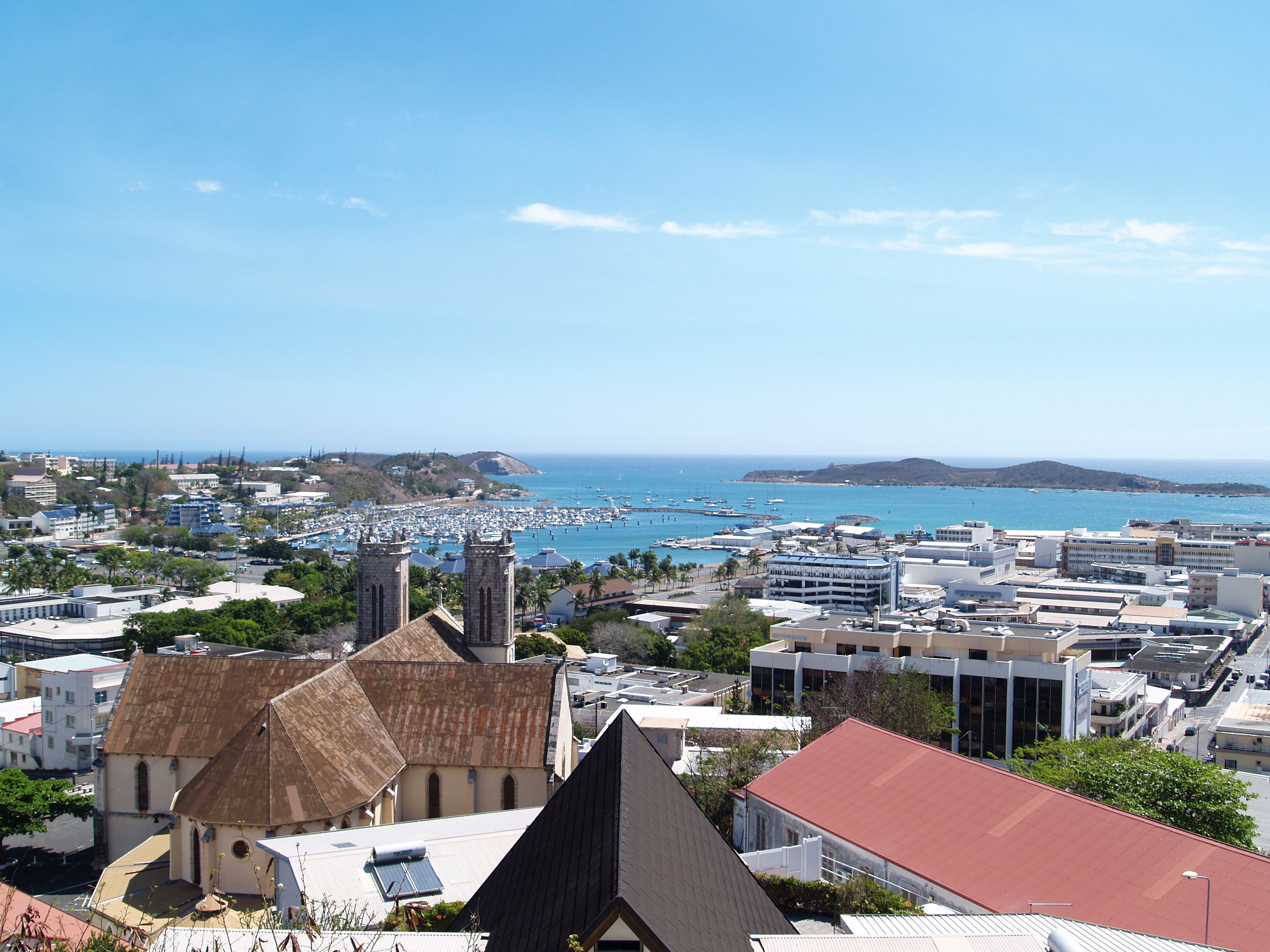
With provincial elections due by the end of June, New Caledonia’s residents await a decisive moment in the territory’s political future. Photo/wikimedia
The independence coalition is pushing for provincial elections to be held by 28 June, followed by renewed talks on the territory’s political future.
Tjibaou himself played a key role in the outcome, moving the motion that led to the bill's defeat.
The uncertainty comes as New Caledonia continues to recover from months of unrest in 2024, when clashes between Kanak protesters and French security forces hit the economy hard.
“There were six months of clashes between Kanak protesters and French security forces that had enormous damage to the economy. GDP dropped 13.5 per cent in one year in 2024," Maclellan told Terite.
Years of political talks and three independence referendums have yet to settle the question of the territory’s future and many people are growing tired of the wait.
“People I’ve spoken with just really want to see some sort of political solution,” Maclellan said.
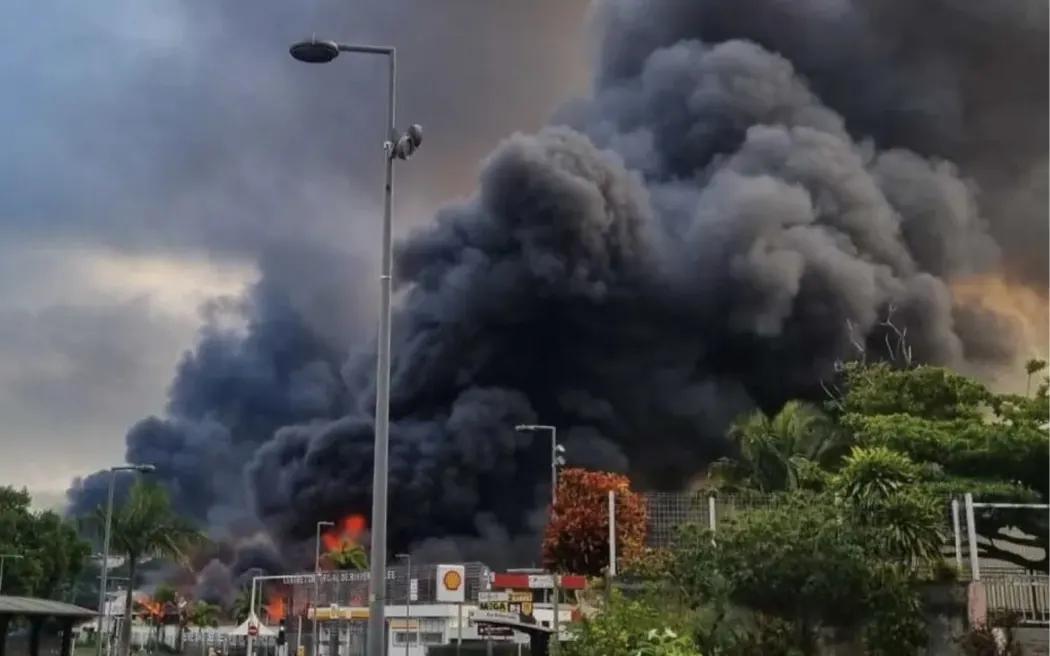
The 2024 unrest between Kanak protesters and French security forces caused major economic damage, highlighting the urgent need for political solutions. Photo/Twitter @ncla1ere
With the reform plan stalled, attention is now turning to provincial elections due before the end of June. These will be key in deciding the balance of power locally.
“The way forward then is to hold elections," Maclellan said. "The provincial elections are due in June this year, before the end of June.”
But major issues remain unresolved especially who gets to vote. Expanding voting rights has been strongly opposed by pro-independence groups and was one of the triggers for last year’s unrest.
Any quick solution looks unlikely, with politics in Paris also slowing progress.
“A lot of decision-making in Paris is governed by people who are really already campaigning for next year’s presidential elections,” Maclellan said.
Watch Nic Maclellan's full interview below.
France is heading towards a presidential vote in 2027, and President Emmanuel Macron cannot stand again, which adds more uncertainty to the process.
For now, there is no clear way forward. "There’s no neat solution for the French government,” Maclellan said.