
Politics behind keeping 15,000 New Zealanders on the tag football field
Christine RovoiTue, 10 Nov
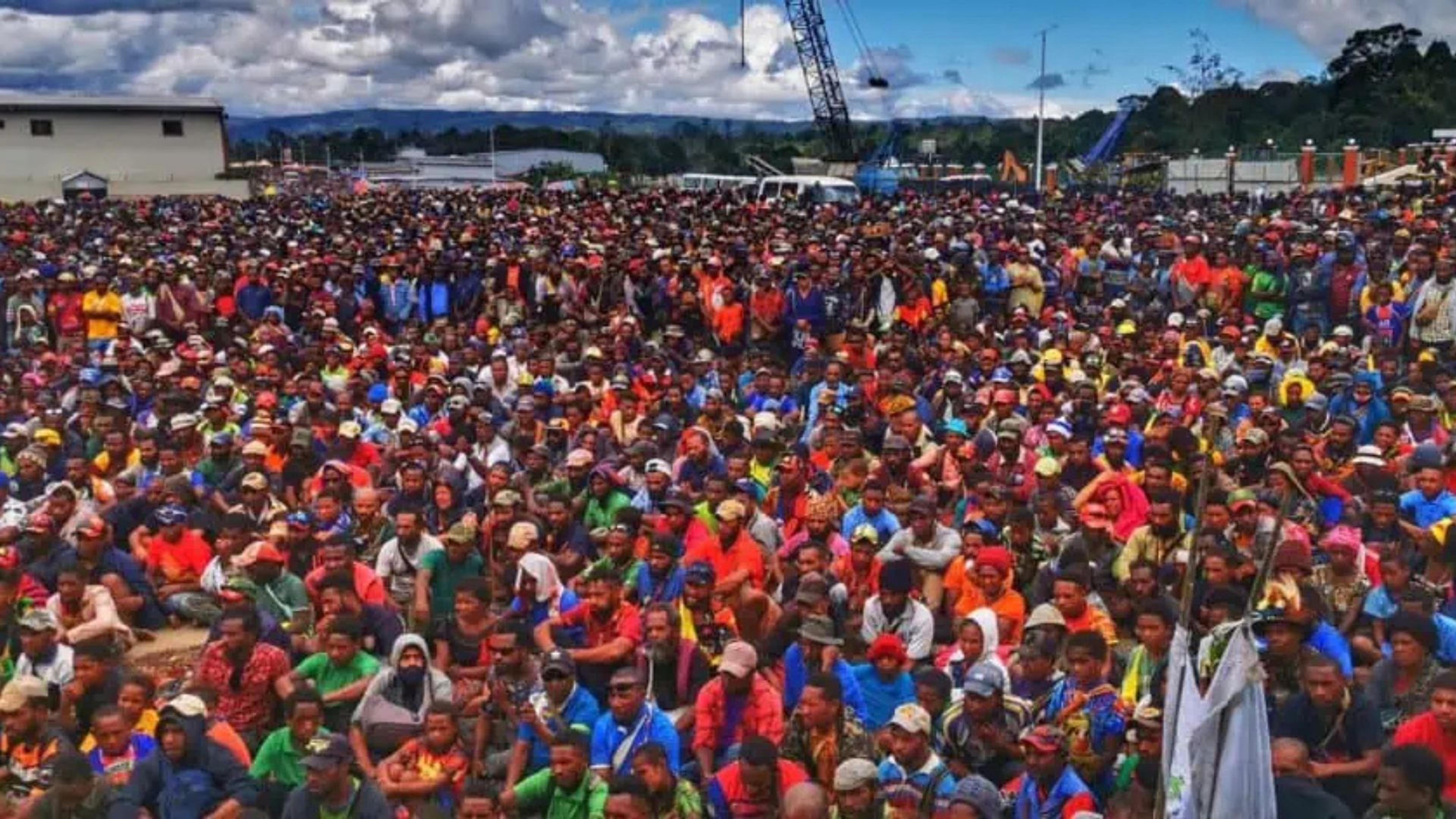
Papua New Guinea's population reaches 10.18 million with rapid growth putting increasing pressure on health, education and other essential services.
Photo/Supplied
Prime Minister James Marape says a new policy will target unplanned pregnancies as rapid population growth puts growing pressure on schools, hospitals and household finances.


Papua New Guinea is moving towards a national policy that would encourage families to have no more than three children, as the country's population passes 10 million.
Prime Minister James Marape says the policy is needed to slow a population growth rate of 2.6 per cent a year and ease pressure on basic services.
PNG's National Statistics Office puts the population at 10.18 million as more than 180,000 people are being added each year.
Marape announced the policy while visiting the maternity wing of the newly opened Dr Kaven Memorial Hospital at Palmalmal Station in East New Britain.
"This is to ensure that there is prevention of unplanned pregnancies and births, and families will be encouraged to have no more than three children," Marape said of the new policy.
The government says the rapid increase is placing critical strain on infrastructure, schools and health services.
For rural families, Marape also says managing the birth rate could help reduce the economic pressure of supporting larger households and improve the wellbeing of mothers.
The policy is being framed as a national family-planning measure than a legal limit on the number of children a family can have.
But the announcement raises important questions about how the government plans to turn the target into action especially across PNG's large rural and remote communities where even basic healthcare remains difficult to access.
Speaking in Palmalmal, local resident Paul Bavai described the challenges families in inland Pomio have faced in reaching medical care.
"Before the hospital was built, our people found it very difficult to get medical treatment. Most of the time they had to travel by boat or ship from Pomio to Kokopo just to see a doctor or receive treatment," Bavai told The National.
"The cost of travelling was also a challenge for many families because they could not always afford the boat and ship fares."
His comments highlight one of the central challenges for the proposed policy: encouraging family planning will depend not only on the government's recommendation but also on whether people in remote communities can access contraception, information and reproductive healthcare.
The government has not yet set out details of how the policy will be administered, whether families will receive incentives to follow the three-child recommendation, or what services will be provided to help prevent unplanned pregnancies.
It has also not outlined how the policy will work alongside the country's existing health and family-planning services.
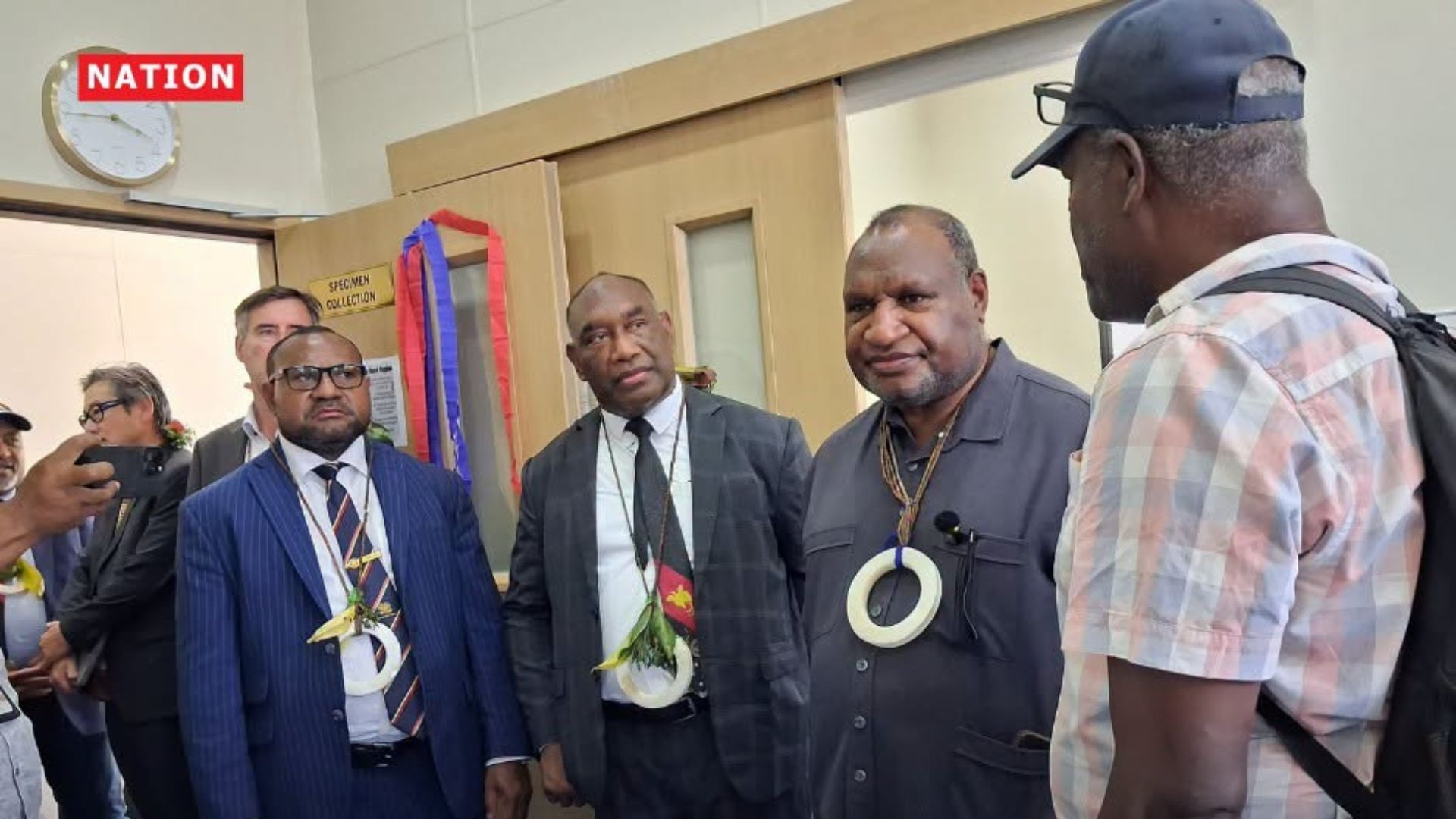
PNG Prime Minister James Marape has announced a national family-planning policy that will encourage families to have no more than three children. Photo/Facebook
That detail will be important in a country where access to healthcare can vary widely between urban centres and remote communities.
The government's three-child recommendation also raises questions about how family planning will be delivered and whether women and families will have meaningful access to voluntary reproductive health services.
Anjelique Giranah, Country Director, Marie Stopes Papua New Guinea Country Director Anjelique Giranah says the focus should be on ensuring women and families have the information, services and freedom to make their own decisions.
"It is about supporting a dedicated team, strengthening partnerships, and contributing to a future where women and families across Papua New Guinea can access the services, information, and choices they need to determine their own futures," Giranah said.
That puts the emphasis on access to contraception, informed choice and locally available services - issues that will be critical if the government's proposed policy is to move beyond a national target and into practice.
Marape says controlling the birth rate is part of a longer-term economic plan.
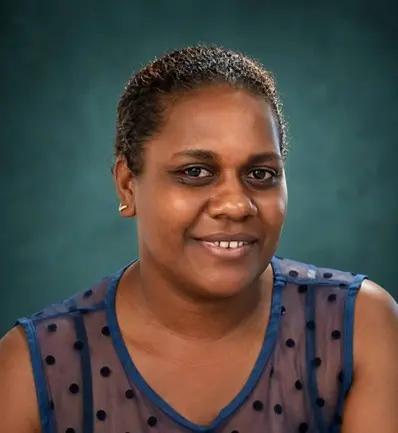
Anjelique Giranah says women and families need access to information, services and choices to determine their own futures. Photo/mariestopespng.org.pg
According to him, managing the birth rate is essential for generating a long-term positive economic impact for families and protecting the wellbeing of mothers throughout the country."
The policy comes as PNG faces the challenge of providing services for a rapidly growing population.
An additional 180,000 people a year means more demand for classrooms, teachers, health workers, hospitals, housing and other infrastructure.
The government says reducing unplanned pregnancies is one way of easing that pressure while giving families more control over the size of their households.
But Marape believes the success of the policy will depend on what happens beyond the announcement including access to contraception, information and healthcare, and how the three-child recommendation is received by families and communities.
For now, Marape has set the direction. The next step is for the government to explain how its proposed family-planning policy will work in practice.