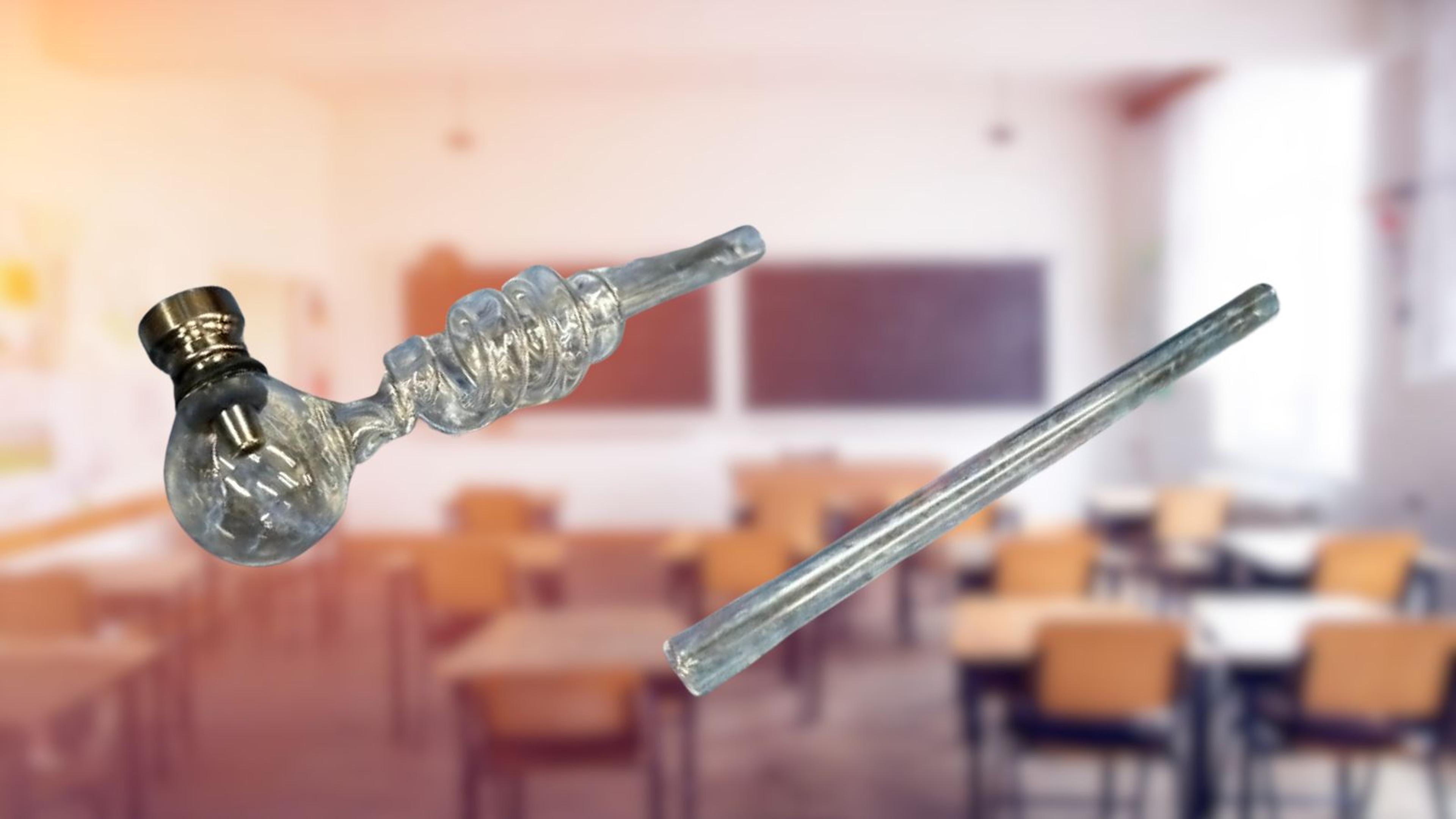
A glass pipe and replacement glass tube sold at a South Auckland vape store near several schools and early childhood centres.
Photo/PMN News composite.
Local Democracy Reporting
Glass pipes sold near Tāmaki Makaurau schools spark concerns
Sale of glass pipes near South Auckland schools has reignited debate on whether councils should have greater powers to regulate local businesses.

Taelegalolo'u Mary Afemata
Published
17 July 2026, 3:00pm
Share
Copy Link
Top stories
Tongan researcher tracks Pacific quakes as seismic activity rises
Khalia StrongTue, 25 Aug
Top stories
Tongan researcher tracks Pacific quakes as seismic activity rises
Khalia StrongTue, 25 Aug
The availability of glass pipes at a vape store near several South Auckland schools and early childhood centres has raised questions over whether councils need more teeth to control products sold in their neighbourhood.
In June, the Government announced plans to review of the Misuse of Drugs Act after reports of meth pipes and other drug paraphernalia being sold in vape stores, dairies and $2 shops across Northland.
Concerns were recently sparked in South Auckland after a resident posted in a local community Facebook group of a local shop selling glass pipes.
The resident said they asked a staff member whether the shop sold "crack pipes" and was told yes.
Local Democracy Reporting visited the business on two occasions and observed glass pipes and replacement glass tubes displayed for sale in the attached vape store.
A member of the public also provided photographs of a glass pipe and a replacement glass tube that had been purchased from the store.
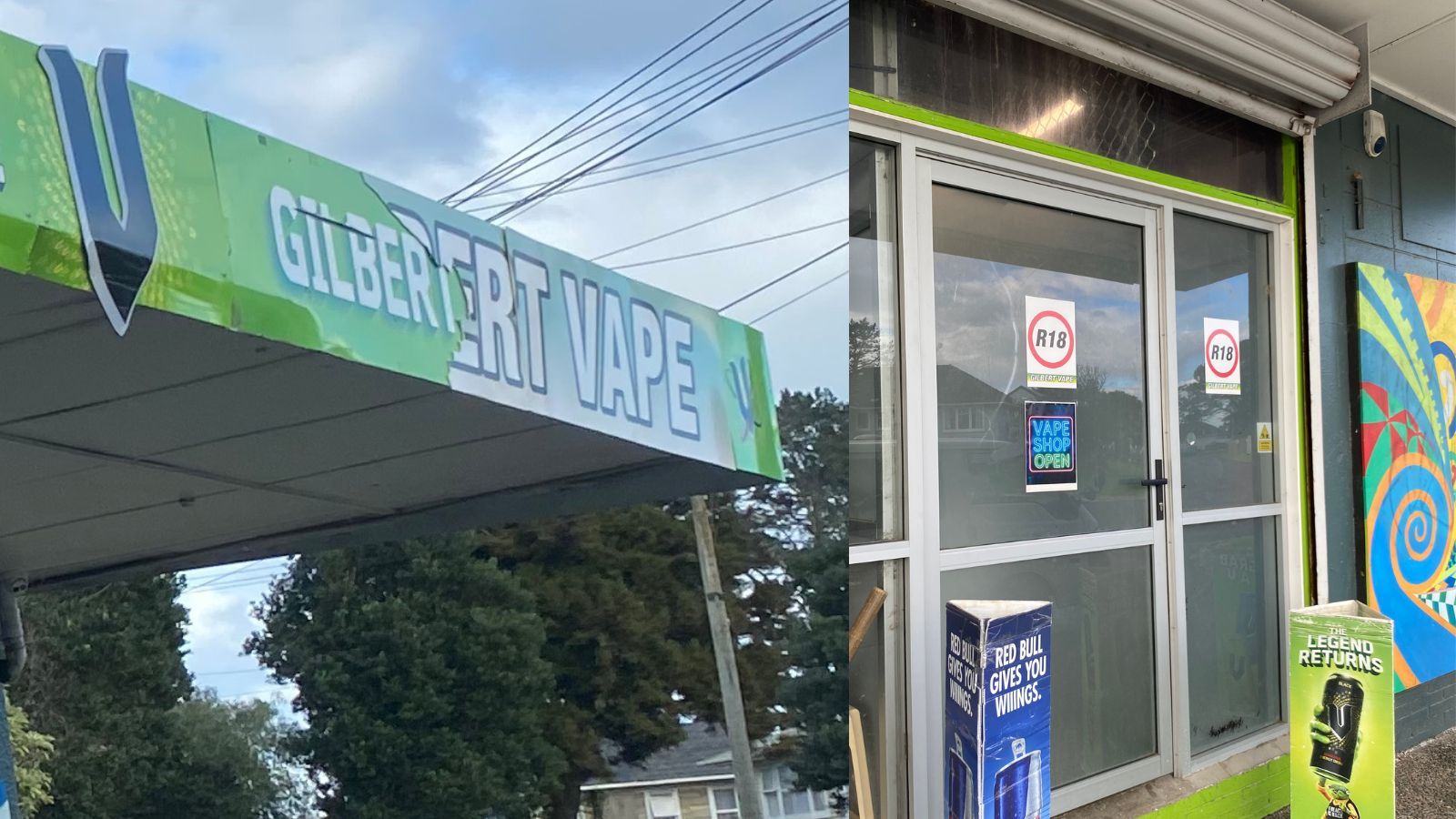
Gilbert Vape in Ōtara, where glass pipes and replacement glass tubes were observed on display for sale. Photo/PMN News/Taelegalolo'u Mary Afemata
Apulu Reece Autagavaia, chair of the Ōtara-Papatoetoe Local Board, said he would seek advice from council staff on whether Auckland Council had any bylaws or powers over the sale or location of the products.
"From a community point of view, as a parent of young teenagers, that's not the sort of stuff that you want to see sold at your corner dairy.
"It really does give an impression that this is normal in the community, and it shouldn't be.
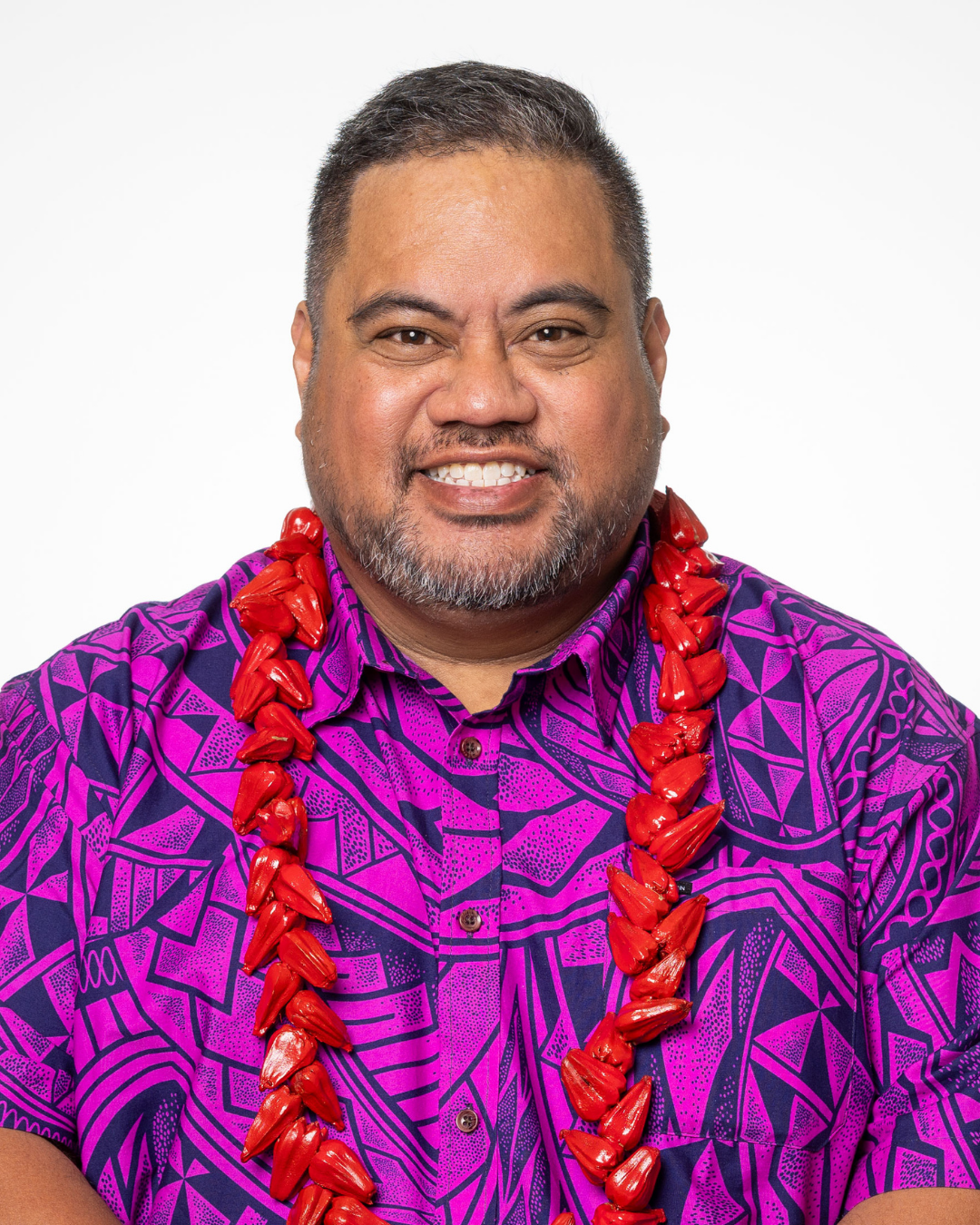
Ōtara-Papatoetoe Local Board chair Apulu Reece Autagavaia says he will seek advice on whether Auckland Council has any bylaws or powers relating to the sale or location of drug paraphernalia. Photo/Auckland Council.
"I know the nickname is 'crack pipe' and so that gives connotations already of abuse of illicit drugs and so forth. I think there's a real issue about, more morally, what shop owners sell in our local areas."
Apulu said even if the products could legally be sold, businesses should consider the impact their decisions had on the communities they served.
"It might turn out legally they can, but whether they, as part of the community, take responsibility and say, 'Actually, we own a business in this area, we communicate and interact with the locals, and this is not the community we want to build by selling that sort of stuff.'"
He said the sale of the products near schools was particularly concerning.
"As a community, let's not normalise these sorts of things, especially if kids are coming in and out of those shops."
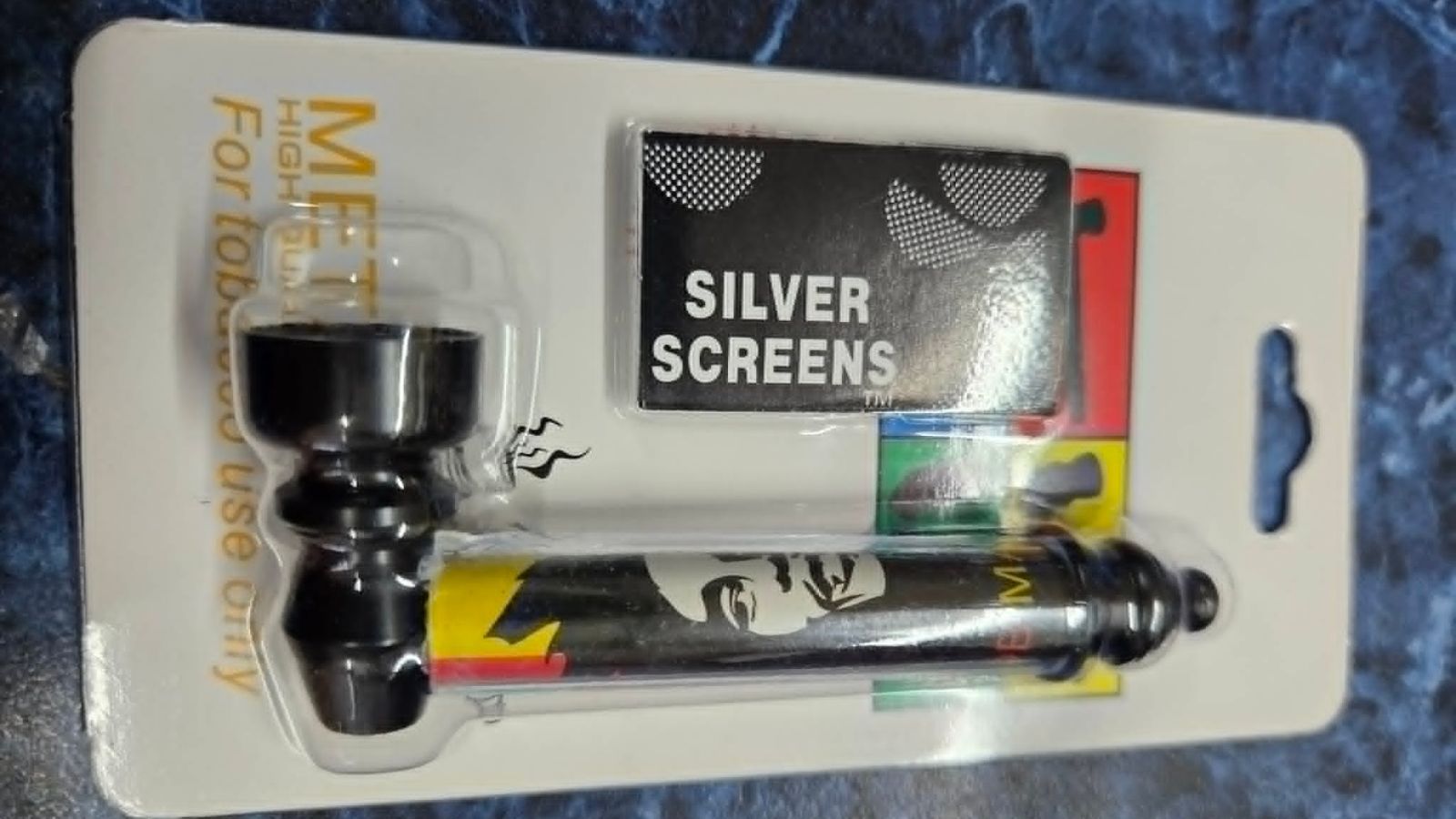
A metal pipe displayed for sale in packaging at the South Auckland vape store. Photo/supplied.
Apulu said the issue raised questions about whether communities should have more say over the types of businesses operating in their neighbourhoods.
He said local boards had long called for communities to have greater input into where vape shops can operate, similar to alcohol licensing.
However, he acknowledged the regulatory powers largely sit with central government rather than Auckland Council.
"I'd love for our community, whether it's through Ōtara Network Action Committee, to put public pressure on those store owners," he said.
"As parents, as concerned residents, we don't want to see these types of products sold,” he said.
Local Democracy Reporting approached the business, Gilbert Vape, multiple times for comment.
A spokesperson responded: "My client is committed to working with the local community to address any issues or concerns that the local community [have]."
Police were also approached for comment, but could not respond by deadline. Police Minister Mark Mitchell has also been approached for comment.
LDR is local body journalism co-funded by RNZ and NZ On Air.