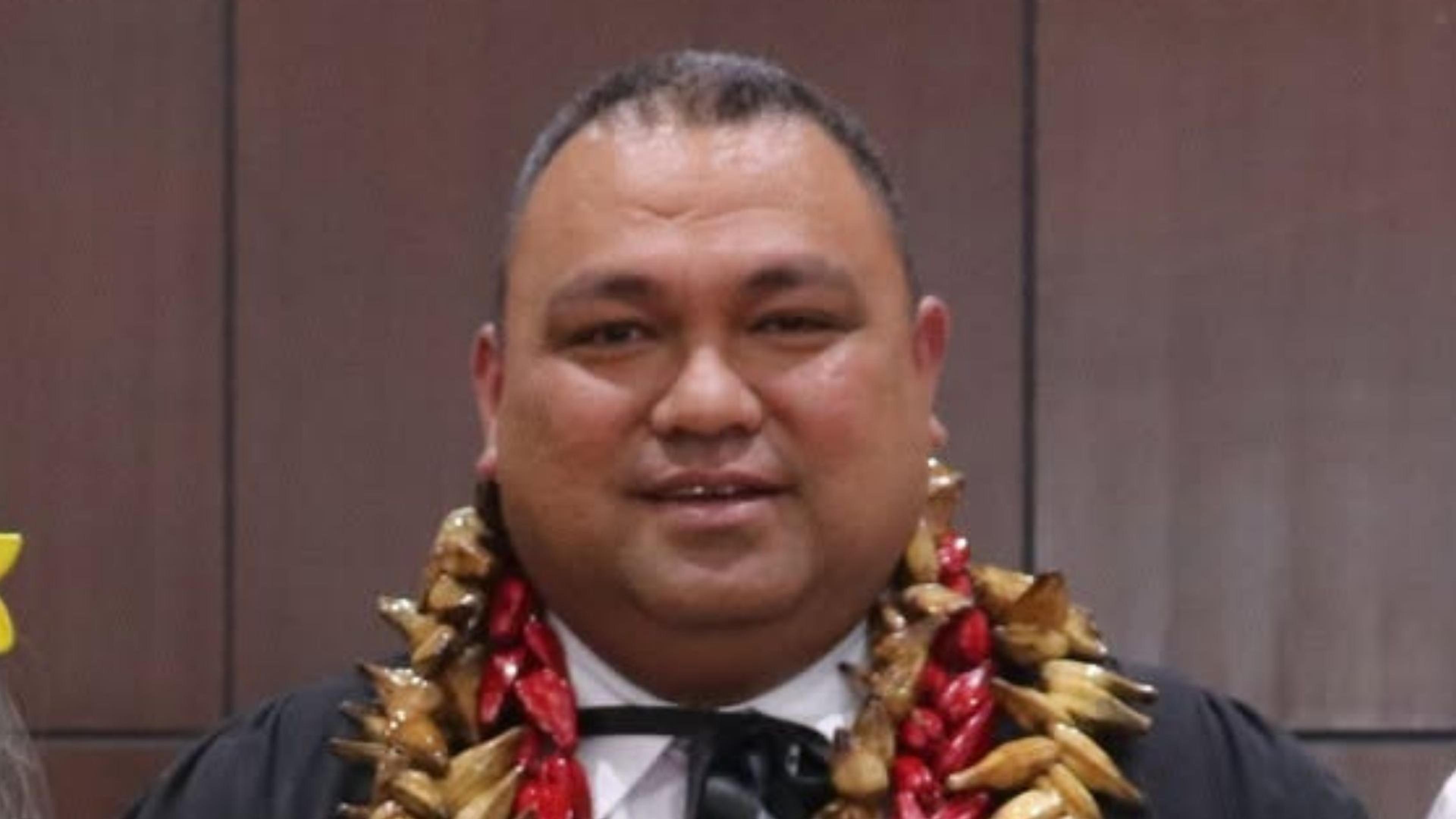
Papali'i John Tamailelagi, Chief Executive Officer of Sāmoa's Ministry of Justice and Courts Administration, says four Sāmoan children returned from New Zealand are receiving counselling and support after suffering abuse.
Photo/Ministry of Justice & Courts Administration, Samoa
Pacific Region
Sāmoan children sent home after Aotearoa adoptions as officials uncover vetting failures
The Sāmoa government says some prospective adoptive parents allegedly used fake online photos during the adoption process.

Christine Rovoi
Published
17 July 2026, 4:29pm
Share
Copy Link
Top stories
PNG Chiefs win first round against New Zealand Rugby
Christine RovoiSat, 17 Oct
Pacific families must work four days to afford basic food: World Vision
Thomas Tarurongo WynneFri, 16 Oct

Sāmoa demolish France in record-breaking 78-4 RL World Cup opener
Christine RovoiFri, 16 Oct
Top stories
PNG Chiefs win first round against New Zealand Rugby
Christine RovoiSat, 17 Oct
Pacific families must work four days to afford basic food: World Vision
Thomas Tarurongo WynneFri, 16 Oct
Sāmoa demolish France in record-breaking 78-4 RL World Cup opener
Christine RovoiFri, 16 Oct
Four Sāmoan children adopted by New Zealand families have been returned home after suffering abuse, according to Sāmoa's Ministry of Justice and Courts Administration.
The move has prompted renewed scrutiny of the adoption process between Sāmoa and Aotearoa.
According to Talamua Media in Apia, the children, aged 12, 16, 18 and 20, returned to Sāmoa last year after authorities confirmed they had been abused by their adoptive families.
PMN News has not independently verified the individual cases.
The Chief Executive Officer of Sāmoa's Ministry of Justice and Courts Administration, Papali'i John Tamailelagi, told Talamua that the children are receiving counselling and support to help them recover from their experiences.
He said the abuse suffered by the youngest child was particularly severe.
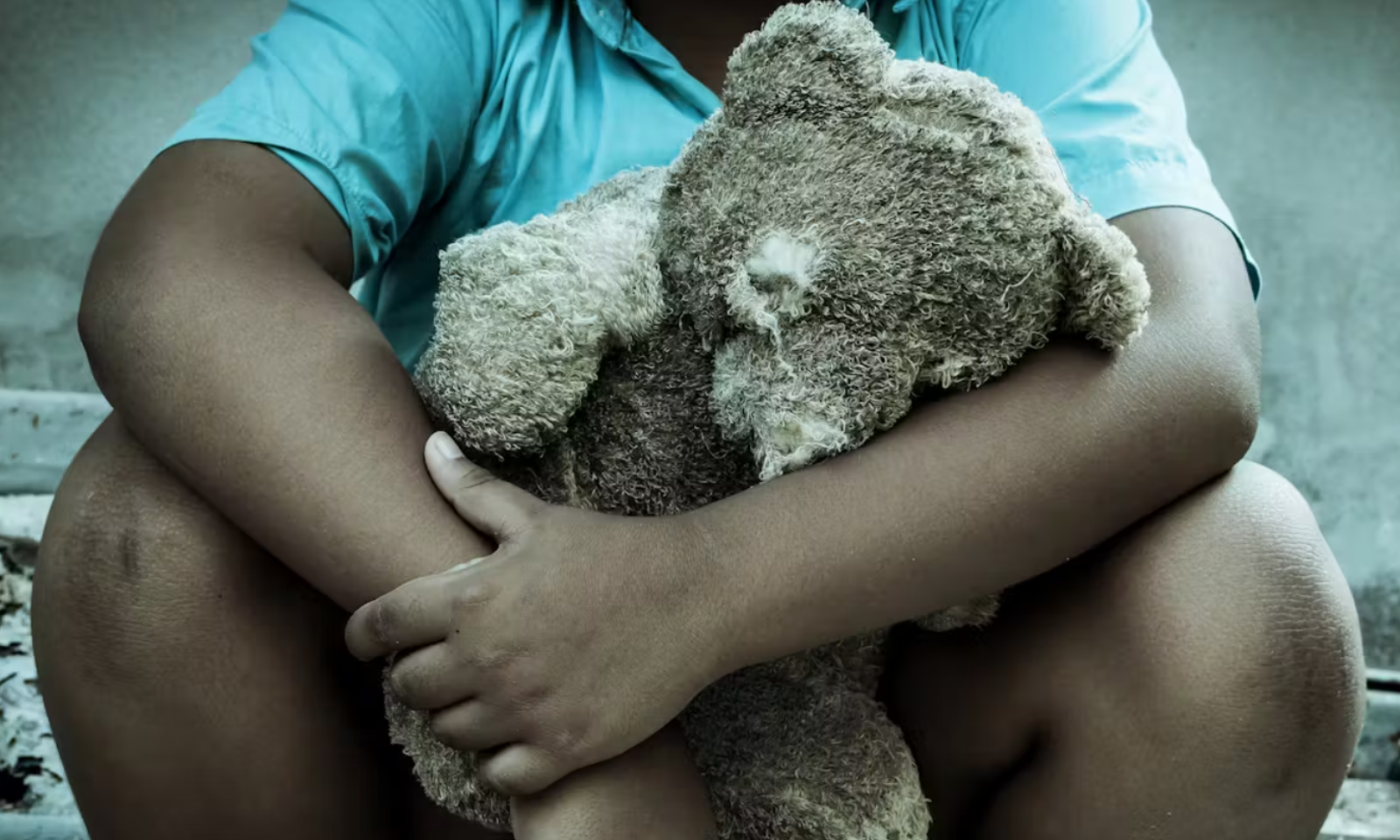
The case has renewed attention on cross-border adoptions between Sāmoa and New Zealand, with authorities on both sides working to strengthen safeguards to better protect children. Photo/shutterstock/Pikul Noorod
"They need care and that is where the Ministry of Health, Ministry of Education and other appropriate sectors come in to ensure these children are well taken care of," Papali'i said.
He said concerns over the treatment of Sāmoan children adopted in New Zealand had already led the New Zealand Government to temporarily suspend adoptions in September 2025.
"The Sāmoan adoption process is that after the court grants the adoption, the child becomes a New Zealand citizen and the biological parents' rights to the child revoked.
Watch the opening of the Sāmoa-New Zealand intercountry adoption meeting in Apia last week.
"New Zealand is concerned that some adopted children from Sāmoa have been abused and some treated as slaves and these issues prompted the New Zealand Government to suspend adoptions temporarily in September 2025," Papali'i said.
New Zealand Associate Justice Minister Nicole McKee said the Adoption Amendment Act 2025 was introduced as a temporary measure to stop immediate harm while permanent reforms were developed.
She said the new Overseas Adoptions Legislation Bill would create a long-term system with stronger safeguards for children.
“We acted urgently last year because our laws were being exploited and children were being put at risk,” her statement read.
McKee said while many international adoptions resulted in children joining loving families, the previous system lacked important protections.
"Many of the international adoptions each year saw children adopted into loving families, but our laws lacked basic safeguards. That meant some children were adopted into homes where they were neglected, abused, or exploited. That is simply unacceptable."
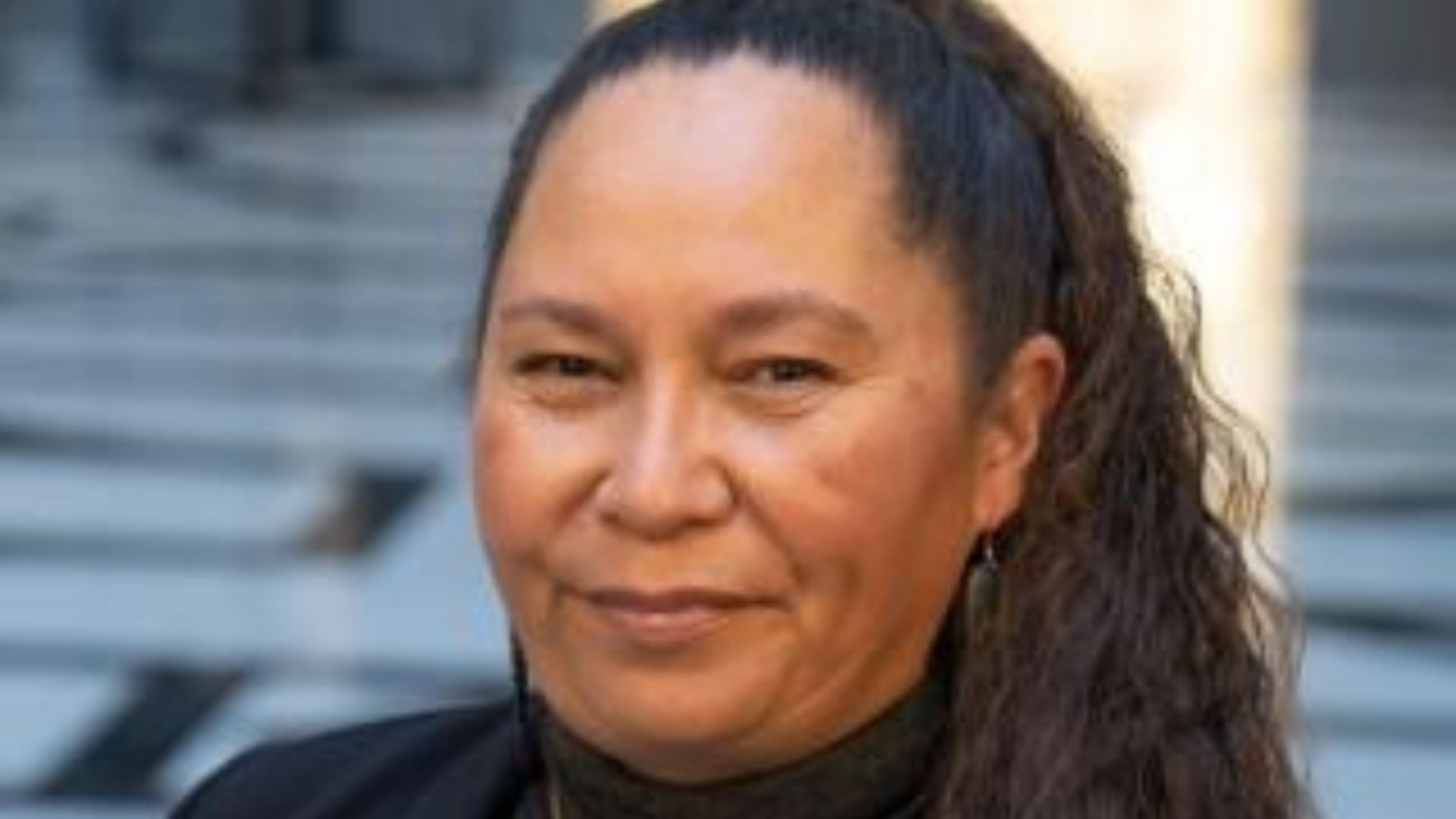
Associate Justice Minister Nicole McKee says New Zealand strengthened its overseas adoption laws after concerns the previous system did not provide enough safeguards to protect children. Photo/beehive.govt.nz
She said the gaps in the system had allowed some unsuitable people to adopt children overseas.
"Like most New Zealanders, I was disgusted to learn the system allowed people with known criminal or care and protection histories to adopt children overseas and bring them here," McKee said.
She also acknowledged authorities did not know the full extent of abuse under the previous system.
"We don't know how many of these children are being abused... However, if just one child is being abused in this way, this government feels that we need to put a stop to it."
New Zealand’s Chief Children’s Commissioner, Dr Claire Achmad, said any future changes must protect children while also recognising Pacific cultural practices around caring for children.
"I'm very mindful of the realities of customary adoption for some of our Pacific communities. Pasifika voices are important in shaping how the law works in practice."
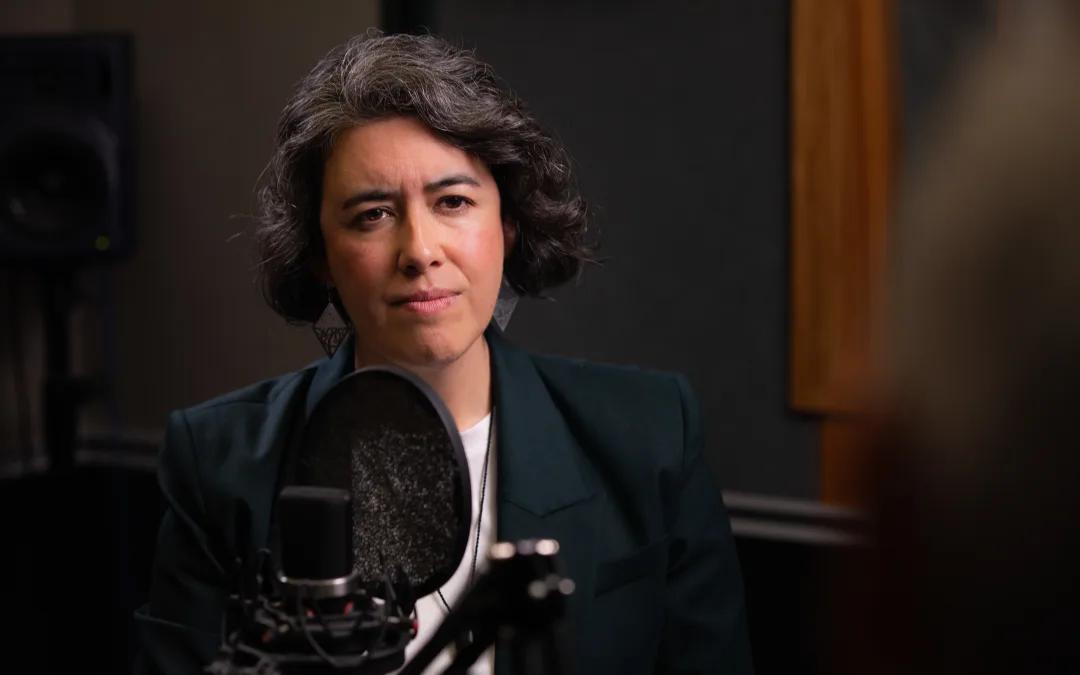
New Zealand's Chief Children's Commissioner, Dr Claire Achmad, says future adoption reforms should protect children while recognising Pacific customary adoption practices and ensuring Pacific voices help shape the law. Photo/RNZ/Cole Eastham-Farrelly
Achmad said future reforms would need to balance child protection with the importance of Pacific cultural practices around caring for children.
While New Zealand and Sāmoa have been working together to strengthen cross-border adoption safeguards, Papali'i told Talamua Media the problems extended beyond policy gaps.
He said officials had uncovered cases where photographs taken from the internet were submitted as part of adoption applications including the use of photographs taken from the internet to misrepresent homes.
He said some children later suffered abuse after arriving in New Zealand. Papali'i also said serious weaknesses in the way some adoption applications were checked.
He said some prospective adoptive parents had submitted photographs of homes and bedrooms that appeared suitable for a child, only for officials to discover the images had been taken from the internet.
"There are families who have submitted very nice home and bedroom for the adopted child, but some of these photos are from the internet.
"When we google the address, the photo that appears is very different from the one submitted in the applications," he said.
The Sāmoan authorities are now calling for stronger background checks, including criminal record checks, and better monitoring after children leave Sāmoa.
Papali'i said adoption cases should not simply end once a court approves an application.
"We need to work on a process that abuse and other issues will not happen again, and we need to check the adopted parents background if they have any criminal records," he said.
Papali'i said Aotearoa had recorded more cases involving mistreated adopted Sāmoan children than Australia and the United States.
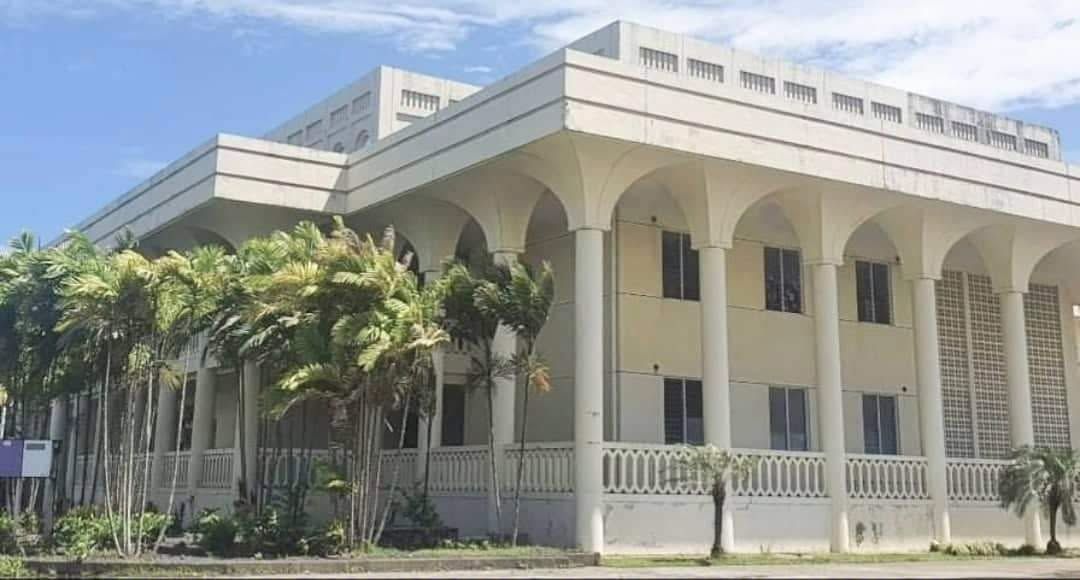
The Ministry of Justice & Courts Administration in Apia: Sāmoa is seeking stronger background checks and better monitoring of overseas adoptions to help prevent abuse and better protect children. Photo/Ministry of Justice & Courts Administration, Samoa
He also acknowledged that New Zealand authorities have said there is no complete data on the overall scale of abuse because many overseas adoptions were not tracked after children arrived.
Papali'i said Sāmoa receives about 10 adoption applications each week, with the courts making decisions based on the child's best interests.
Some of the children who have returned now want to reunite with their biological families.
Papali'i said that will require an application to discharge the adoption order and careful preparation involving both families and government agencies.
Although an adoption order can be discharged, the children keep their New Zealand citizenship and their Sāmoan citizenship.
New Zealand temporarily suspended the recognition of overseas adoptions from Sāmoa in September 2025 after concerns that gaps in the system left some children vulnerable to neglect, exploitation and abuse.
Before the suspension, adoptions approved by Sāmoan courts could be recognised in Aotearoa without the same level of oversight by New Zealand authorities.
The temporary suspension is due to remain in place until July 2027 while Sāmoa and New Zealand work on stronger information-sharing, background checks and safeguards to better protect children.
The New Zealand Government has introduced the Overseas Adoptions Legislation Bill to Parliament, which would permanently replace the temporary suspension introduced in 2025.
If passed, the reforms would tighten how overseas adoptions are recognised and strengthen safeguards for children.