High blood pressure a silent killer, Solomon Islands calls for stronger action
Lachlan EddieFri, 23 Oct
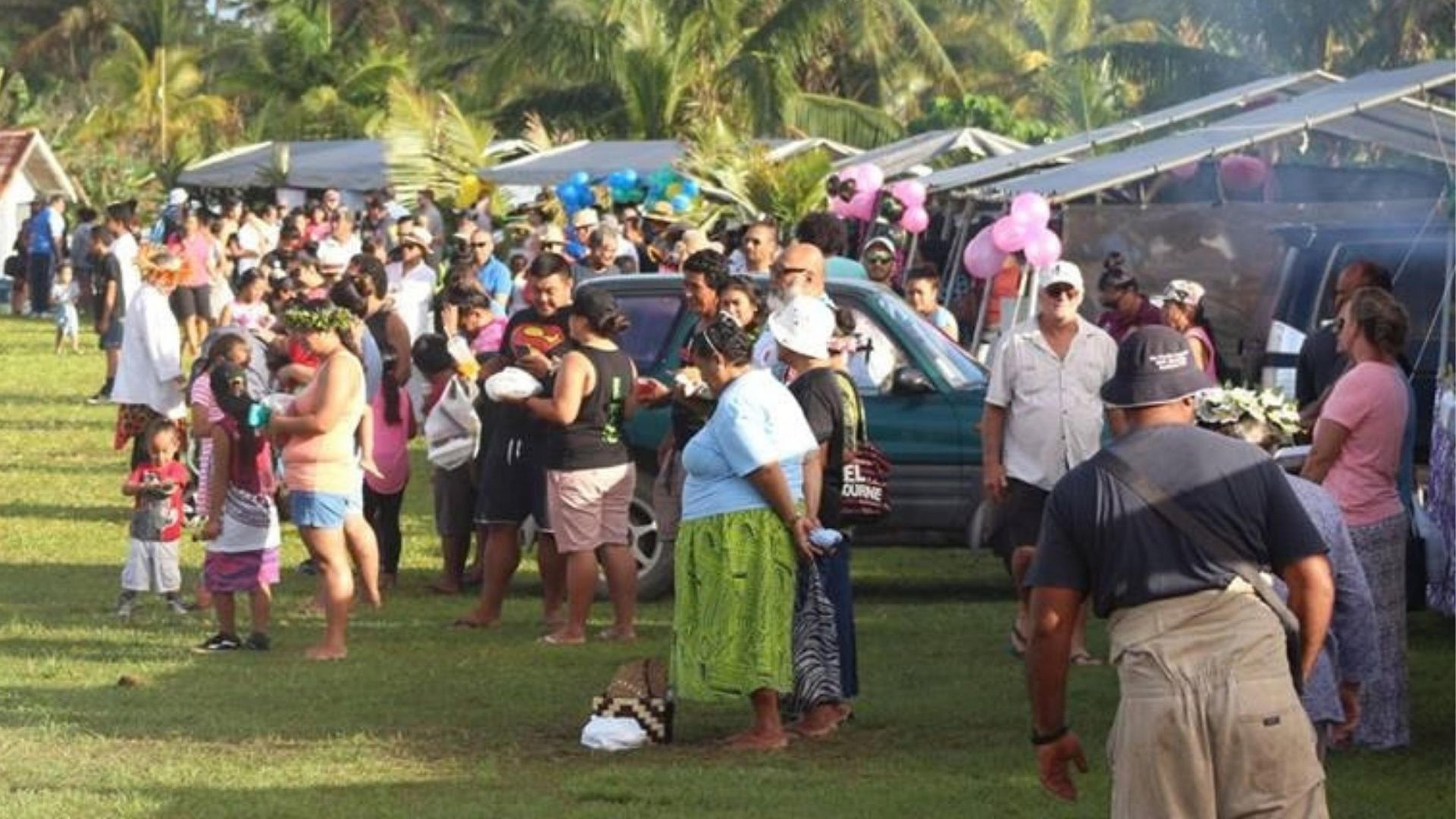
Niuean health officials are reassuring the community after two HIV cases were confirmed this week.
Photo/Niue Statistics Office/file
Authorities in Alofi say both people are receiving treatment and support with counselling, contact assessment, and testing already under way.




Niue health officials are reassuring the community after two HIV cases were confirmed this week, saying the risk to the wider public remains low.
The Niue Department of Health says both people are receiving medical care, treatment and support, with public health measures put in place following confirmation of the cases.
Those measures include counselling, contact assessment, testing and ongoing clinical follow-up.
Health Minister K Sinahemana Hekau says the health team acted quickly after the cases were confirmed.
“Our Health Team responded quickly following confirmation of these cases. Appropriate treatment and monitoring are already underway, and all necessary public health measures have been put in place.
"While we understand this news may cause concern, the public can be reassured that appropriate safeguards are in place, and the situation is being closely monitored.”
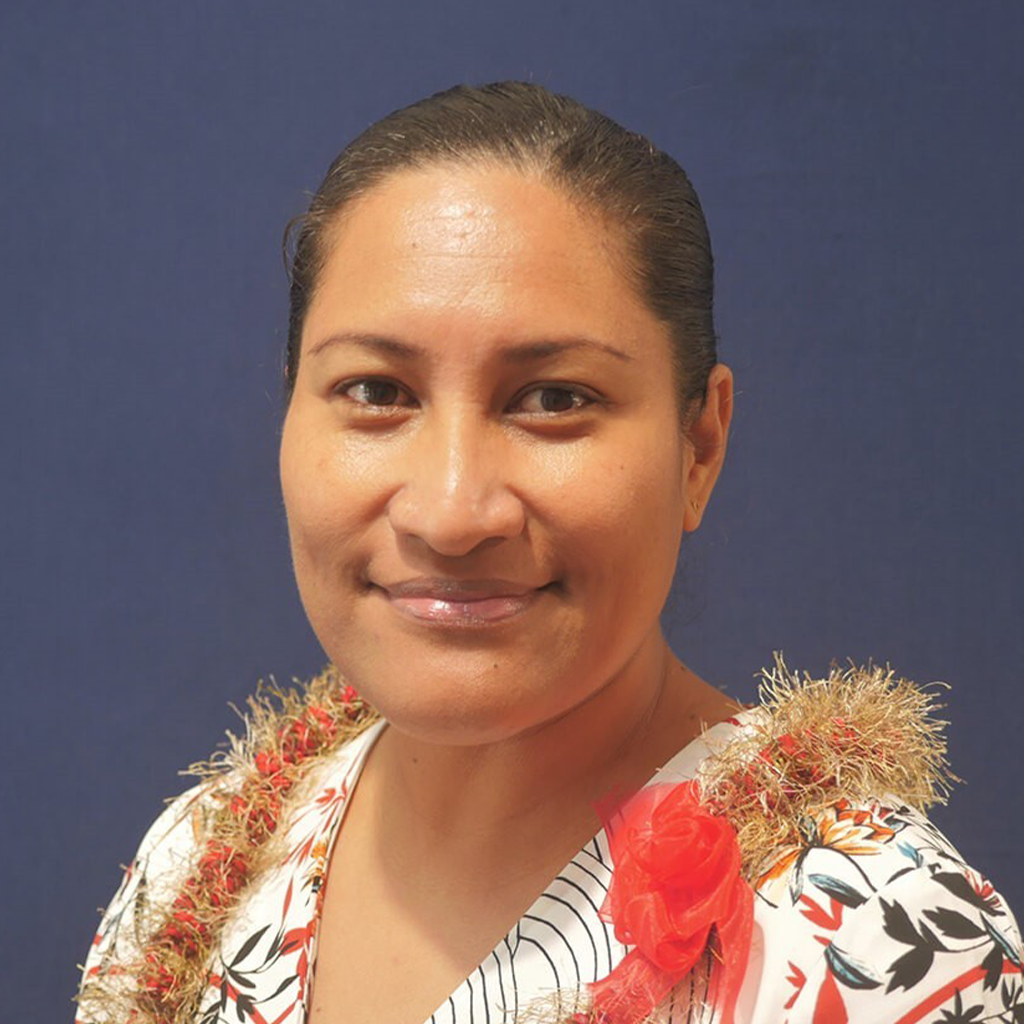
Niue Health Minister K Sinahemana Hekau says the island’s health team responded quickly after two HIV cases were confirmed this week, with treatment and public health measures now in place. Photo/Government of Niue
Acting Director of Health, Minerva McCurdy Ikimau, says HIV can be managed with modern treatment.
“HIV is a manageable medical condition. Modern treatment allows people living with HIV to live long, healthy, and productive lives. Individuals receiving effective treatment can achieve viral suppression...”
The Niue cases come as other Pacific countries strengthen their HIV responses although health authorities have stressed that the situation varies between countries.
Listen to Fijian academic Dr Akisi Ravono's full interview on Pacific Mornings below.
Fiji declared a national HIV emergency in September after recording 2016 new diagnoses in 2025. UNAIDS estimate about 9100 people were living with HIV in Fiji last year.
Only 39 per cent knowing their status and 22 per cent accessing antiretroviral treatment.
The government has expanded testing, prevention, treatment, and harm-reduction measures as it responds to the rise in cases.
Associate Professor Akisi Ravono, of the University of Fiji's School of Nursing, says community-based health support is an important part of that response.
“We have to approach this community outreach very, very fast. We have to mobilise nurses,” she told PMN News.
Sāmoa has also increased HIV surveillance, testing, prevention and community engagement after Fiji's emergency declaration. Its Ministry of Health says the move is precautionary and does not mean Sāmoa is experiencing the same situation as Fiji.
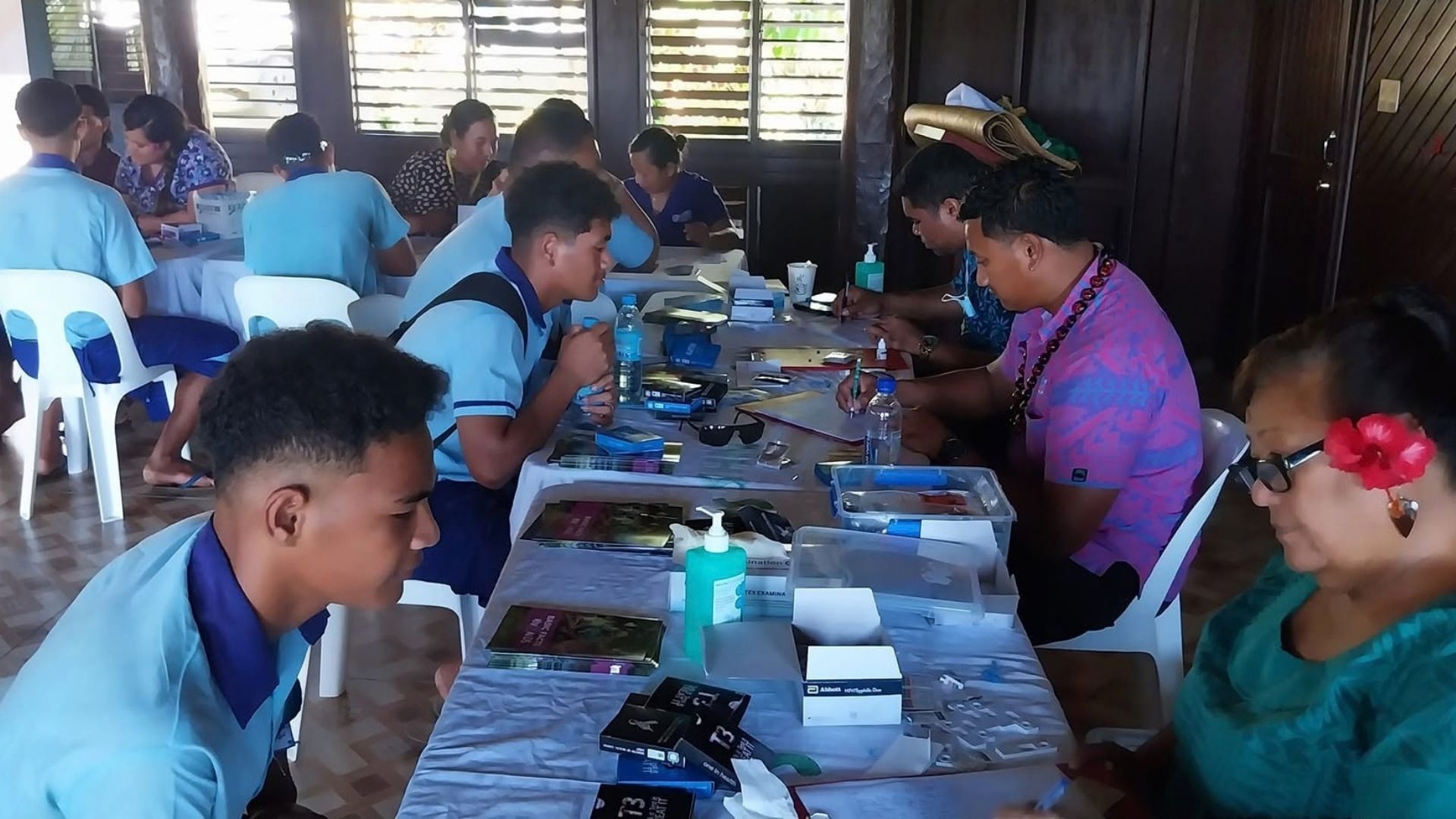
Sāmoa is strengthening its HIV preparedness, including surveillance, testing, prevention and community engagement, following Fiji’s declaration of a national HIV emergency. Photo/Facebook/Ministry of Health, Sāmoa
The ministry says 14 people are currently living with HIV in Sāmoa and they include 12 Sāmoan nationals and two foreign nationals. All 12 Sāmoan nationals are receiving antiretroviral treatment.
The ministry has also stressed the importance of protecting people living with HIV from stigma. “People living with HIV have the same rights to dignity, privacy, confidentiality and access to healthcare as everyone else,” the ministry said.
UNAIDS says Pacific countries are at different stages of their HIV epidemics but stronger surveillance, prevention, treatment and community-led responses can help countries identify changes early and respond quickly.
In Niue, the health department says the situation is being closely monitored and the necessary public health response is already in place.
Officials have not released further details about the two people, in keeping with their privacy.
Niuean authorities are urging the public to rely on official health information as the response continues.