
League: Kiwi Ferns eye end to the Jillaroos' World Cup dominance
Latonya LoleThu, 12 Nov
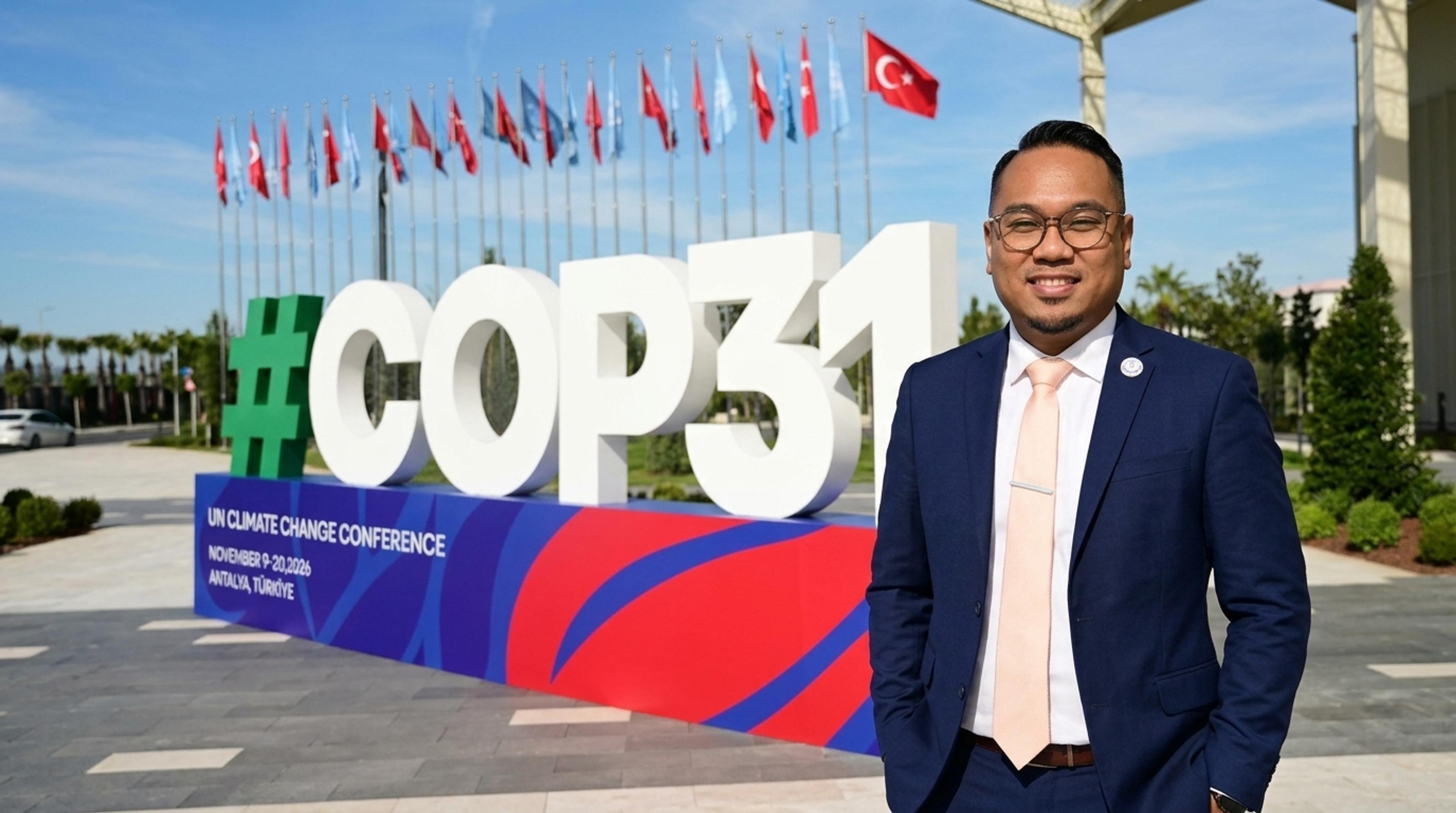
Marshall Islands Minister in-Assistance to the President and Environment, Jess Gasper Jr, warns that exceeding the 1.5°C threshold could put vulnerable Pacific communities at greater risk.
Photo/PMN News composite
As COP31 debates what happens if the world goes beyond the climate limit, Pacific leaders warn there is no easy way back for communities.



There is no such thing as a safe detour beyond 1.5°C.
That's the message from the Marshall Islands at the United Nations' 31st Conference of the Parties in Türkiye.
As COP31 turns its attention to what happens if global temperatures temporarily rise above the limit, the Pacific is making clear that even a short overshoot could carry a price that island communities cannot afford.
The message from the Marshall Islands is especially stark: its people cannot simply move somewhere else if climate change makes their homes harder to live in.
Minister in-Assistance to the President and Environment, Jess Gasper Jr, told media in Antalya this week that 1.5°C was about more than a number on a chart.
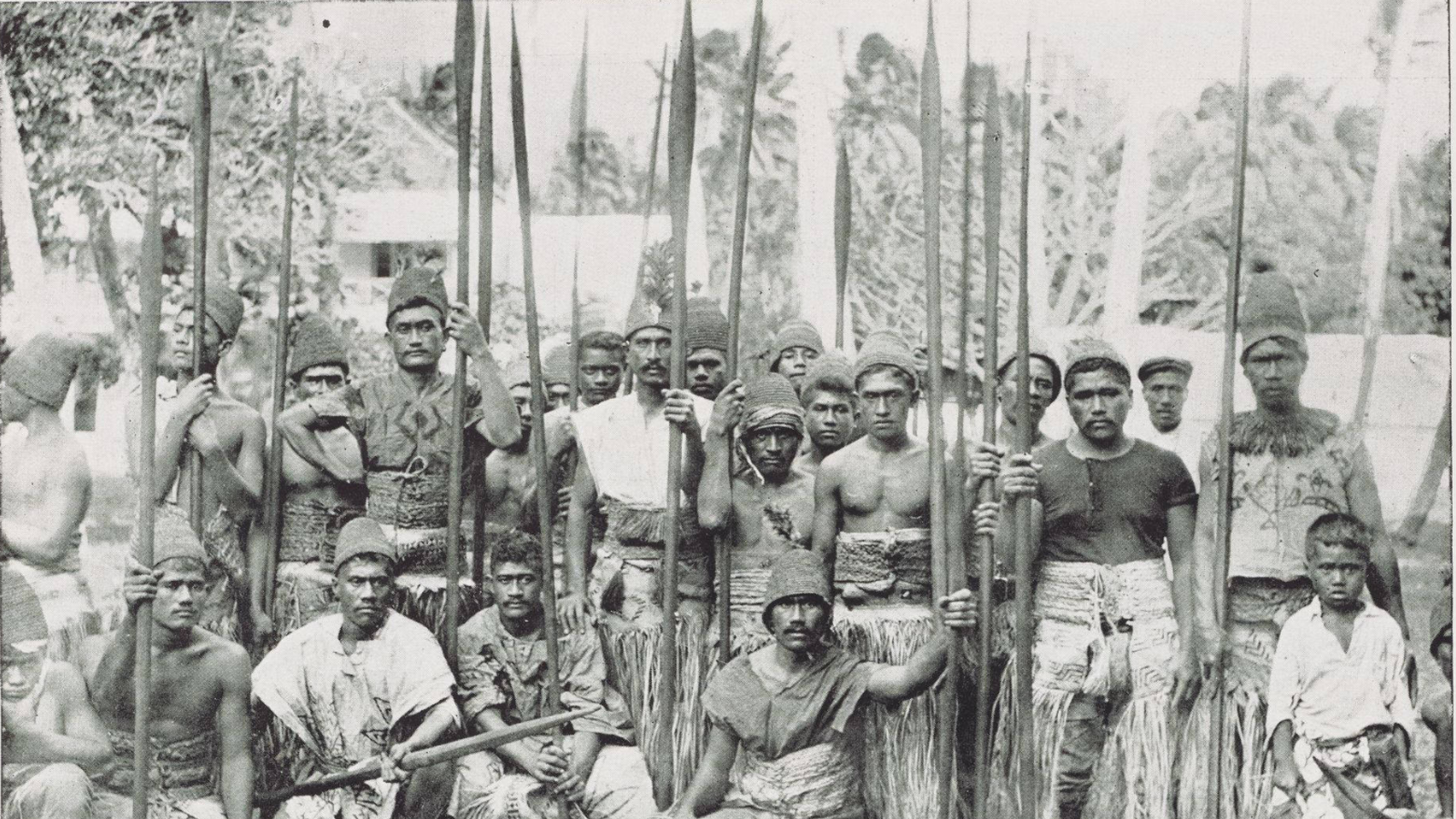
He linked the country's climate fight to its own history including the legacy of nuclear testing that forced people from Bikini and has kept them from returning home.
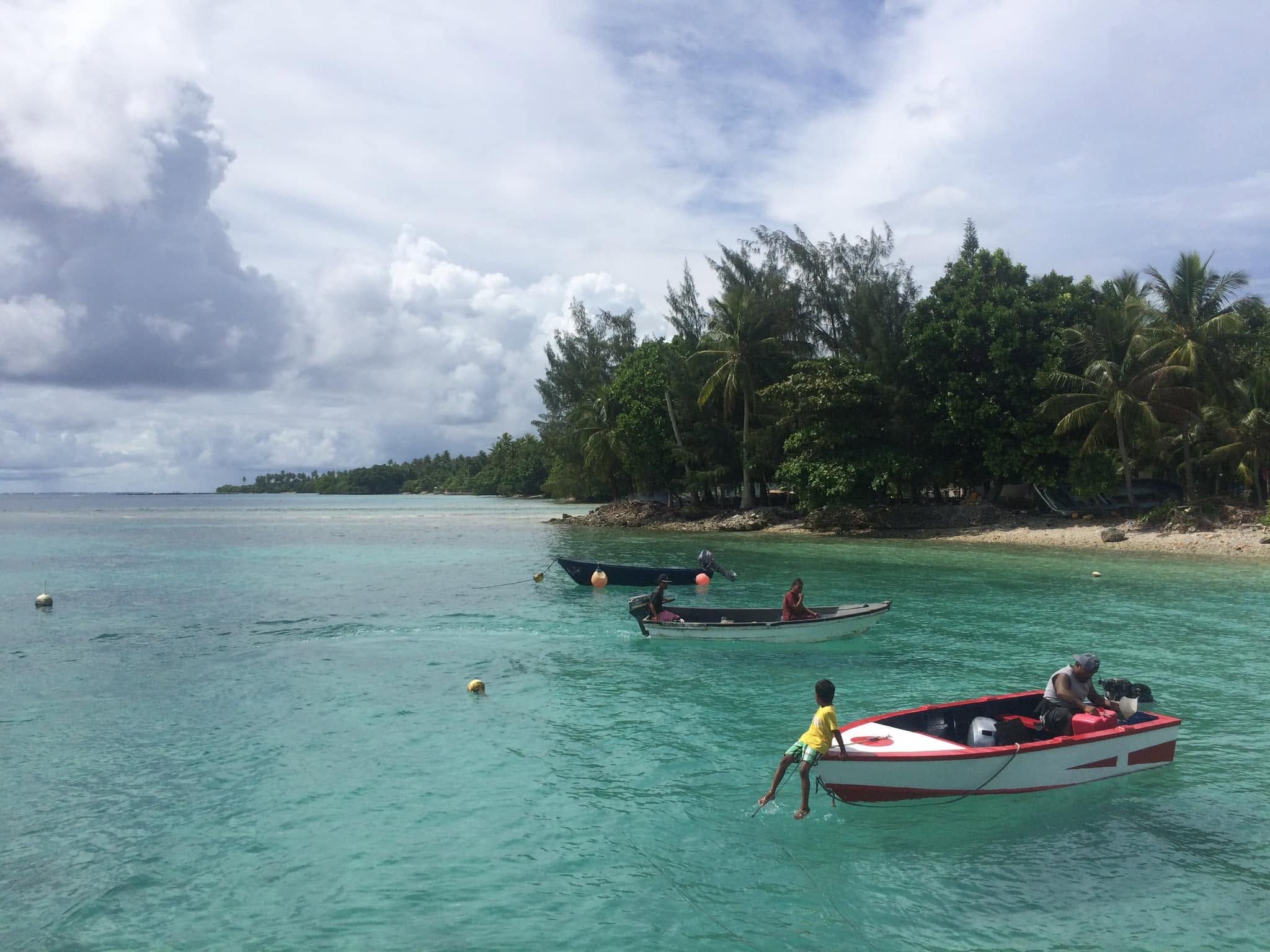
The Marshall Islands is warning against treating a temporary breach of the 1.5°C threshold as an acceptable climate pathway, saying relocation is not an option for its people. Photo/Facebook/A. Perez Voyages
Gasper says that history is a warning against allowing another generation of Marshallese to lose their homes because of decisions made elsewhere.
He stressed that relocation was not an option for the Marshall Islands because adaptation remains the country's priority.
That puts the Pacific's concern over overshoot into sharp focus as negotiators grapple with how to deal with a world that may temporarily move beyond the Paris Agreement's 1.5°C goal.
The COP31 Presidency is now also putting overshoot firmly on the table. In his address, Murat Kurum said countries must work to limit both the extent and duration of any overshoot and then bring temperatures back below the threshold.
“We must never give up on the 1.5-degree goal. The Paris Agreement continues to guide us. Our duty is to act swiftly to limit the temperature rise, minimise the extent and duration of any overshoot, and return below that threshold,” Kurum said.
The issue matters deeply to Pacific communities because the damage caused by warming does not necessarily wait for temperatures to come back down.
But the Pacific is also pressing COP31 to move beyond the debate over targets and show where the money and action will come from.
Pacific Islands Forum Chair and Palau President, Surangel Whipps Jr, says PIF leaders arrived in Antalya with a clear mandate from the Belau Declaration and are now looking for delivery.
“Our islands cannot afford another decade of promises. Every year of delay is measured in our coastlines, our reefs and our homes. In Palau, at the 55th Forum Leaders Meeting, we agreed that Pacific leadership must be shown through action, and we now ask the same of the world.
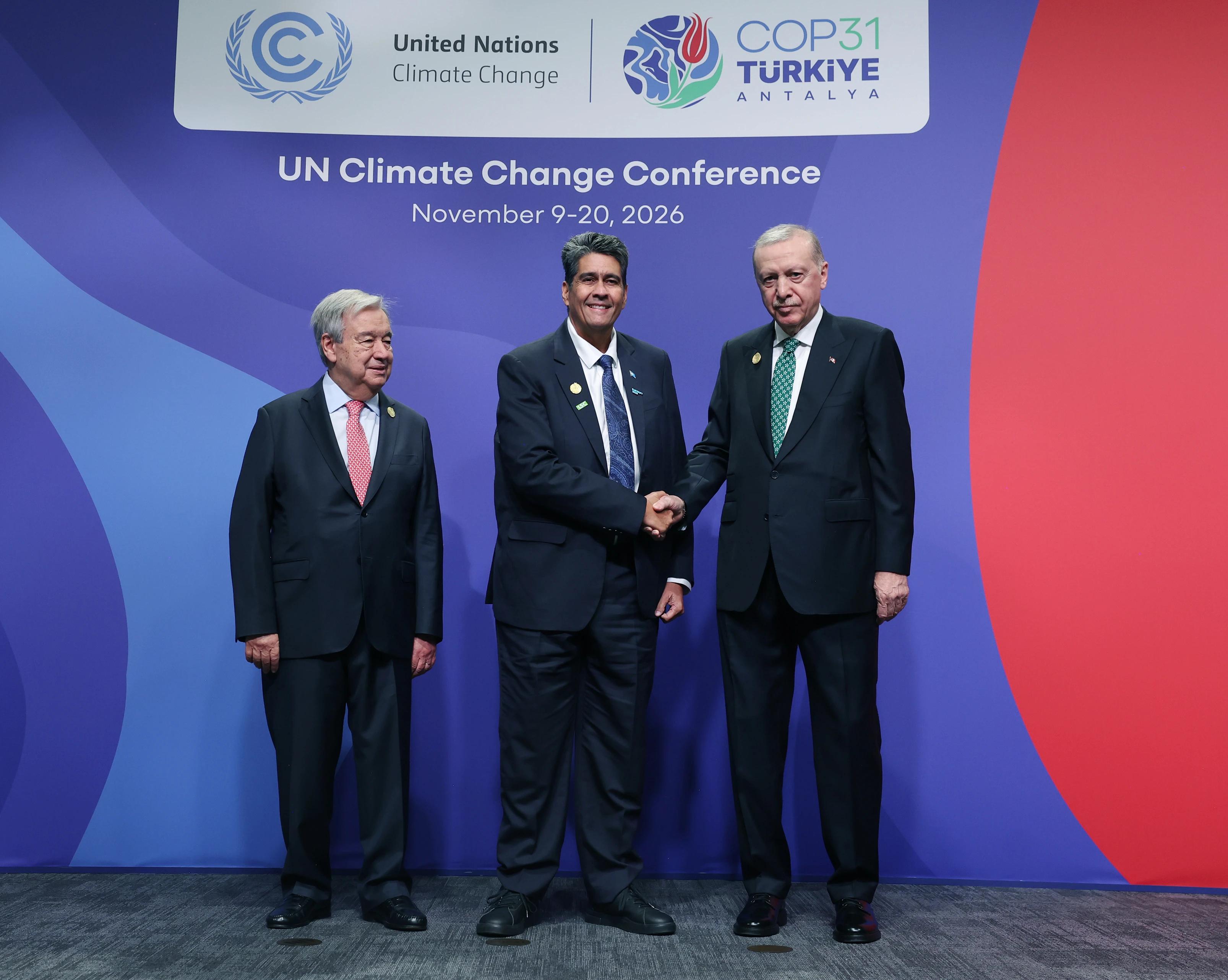
Pacific Islands Forum Chair and Palau President Surangel Whipps Jr, middle, meets Türkiye President Recep Tayyip Erdoğan, right, as UN Secretary-General António Guterres looks on. Whipps is calling on countries at COP31 to turn climate commitments into action and close the funding gap facing the Pacific Resilience Facility. Photo/UN COP31
"The International Court of Justice has confirmed that climate obligations are binding. COP31 must be where commitments become delivery," Whipps said in his address.
One of the clearest tests, he says, is already on the table: getting the Pacific Resilience Facility fully funded.
“The Pacific Resilience Facility (PRF) is Pacific-owned, treaty-backed and ready to deliver directly to our communities, but it remains more than US$300 million [NZ$539.19 million] short of its first target. Antalya is where our partners can close that gap. We come united, and we ask the world to meet us with action.”
The funding shortfall gives the Pacific's call for implementation a very practical focus. The region is not only asking for stronger promises, but for the resources to put Pacific-led solutions into communities.
The Forum says its priorities at COP31 remain ambitious global emissions cuts, climate finance that is accessible and predictable, and stronger protection for oceans and communities.
The measure of success in Antalya will therefore not only be what countries agree to on paper but whether those commitments deliver support where it is needed.
That is the battle the Pacific is taking into the COP31 negotiating rooms, not whether the world can eventually return to 1.5°C but what is lost while it is above it.
Kurum has called for COP31 to be an implementation COP with countries moving from promises to action on climate finance, resilience and the energy transition.
For the Pacific, however, implementation cannot mean accepting a higher level of risk and dealing with the consequences later.
The region is instead pressing for action now to cut emissions, strengthen adaptation and make sure finance reaches communities before climate impacts leave them with fewer choices.
The question hanging over Antalya is therefore simple: if 1.5°C is crossed, who pays the price before the world gets back below it? For the Marshall Islands and other Pacific countries, the answer cannot be another generation being forced from home.
COP31 ends on 20 November.