
League: Kiwi Ferns eye end to the Jillaroos' World Cup dominance
Latonya LoleThu, 12 Nov
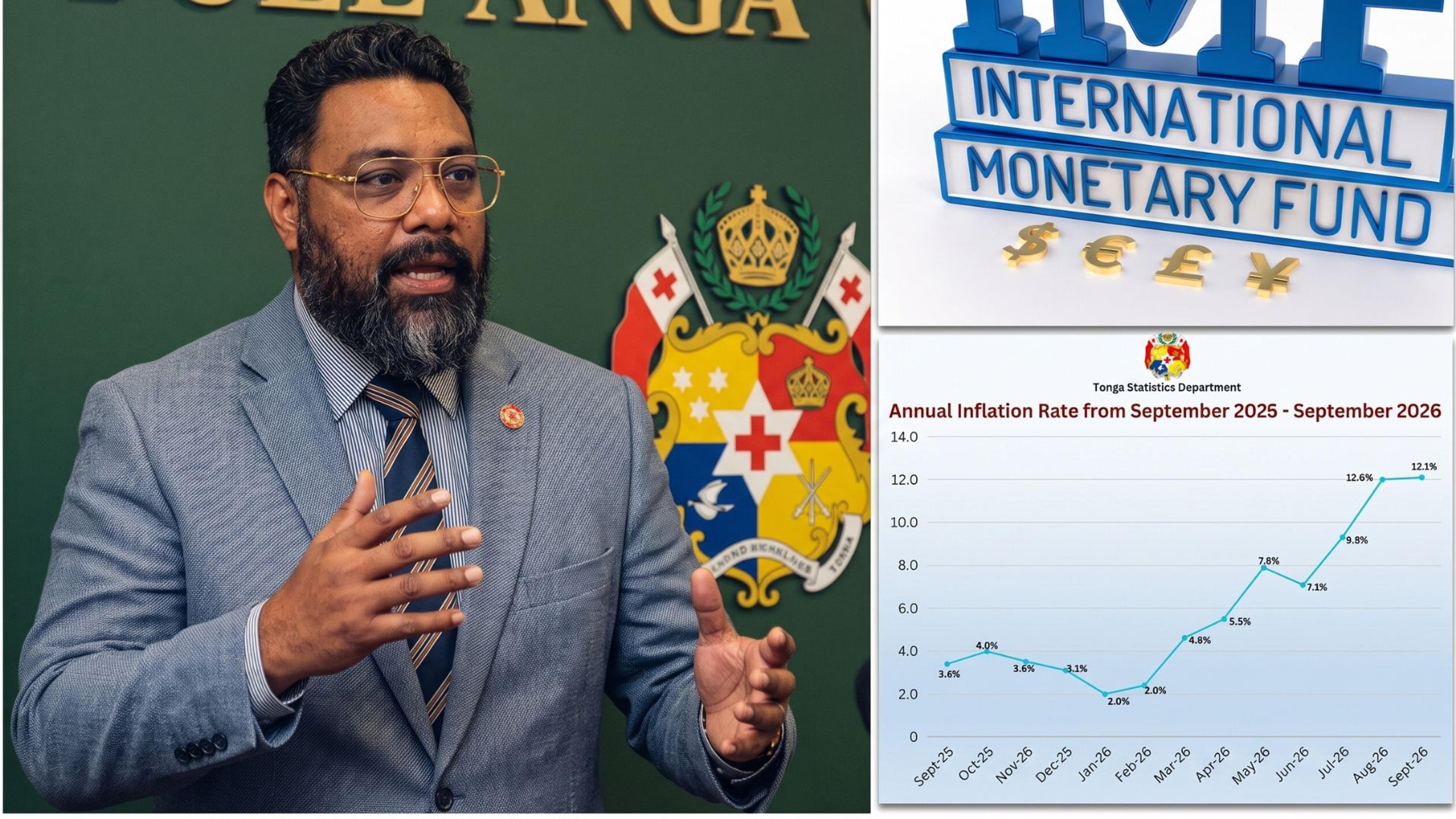
The government of Prime Minister Lord Fakafanua faces growing pressure over the rising cost of living as inflation reaches 12.1 per cent and Tonga prepares for a severe El Niño drought.
Photo/PMN News composite
The government is being pushed to protect households from soaring prices while preparing for a drought that could hit food, water and incomes across the Pacific island kingdom.



Tonga is facing a fresh economic squeeze. Inflation has hit 12.1 per cent as the country braces for a severe El Niño drought that could put further pressure on food, water and household incomes.
The warning from the International Monetary Fund (IMF) comes as the government faces a difficult choice: how to help families cope with rising costs without adding more pressure to an economy already exposed to high fuel and freight prices.
The IMF says Tonga's economy is expected to slow sharply next year with growth forecast at just 0.5 per cent in FY2027 as drought affects largely subsistence agriculture.
Inflation has already climbed from two per cent in January to 12.1 per cent in September, more than twice the National Reserve Bank of Tonga's five per cent reference rate.
The pressures are being felt beyond fuel and imported goods. Businesses are passing on costs they had previously absorbed.
Tonga's Finance Minister, Vika Sivoki Lavemaau, has acknowledged the difficult balance facing the government as the cost of living rises and the country prepares for a major climate shock.
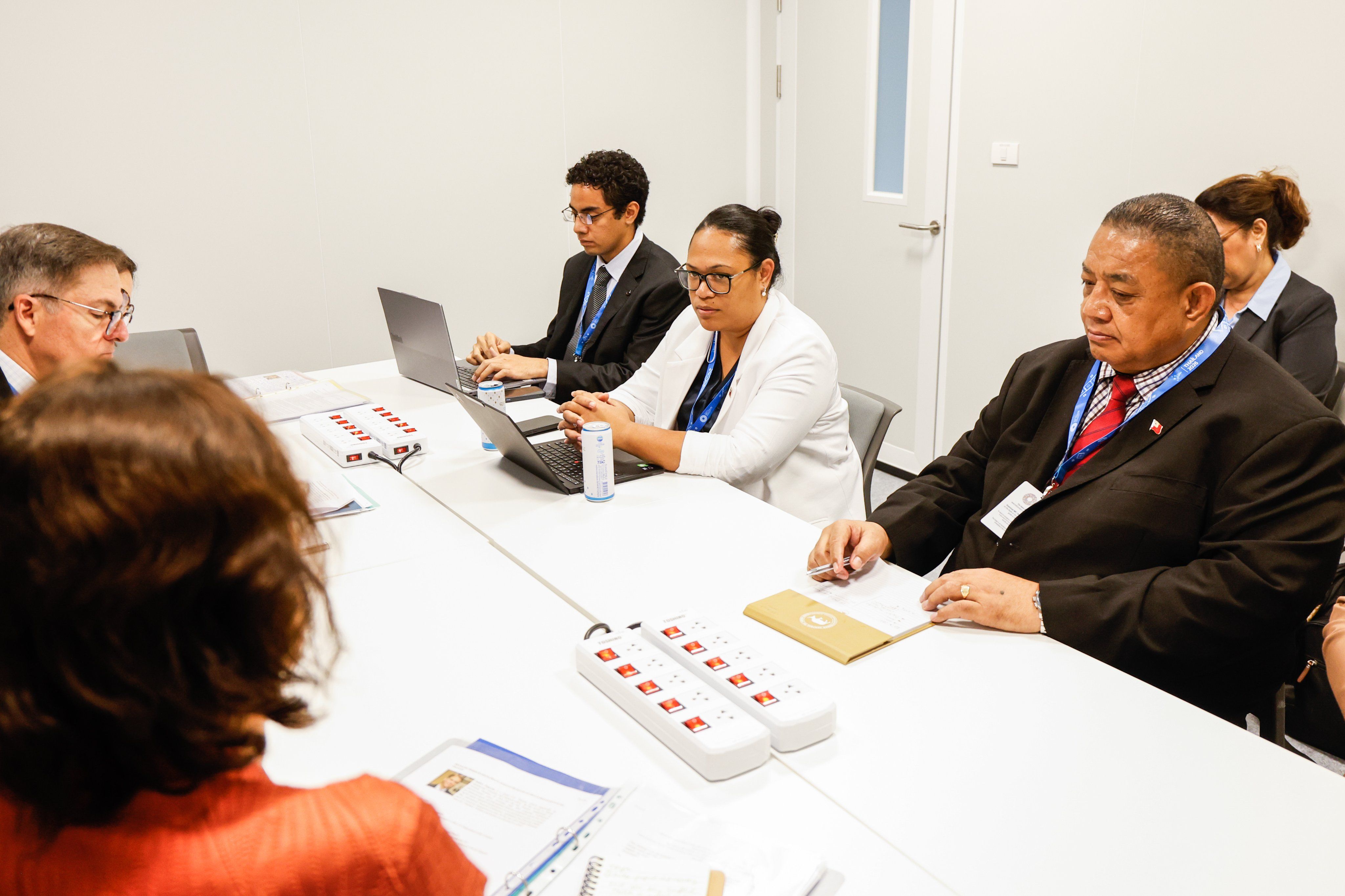
Vika Sivoki Lavemaau (white) says the government is balancing support for households facing higher living costs with the need to protect the country's finances. Photo/Twitter
“Our headline inflation surged from 2.0 per cent in January 2026 to 12.0 in August, a sharp 10 percentage-point increase in just seven months, exceeding that of our regional peers, while elevated core inflation signals persistent underlying price pressures," she said in her address to the 2026 World Bank Group and IMF Annual Meetings in Thailand last month.
"In addition to the current El-Nino event, these shocks threaten fiscal stability, as rising costs of living increase pressure on the government to expand subsidies and social assistance, further constraining already limited fiscal space and weakening the economy's capacity to absorb future shocks.”
The government has introduced support measures, including electricity and transport subsidies, but the IMF says broad subsidies are not the best way to protect those most in need.
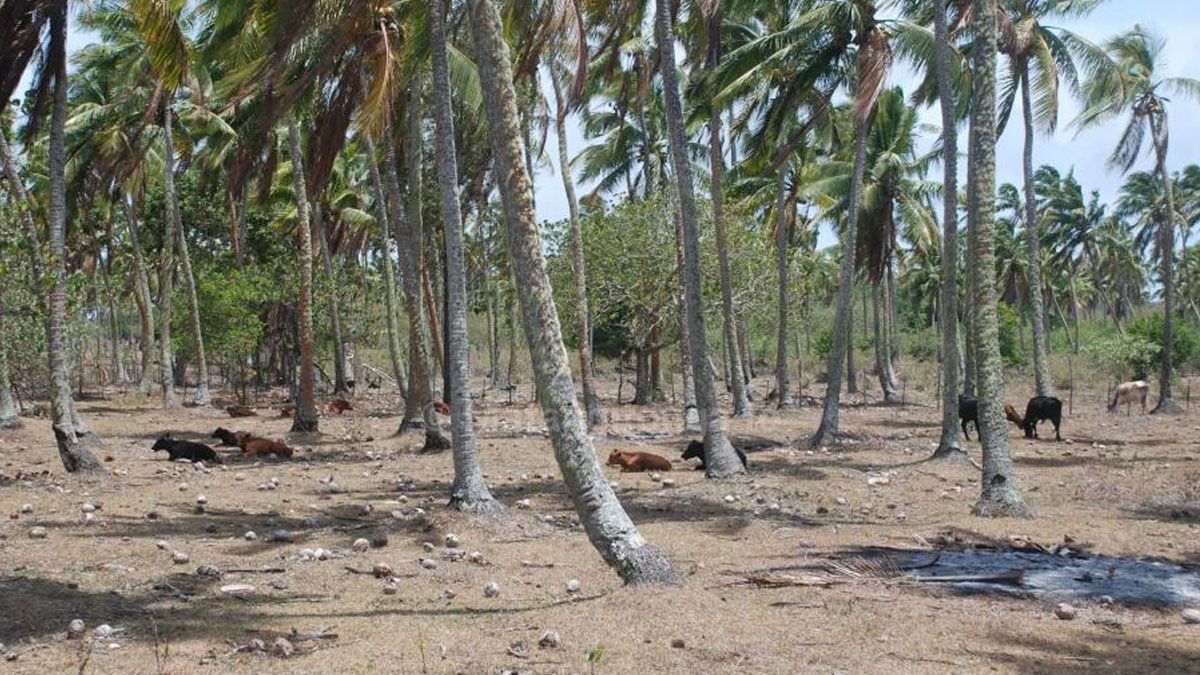
A severe El Niño drought is expected to put further pressure on Tonga's agriculture, food and water supplies, particularly in the outer islands. Photo/Facebook/Matangi Tonga
It wants general subsidies phased out and the money redirected towards vulnerable households, including through existing support for elderly people and people with disabilities.
“Our challenge is to protect households while preserving fiscal sustainability," the Fund said.
The IMF says Tonga's planned T$31 million (NZ$23.22 million) support package for FY2027 is expected to contribute to a fiscal deficit of 4.4 per cent of GDP while the country remains at high risk of debt distress.
At the same time, Tonga is preparing for what the Finance Minister described as a potentially severe climate shock.
“One of the most severe droughts in the last 70 years is forecasted for the next quarter of the year threatening agriculture, fisheries, and food and water security, particularly on the outer islands...,” Lavemaau said.
That combination of high prices and a looming drought is particularly serious for communities that rely on agriculture and fishing for food and income.
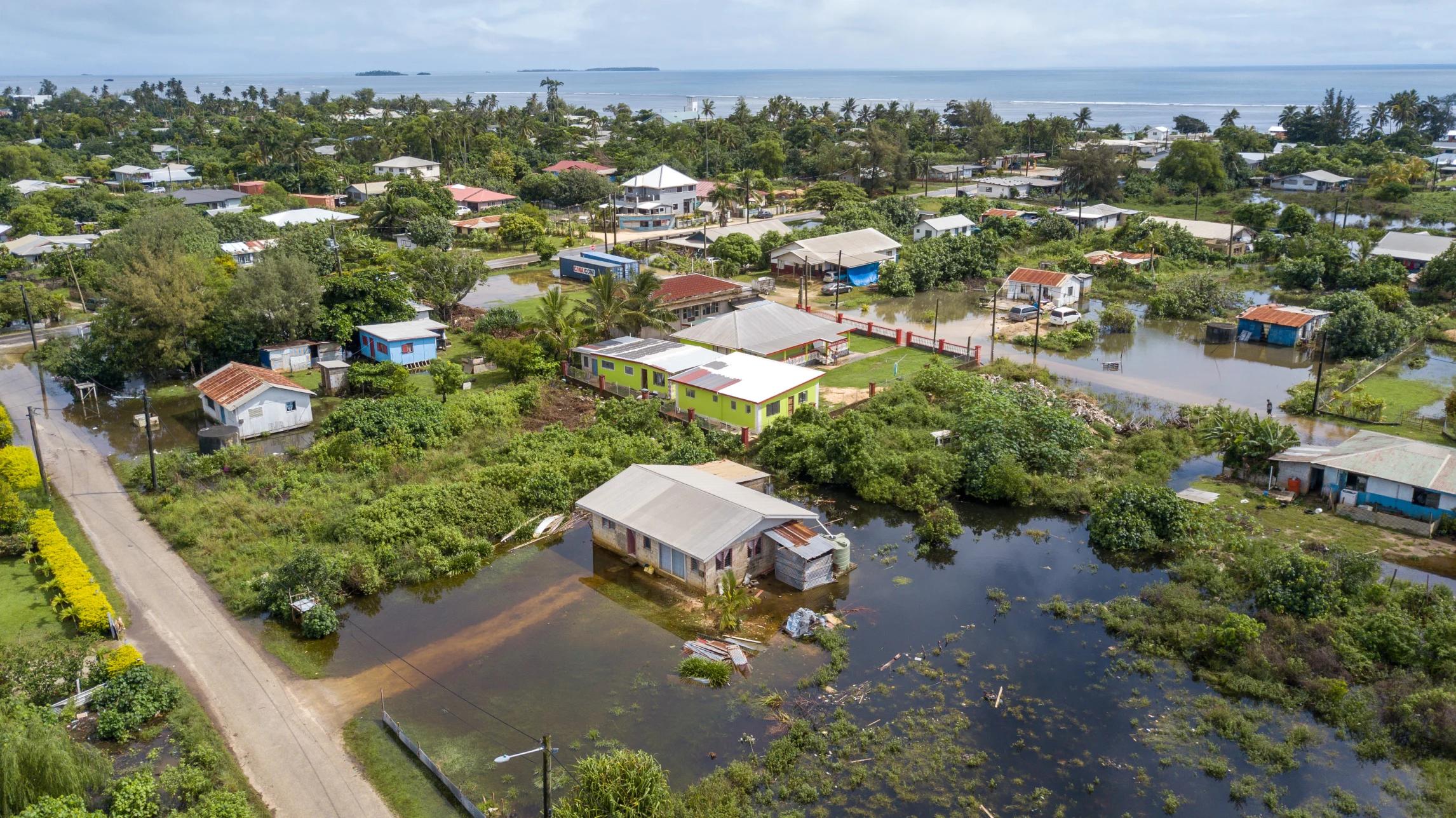
The IMF is warning that Tonga's economic growth could slow sharply as high energy costs and severe weather add to pressure on households and businesses. Photo/Supplied
The National Reserve Bank of Tonga is also warning that global shocks are quickly feeding through into the local economy.
“Global shocks are becoming more frequent and more severe, transmitting almost instantly through prices to the local economy. The latest, the Middle East crisis, added to global supply and transportation disruptions, and weighed on Tonga's inflation and growth outlook.”
The IMF is now urging the central bank to consider raising its two per cent policy rate to help prevent inflation from becoming entrenched.
But the Fund's warning goes beyond interest rates. It says Tonga needs to strengthen food and water security, improve fuel storage and speed up investment in renewable energy to reduce its exposure to global fuel price shocks.
The government is already moving in that direction through the Tonga Energy Road Map Plus, which aims to expand renewable generation and storage and reduce dependence on imported fuel.
The government says the immediate challenge is keeping households afloat as prices rise while preparing for a drought that could make food and water security even harder.
The IMF says inflation could remain above the central bank's five per cent reference rate until FY2028, meaning the pressure on households and the government is unlikely to ease quickly.