
League: Kiwi Ferns eye end to the Jillaroos' World Cup dominance
Latonya LoleThu, 12 Nov
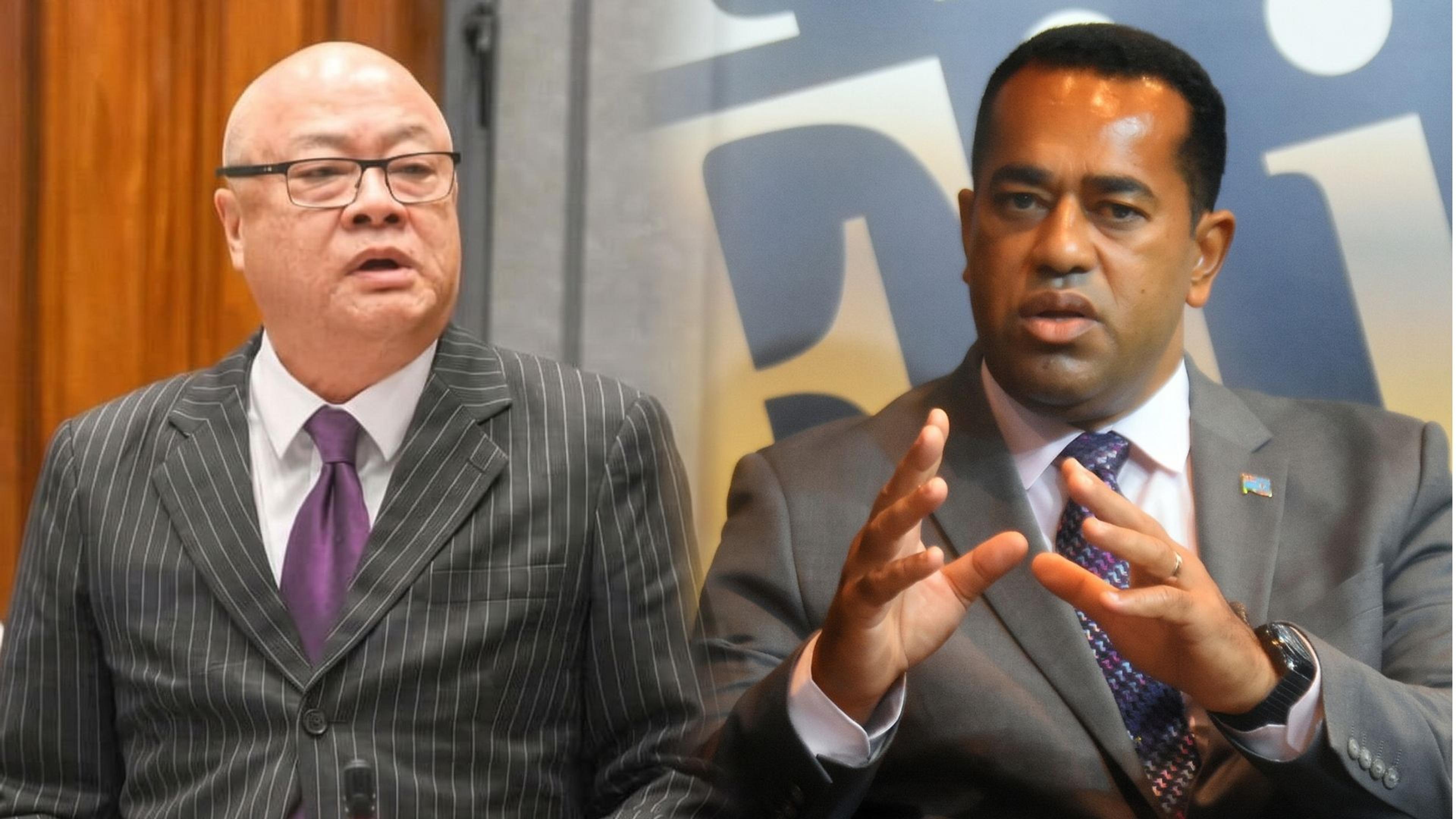
Fiji Law Society president Graham Leung and Justice Minister Filimoni Vosarogo are on opposite sides of the debate over changes to Fiji's electoral laws and the rules governing civil society groups during the election period.
Photo/PMN News composite
The government says the changes are designed to control foreign influence while still allowing approved groups to take part but the Fiji Law Society says the new rules could leave civil society afraid to speak.



Fiji's government is defending sweeping changes to the country's electoral laws as the Fiji Law Society warns they could restrict public debate and make civil society groups think twice before carrying out legitimate voter education and election work.
The dispute centres on changes to Section 115 of the Electoral Act 2014, which includes a longer period of restrictions on foreign-funded organisations and a provision that limits further legal challenges to decisions of the Electoral Commission.
Justice Minister Filimoni Vosarogo says the changes do not amount to a blanket ban on foreign-funded civil society groups.
He says the amendment was intended to remove the previous total prohibition while keeping oversight of foreign-funded activities.
The provision “was inserted to remove the total prohibition, and balance retention of oversight of foreign funded activities with facilitating participation by foreign funded community groups".
The government's position is that foreign-funded organisations can still carry out campaign-related activities if they follow rules set by the Electoral Commission.
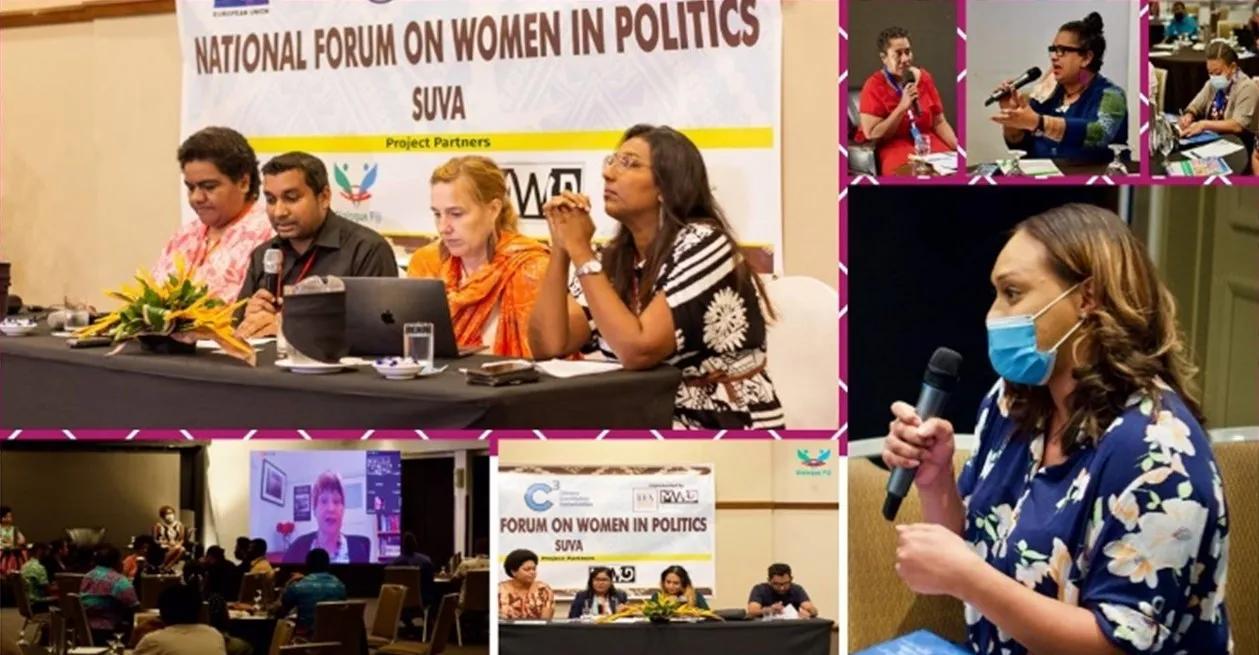
Foreign-funded civil society groups face tighter rules around campaign-related activities under amendments to Fiji's Electoral Act, with the Government saying approved activities can continue under Electoral Commission rules. Photo/PMN News composite
Vosarogo also defended the decision to extend the restrictions across the officially declared campaign period, which does not limit them to the period after an election date is announced.
“The period specified in section 115 of the Electoral Act was changed to be consistent with the period that all other campaign activity is regulated,” he told fijivillage.
The change means organisations covered by the law could face restrictions from the opening of the campaign period on 25 May 2026 until the next general election, which must be held by 6 February 2027.
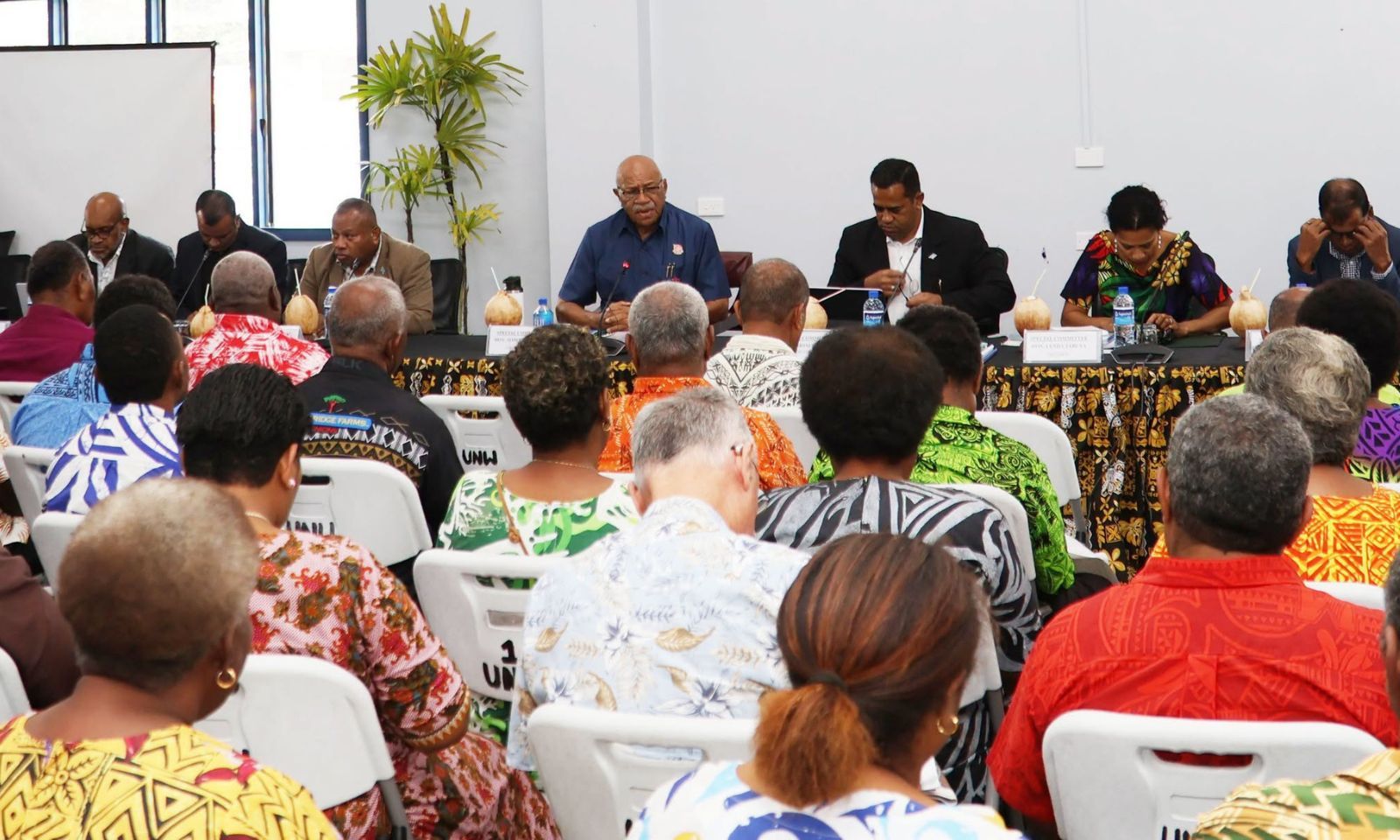
Fijians face a longer regulated campaign period ahead of the next general election, as debate grows over the impact of new restrictions on public discussion, voter education and civil society participation. Photo/Fiji government
That could mean more than eight months of restrictions, compared with about 45 days during the 2022 election.
The Fiji Law Society says that is too long especially when public debate and independent voter education are most important.
FLS president Graham Leung has warned that the possibility of criminal prosecution could discourage organisations from carrying out lawful activities because they may not know whether their work will be treated as prohibited campaigning.
“A law that could lead to fear [of] criminal prosecutions for organising a public discussion, publishing electoral analysis or undertaking non-partisan voter education could have a chilling effect and raise serious questions about constitutional freedoms,” he said.
The government says formal voter education remains the responsibility of the Electoral Commission and Supervisor of Elections, and that the existing rule requiring written authorisation for community groups to conduct voter education was not changed.
But the sharper constitutional fight is over Section 115(2C). The amendment provides that certain decisions of the Electoral Commission cannot be taken further through appeals or reviews by courts, tribunals or other bodies.
Vosarogo says organisations directed by the Supervisor of Elections to change or stop an activity can appeal to the Electoral Commission, whose decision is final.
“The decision of the Electoral Commission is final, consistent with all other decisions of the Commission. The Commission is the final decision-making body under all 5 electoral laws.”
But the Law Society warns that removing further judicial scrutiny raises fundamental questions about the rule of law and the accountability of institutions exercising public power.
Leung says the right to challenge unlawful administrative decisions is an important safeguard against arbitrary use of public power.
The FLS has also questioned whether the restrictions go further than necessary to prevent foreign interference. It argues that international development assistance for independent voter education, research and public-interest advocacy should not automatically be treated as political campaigning.
Attorney-General Sevuloni Valenitabua defended the wider package of electoral reforms during parliamentary debate, saying they were intended to “Make Fiji's electoral laws clearer, more consistent and enforceable”.
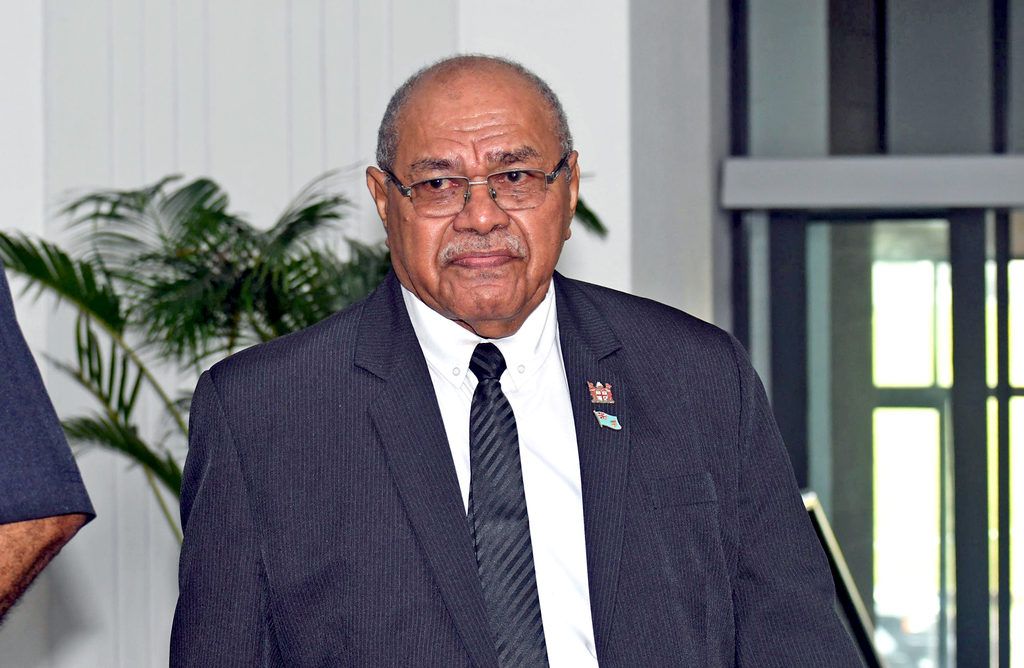
Fiji Attorney-General Sevuloni Valenitabua has defended the wider electoral law reforms, saying they are intended to make Fiji's electoral laws clearer, more consistent and enforceable. Photo/The Fiji Times/Jonacani Lalakobau
The Electoral (Amendment) (No. 2) Bill was passed on 6 November under Standing Order 51 without further committee consultation.
The government now faces growing pressure to explain why the changes were needed while the Fiji Law Society is asking for evidence that narrower measures would not have been enough.
At the heart of the dispute is a question that could shape the space available for public debate before Fiji's next election: how far can the State go to stop foreign interference without restricting legitimate civic participation or weakening checks on electoral power?
For more details on Fiji's election, click here.