
Cook Islands govt eyes working holiday to fill jobs in tourism sector
Shalveen Chand, Cook Islands NewsTue, 10 Nov
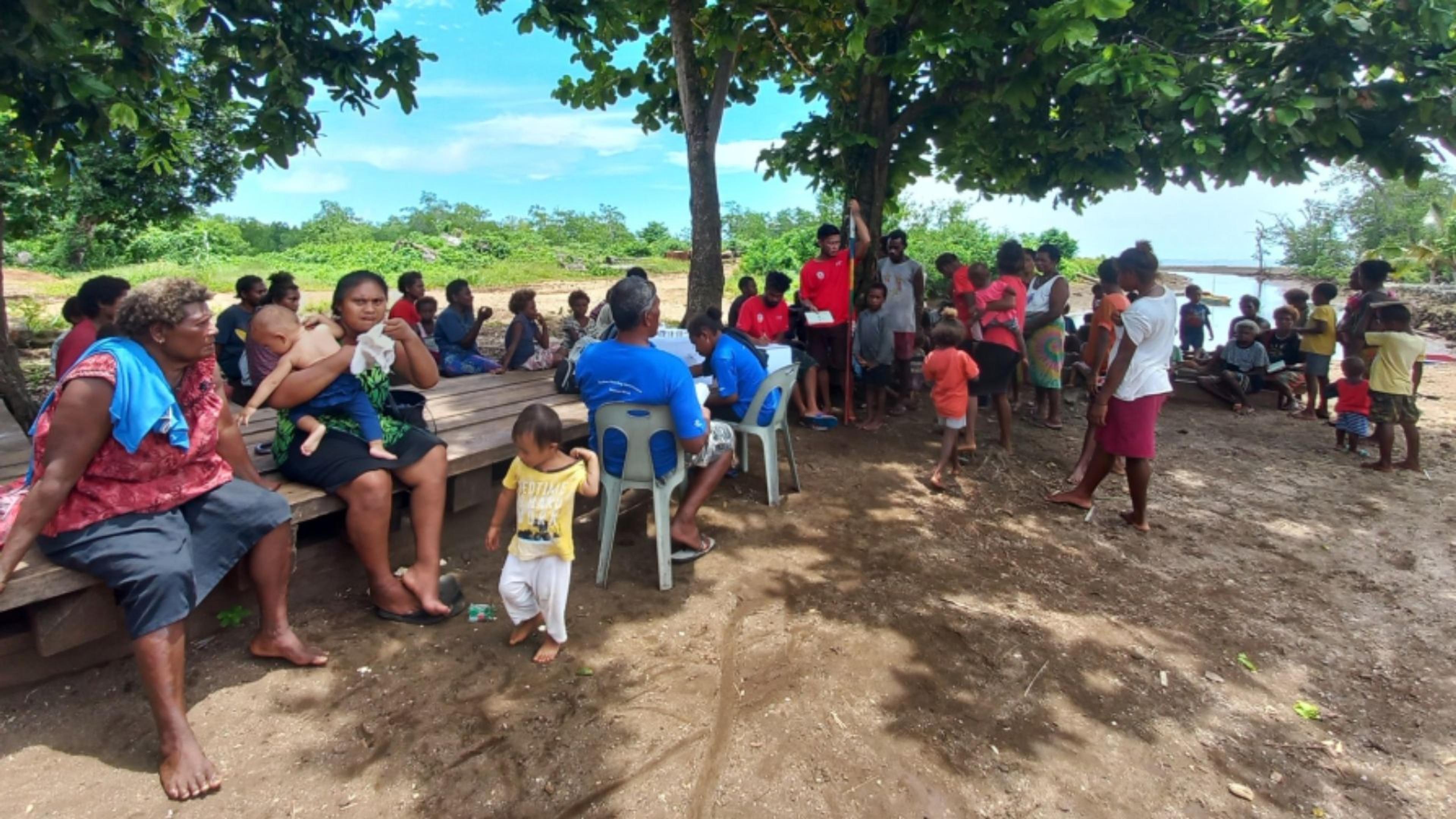
People in Solomon Islands, where nationwide treatment campaigns have helped cut scabies prevalence by 83 per cent between 2021 and 2025.
Photo/Supplied/Johnina Huniehu
New figures show the disease has fallen from affecting almost one in four people to fewer than one in 25 due to mass treatment.




Solomon Islands has cut scabies prevalence by 83 per cent following nationwide treatment campaigns and officials say this is a major public health gain for the country.
A new study published in Nature Health this week found the proportion of people affected by scabies fell from 23.2 per cent in 2021 to 3.9 per cent in 2025.
Impetigo, a bacterial skin infection often linked to scabies, also fell sharply from 9.2 per cent to 1.6 per cent - an 82 per cent reduction.
The results follow two rounds of mass drug administration carried out across Solomon Islands between 2022 and 2024, led by the Ministry of Health and Medical Services with support from the World Scabies Program.
“This achievement reflects the dedication of our frontline health workers and the strong support of communities across Solomon Islands," Health and Medical Services Minister Morris Toiraena said.
"Together, we have made significant progress in reducing scabies and protecting families, especially children, from skin infections. Our priority now is to sustain these gains by strengthening early detection, treatment and community awareness so that everyone can enjoy healthier lives."
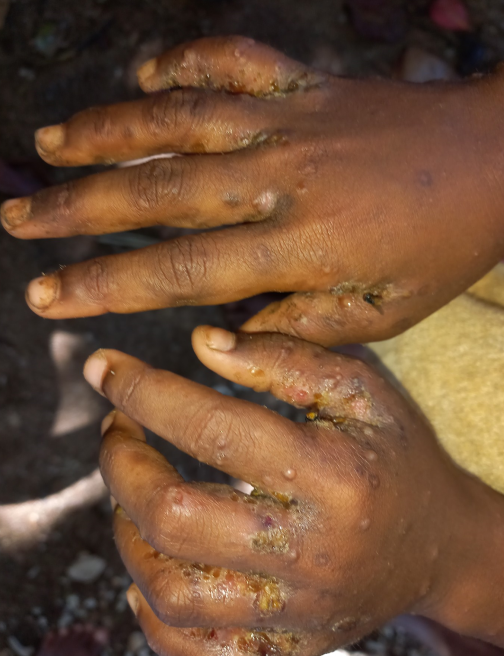
Scabies is a contagious skin disease that causes intense itching and can lead to serious bacterial skin infections, particularly among children. Photo/Supplied/Johnina Huniehu
The Solomon Islands result also comes as New Zealand health experts raise concerns about the wider health impact of scabies across the region.
In a report released in June, a group of health experts said scabies was a significant and underappreciated factor in the country's unusually high rates of acute rheumatic fever and rheumatic heart disease.
They said the chain can begin with scabies, followed by Group A Streptococcal infection and, in some cases, acute rheumatic fever and rheumatic heart disease.
In some Auckland childcare centres, scabies has been found in 50 per cent of children, highlighting the scale of the problem in some communities.
The latest WHO release says scabies declined across all age groups although children under five remain particularly vulnerable.
It says that remaining burden is important because scabies is not simply an itchy skin condition. Scratching can damage the skin and allow bacterial infections to enter, with researchers linking scabies to serious complications caused by Group A Streptococcus, including rheumatic heart disease and kidney damage.
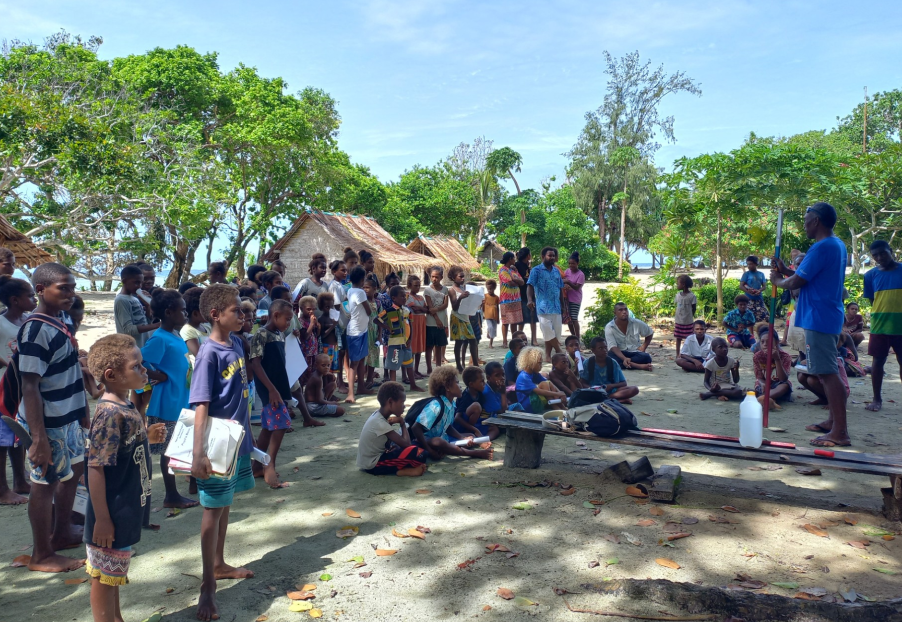
Scabies prevalence in Solomon Islands fell from 23.2 per cent in 2021 to 3.9 per cent in 2025 after two rounds of nationwide treatment. Photo/Supplied/Johnina Huniehu
The Solomon Islands results form part of wider research into mass treatment programmes in the Pacific.
Earlier research led by the World Scabies Program, Murdoch Children's Research Institute and the Kirby Institute at UNSW Sydney examined nationwide treatment programmes in Solomon Islands and Fiji involving more than 2.5 million doses of oral ivermectin.
Dr Susanna Lake, head of Tropical Diseases at the World Scabies Program and co-lead author, said the research showed what could be achieved when treatment was taken to whole communities.
“Our findings demonstrate for the first time that scabies, a disease that causes enormous suffering for children and families, can be significantly reduced when effective treatment is delivered at scale.”
The wider research also found progress in Fiji after one national treatment round. Scabies prevalence fell from 6.2 per cent to 3.4 per cent within 12 months while impetigo dropped from 4.3 per cent to 1.2 per cent.
Professor Andrew Steer, Theme Director of Infection, Immunity and Global Health at Murdoch Children's Research Institute, said the results could help shift how scabies is treated as a public health issue.
“Scabies has long been neglected, despite its links to serious infections and long-term disease. Our research provides critical evidence to inform national and international policy and supports the broader integration of scabies control into public health and neglected tropical disease programmes.”
But the research also points to the next challenge. Steer warned that scabies prevalence remained “above 10 per cent among those aged under five despite MDA treatment.”
He said reaching people in densely populated areas could require different approaches, including “multiple strategies to improve access, delivering MDA through workplaces, schools and community gatherings.”
That could be important as Solomon Islands works to protect the gains made through its national campaigns.
WHO says its support has included technical guidance, training and disease surveillance, while health workers and community teams played a key role in getting treatment to people across the country.
It says the Pacific results offer a clear lesson: tackling scabies at scale can make a major difference, but mass treatment is only part of the job. The focus now is on early detection, continued treatment and reaching the children and communities where the disease remains hardest to control.