Sāmoa is strengthening its HIV preparedness, including surveillance, testing, prevention and community engagement, following Fiji’s declaration of a national HIV emergency.
Photo/Facebook/Ministry of Health, Sāmoa
Health
Sāmoa boosts national HIV preparedness after Fiji emergency warning
Health authorities in Apia are increasing surveillance and readiness with 14 flights a week linking Sāmoa and Fiji.

Christine Rovoi
Published
29 September 2026, 9:00am
Share
Copy Link
Top stories

Top stories
Sāmoa is stepping up its national human immunodeficiency virus or HIV preparedness after Fiji declared a national emergency over a sharp rise in infections.
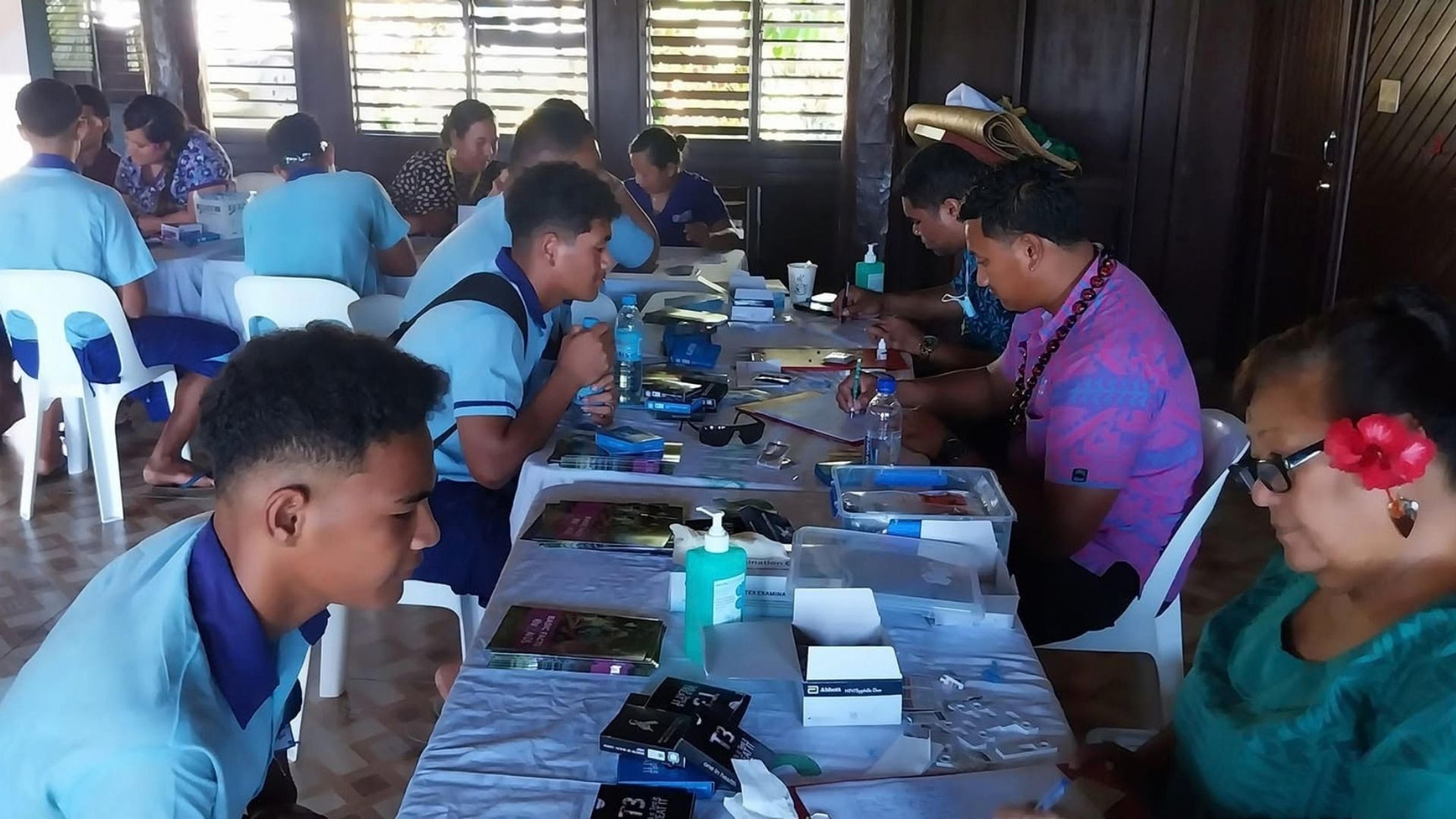
Sāmoa's Ministry of Health says it is increasing surveillance and checking the country’s readiness for testing, laboratory work, prevention, treatment and care while also strengthening public information and community engagement.
The ministry is part of a Cabinet-assigned taskforce looking at protective measures with the two countries linked by 14 incoming flights a week from Fiji.
Sāmoa's Health Ministry says the move is precautionary and does not mean the country is experiencing the same HIV situation as Fiji.
The ministry says 14 people are currently living with HIV in Sāmoa and this includes 12 locals and two foreign nationals. All 12 Sāmoan nationals are receiving antiretroviral treatment.
“The Ministry will continue to closely monitor the situation, assess risks and prepare timely updates to the public as our preparedness work progresses,” it said in a statement.
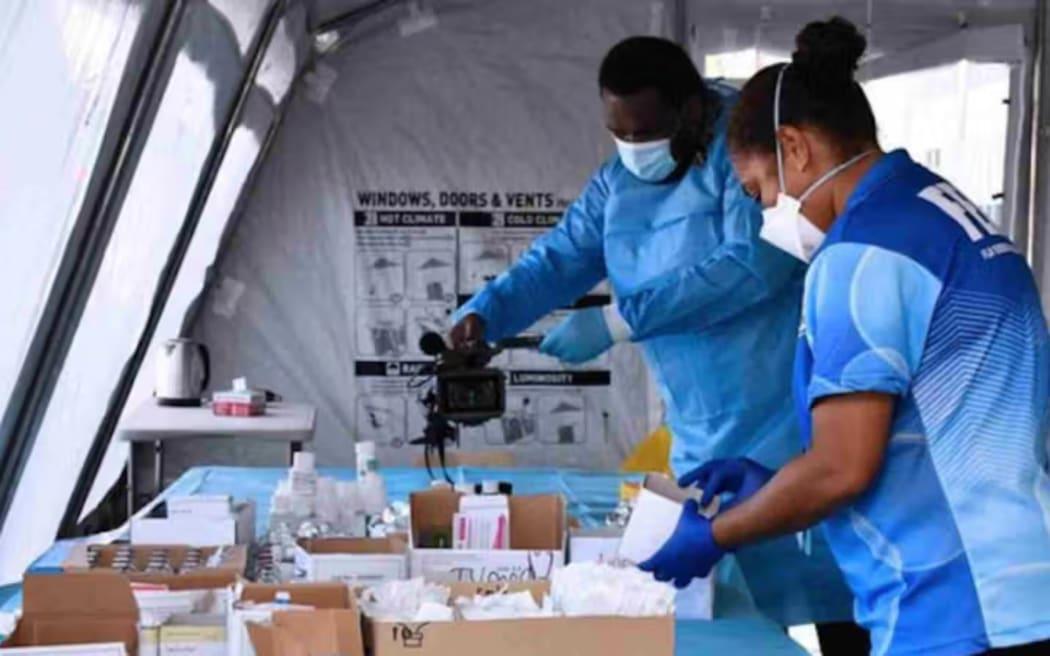
Fiji declared a national HIV emergency in September 2026 after a sharp rise in new diagnoses, with health authorities warning of growing pressure on the country’s HIV response. Photo/Fiji Ministry of Health and Medical Services
Fiji declared a national HIV emergency on 15 September after new diagnoses rose sharply. Current estimates indicate about one in 60 adults in the nation are living with HIV compared with one in 167 five years ago.
Fiji recorded 2016 new HIV diagnoses in 2025. The United Nations estimates about 9100 people were living with HIV in the country last year but only 39 per cent knew their status and 22 per cent were accessing treatment.
The World Health Organization (WHO) says the response needs to focus on testing, early diagnosis, treatment, prevention and reducing stigma.
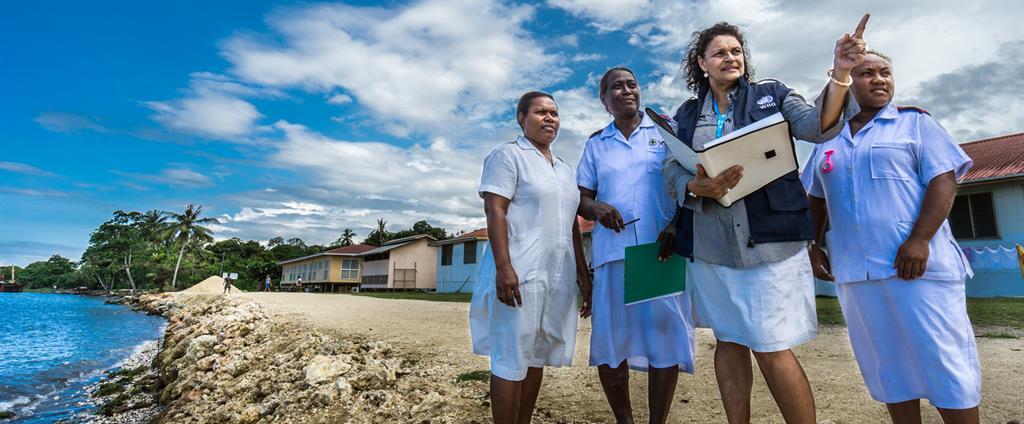
The World Health Organization says Pacific countries need to strengthen HIV testing, early diagnosis, treatment, prevention and action to reduce stigma and discrimination. Photo/WHO
“We know what works - testing, early diagnosis, access to treatment and appropriate care, needle syringe programs, empowered communities, and addressing stigma and discrimination,” Dr Mark Jacobs, WHO Representative to the South Pacific, said in a press release.
Associate Professor Akisi Ravonu from the University of Fiji's School of Nursing says the country also needs to move quickly to take HIV education and support into communities.
“We have to approach this community outreach very, very fast. We have to mobilise nurses," she told William Terite on Pacific Mornings.
"I'm a nurse myself, and I know that these are the roles that nurses normally do out there in the communities.”
Ravonu says nurses can draw on their experience in public health, education, surveillance and community support to help strengthen the response.
In Fiji, more than half of new cases with a known transmission route in 2025 were linked to sexual transmission while more than 42 per cent were linked to injecting drug use, according to UNAIDS.
Listen to Dr Akisi Ravonu's full interview below.
Sāmoa is reminding people that HIV is preventable and urging them not to share needles, syringes or other injecting equipment, to practise safer sex, and to seek HIV and sexually transmitted infection (STI) testing when appropriate.
Sāmoa's Health Ministry is also stressing that people living with HIV should not face fear or discrimination.
“People living with HIV have the same rights to dignity, privacy, confidentiality and access to healthcare as everyone else,” it said.
HIV is not spread through ordinary contact such as hugging, shaking hands, sharing food, or living and working together. Effective treatment can allow people living with HIV to live healthy lives and when the virus is durably suppressed, prevents sexual transmission.
The WHO says Pacific countries recently recognised at a regional health meeting that no country is safe unless they work together on the HIV response.