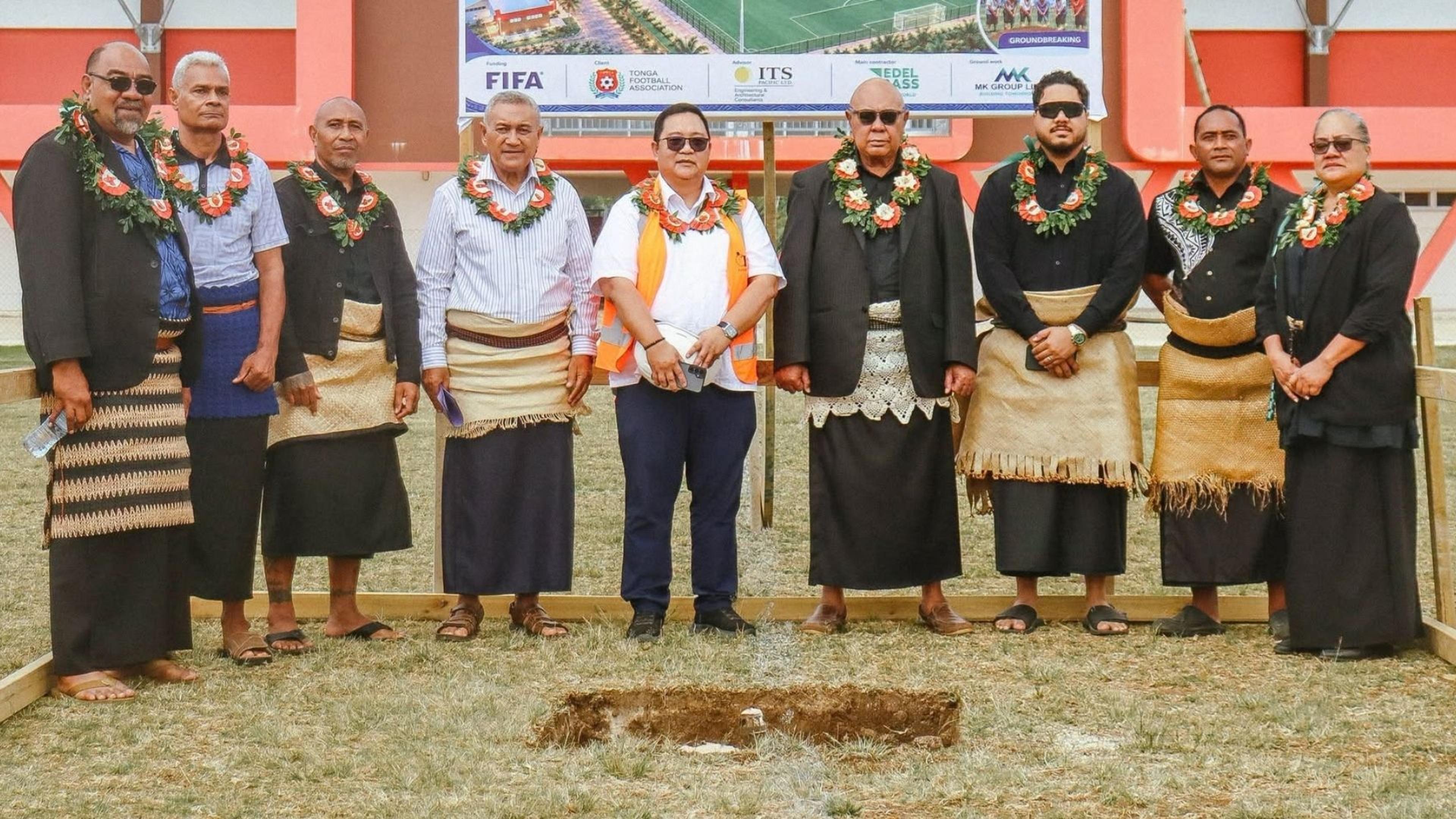
Tongan workers in line for jobs as FIFA-backed soccer turf takes shape
Elton Lonaratha JnrThu, 08 Oct
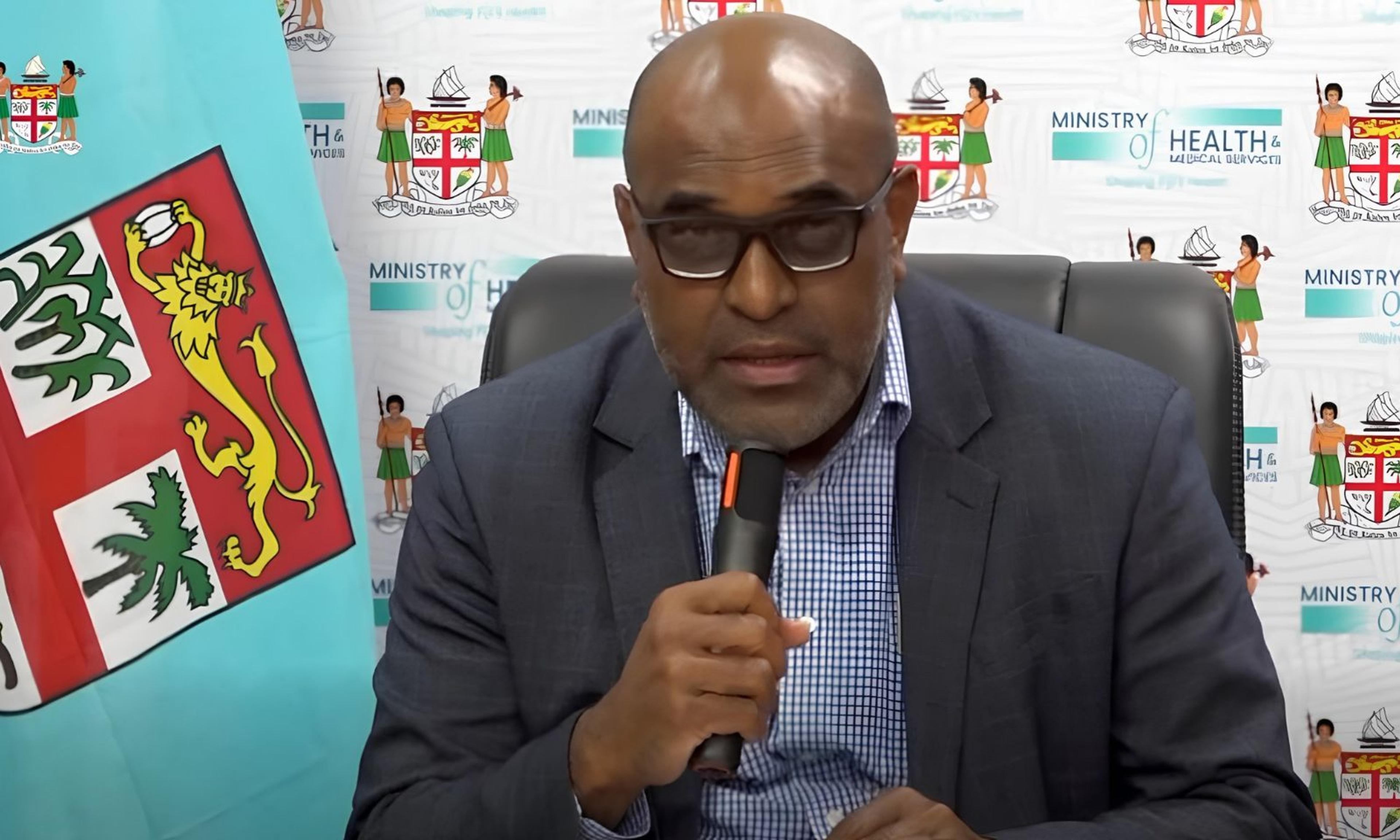
Fiji's Minister for Health and Medical Services Dr Antonia Lalabalavu yesterday delared a National HIV Emergency for Fiji.
Photo/Fiji Government
A new Cabinet response will bring agencies together as Fiji expands prevention, testing and treatment, including a needle and syringe programme.


Fiji has formally declared HIV a national emergency with the government moving to a wider response that includes a new Cabinet-led effort and expanded prevention services.
Health Minister Dr Antonio Lalabalavu says the country can no longer rely on an outbreak-level response as HIV continues to spread into more parts of the community.
“An outbreak-level response is no longer sufficient,” Dr Lalabalavu said in a video address on Tuesday.
“The Ministry of Health cannot meet this challenge alone. It requires coordinated action across government, alongside communities and our partners.”
The declaration follows a Cabinet decision on 9 September and is being backed by a five-member Cabinet subcommittee tasked with helping remove barriers that have slowed the national response.
Lalabalavu says the Government’s response will be carried out under Fiji’s HIV/AIDS Act of 2011.
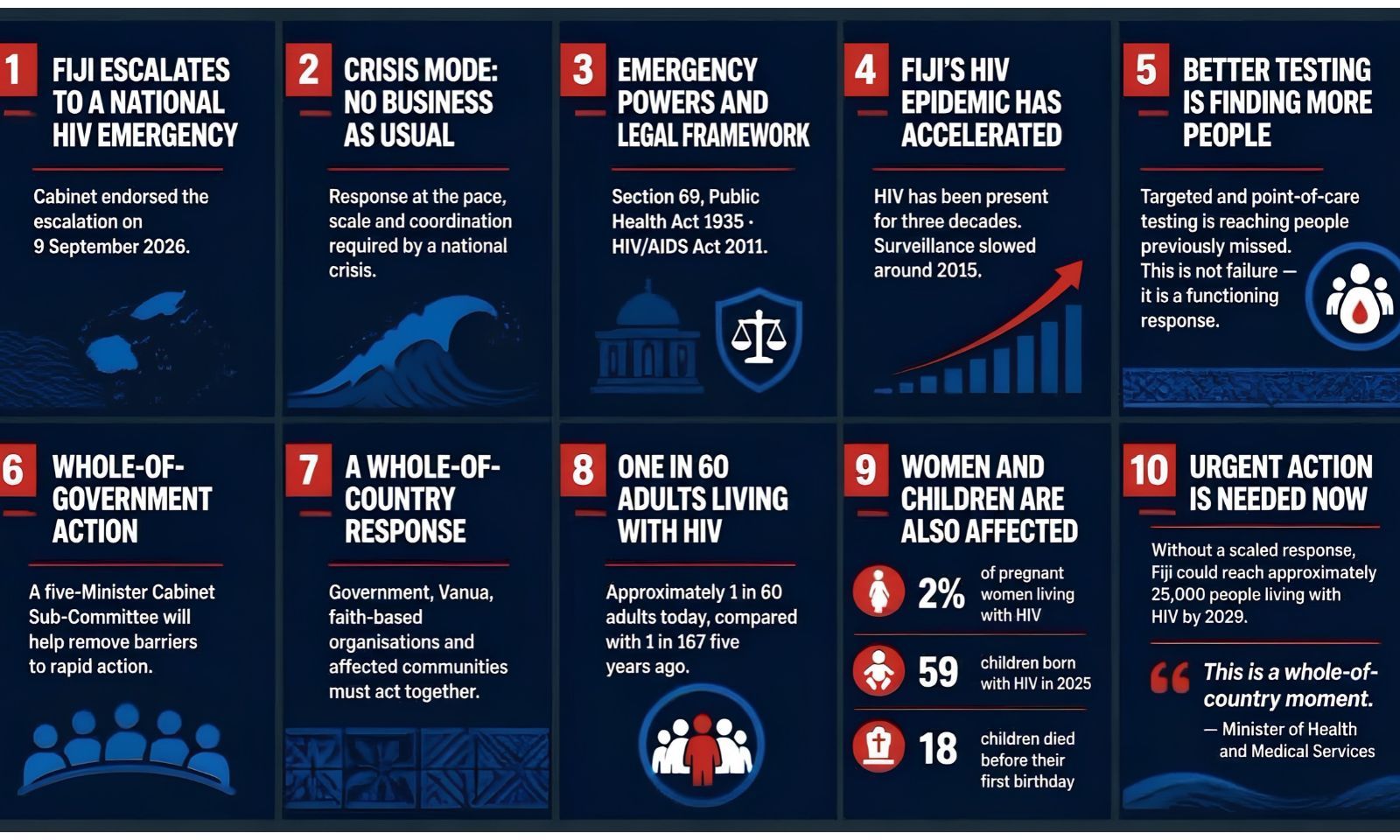
Fiji's response is focused on protecting lives, improving access to health services and reducing stigma. Photo/Fiji Government
“Its purpose is to accelerate action and bring the necessary parts of government together to protect health and save lives,” he said.
A key change will be the introduction of a needle and syringe programme aimed at reducing the risk of HIV transmission among people who inject drugs.
The government is also expanding access to HIV testing, prevention medicine including PrEP, harm-reduction services and free treatment for people living with HIV.
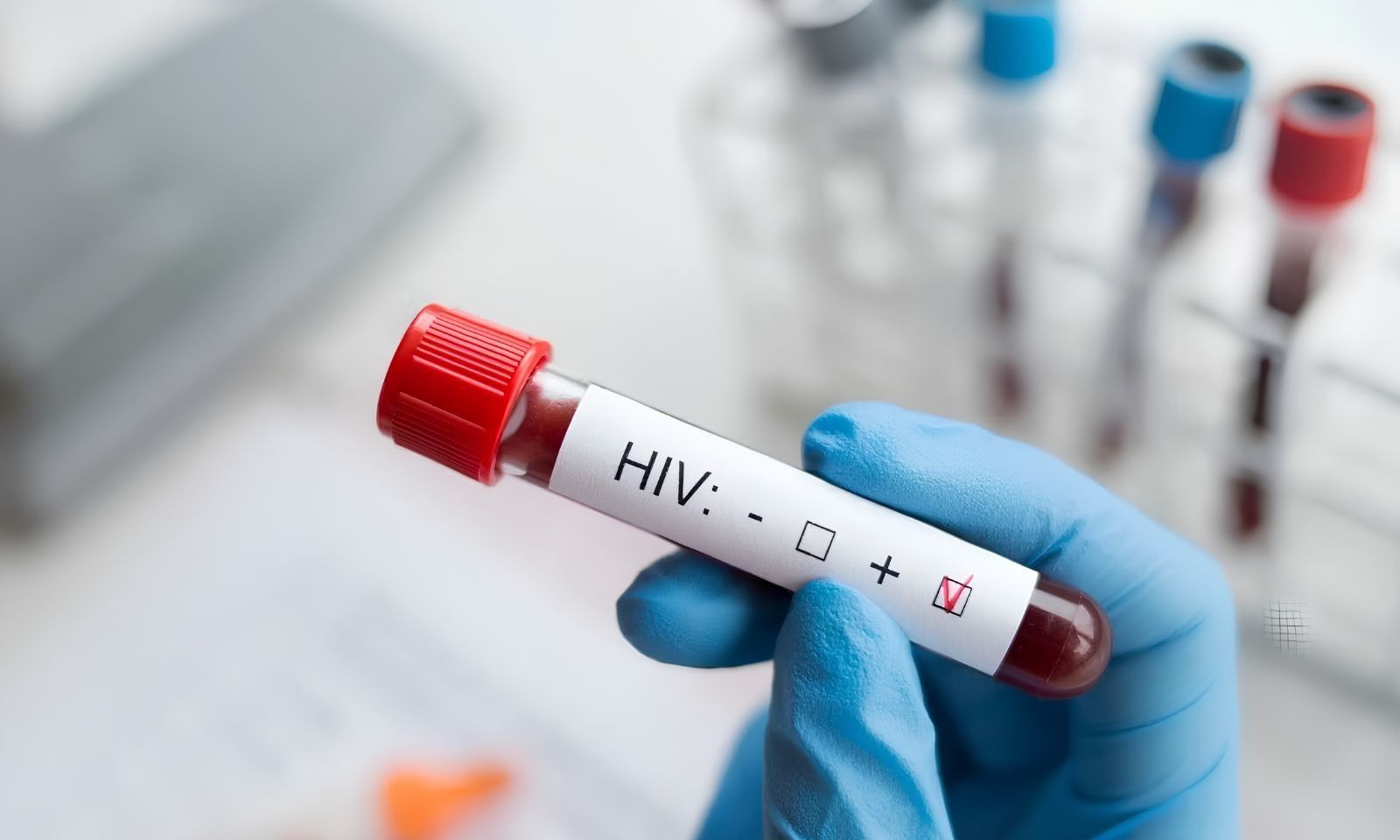
A key component of the reponse is the introduction of a needle and syringe programme aimed at reducing the risk of HIV transmission among people who inject drugs. Photo/PHCC
“Every diagnosis must lead to care. Every person starting treatment needs support to remain on it. Prevention must reach the people and communities who need it most,” Lalabalavu said.
The government says the next challenge is making sure those services actually reach people.
“We must match that commitment with the practical work of delivery: resolving regulatory barriers, training and supporting staff, securing supplies, and working with communities so these services reach the people who need them,” Lalabalavu said.
The Sexual Reproductive Health and HIV Programme Management Unit will coordinate the national rollout.
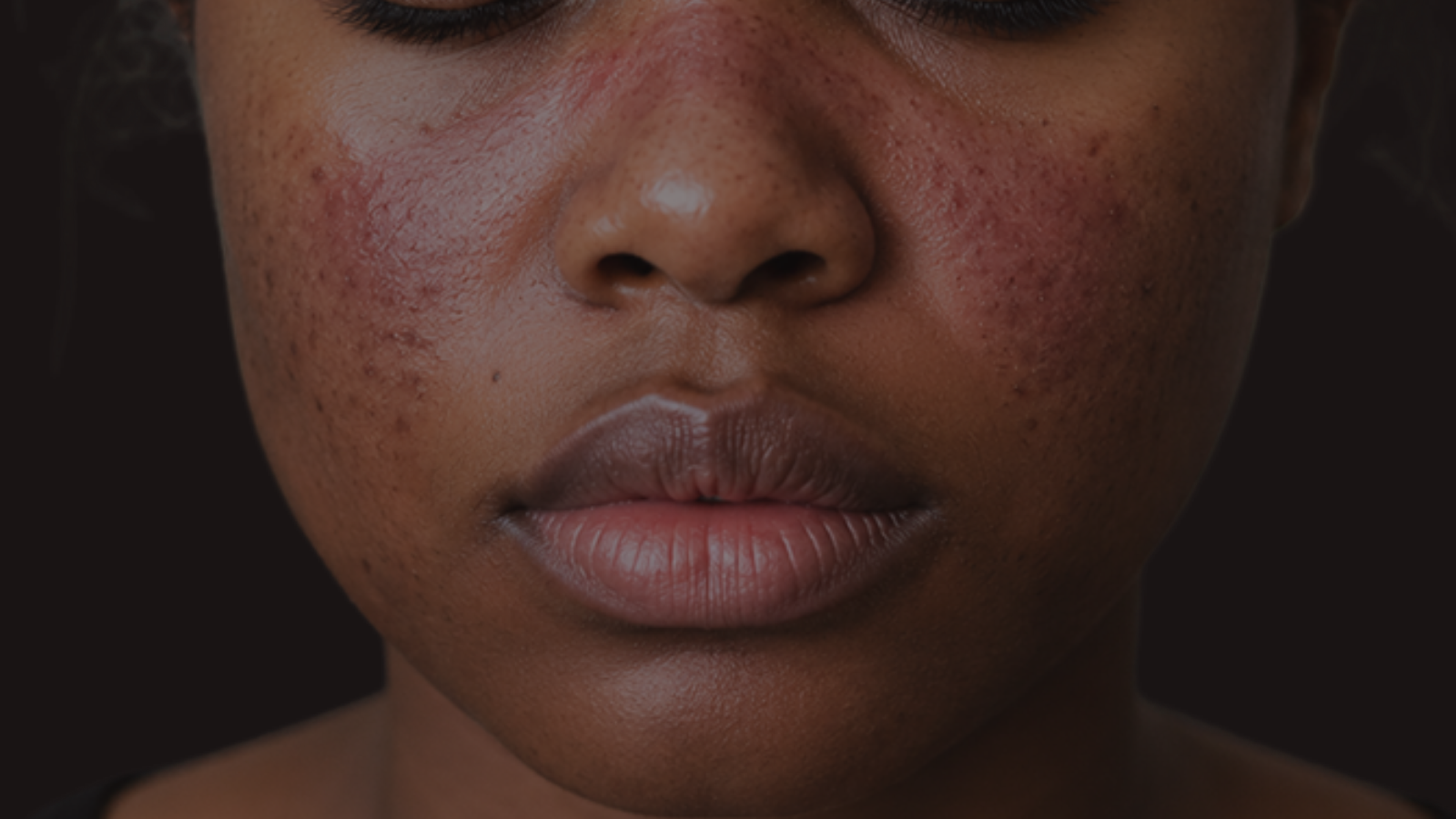
The emergency declaration also comes as HIV is being detected in areas of healthcare not previously at the centre of Fiji's response, including maternal health.
The Minister says HIV prevalence among women attending antenatal care has reached about two per cent, meaning around one in every 50 pregnant women tested has HIV.
The emergency declaration also comes as HIV is being detected in areas of healthcare not previously at the centre of Fiji's response, including maternal health. Photo/MOH
He is urging people who may have been exposed through sharing needles or injecting equipment, or through sex without a condom, to get tested.
“Do not wait until you feel unwell. Speak with a healthcare worker about testing and the prevention options available to you.”
He has also urged people living with HIV to remain committed to treatment and called on Fijians to respect their rights, privacy and dignity.
Lalabalavu is also warning that the response cannot succeed if people living with HIV are pushed away from healthcare because of stigma.
“We want people to seek testing and care with confidence. No one should be ashamed, threatened, or excluded because of their HIV status,” he said. “Stigma drives people away from the very services that can help them.”
Lalabalavu also addressed concerns about the impact of HIV on Fiji’s tourism sector, stressing that the virus is not spread through ordinary social contact.
Watch Fiji's Minister for Health and Medical Services Dr Antonio Lalabalavu declare a National HIV Emergency for Fiji below.
“Our focus is on prevention, care, and a stronger health system for everyone who depends on it,” he said.
In an earlier interview with PMN News, Chair of Fiji’s National HIV Outbreak and Cluster Response Taskforce Dr Jason Mitchell said the crisis has escalated into a wide-reaching epidemic requiring urgent nationwide action.
He said HIV is increasingly affecting young people, women, pregnant mothers and children.
In 2025, 117 people died from HIV infection, including 17 children.
“Last year, 17 children died as a result of HIV. This is a tragedy for the country, and it can be prevented,” Mitchell said. “We need the system to support families and young children so that they can survive into adulthood and be productive members of our society.”
Mitchell says addressing the crisis requires frank discussions across families, churches and communities, alongside a coordinated effort between Government, international partners and the public to tackle stigma and deliver life-saving care.