
Pacific women have waited long enough for equal pay in NZ, says former commissioner
Thomas Tarurongo WynneTue, 06 Oct
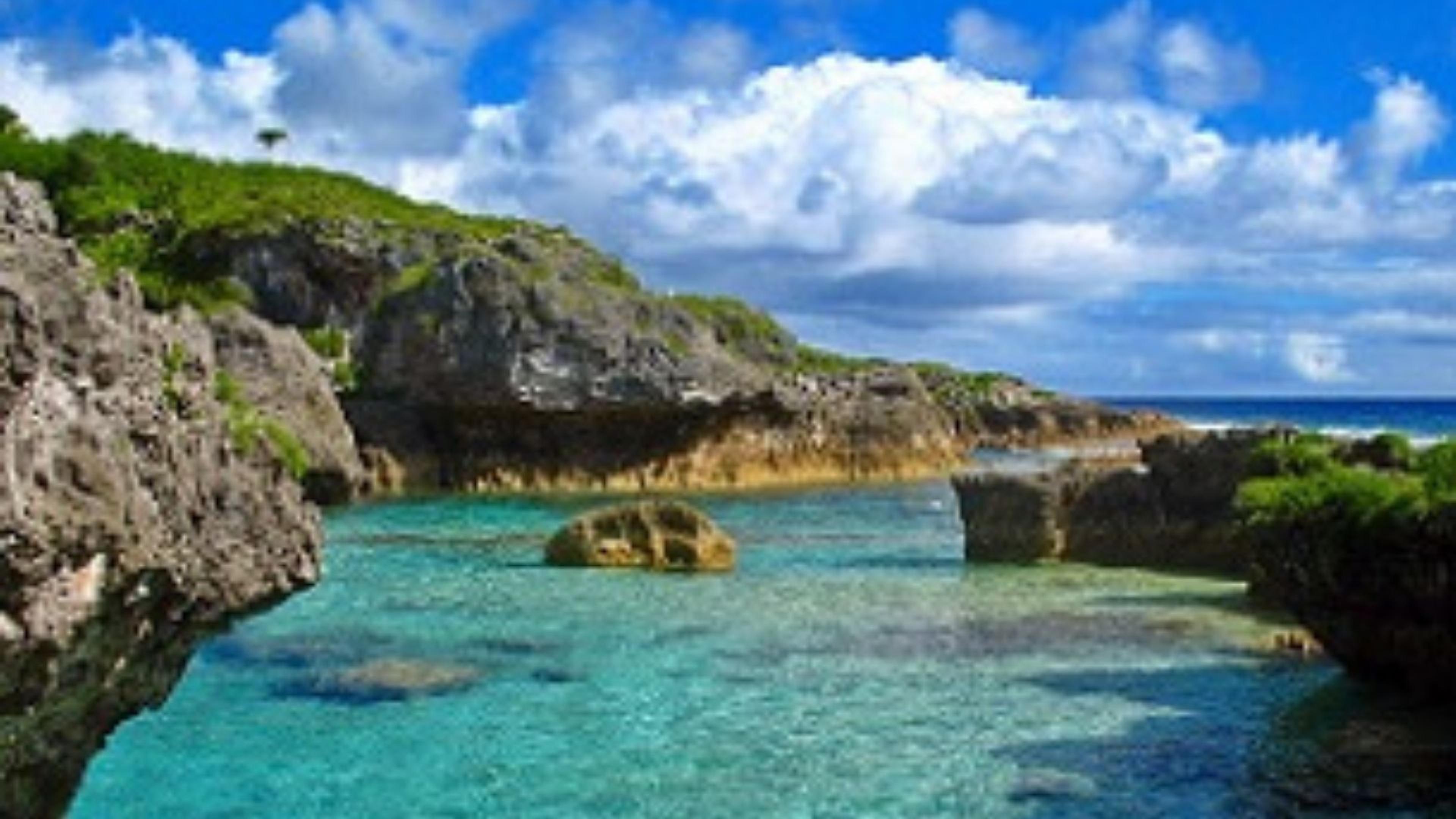
Niue has secured a NZ$11 million climate resilience and ocean protection package to strengthen infrastructure and safeguard communities across the island nation.
Photo/pipap.sprep.org
The Rock has moved ahead with the finance project with UNDP and Conservation International to strengthen climate resilience, protect its marine park and support frontline communities.


Niue has secured a major US$9 million (about NZ$11 million) funding package to strengthen climate resilience, protect its ocean space, and improve essential infrastructure for its communities.
This comes as extreme weather and rising sea levels continue to put pressure on the Pacific island nation.
The government of Niue is working with the United Nations Development Programme (UNDP) and Conservation International on the Niue Infrastructure, Ecosystems and Communities Integrated Project, known as Niue IECI.
The five-year initiative brings together funding from the Global Environment Facility (GEF), the Special Climate Change Fund, and Conservation International, alongside national co-financing, in what officials describe as a more coordinated approach to climate and environmental investment.
At its centre is The Rock's vast marine sanctuary, the Niue Nukutuluea Multiple-Use Marine Park, which covers one of the largest fully protected Exclusive Economic Zones in the world.
The project aims to strengthen long-term protection of the area while supporting local livelihoods.
A key part of the plan is the Niue and Ocean Wide (NOW) Trust, which will help provide long-term funding for conservation work beyond short-term grant cycles.
For Niue, a self-governing island nation of just over 1600 people managing a vast ocean territory, the blended finance project is being seen as a major step towards strengthening local control over climate and conservation planning.
Prime Minister Dalton Tagelagi said the initiative supports a more integrated approach to development, where communities play a central role in shaping how climate risks and natural resources are managed.
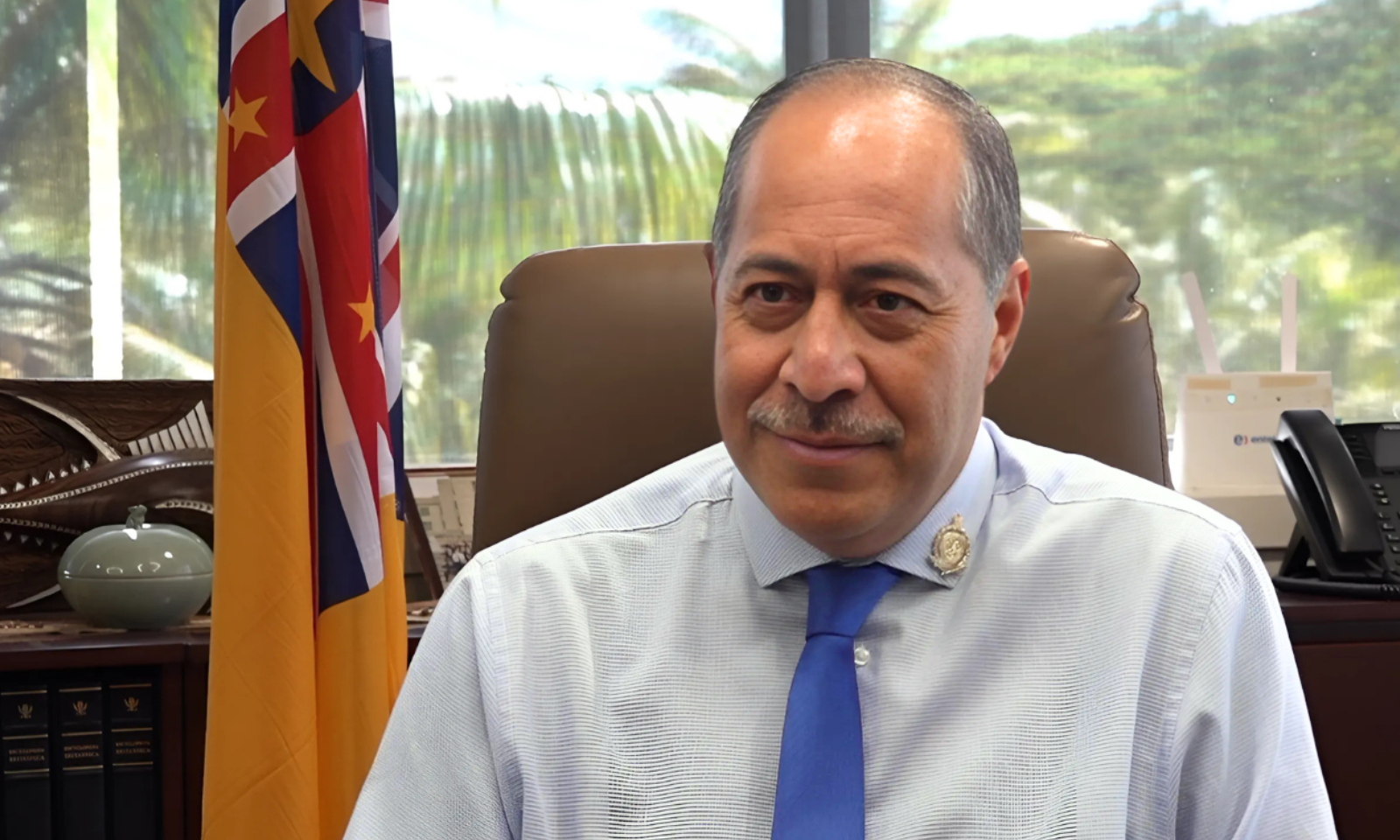
Prime Minister Dalton Tagelagi says the new project strengthens local control over climate action and puts Niue’s communities and traditional knowledge at the centre of resilience planning. Photo/PMN News
"As a small island nation, our survival depends on the health of our ecosystems and the resilience of our communities," Tagelagi said in his address at the Niue IECI launch.
"This initiative allows us to take a holistic approach, ensuring that our infrastructure is built to withstand climate impacts while simultaneously protecting our precious marine and terrestrial biodiversity.
"It places our people and our traditional knowledge at the center of our development and conservation efforts," the Niuean leader said.
The project channels funding through local governance structures, including the Niue and Ocean Wide (NOW) Trust, aimed at supporting longer-term environmental management beyond short-term project cycles.
Tagelagi said the focus is on long-term resilience for future generations. "This project is not just about funding; it is about securing the future of Niue.
"By building resilient infrastructure and safeguarding our natural resources, we are ensuring that future generations can continue to thrive on our beautiful island," he said.
“By combining sustainable infrastructure, renewable energy, and inclusive financing, this new initiative in Niue is creating a model for how island nations can strengthen resilience while safeguarding their natural systems that sustain local communities and the economy,” Orissa Samaroo, Vice President of the Global Environment Facility, said in a joint statement.
“What makes this project so critical right now is that it recognises these challenges are interconnected and must be addressed together to help protect Niue's vibrant marine and coastal biodiversity.”
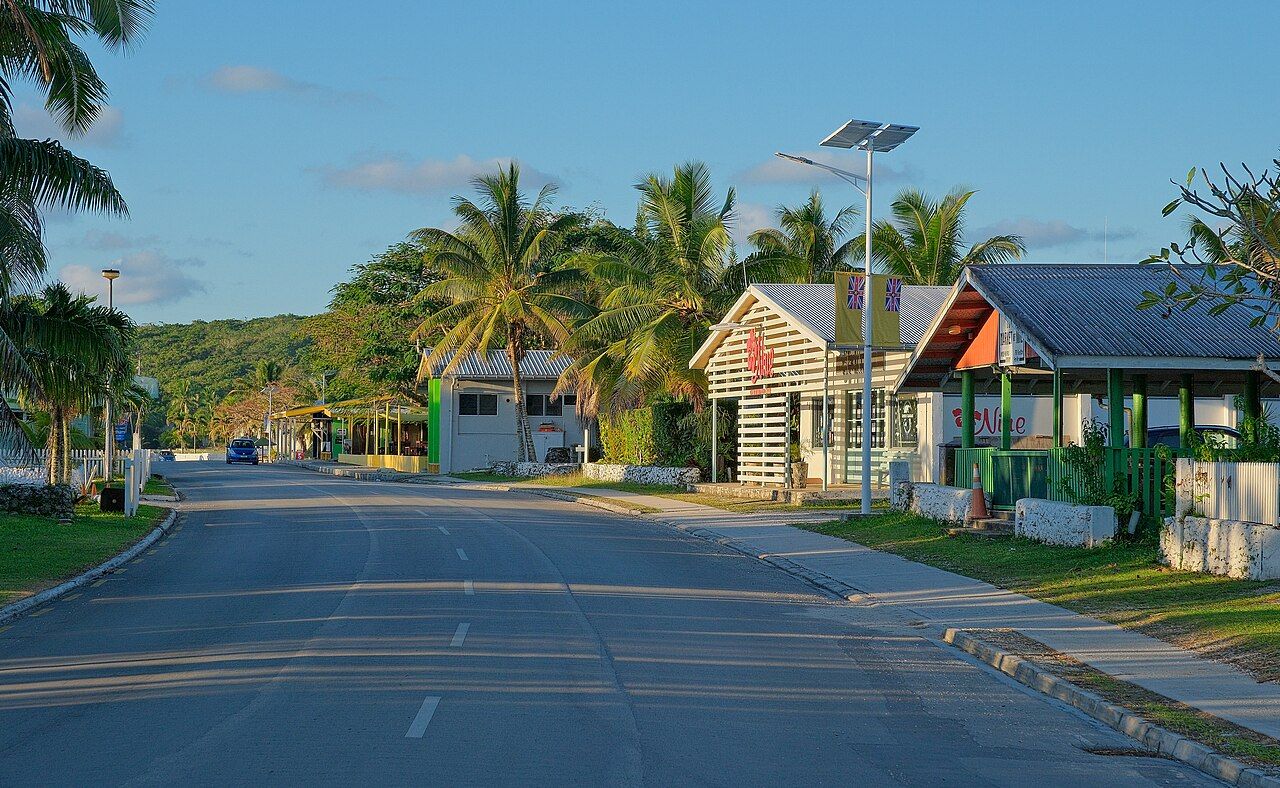
The project will fund solar-powered emergency shelters, coastal restoration, and cleaner energy systems for frontline communities across Niue. Photo/Wikipedia/file
The project will focus on upgrading infrastructure in coastal and remote communities, where climate impacts are most strongly felt.
This includes building multi-purpose emergency shelters powered by solar energy and equipped with water collection systems to maintain basic services during cyclones.
It will also support the restoration of vulnerable coastal areas using nature-based solutions and local knowledge, alongside efforts to reduce reliance on imported fossil fuels through cleaner energy systems.
The programme is expected to directly benefit around 1142 people, more than 70 per cent of Niue’s population.
Officials say community leadership will be central to how the project is delivered, alongside technical support from international partners.
Claude Gascon, Interim Chief Executive Officer and Chairperson of the Global Environment Facility, said local involvement will be key to long-term success.
“Through an integrated approach and focus on the key roles communities play in supporting long-term resilience, this initiative will strengthen environmental governance, support resilient and low-carbon infrastructure, and restore coastal terraces,” Gascon said in the joint statement.
The project is now moving into its early implementation phase, with consultations planned across Niue to shape final design details, including gender considerations, environmental safeguards, and community priorities.