‘It’s us, we’re the issue’: Pacific documentary confronts colourism
Atutahi Potaka-DewesTue, 19 May
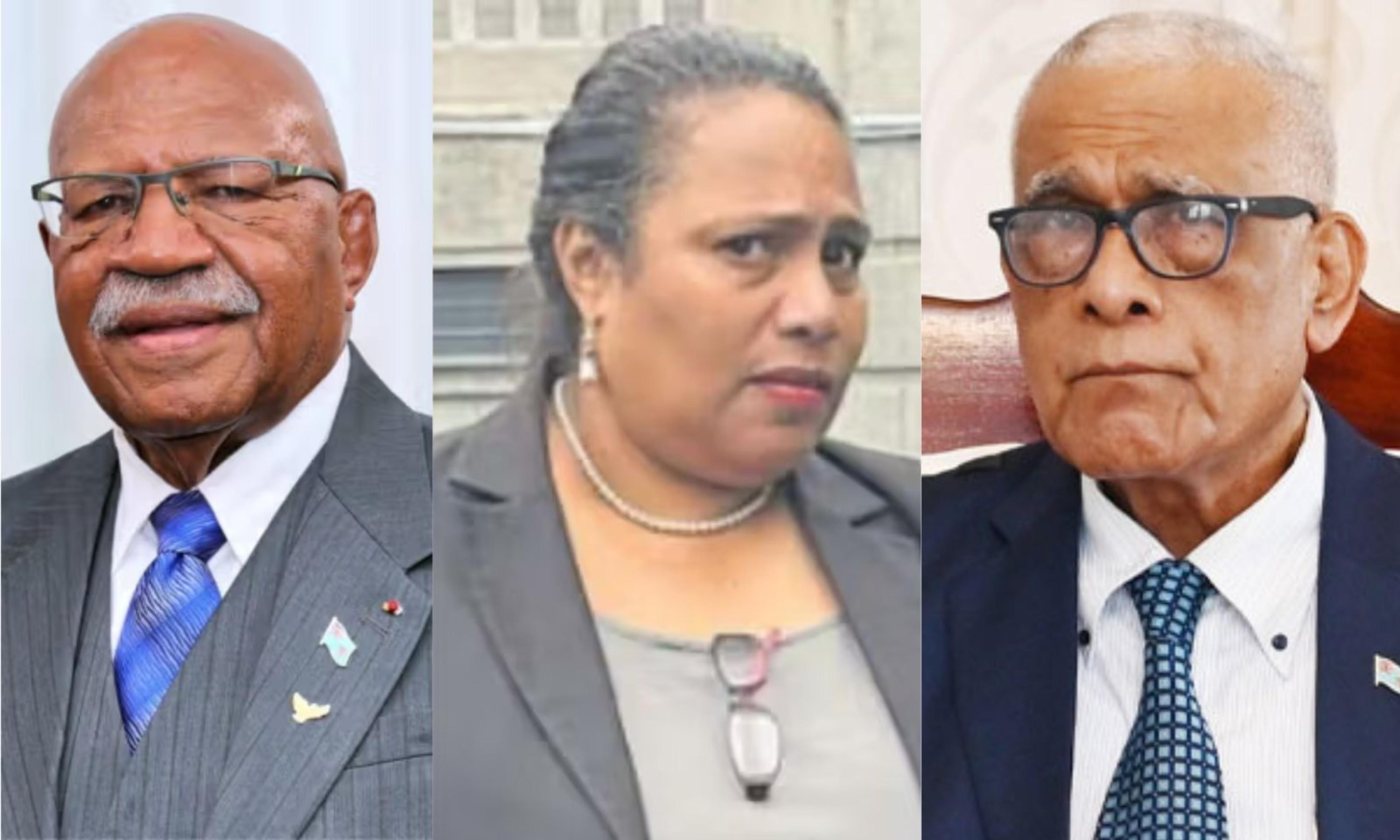
A legal fight with political consequences: Rabuka appeals Malimali ruling. At right is Fiji's President Ratu Naiqama Lalabalavu who acted on the PM's advice.
Photo/Supplied
The move keeps a political storm alive and puts the spotlight on leadership, accountability, and the rule of law, writes PMN senior journalist Christine Rovoi.




Just when it seemed Fiji’s political drama might be settling down, Prime Minister Sitiveni Rabuka has added another twist.
Rabuka has decided to appeal the High Court ruling that found the dismissal of Fiji Independent Commission Against Corruption (FICAC) commissioner Barbara Malimali was unlawful.
In doing so, he has shown that the decision to pursue the appeal was his. Rabuka told local media that he personally recommended the appeal to the President.
He also acknowledged the ruling affected him directly, because he was the one who advised that Malimali be removed from the role.
That admission matters. It shifts the debate from a legal dispute to a political one about responsibility and leadership.
The High Court ruling in February was already a major moment. Justice Dane Tuiqereqere found that the Prime Minister did not have the authority to dismiss Malimali.
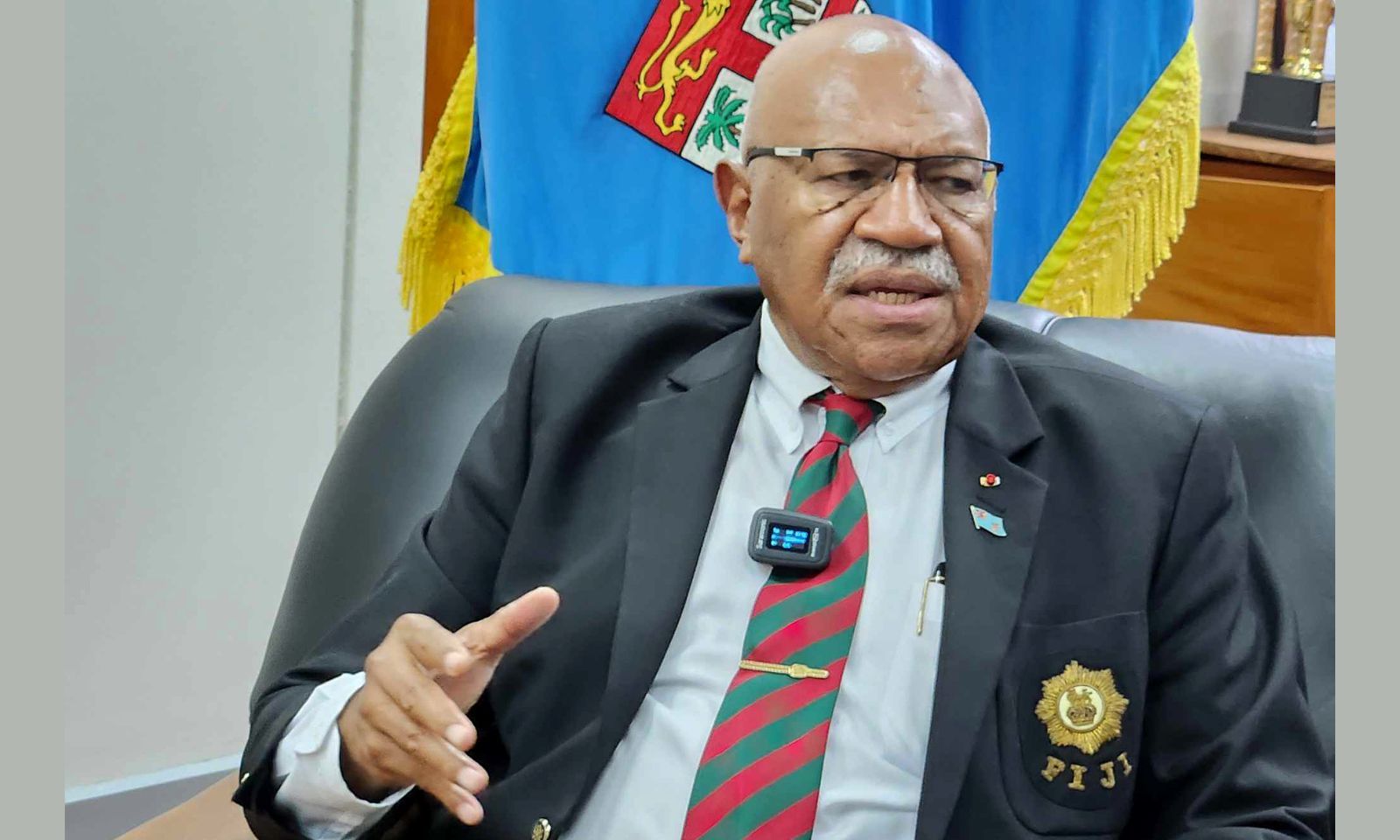
Fiji’s political drama continues as Prime Minister Rabuka appeals the High Court ruling on FICAC chief Barbara Malimali’s dismissal. Photo/Fiji govt
The court said the power to appoint and remove the FICAC commissioner sits with the Judicial Services Commission, with the President acting on its advice.
In simple terms, the court found that the process used to remove Malimali was not lawful.
Rabuka responded at the time by saying he would either appeal the decision or step down if an appeal failed.
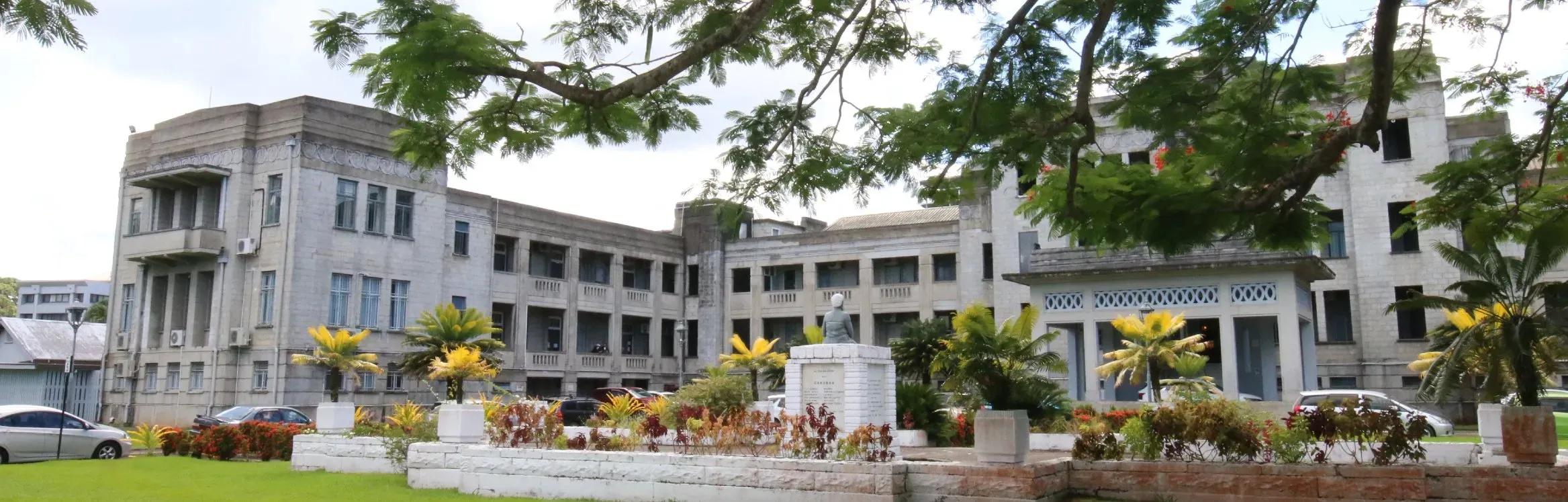
Fiji's High Court: Rabuka challenges the judge's decision, keeping the nation's anti-corruption leadership dispute in the headlines. Photo/Fiji govt
Since then, his position has shifted: first signalling an appeal, then appearing to step back from it, and now moving ahead with the challenge in court.
That back-and-forth has only added to the public interest in the case.
The appeal is wide-ranging. It challenges the High Court ruling in full. Rabuka’s lawyers are challenging the entire judgement, arguing the High Court made several errors in interpreting Fiji’s Constitution and the law governing the anti-corruption commission.
The appeal also asks the court to allow acting commissioner Lavinia Rokoika to remain in the role while the case continues.
But the legal arguments are only part of the story.
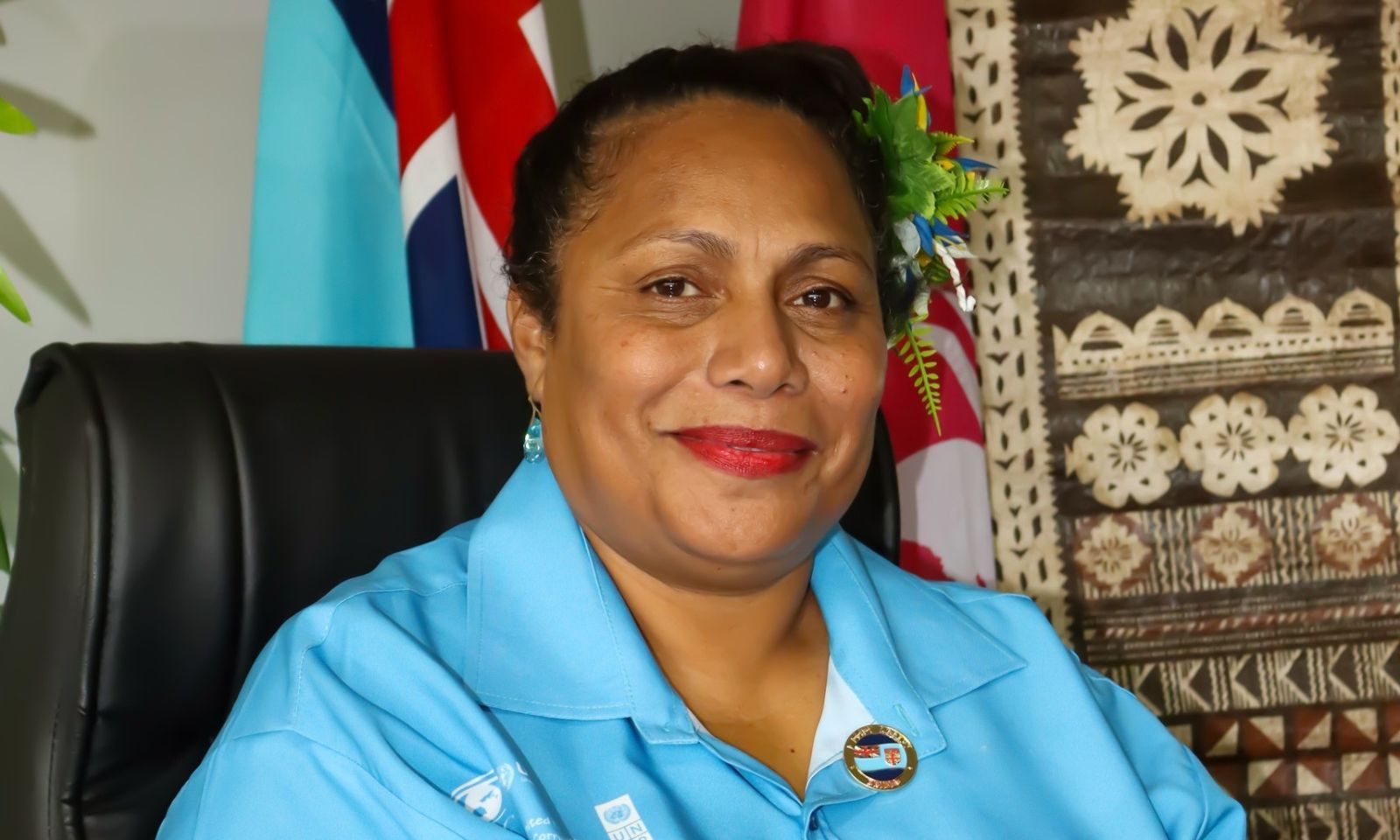
The appeal over Barbara Malimali’s sacking shifts the debate from law to political accountability. Photo/Supplied
The case is significant because it raises broader questions about power and accountability in Fiji’s democracy.
FICAC is meant to be independent. It exists to investigate corruption and hold people in power accountable. Because of that, any dispute over how its leadership is appointed or removed will always attract close public attention.
If the courts decide that political leaders have too much influence over the process, that could raise concerns about the independence of the institution.
On the other hand, if the appeal succeeds, it could reshape how the law is interpreted in future.
Either way, the outcome will matter far beyond this single case. There are also political stakes for Rabuka personally.
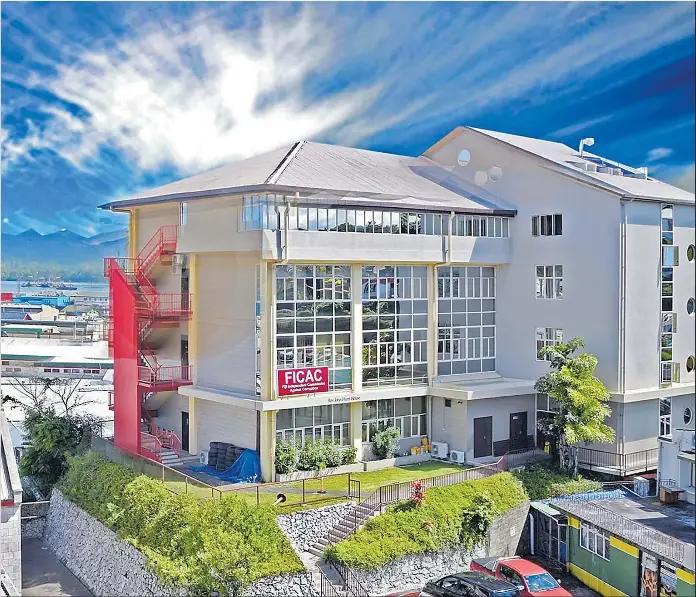
High stakes for Fiji’s Prime Minister as legal challenge to FICAC dismissal moves forward. Photo/Fiji Times
Earlier this year, he said he would consider stepping down if the appeal failed. More recently, he has said any decision about his future would depend on the outcome of the court process.
That leaves Fiji in an unusual position where a legal appeal could also become a political test for the Prime Minister.
Some academics and political observers say the dispute has increased pressure on Rabuka's coalition government.
At the same time, supporters of the Prime Minister argue that appealing a court ruling is a normal part of the legal process. In their view, asking a higher court to review the decision simply allows constitutional questions to be settled properly.
Both points can be true. Appeals are a standard legal step. But in politics, timing and perception also matter.
For many people watching this unfold, the real question is no longer just about the technical details of constitutional law. It is about confidence in leadership and trust in public institutions.
The courts will now decide whether the High Court got it right.
Until then, Fiji remains in a political holding pattern.
What started as a dispute over the removal of an anti-corruption chief has now become something bigger: a test of how power, accountability, and the rule of law work in practice.
And with the Prime Minister personally backing the appeal, the outcome could shape not only the future of this case, but also the direction of Fiji’s political story in the months ahead.