‘Soul resuscitation’: Pioneering Vagahau Niue and cultural connection down South
Atutahi Potaka-DewesFri, 23 Oct
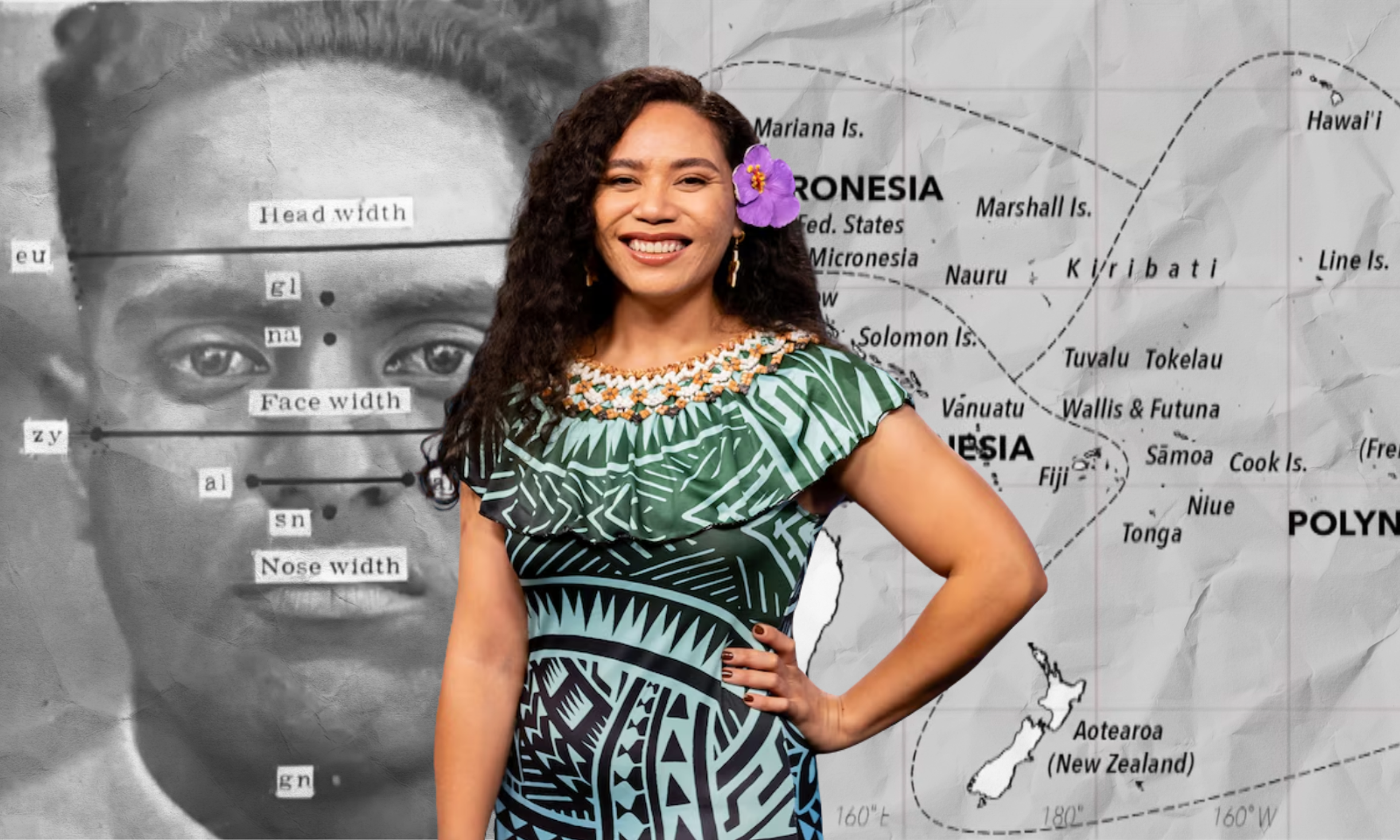
Alice Lolohea.
Photo/PMN Composite
ABC Pacific presenter and journalist Alice Lolohea’s latest project asks why skin tone bias still shapes how Pasifika see each other and themselves.

When ABC Pacific’s documentary Does the Pacific have a problem with blackness? went live, it sparked a wave of reaction across the region, reopening a conversation many Pacific communities have long avoided.
Produced by journalist Alice Lolohea, the film looks at colourism - discrimination based on skin tone - and how it continues to shape attitudes in Pacific societies today.
While the issue is not new, it is becoming harder to ignore in the social media age where conversations about appearance and identity are more public than ever.
Lolohea’s work builds on a steady wave of recent media confronting these deep-seated biases, including Coconet TV’s Myths and Maidens, which tackled societal views on women of colour.
The battleground of skin tone is often most visible in the spotlight of Pacific pageantry.
Earlier this year, Pacific Days hosted a poignant panel discussion featuring Miss Solomon Islands 2024 Elsie Polosovai, who spoke on her first-hand experiences with colourism.
Watch the full panel discussion below.
It is a world Lolohea knows well.
“What I did realise growing up is that I was always surrounded by these colourist conversations,” she tells Pacific Days. “The way that aunties would describe babies and children.
“Social media has just amplified this issue, where you see people going at each other and calling each other names.”
While Pacific people span a vast spectrum of shades, those with darker skin tones or Black heritage face persistent discrimination.
This also plays out commercially. The doco highlights a thriving market for skin lighteners and brighteners in Tonga, where products labeled “Fair and Lovely”, “Light and Natural”, and Carotone creams are easily accessible.
Tongan entrepreneur Pauline Bourke, who sells similar products and features in the doco, admits demand remains high in the Kingdom because people want to “become more beautiful”.
It is a painful reality that echoes actor Lupita Nyong’o’s famous sentiment, “Colourism is the daughter of racism”.
Yet, as Lolohea’s reporting reveals, the root of the problem in the region is uncomfortably close to home.
"What was interesting to find was that the main perpetrators of this problem in the Pacific region are Polynesians," Lolohea says. "Embarrassingly so...it’s us. We’re the issue."
531pi radio host Carolanne Toetu’u is also featured in the documentary, recalling a time in Tonga when she heard comments about a baby, “What a waste, they are so good looking, but they’re black”.
For Toetu’u, dismantling this narrative meant taking immediate action when her son came home from school bringing up colourist comments.
She used it as a pivotal moment to actively shape the language in her household, teaching her sons that dark skin does not equal “dirty”.
Lolohea similarly believes the best way to break the cycle is to address it at the roots.
“We really need to change the language that we use when we’re talking to our families, to our children as well,” she says.
The online response to the documentary suggests Pacific people are more than ready for this reckoning, with comment sections applauding colourism being addressed head-on.
As one commenter notes, “Colourism among Pacific Islanders exists because racism does. Europeans historically treated lighter presenting islanders better and that gets internalised over generations, that's not a mystery or a personal failing, that's how oppression works on a community.”
For Lolohea, the aim of the film is not to shame, but to open space for honesty. It asks Pacific audiences to reflect on how everyday language and attitudes shape identity and whether change needs to start in families, schools, and media.
As the response shows, many Pacific people are ready to have that conversation, even if it is uncomfortable.