Tonga community partnership wins global environmental award
Khalia StrongFri, 09 Oct
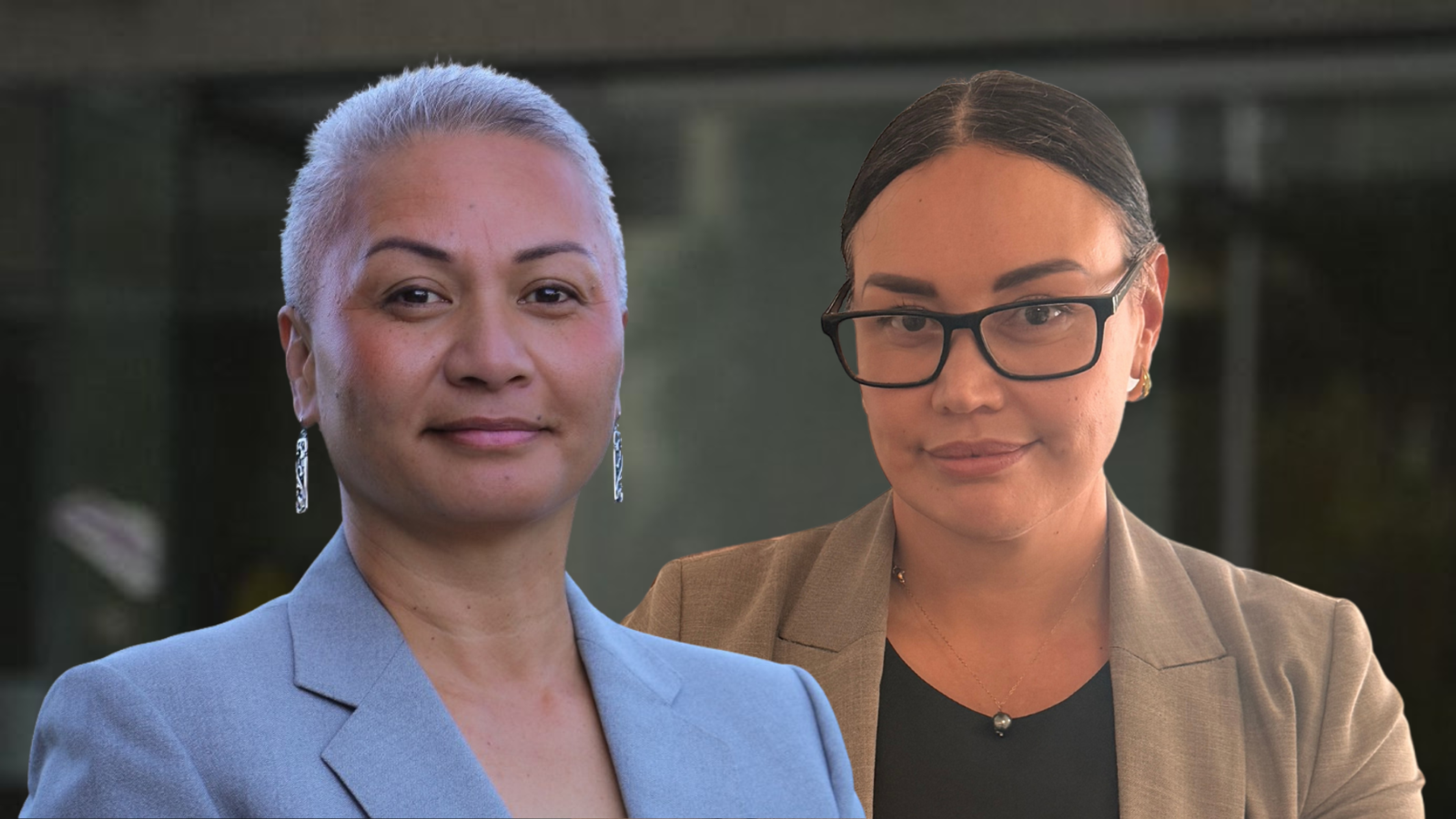
Green Party co-leader Marama Davidson and advocate for the homeless Danielle Le Gallais discuss the move on legislation.
Photo/Green Party/Supplied
As the Government moves to expand police powers in public places, Pacific communities and advocates warn the policy could deepen housing pressures and reshape political trust ahead of the election.



Housing insecurity, public safety, and homelessness are becoming key issues shaping how Pacific communities view political leaders ahead of the New Zealand election.
For many Pacific families, the debate is not just about law and order, it is about poverty, overcrowding, and where people are expected to go when they have nowhere to live.
The Government’s proposed move-on powers legislation has become a flashpoint in that debate.
Under the proposed law, police could issue move-on orders to people aged 14 and older for rough sleeping, begging or disruptive behaviour, requiring them to leave an area for up to 24 hours.
Justice Minister Paul Goldsmith says the Bill allows policeto issue move-on orders as a tool to deal with disorderly behaviour in public places.
“We currently have many tools to help those who are in need, including access to one of the most generous welfare systems in the world, but we have limited tools to deal with disorderly behaviour,” Goldsmith says in a statement.

There are questions about proposed legislation to ask rough sleepers to move. Photo/File
“It means many disruptive, distressing, and potentially harmful acts can occur before police officers have any means of intervention. This legislation changes that.”
Goldsmith does not accept accusations that the Bill criminalises homelessness: “What we’re criminalising is refusing to follow a move-on order.”
But an advocate working directly with people sleeping rough says the proposal risks overlooking the realities of housing insecurity.
Danielle LeGallais, criminal defence barrister and Sunday Blessings Auckland co-founder, says housing insecurity is already deeply felt in Pacific and Māori communities, even if it is not often visible.
“We all know someone who's experiencing housing insecurity, whether it's sleeping outside, on the couch, the garage or going in emergency housing,” LeGallais tells PMN News.
“They are just too embarrassed to tell us, unless we have created a safe space for them to talk.”
Census 2023 data shows 38.5 per cent of Pacific people live in overcrowded homes, of the highest rates in Aotearoa.
LeGallais, who has also experienced homelessness, says move-on powers risk making things worse for people who already feel pushed to the edge.
“The connection to their physical space is so strong that being asked to move is just like severing the last connection they have,” she says.
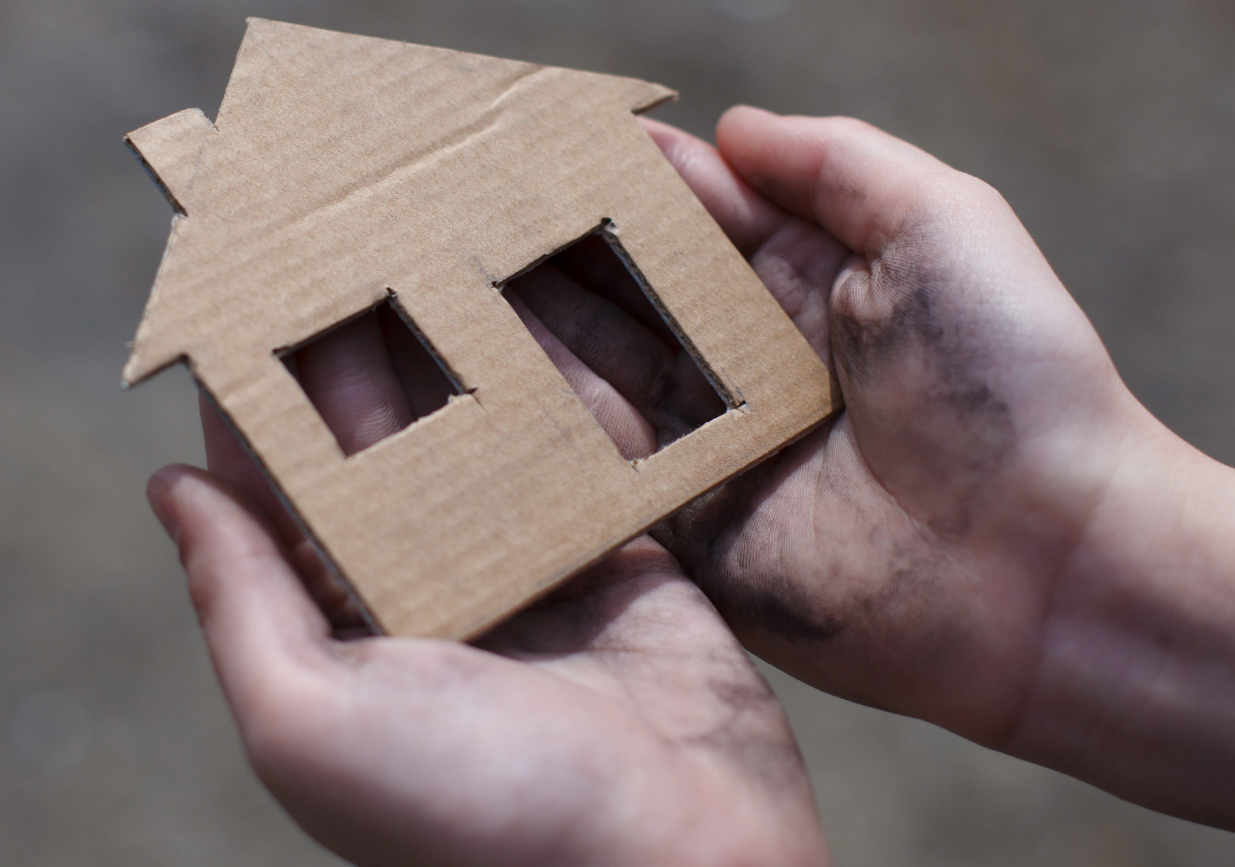
Overcrowding disproportionately impacts Pacific communities, along with insecure housing. Photo/File
“Where is a safe space where they can go, where they won't be harassed by police, where they won't be asked to move just for sitting there, when you literally have nowhere else to go?”
LeGallais says many of the issues behind the legislation already exist in current law, including disorderly behaviour and trespass powers,, which can cause confusion for people living on the streets.
“A lot of them didn't understand that this wasn't already happening because I think people are confused as they are actually already experiencing a soft version of the move-on orders as it is.”
The Bill was introduced to Parliament this week and is expected to go to the select committee in the coming months where it will face further scrutiny.
But Green Party co-leader Marama Davidson says Pacific voters are paying close attention to how parties approach these issues.
Watch Marama Davidson's full interview below.
“Pacific community, hot. I mean, everyone’s after a piece,” she tells William Terite on Pacific Mornings. “No one owns any votes. No one owns any seats.”
Davidson says Pacific communities are watching closely as decisions are made that directly affect their daily lives.
“What Pacific people are telling us that they would like to highlight are the impacts of cost of living, the impacts of climate change, not just here, but on Pacific nations, and the impact of racism,” she says.
As the general election draws close, the debate over homelessness and public safety is becoming a test of which parties Pacific voters believe can deliver stability, dignity, and real support in uncertain times.