Pacific women have waited long enough for equal pay in NZ, says former commissioner
Thomas Tarurongo WynneTue, 06 Oct
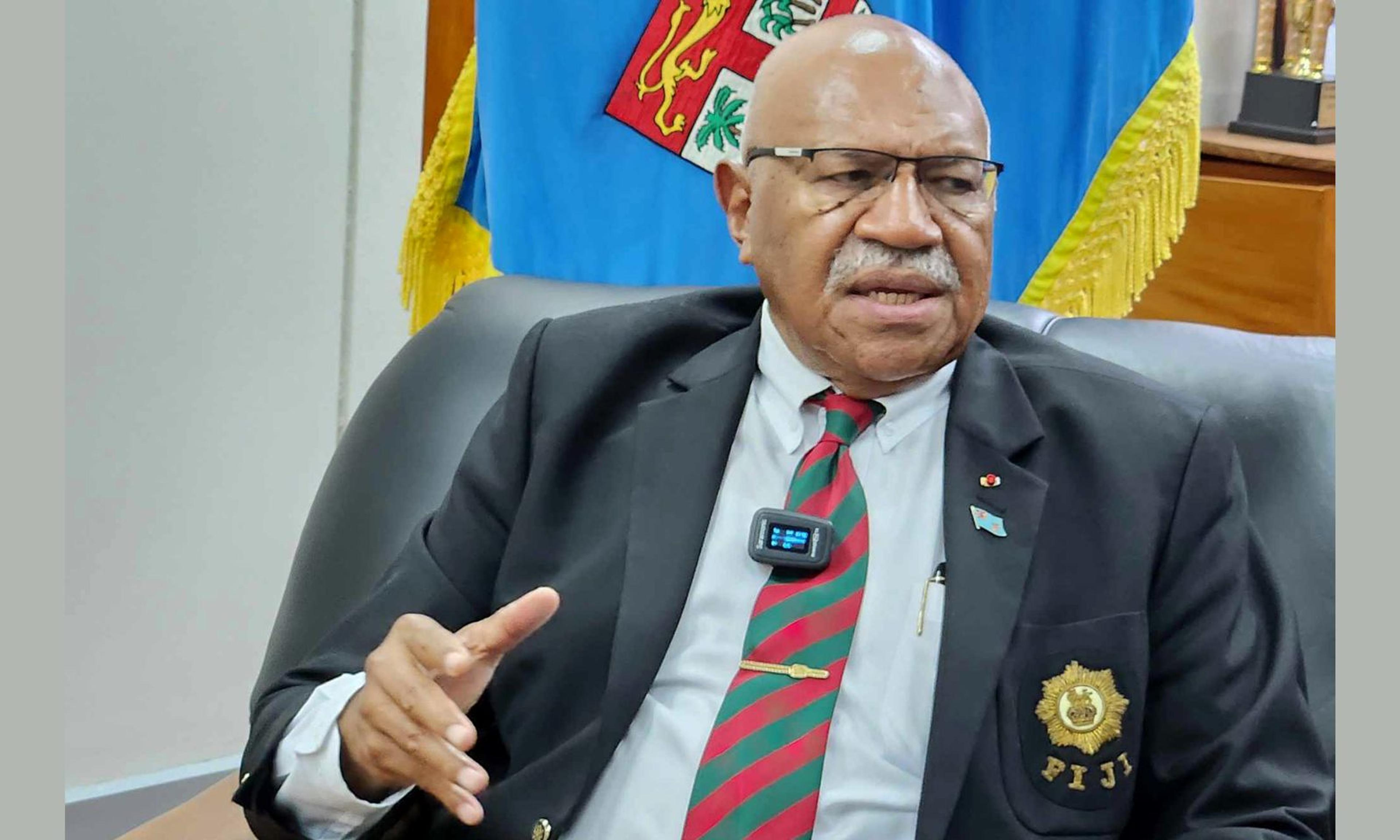
Fiji Prime Minister Sitiveni Rabuka has addressed the media after the High Court ruling against his dismissal of the FICAC Commissioner.
Photo/The Fiji Times/Talebula Kate/file
Sitiveni Rabuka has told local media that he is considering stepping down if his appeal against a High Court ruling fails. The court found his sacking of Barbara Malimali unlawful.


Fiji's Prime Minister Sitiveni Rabuka has signalled he may resign if his appeal to the Supreme Court fails following a High Court ruling that he acted without constitutional authority in dismissing the country’s anti-corruption chief.
The high court decision on Monday has put Rabuka on the defensive, with the Prime Minister signalling on Tuesday that he may resign if his appeal is unsuccessful.
Calls are mounting for him to step aside. Rabuka has opened the door to resignation after a High Court ruled that his dismissal of Fiji Independent Commission Against Corruption (FICAC) Commissioner Barbara Malimali was unlawful.
Speaking to reporters, Rabuka acknowledged he personally took the decision to advise the President to remove Malimali and said he was prepared to take responsibility.
“I will consider it. I am considering it,” he said. Pressed further on whether resignation was a real option, the Prime Minister replied simply: “Yes. That is an option.”
The court found that Rabuka had no constitutional authority to advise President Ratu Naiqama Lalabalavu to sack Malimali in June 2025, following a Commission of Inquiry into her appointment.
Watch Sitiveni Rabuka address the local media below.
Justice Dane Tuiqereqere ruled that only the Judicial Services Commission (JSC) has the power to recommend the appointment or removal of the FICAC Commissioner.
Malimali challenged her dismissal through a judicial review, arguing that the Prime Minister’s actions breached both the 2013 Constitution and the FICAC Act.
The High Court ruling in her favour underscores the importance of the separation of powers in Fiji’s democracy and the independence of its institutions.

Barbara Malimali, the FICAC Commissioner at the centre of the legal challenge, celebrates her High Court victory. Photo/FICAC
Rabuka has directed that an appeal be lodged, which will now be heard by the Supreme Court, Fiji’s final appellate body.
No date has yet been set for the hearing, but the Prime Minister has made clear he intends to pursue every legal avenue.
“The rule of law remains paramount,” he said. “We will take the decision to the Supreme Court and respect the constitutional process.”
The case has sparked debate about executive authority and governance in Fiji.
Legal experts note that the ruling could have wider implications for government decision-making, particularly in the management of independent commissions.
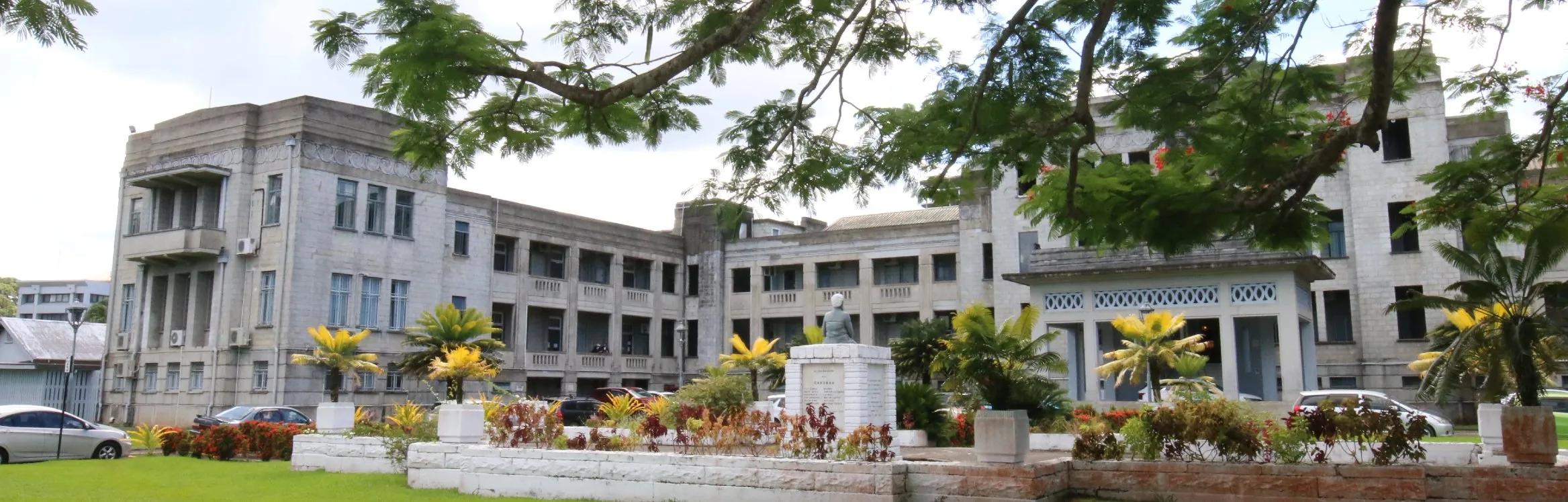
The High Court in Suva ruled on Monday that the dismissal of Barbara Malimali as FICAC Commissioner was unlawful. Photo/Fiji government
Malimali’s tenure as FICAC Commissioner was brief and controversial. Appointed in early September 2025, she faced immediate scrutiny and challenges, including allegations from her deputy of improper conduct and political interference.
Despite this, the court found that the process of her dismissal was unlawful.
Critics and opposition figures have seized on the ruling as evidence that the government overstepped its authority, while supporters of Rabuka argue he acted out of “constitutional necessity” at a time when the JSC was allegedly unable to function.
The court, however, rejected that argument. Rabuka emphasised that his government remains committed to democratic principles and constitutional processes.
He said the proceedings reaffirmed that Fiji’s judiciary operates independently and that there is no interference by the executive branch.

The case raises questions about executive authority and the independence of Fiji’s institutions. Photo/MatthiasSuessen
If the Supreme Court upholds the High Court’s ruling, Rabuka faces growing pressure to resign, a step he has not ruled out.
Meanwhile, the Malimali case highlights the fragile balance between executive power and independent institutions in Fiji, and the ongoing challenges of strengthening governance after years of political turbulence.