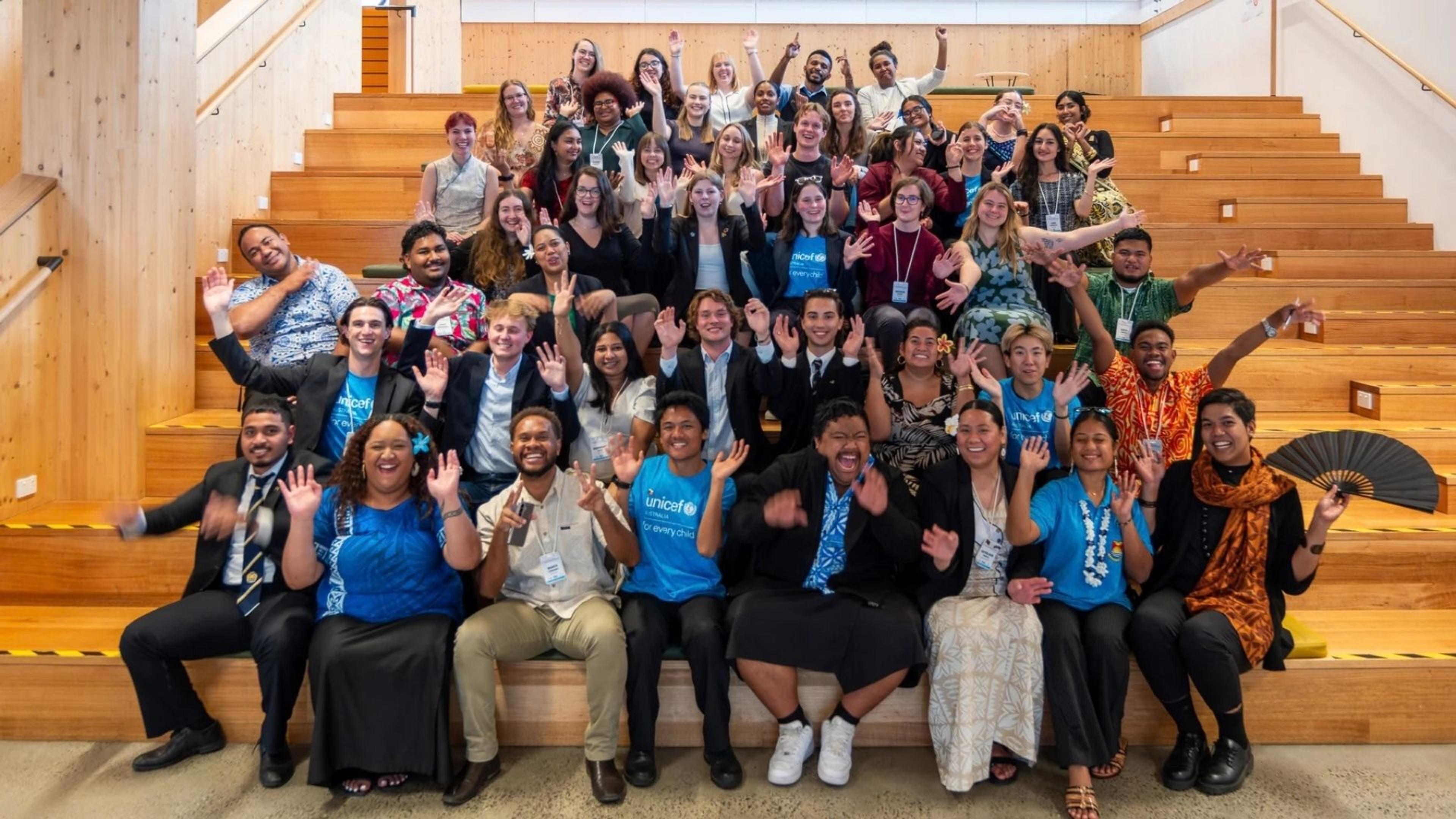
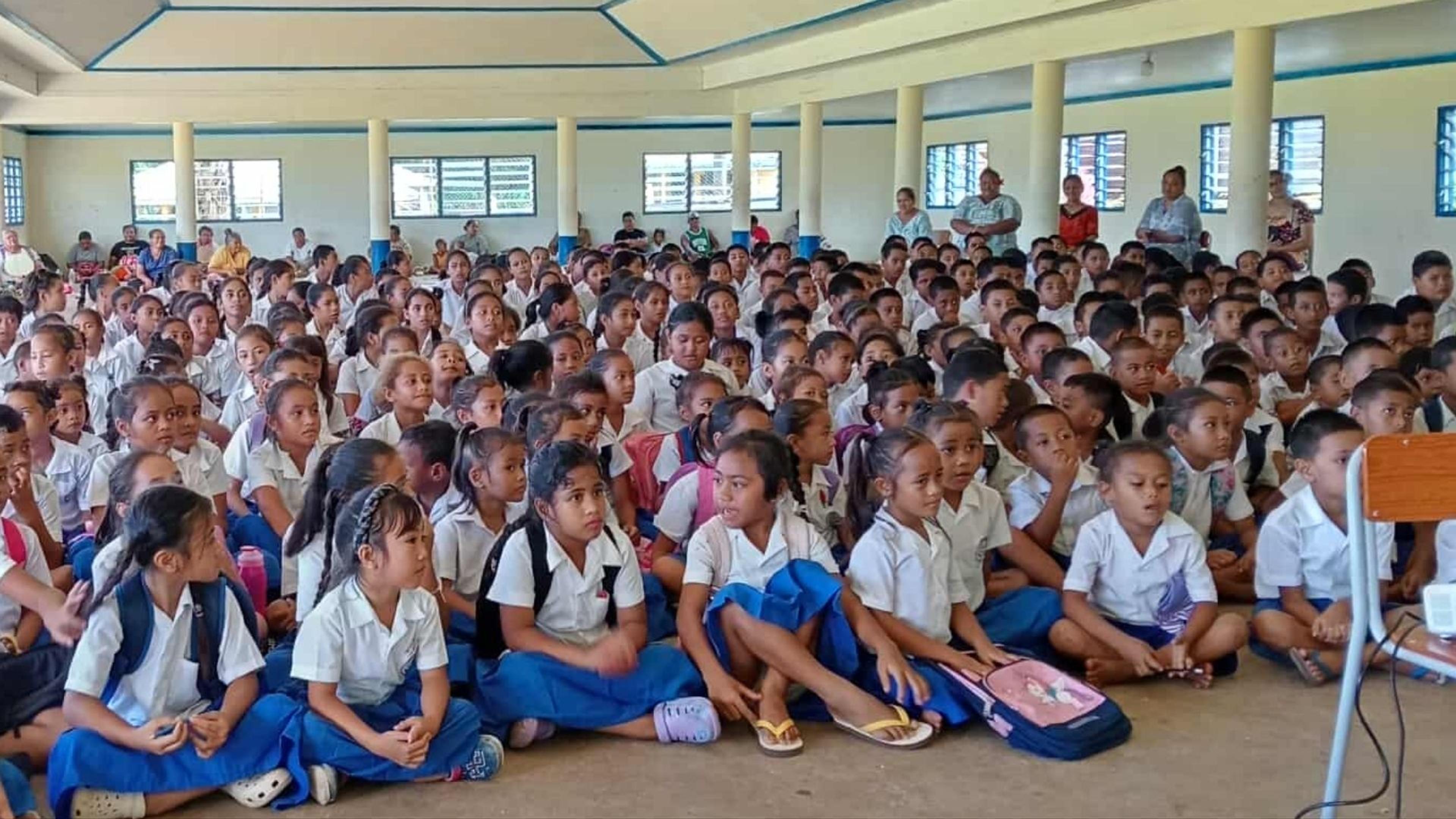
Students in Sāmoa are facing growing heat in classrooms as new research examines how rising temperatures and humidity are affecting learning and wellbeing across the islands.
Photo/Sāmoa Fire and Emergency Services Authority
Environment
The Pacific Heat Stress: Experts warn of hotter classrooms and more extreme weather ahead
A Sāmoa study shows rising classroom heat is affecting children as scientists warn a developing El Niño could intensify extreme weather across the Pacific and New Zealand this winter.

Christine Rovoi
Published
19 May 2026, 11:48am
Share
Copy Link
Top stories

Sāmoa Ombudsman raises concerns over local news reporting of siblings’ deaths
Renate RiversFri, 18 Sep

Top stories
Sāmoa Ombudsman raises concerns over local news reporting of siblings’ deaths
Renate RiversFri, 18 Sep
Children in Sāmoa are facing growing heat stress in classrooms as new research reveals how rising temperatures and humidity are affecting learning, health, and wellbeing across the Pacific island nation.
The study, led by Dr Roannie Ng Shiu from the University of Auckland and the National University of Sāmoa, is measuring heat levels in five primary and secondary schools.
The team is also speaking with students and teachers about how extreme conditions affect daily school life.
In her report, Shiu says climate change is already being felt in classrooms where there is little protection from rising heat.
“Climate change is having a significant impact on the Pacific and there are no cooling systems in these schools," she said.
“If we can quantify how much heat and humidity impact children, then hopefully we can improve their learning environments, so they can flourish."
She says there is still very little data on how heat affects children in the Pacific, even though schools are often at their hottest during the day when students are trying to learn.
“Children are at school at the hottest time of day so it’s important to understand how that influences their health and their learning.”
In Vanuatu, following a major cyclone, some classes have had to move into makeshift tents and outdoor spaces after school buildings were damaged.
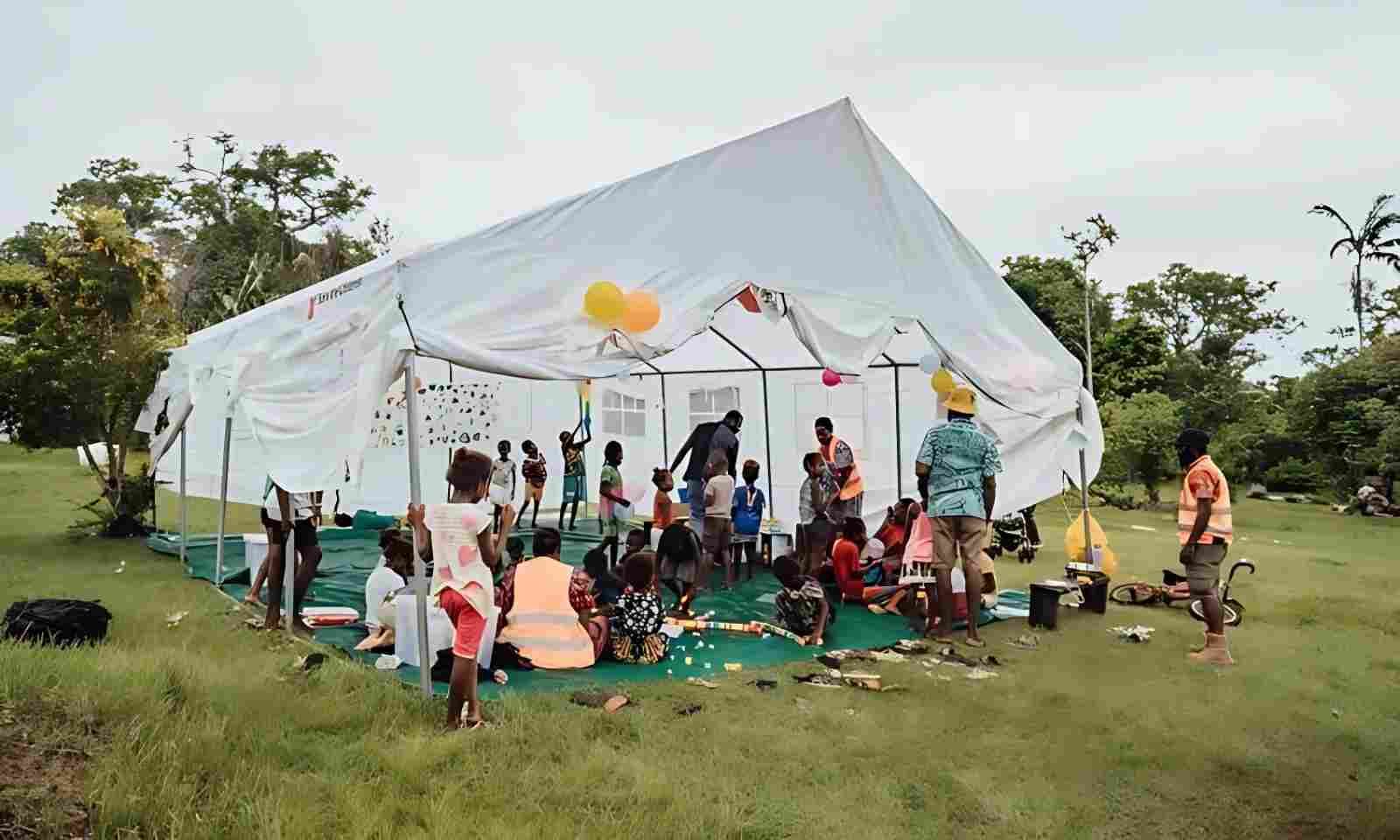
In Vanuatu, some classes have been held in makeshift tents and outdoor spaces after cyclone damage, with students learning in hot and exposed conditions. Photo/Supplied
With limited shelter, teachers say students are now trying to learn in difficult conditions, often exposed to heat and humidity.
One teacher told local media the impact is already clear in the classroom.
“We can see the children struggle when the heat is strong. They get tired quickly, they cannot focus for long, and it affects the whole classroom,” she said.
“We do our best, but the weather is changing faster than the support we have.”
Researchers say the impacts go beyond comfort with extreme heat linked to tiredness, poor concentration, and stress in the classroom.
In some cases, students are also being affected by wider climate pressures such as cyclones and flooding.
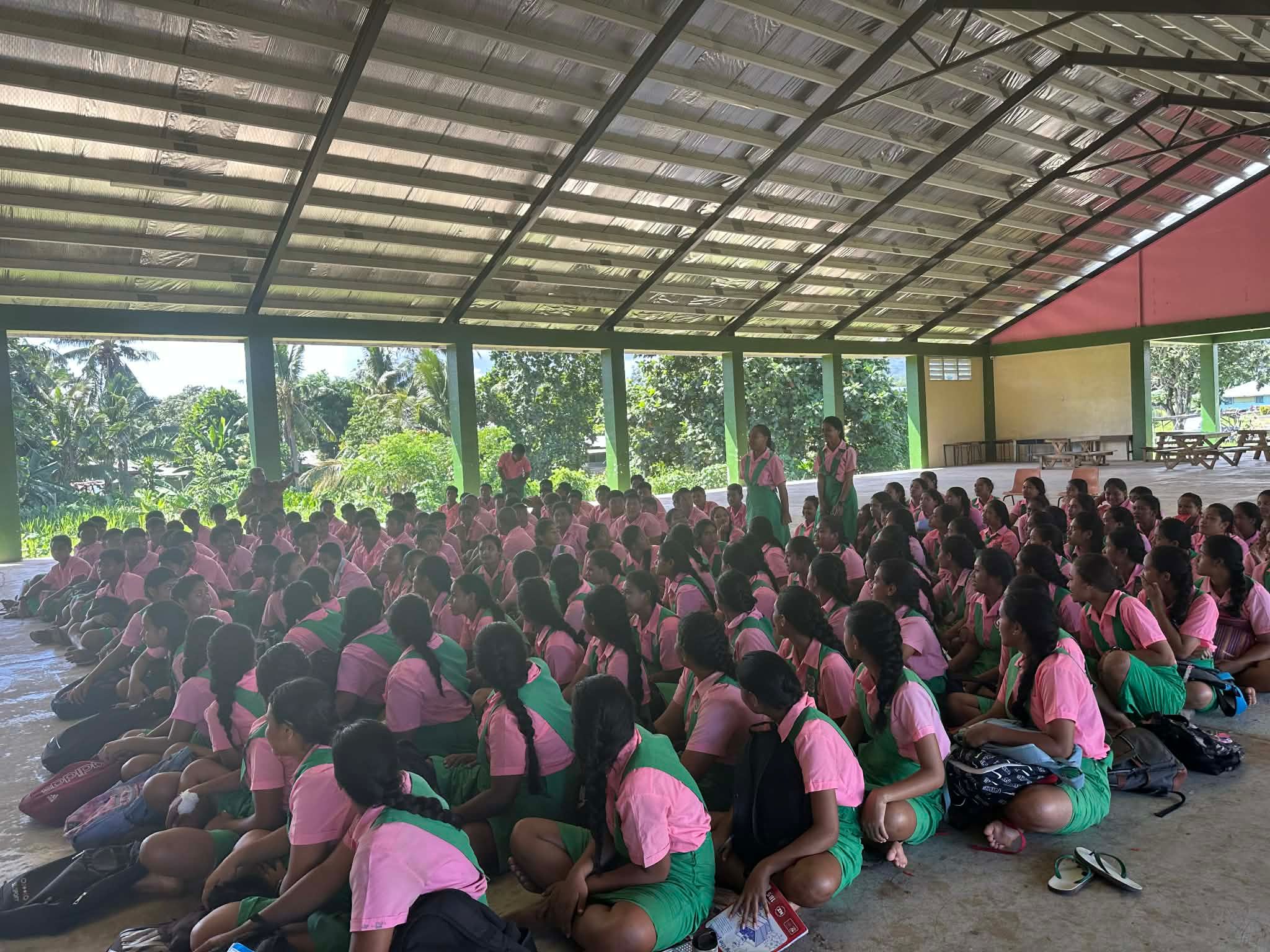
A Sāmoa study is measuring heat and humidity in classrooms with researchers warning that rising temperatures are making it harder for children to concentrate during lessons. Photo/UN in Sāmoa
Shiu says this combination of events is putting children under increasing pressure.
“Children should have the right to grow up without having to worry about extreme weather events, which happen all the time now," she said.
“They have the least power to do anything, so we’re passionate about projects that help reduce the impacts of climate change on children.”
The findings from the study will be used to help guide school planning and regional responses, including ways to improve classroom conditions.
Researchers also plan to turn the results into children’s storybooks so younger audiences can better understand what is happening.
The work of the United Nations Children's Fund (UNICEF) in the Pacific consistently highlights that children in the region are among the most exposed globally to extreme heat, cyclones, and climate shocks, with education and wellbeing directly affected.
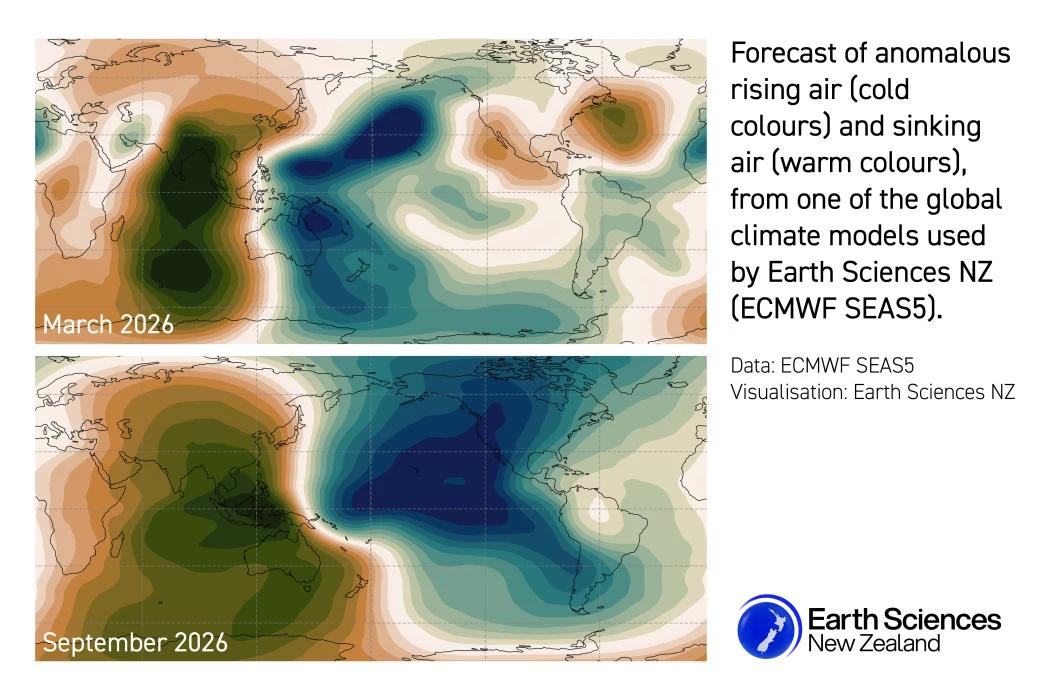
Scientists and agencies warn that rising temperatures and changing weather systems, including El Niño, are increasing pressure on schools and children across the Pacific.
A UNICEF analysis on climate and children in the East Asia and Pacific region says heat is already disrupting learning and health across schools.
UNICEF also warns that Pacific children are especially vulnerable because many communities face compounding climate risks including heatwaves, drought and storms, alongside limited infrastructure to cope with rising temperatures.
“Children are more vulnerable than adults to the effects of climate change, and excess heat is a potentially lethal threat to them,” Debora Comini, UNICEF Regional Director for East Asia and the Pacific, says in a statement.
Alongside local heat stress, scientists say wider Pacific weather systems could make conditions more extreme in the months ahead.
Associate Professor Daniel Kingston, a geographer at the University of Otago, says a developing El Niño system is expected to shift weather patterns across the Pacific this winter.
“It upsets the whole balance of how our weather works across the Pacific," he told William Terite on Pacific Mornings. "So areas that are usually wet become dry and areas that are usually dry become wet.”
Watch Daniel Kingston's full interview below.
Kingston says El Niño events can also intensify global warming trends with knock-on effects for the Pacific region.
“We’ve got all of that in the backdrop of climate change too… El Niño tends to result in some of the warmest years on record," he said.
"So we could expect a spike in global temperature patterns, and that influences the Pacific, and how big some of those storms get.”
Scientists say the combination of rising temperatures, shifting rainfall patterns, and stronger seasonal climate systems highlights the need for urgent planning across Pacific schools.
The Sāmoa study, funded by the International Science Council, is expected to release its findings later this year and will be used to help shape education and climate adaptation planning across the region.