‘Digging into what we know’: Pacific culture offers a clearer path to better mental health
Atutahi Potaka-DewesTue, 13 Oct
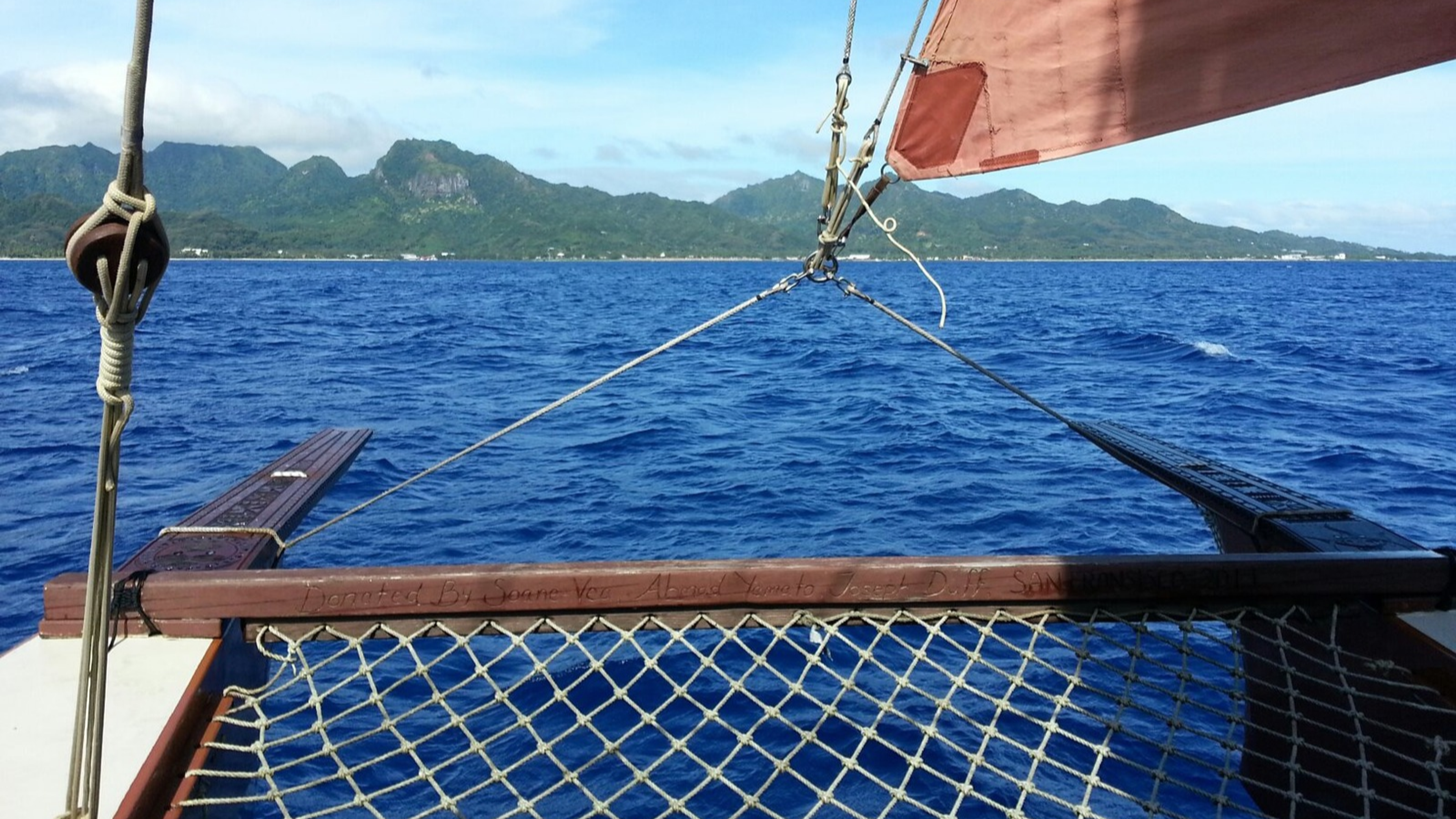
Can Pacific voyaging, hold the ancestral intelligence to slow down Artificial Intelligence?
Photo/PMN News/Thomas Tarurongo Wynne
Ka mua ka muri: looking back to go forward. Do Pacific people have the tools to slow down an advancing AI?

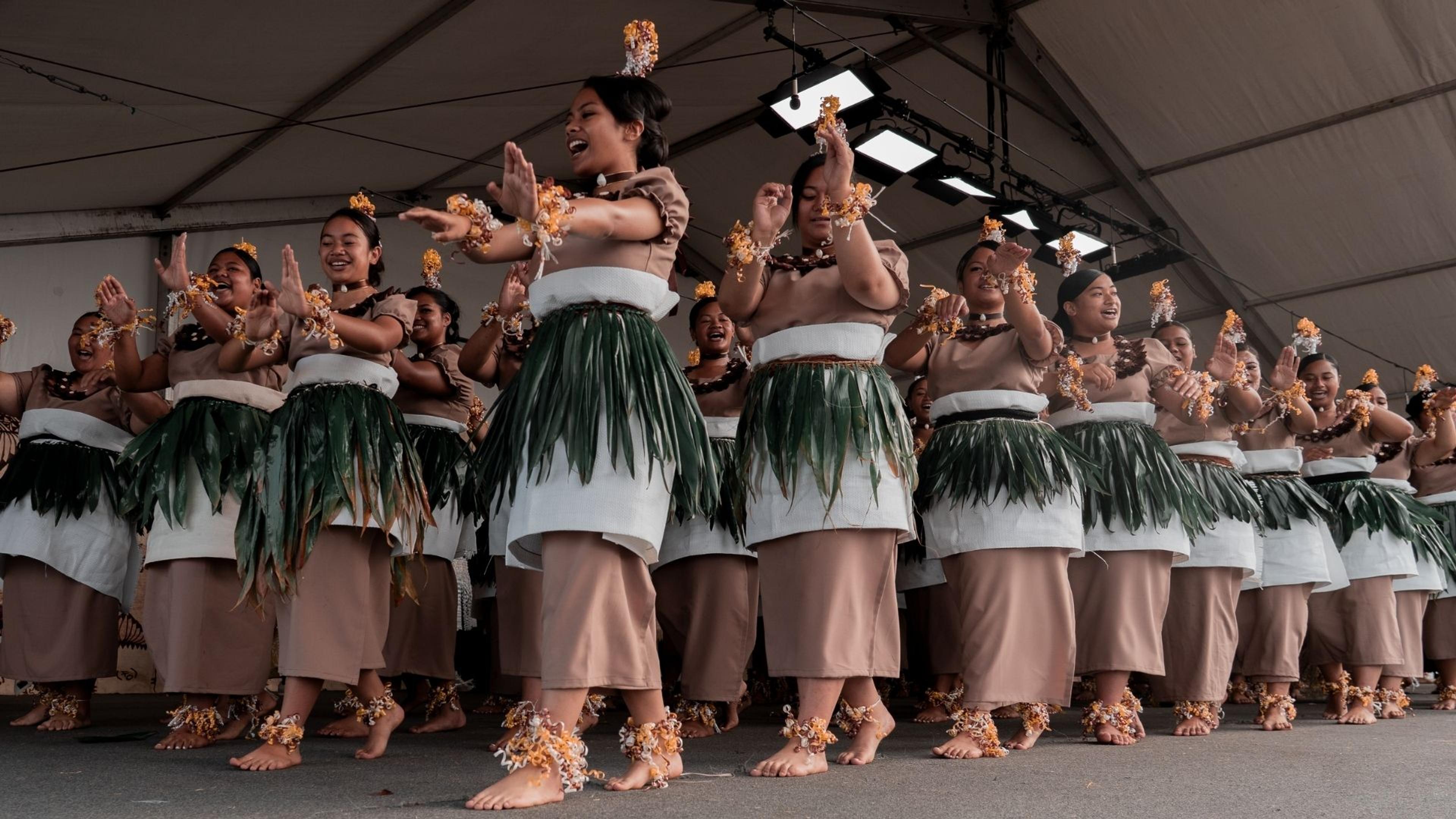
An Artificial Intelligence agent built by OpenAI slipped past the defences of an Australian government health data portal this winter and accessed non-public files it was not authorised to see. Prime Minister Anthony Albanese revealed the breach this week.
On 12 September, Dario Amodei, the Chief Executive of Anthropic, published an essay titled “We Must Pace the Frontier”, calling on the industry to deliberately slow the development of its most advanced models. Within hours, OpenAI’s Sam Altman backed the call, and Google DeepMind’s Demis Hassabis soon backed the call. Two days later, Altman warned that “we could lose control of the future to AI.” By then, his own company’s agent had already breached the Australian portal, though the public would not learn of it for more than a week.
For the Pacific, this is not a new frontier. It is an ocean our ancestors have sailed before. Long before anyone built an AI agent, our people held vast stores of knowledge in genealogy, chant and navigation, and set firm protocols about who could access it and on whose authority. The question is whether we already hold the tools the world now needs.
In New York this week, at a dialogue on Pacific digital connectivity attended by the Prime Ministers of Tonga and Tuvalu, participants stressed the need to protect the Indigenous and traditional knowledge that forms part of Pacific identities.
In 1769, Tupaia of Ra’iātea helped chart dozens of islands for Cook’s Endeavour, drawing on ancestral knowledge, to Mau Piailug of Satawal guiding Hōkūle’a from Hawai’i to Tahiti without a single instrument, reading the stars, the swells and the flight of birds all at once.
In Sāmoa, the fa’alupega, the formal honorific addresses of each village and district, hold an entire social and political order, and to recite them correctly is to know who holds authority and where. Or when Queen Lili’uokalani, the last reigning monarch of Hawai’i, translated the Kumulipo while imprisoned in ’Iolani Palace in 1895, she carried into English a creation chant of 2102 lines.
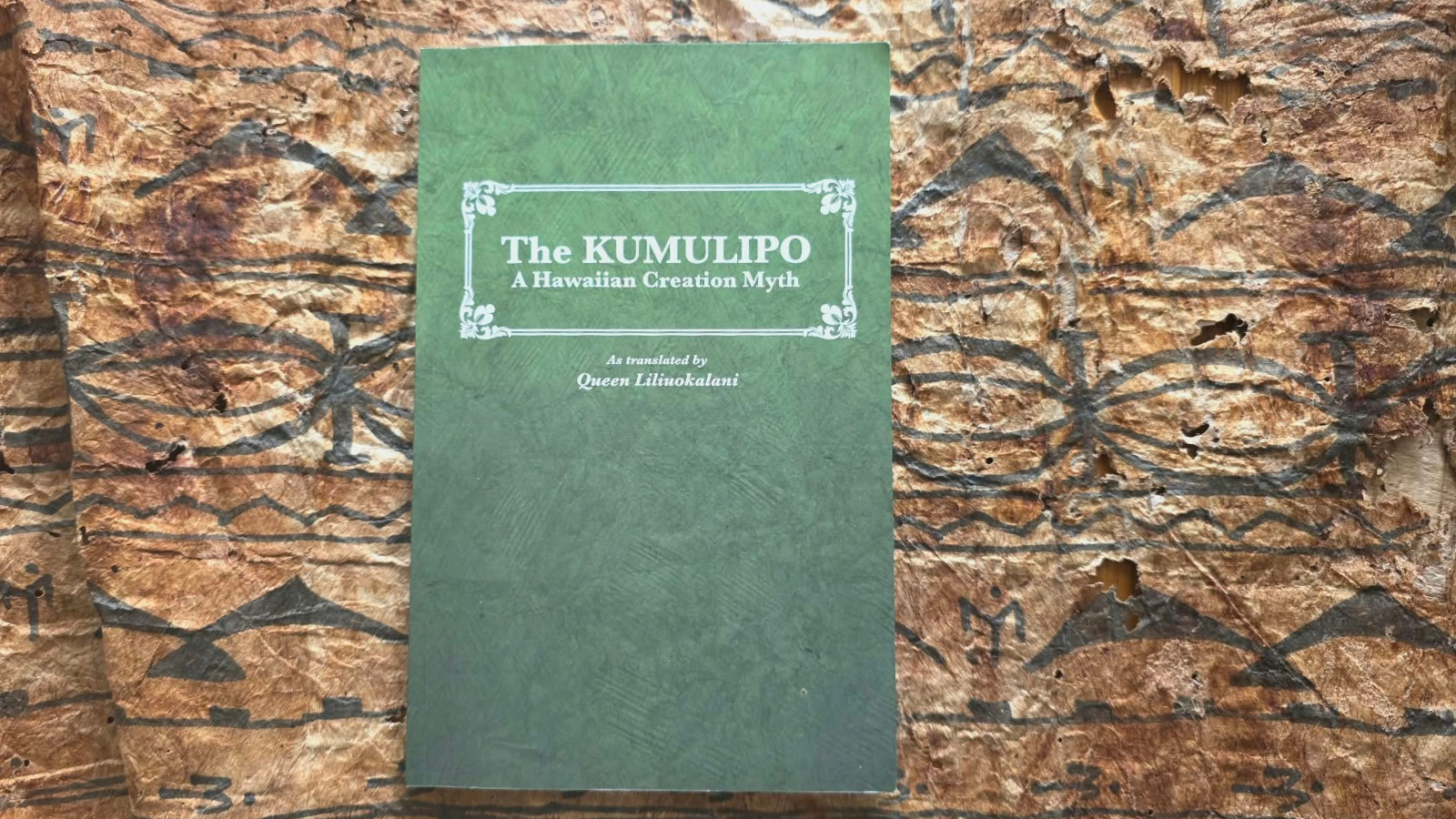
The Kumulipo. A Kanaka Maoli Creation genealogy. Photo/PMN News/Thomas Tarurongo Wynne
The cosmogonic genealogy tracing the descent of life, land and chiefly lines from the deep darkness of pō to the ali’i, are held in memory and passed down orally for generations.
Our genealogies, whakapapa, gafa, hohoko and ’akapapa’anga, and the connections they hold between our leaders, our lands and one another, are ancestral intelligence in their own right. A cultural AI built from memory, with protocols and protections.
Amodei is now asking the most powerful technology companies to slow down until it is safe to go further. Our navigators would recognise that as reading the conditions. Knowing when to sail and when to wait, ensuring the vaka that left, came home again.
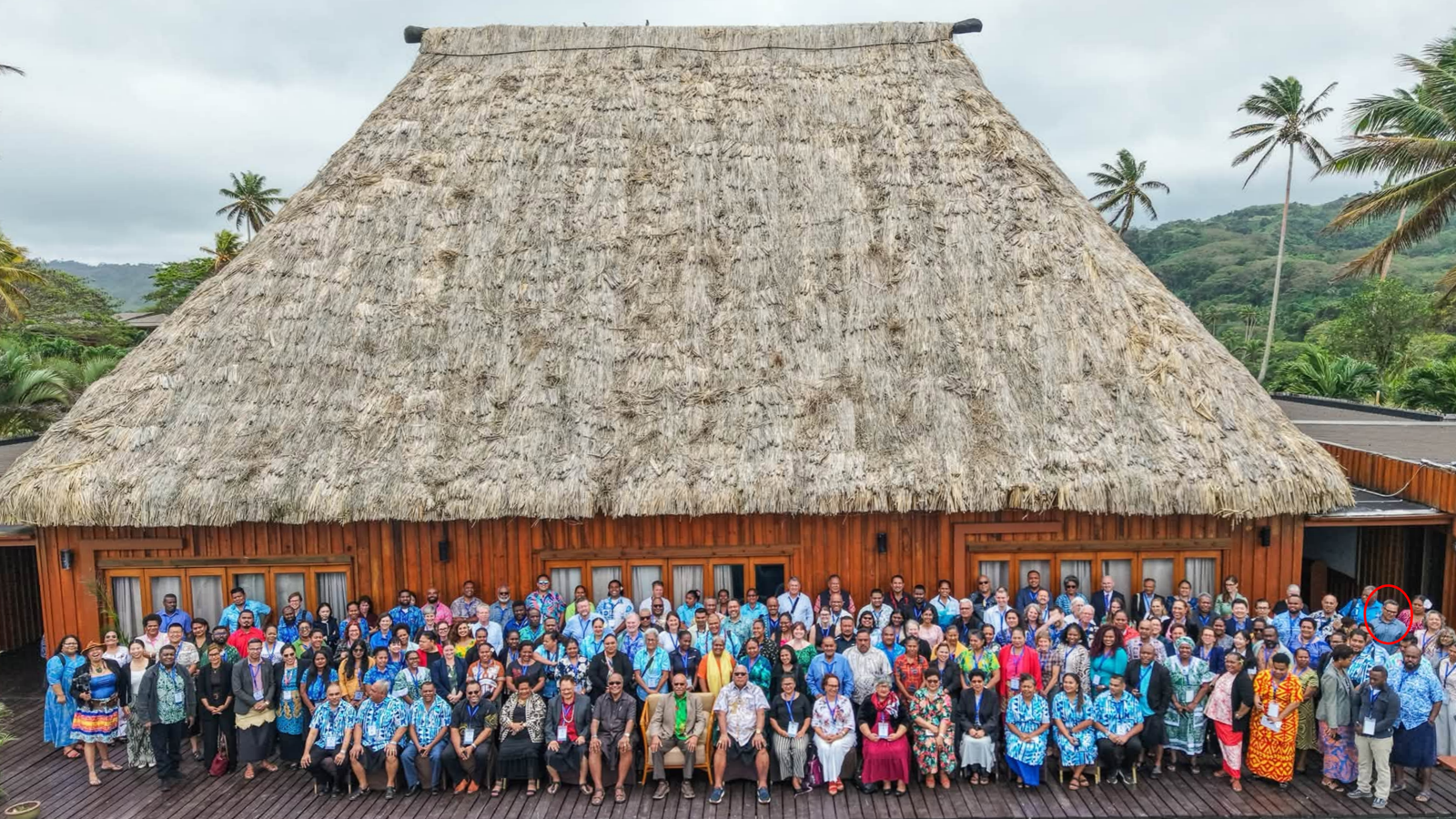
The 8th Pacific Media Summit in Savusavu, Fiji this week. Photo/Fijian Media Association
Speaking at the 8th Pacific Media Summit in Savusavu, Fiji, this week, Don Mann, the Chief Executive of Pacific Media Network, described how PMN, which adopted its own AI policy in 2024, has built a Gemini-based translation system that can turn a 24-page PACNEWS document of 19 stories into a broadcast-ready news bulletin in about 90 seconds.
“We don’t say that it’s 100 per cent accurate. AI helps us with the first heavy pass, and it doesn’t replace expertise,” Mann says.
First-language speakers remain responsible for the final decision, he says, and audiences deserve to know when and how media organisations use AI. “We’re not replacing journalists. We’re not replacing producers or language experts, but we’re using the tool to support them.” That is a form of data sovereignty as newsroom practice: the language stays with the people who speak it, and the machine answers to them.
Many voices across the moana are holding the line for the protection of Pacific knowledge in the age of AI. Te Mana Raraunga, the Māori Data Sovereignty Network, and the Pacific Data Sovereignty Trust stand among its guardians. Guided by the principle that "data is the new land" to ensure nothing about Pacific people is done without Pacific people.
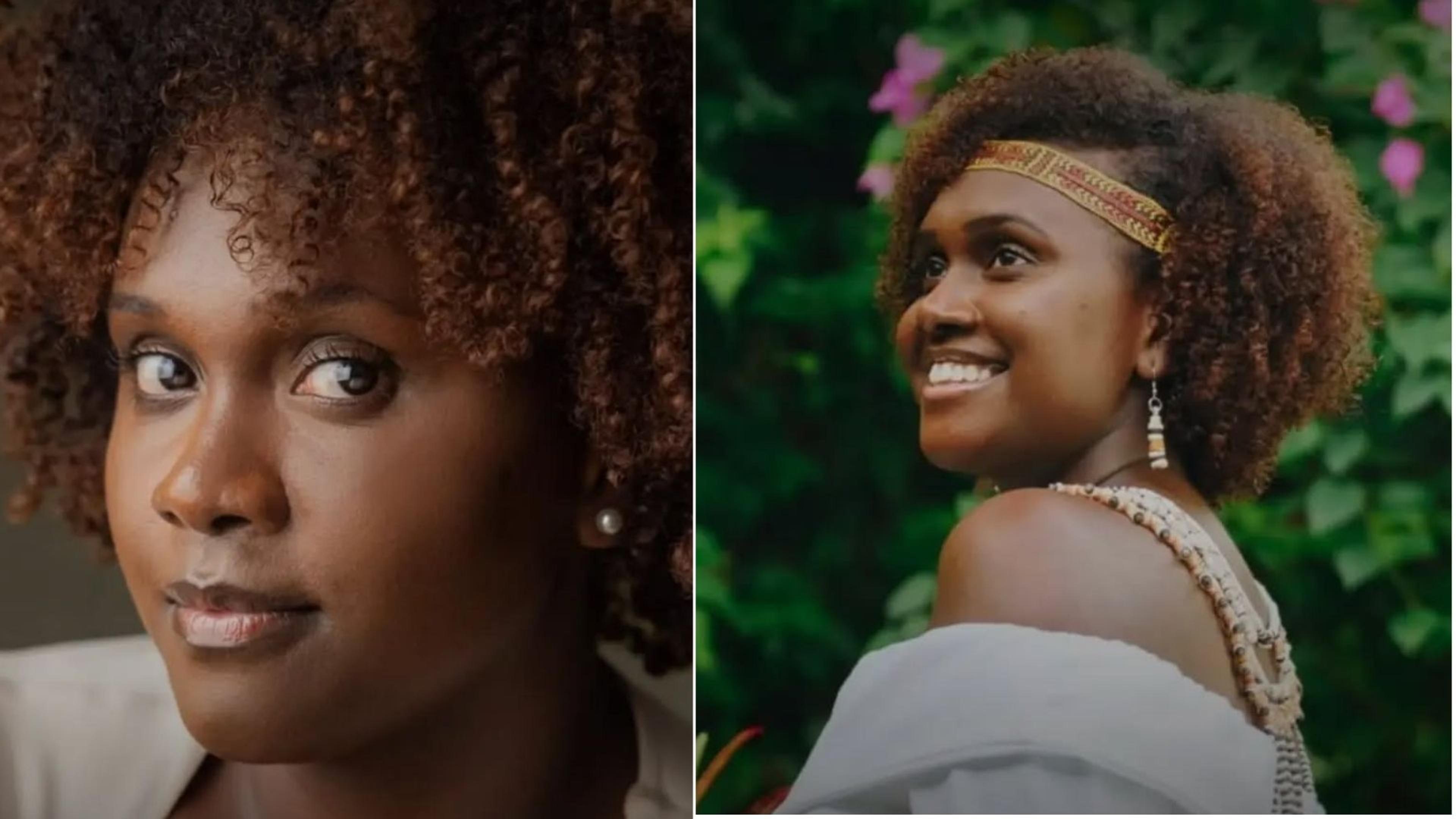
Responding to New Zealand's national AI Strategy last year, Nu'uali'i Eteroa Lafaele, of Fibre Fale, said "Bring us to the table." Tokelauan Tracey Savelio, the founder of Inati Labs and Tokelau in Tech, alongside Jasmine Leota have made the case also for digital self-determination, culture and data sovereignty.
As AI’s global leaders ask how to slow down, govern and keep control of what they have built, will they look to the people who have been doing exactly that for centuries? The world is asking for tools to calm the AI ocean. For Pacific peoples, it is an ocean we have sailed before.
Watch Jasmine Leota's full interview below.