

Pacific governments and businesses are being urged to strengthen safeguards around artificial intelligence as concerns grow over sensitive data being shared through public AI platforms.
Photo/Facebook/Pacific Security College
Technology
Public AI tools could expose sensitive local data, Pacific govts and organisations warned
An expert says governments and businesses need urgent safeguards as staff increasingly use public AI platforms, raising concerns about data sovereignty, privacy and control over sensitive information.

Christine Rovoi
Published
17 June 2026, 11:28am
Share
Copy Link



Pacific governments and businesses are being urged to take a closer look at how staff use artificial intelligence (AI) tools.
The call comes amid warnings that sensitive information could be ending up on overseas systems.
The warning came during a technology roadshow in Lae, Papua New Guinea, where industry leaders raised concerns about the growing use of public AI platforms such as ChatGPT in workplaces across the region.
John Pulu, Datec General Manager for Innovation, Technology and Strategy, says many organisations may not realise what information employees are sharing when they use AI tools to help with everyday tasks.
"We have to ask what our staff are putting on public AI platforms," Pulu said at the event.
He adds workers are increasingly using AI to summarise reports, draft emails and prepare presentations without clear rules around what information can be shared.

Datec General Manager for Innovation, Technology and Strategy John Pulu says organisations need clear policies around AI use to prevent sensitive information being uploaded to public platforms. Photo/LinkedIn
That, he says, creates risks for businesses, government agencies and organisations handling sensitive data.
Pulu says the challenge is not simply whether information is being uploaded but what happens once it enters a public AI system.
"In my mind, if a machine algorithm has already learned from it, I've already got value out of your data," he said.
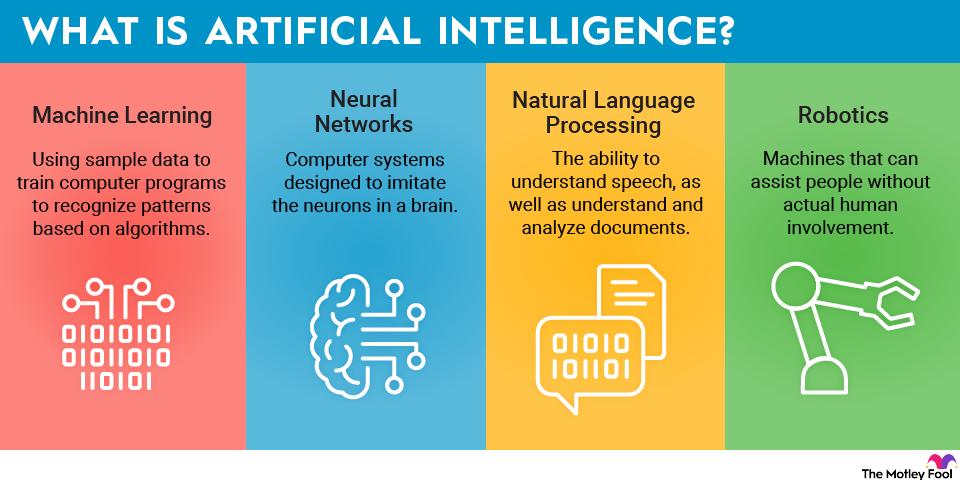
A graphic explaining artificial intelligence, as technology leaders warn Pacific governments and businesses to be careful about what information staff share with public AI platforms. Source/The Motley Fool
He warned that deleting prompts or removing accounts may not undo the risks if sensitive information has already been processed by an external platform.
The issue is becoming increasingly important across the Pacific as governments and businesses adopt new digital tools while also trying to protect local knowledge, commercial information and government records.
For many Pacific nations, the discussion goes beyond cybersecurity and into questions of data sovereignty - who controls information, where it is stored, and which laws govern it.
Pulu says organisations need stronger policies to help staff understand what information should never be entered into public AI systems.
He also called for greater investment in local digital infrastructure that keeps sensitive data within Pacific jurisdictions.
"Sovereign AI infrastructure in Papua New Guinea could provide a safer alternative by keeping sensitive data within local jurisdiction and legal frameworks," he said.
The push for locally controlled digital infrastructure is also gaining support at the highest levels of government in Papua New Guinea.
Minister for State Enterprises, William Duma, says protecting data is becoming a matter of national security as the country expands its digital capabilities.
“For PNG, the question is no longer whether we embrace digital transformation. The question is how fast and how effectively we lead it," Duma said at the national rollout of PNG's first Sovereign Cloud AI Data Centre in Port Moresby.
"Today's launch is not just a technology initiative, it is a strategic national asset.

PNG Minister for State Enterprises William Duma says locally controlled digital infrastructure is critical for protecting data, strengthening national security and supporting digital independence. Photo/pnginvestmentconference.com
“This data centre ensures our data remains within our borders, our systems are secured under our own governance, and our businesses can innovate with confidence.
"It is a foundation for digital independence, economic empowerment, and national security,” Duma said.
As artificial intelligence becomes more common across workplaces, technology leaders say Pacific countries face a growing challenge: embracing innovation while ensuring local data, knowledge and government information remain protected.