‘Digging into what we know’: Pacific culture offers a clearer path to better mental health
Atutahi Potaka-DewesTue, 13 Oct
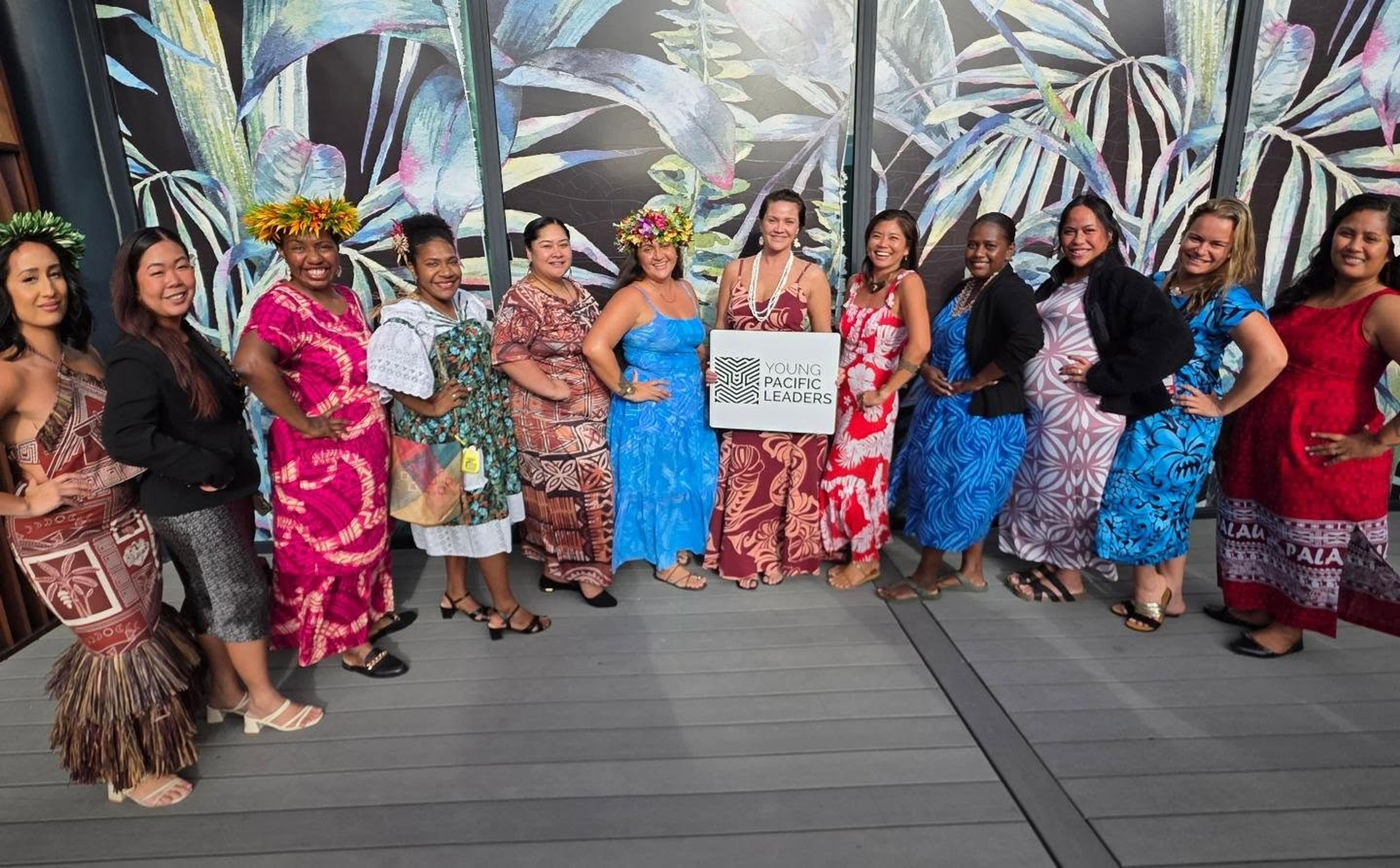
Jasmine Leota (fifth from left) with the ladies of the 2026 Young Pacific Leaders Digital Landscape cohort.
Photo/Facebook
The multidisciplinary artist is using culture, performance, and digital storytelling to rethink where Pacific data lives and how it is governed.

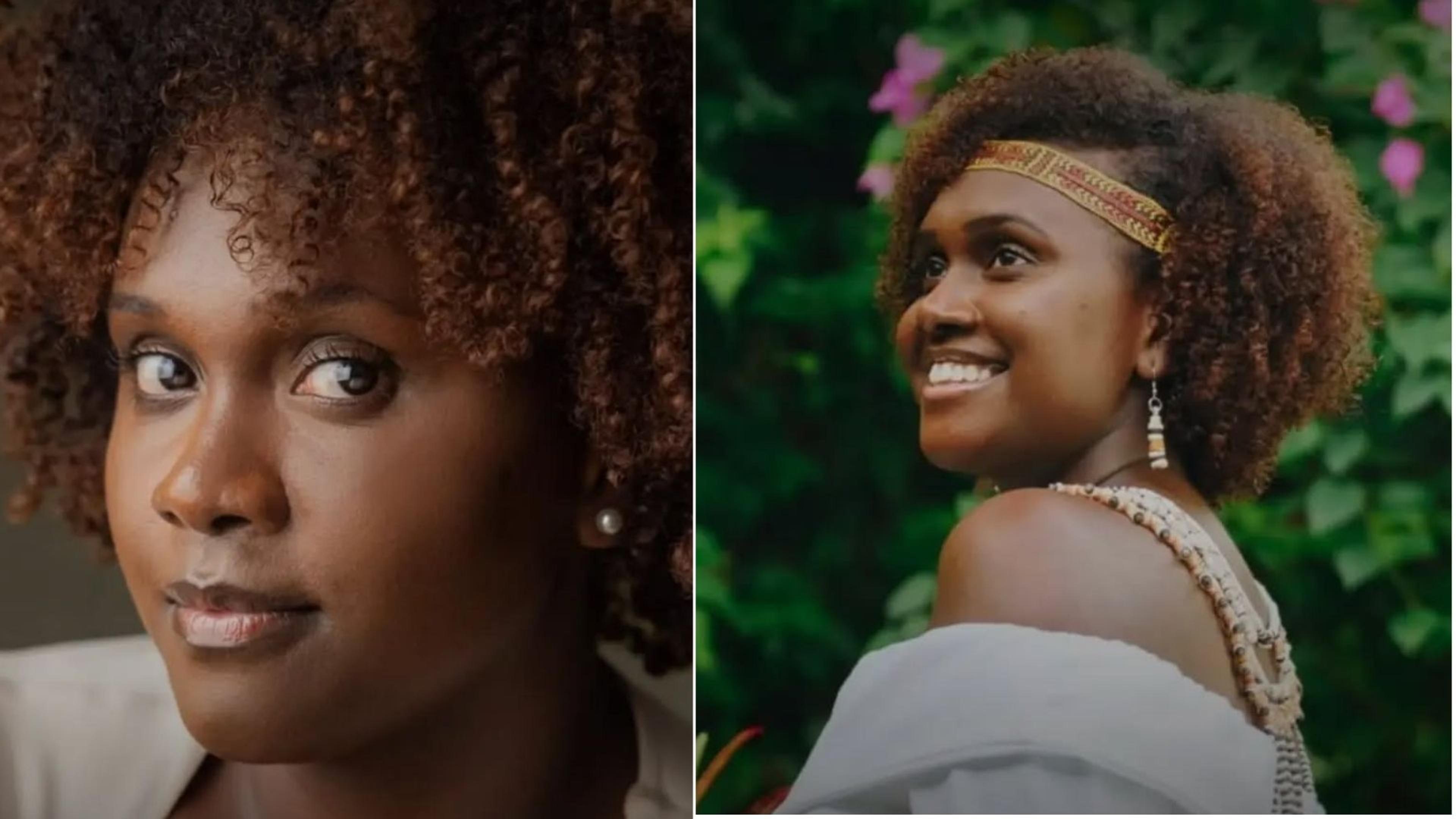
For Jasmine Leota, the most important ‘AI’ in the Pacific isn’t artificial intelligence - it’s ancestral information.
The Sāmoan interdisciplinary artist and co-director of Lemau Creative is working across art and digital spaces to decolonise how Pacific stories are stored, shared, and understood online.
“Artificial intelligence wasn’t created for us Pasifika people,” Leota says on Island Time. “The dangerous side of that is that we have people who are telling our stories about us, but they’re not for us or they’re not coming from us.”
For her, the issue is not about technology, but about power and context.
Leota argues that Pacific culture is often reduced online into short clips and surface-level summaries. In the process, deeper meanings behind talanoa (dialogue) and aganu’u (culture) can be lost.
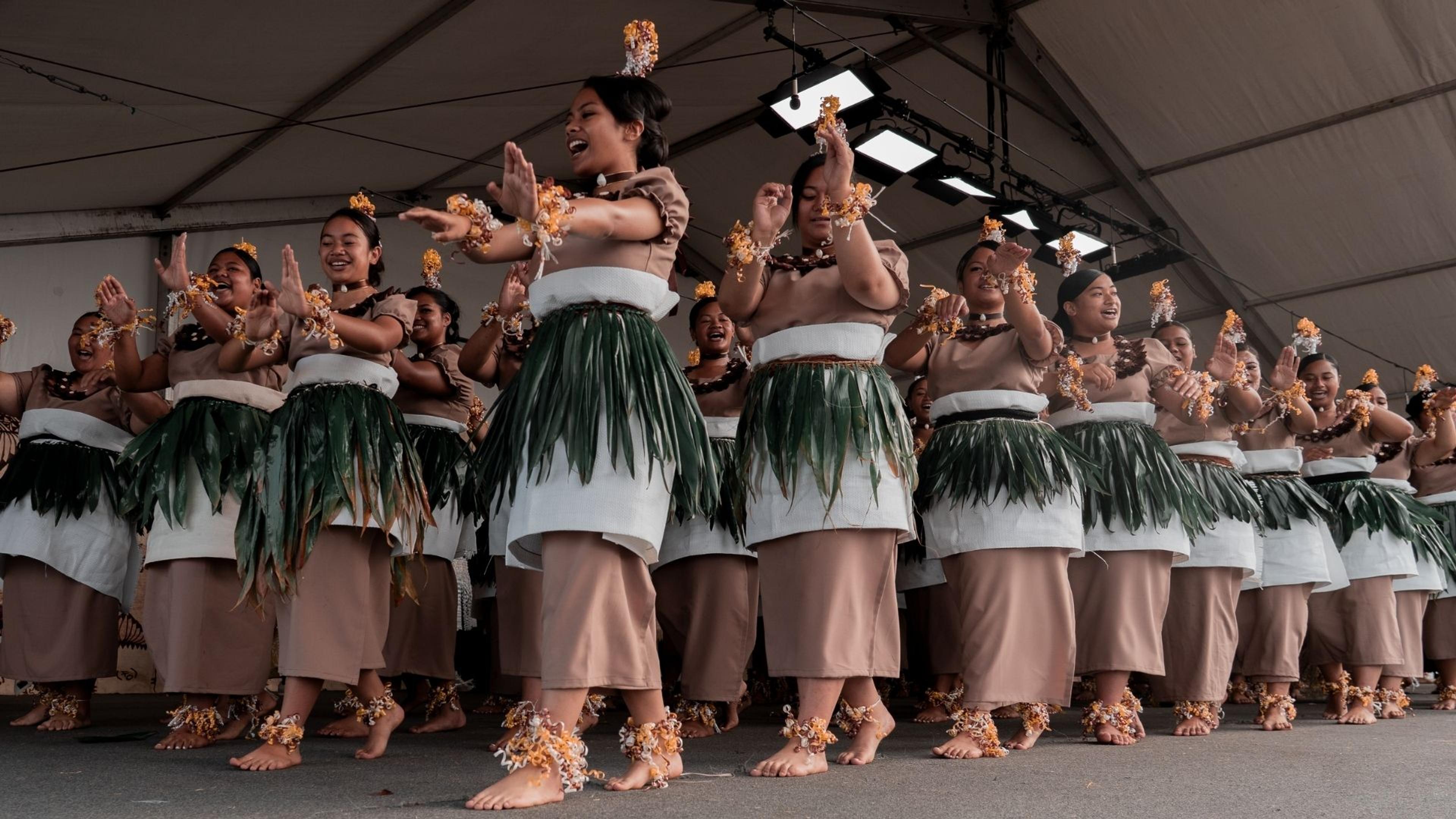
With a Bachelor of Arts in Performing Arts, specialising in Pacific traditional and contemporary dance, choreography, acting, and digital art, Leota treats the body as an archive of knowledge.
Watch Jasmine Leota's full interview below.
Her creative work moves between stage and screen.
In her 2018 performance, Le Mau - Not Stuck, she explored resistance and identity.
Today, she carries those ideas into the digital space, treating technology as the next place where culture must be carefully held and passed on.
However, Leota is clear that this work comes with responsibility.
When culture is taken out of context online, she says it can lose its meaning. Sacred ideas can be turned into quick “sound bites” that no longer reflect their original purpose.
To respond to this, Leota uses what she calls "Ancestral Poto" (wisdom).
Through talanoa with elders, she helps guide what cultural knowledge should be shared publicly and what should remain protected.
“We have the choice to share what we share rather than having other people come in and taking sound bites from our culture and then running with it and spreading a whole new context that doesn't relate to who we are as people,” Leota says.
Rather than seeing technology as separate from culture, she views it as something that can carry genealogy, siva (dance), and pese (song), Leota argues that Pacific communities can move from "catching up" to leading.
“Technology doesn’t determine our future. We do as humans,” she says. “Technology is just a tool that we use to help advance and help to take the mental load off of us.”
Recently selected as one of 30 leaders for the Young Pacific Leaders (YPL) Digital Landscape programme in Tāmaki Makaurau, Leota is now exploring how Pacific communities might rethink where their data is stored and how it is governed so that cultural knowledge is not controlled far from home.
She treats siva and genealogy as living systems of knowledge - what she describes as cultural source code that must be protected and respected.
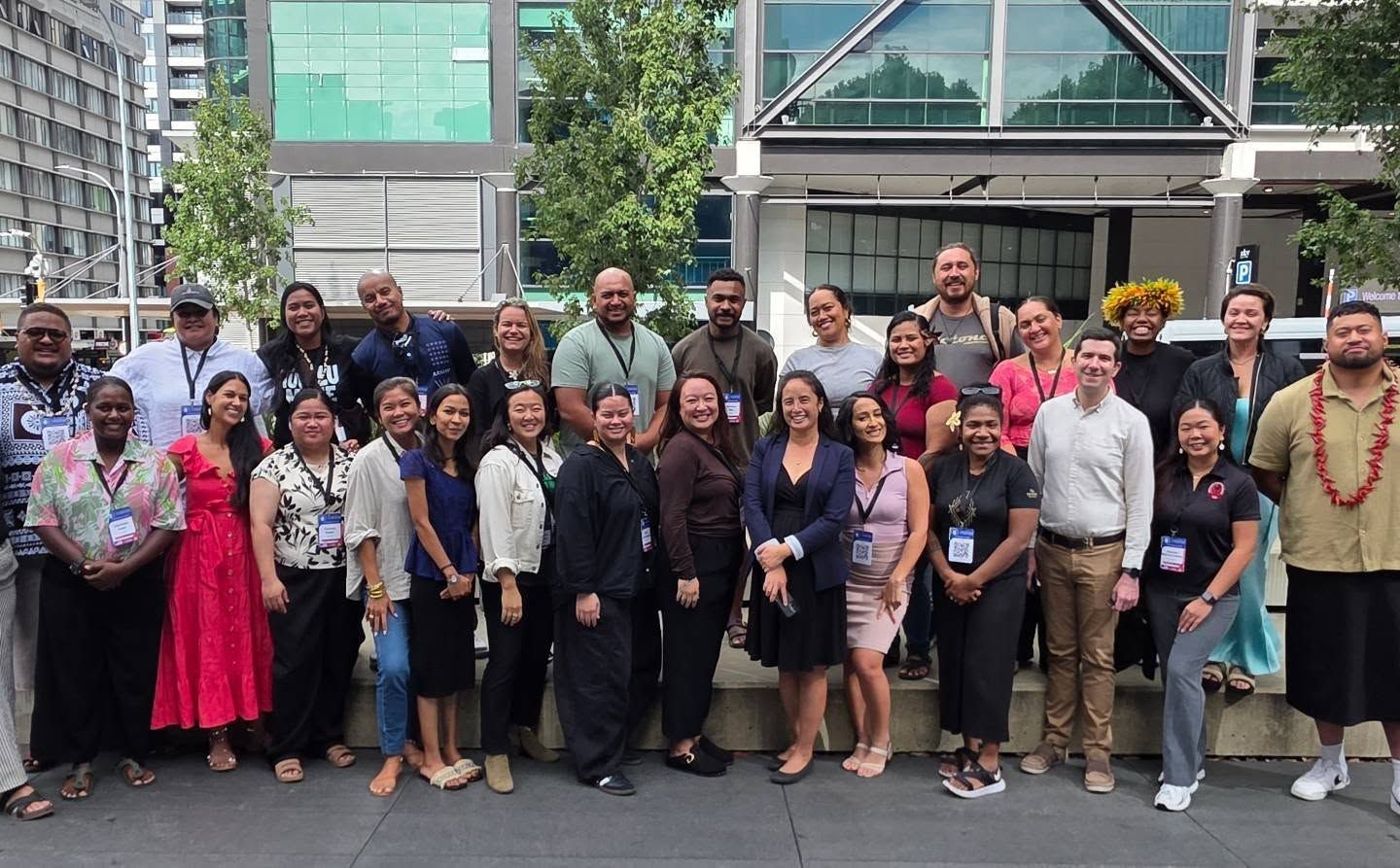
Jasmine Leota (back row, second from left) with the 2026 Young Pacific Leaders (YPL) Digital Landscape workshop. Photo/Facebook
As a Wellington-born daughter of the diaspora, Leota’s work is also personal. It is about ensuring the next generation sees Pacific identity not as something to preserve quietly but as a source of strength in a digital world.
“Our superpower is our culture. Once we as Pacific Islanders take control of our story sovereignty, we'll be unstoppable,” she says.
For Leota, the future AI is not just artificial. It is ancestral, shaped by the people who choose how their stories are carried forward.