
‘Digging into what we know’: Pacific culture offers a clearer path to better mental health
Atutahi Potaka-DewesTue, 13 Oct
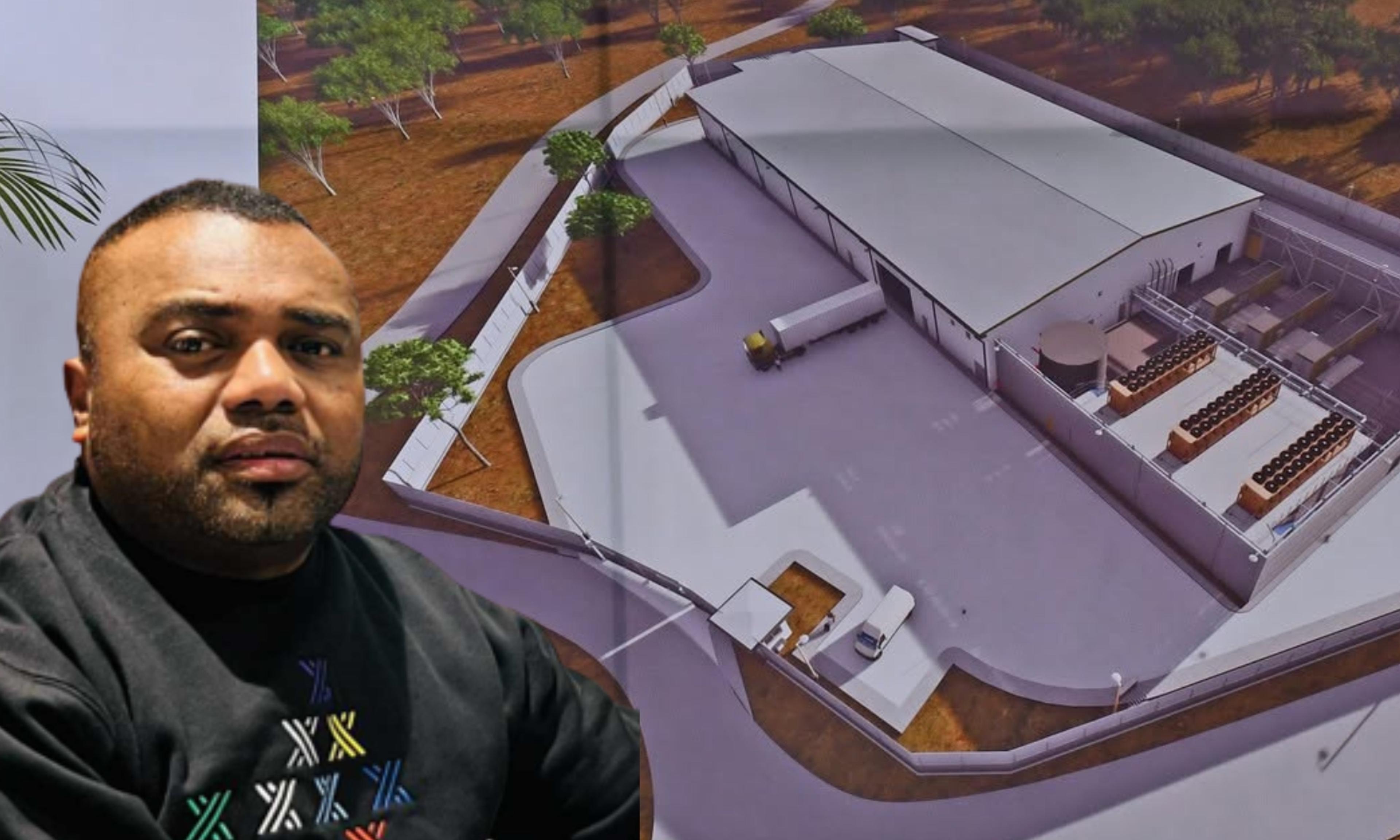
Dr Suliasi Vunibola says Google’s data centre and subsea cable development at Natadola on Fiji’s Coral Coast raises some serious questions.
Supplied/PMN Composite
As Google builds a major data facility and cable hub in Fiji, concerns are growing over who benefits and who carries the cost.



The Pacific could become a new resource frontier for global technology companies unless island nations act together to protect their land, water, energy and marine resources, a Fiji academic warns.
Dr Suliasi Vunibola, a senior lecturer at Lincoln University in Christchurch, says Google’s data centre and subsea cable development at Natadola on Fiji’s Coral Coast raises bigger questions about what happens when digital infrastructure expands into Pacific communities.
“This is not economic development,” Vunibola says. “It is resource extraction disguised as investment.”
The Google facility is linked to major subsea cables connecting Fiji with Australia to the United States, Guam and other Pacific locations, placing Fiji at the centre of a growing digital network.
But Vunibola says the infrastructure should not be reviewed simply as a connectivity project.
He describes cable landing stations as a potential “Trojan Horse” for a much larger hyperscale data centre, which can demand large amounts of electricity, water and land.
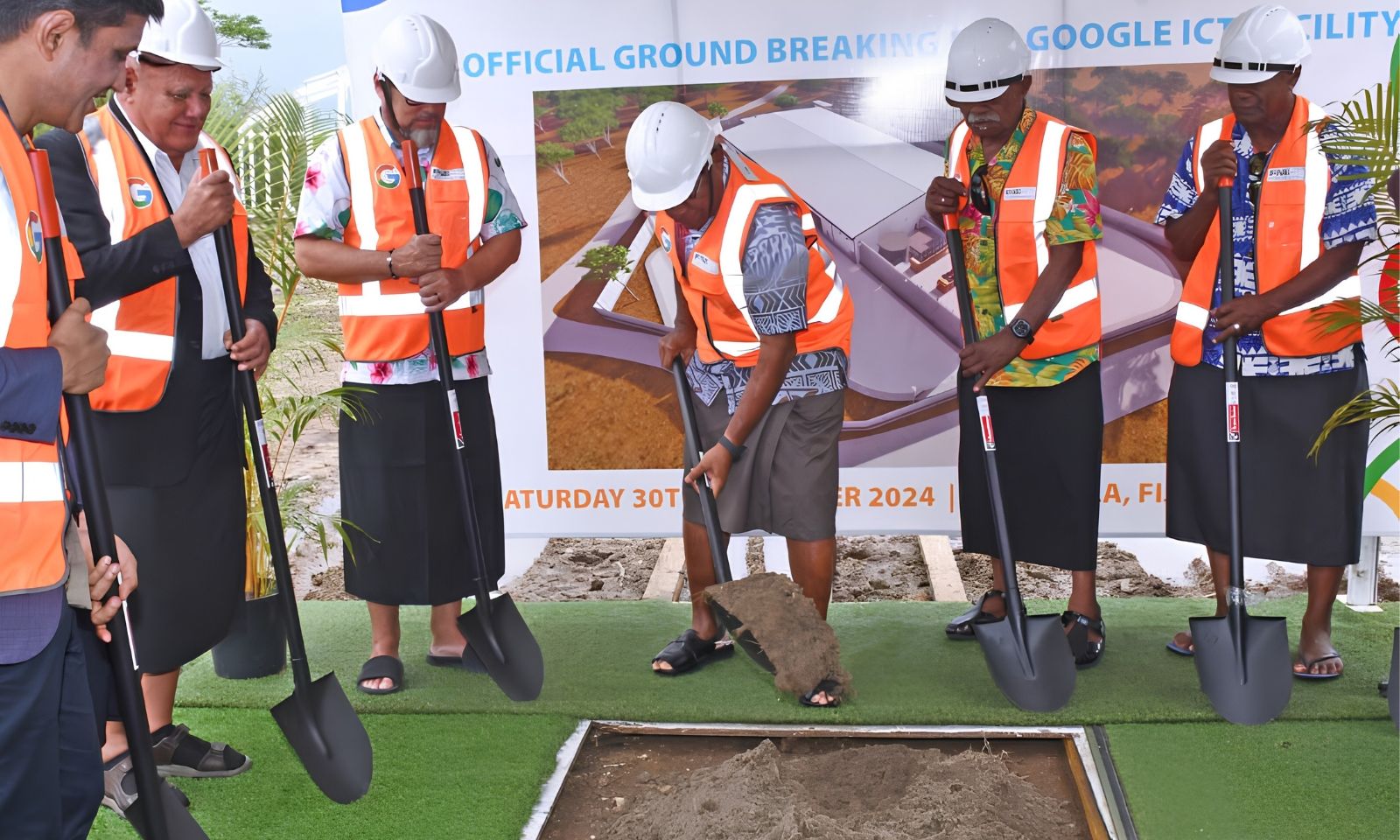
Fiji's Prime Minister Sitiveni Rabuka broke ground for Google’s multi-million-dollar ICT facility located at Natadola, Nadroga. Photo/Fiji Government
“The transformation of cable landing stations (CLS) into hubs for hyperscale expansion is a well-documented global trend,” he told PMN Fiji.
“Instead of being simple passive landing points, these facilities are evolving into active, high-capacity data center campuses designed to meet the demands of cloud and AI.”
His concern is that technology is moving faster than the rules needed to protect Pacific communities and resources.
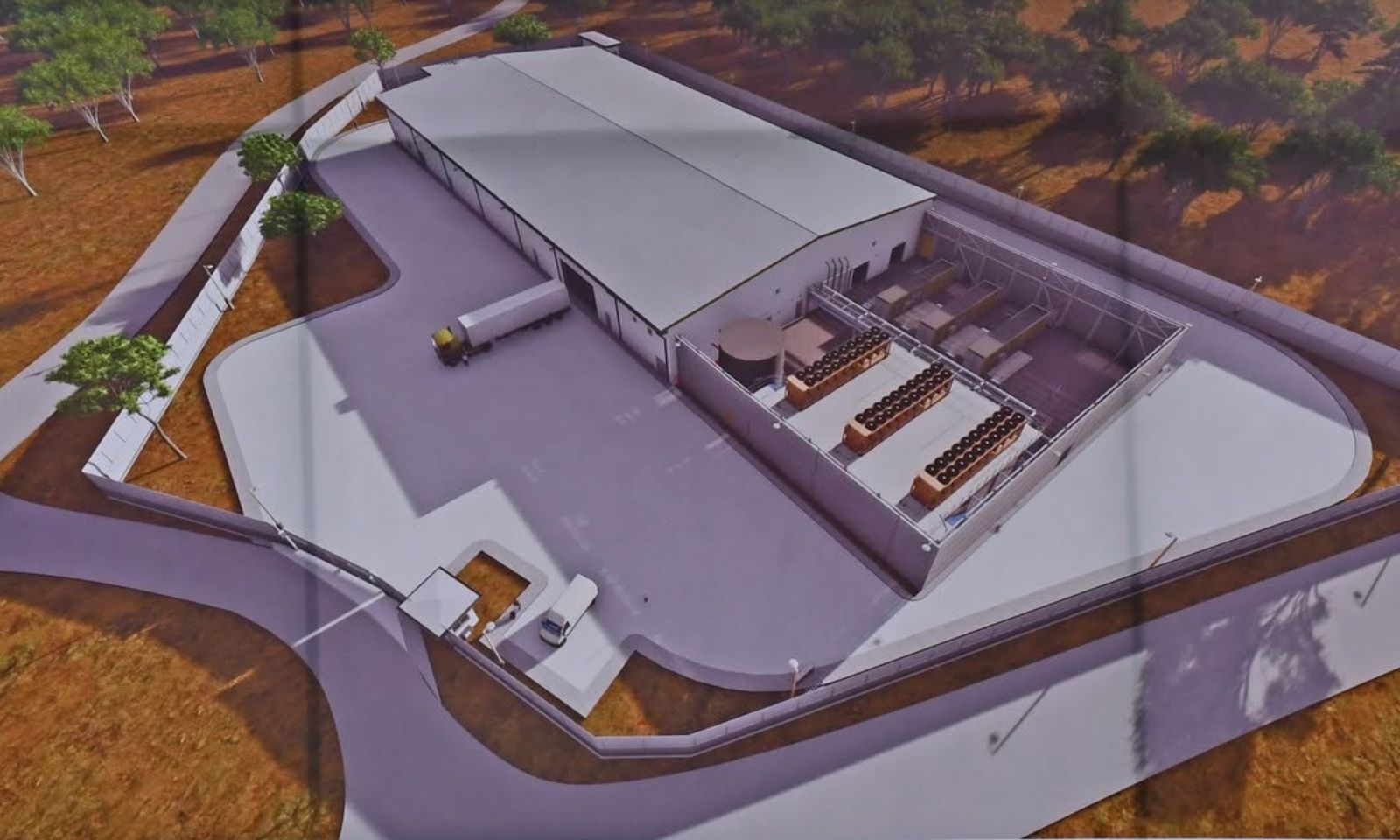
An artist's impression of the NZ$153.8m Google facility in Natadola, Fiji. Photo/Fiji Government.
“We are not opposing the cables,” Vunibola says. “We are just demanding the legal framework to regulate what comes next.”
That concern is already being raised by people living around the Natadola development.
The Fiji Times reported last month that district leaders wanted greater transparency over the project and its possible impact on marine resources.
District representative Emoni Rokomoce said the community was concerned about cables running from the beach to the construction site.
“Our concern is how this will impact our natural resources, especially the sea and marine life.”
Nadroga Navosa Resource Owners Committee representative Mosese Volavola also questioned what the facility would eventually be used for .

In June 2025, Telecom Fiji (TFL) and Google signed a strategic agreement to design, build, and maintain a terrestrial fiber optic link in Fiji connecting Google’s ICT facility in Natadola to FINTEL’s international cable landing station in Vatuwaqa. Photo/FINTEL
“They were only to lease the land,” he said. “Once they touched the qoliqoli (fishing grounds) they should have gotten approval.
Vunibola says Pacific countries must also look closely at the power and water demands of larger data centres.
“When a multinational tech company connects a data center to Fiji's grid, the energy consumption and associated emissions will be logged onto Fiji's official carbon ledger,” he says.
“If that energy comes from fossil fuels, the emissions count against Fiji's Nationally Determined Contributions (NDCs) and Fiji could see its national emissions rise through no fault of its own, undermining its climate credibility on the world stage.”
He warns the pressure could be even greater for Pacific countries already dealing with high energy costs and water insecurity.
“For Pacific nations with even more constrained grids, the impact on household electricity bills could be devastating.
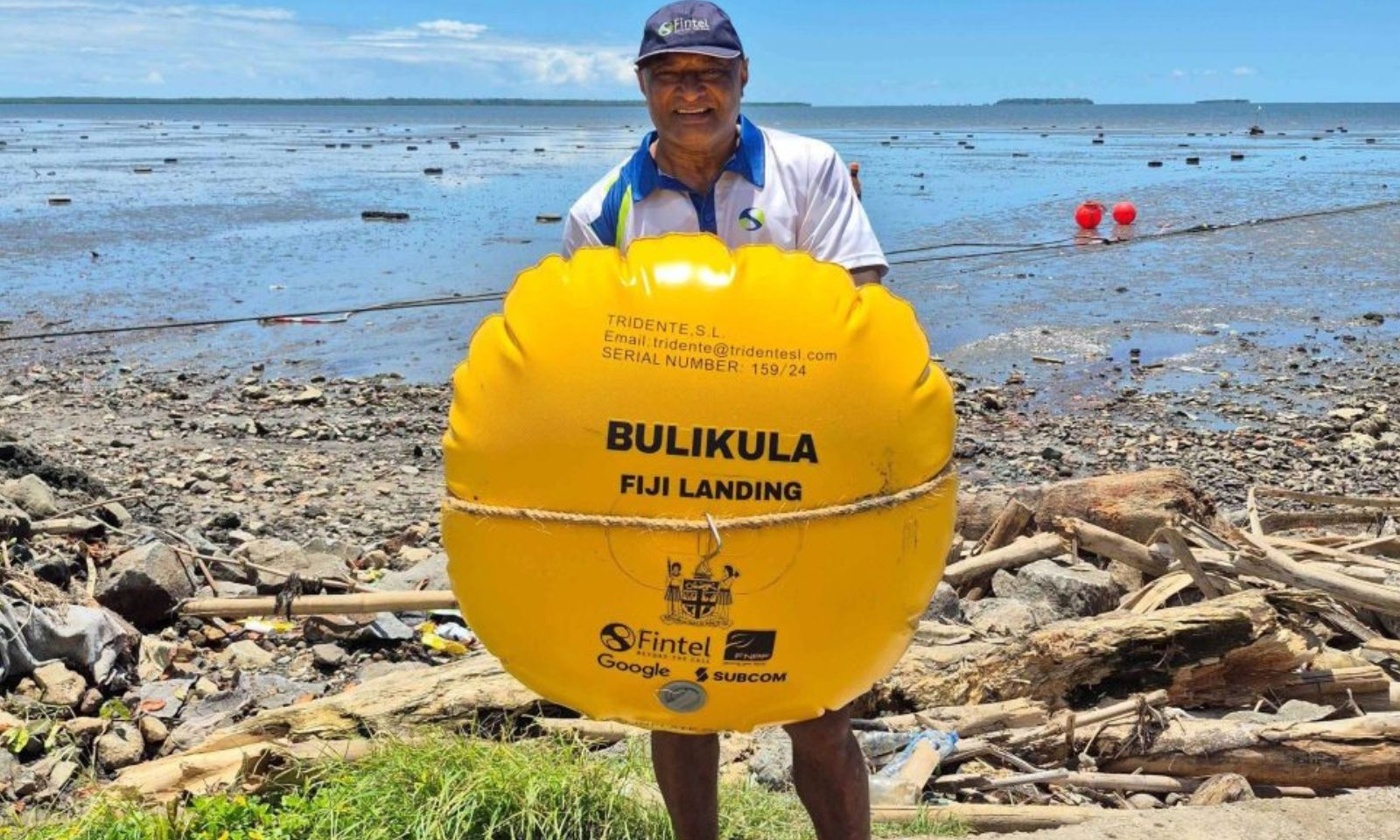
The Bulikula subsea cable is a state-of-the-art optical fiber cable designed to enhance FINTEL’s ability to handle increased data traffic, providing faster, more reliable internet services. Photo/FINTEL
“For those facing critical water security issues due to climate change, hosting facilities that require millions of liters for cooling presents a profound contradiction.”
Vunibola says Pacific nations should not negotiate separately with powerful technology companies.
“The Pacific is a non-negotiable geographic corridor,” he says. “Our message needs to be unified rather than tech giants isolating the different island countries and increasing the risks.”
Fiji’s Minister for Finance, Esrom Immanuel, has described the project as one of the country’s most significant digital infrastructure investments.
Watch Dr Suli Vunibola's interview on PMN Fiji below.
“This facility will strengthen our country’s digital connectivity, improve resilience, create employment and reinforce Fiji’s position as a trusted destination for global technology investment,” Immanuel said.
He said the Google project had gone through consultation and legal processes and would occupy three acres of customary land.
The Natadola ICT facility is expected to be completed late this year.