
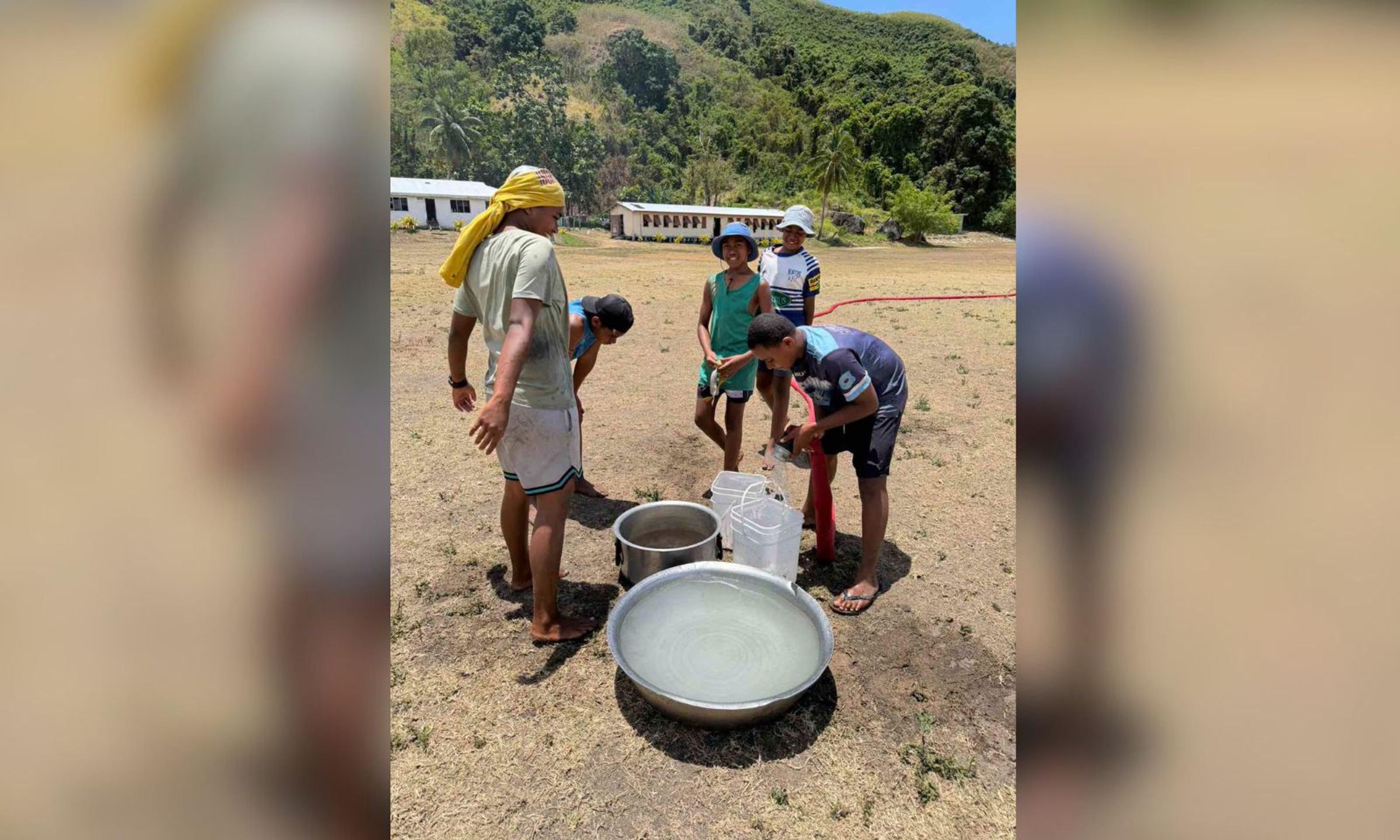
About 24,600 people are affected, meaning they are on intermittent supply or are relying on water carting.
Photo/WAF
Pacific Region
Fiji’s water sources running dry as super El Niño tightens its grip
19 of 44 water sources at critical level affecting 24,600 people with the North and West reaching crisis response.

Elenoa Turagaiviu
Published
04 November 2026, 2:14pm
Share
Copy Link
Top stories
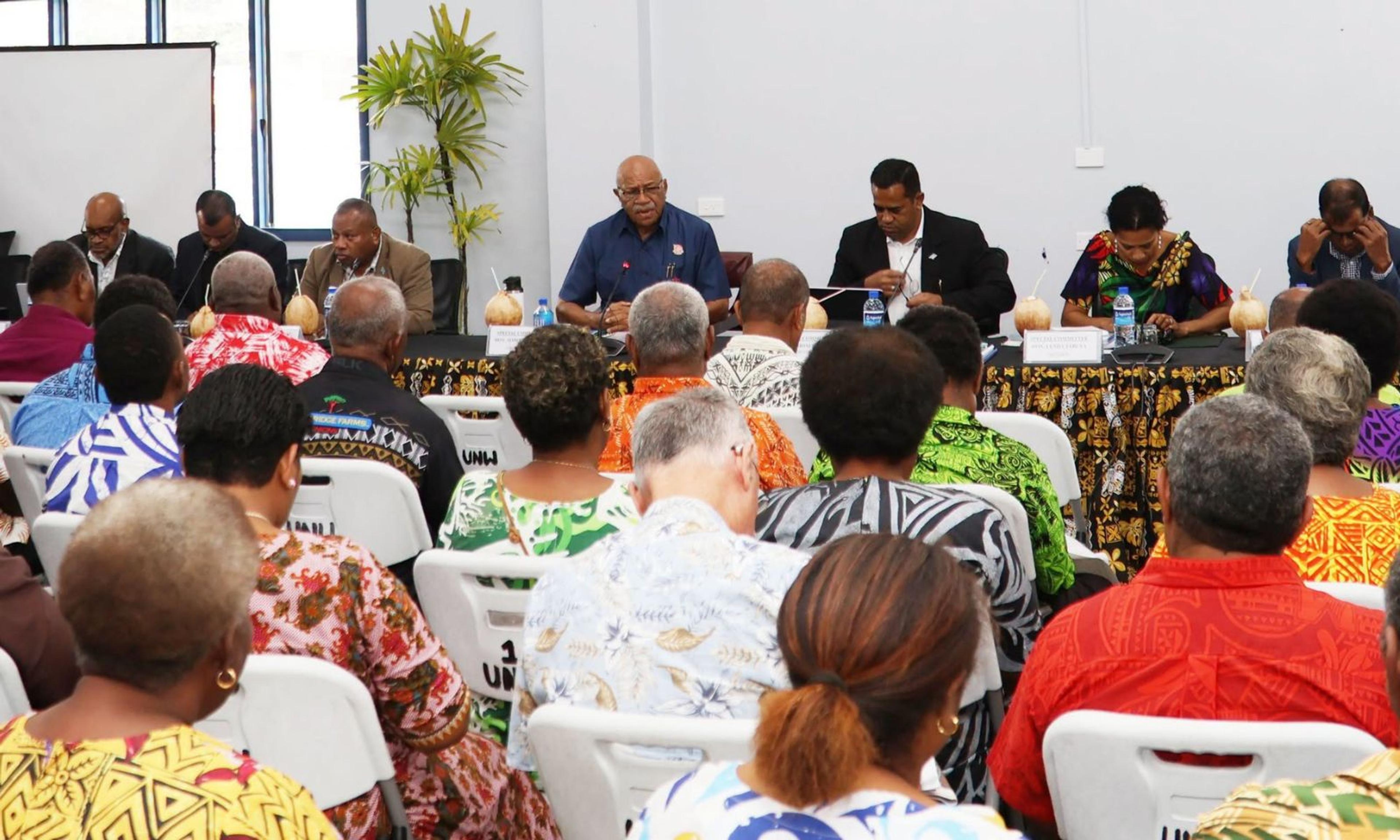
Rabuka: Fiji’s election timeline intact as Constitution Bill consultation extended
Elenoa TuragaiviuTue, 03 Nov

Tuioti leads Pacific swimming results at Youth Olympic Games
Latonya LoleTue, 03 Nov

‘Desperate, immature’: Davidson hits back at National, pitches to Pacific voters in NZ
Thomas Tarurongo WynneTue, 03 Nov
Top stories
Rabuka: Fiji’s election timeline intact as Constitution Bill consultation extended
Elenoa TuragaiviuTue, 03 Nov
Tuioti leads Pacific swimming results at Youth Olympic Games
Latonya LoleTue, 03 Nov
‘Desperate, immature’: Davidson hits back at National, pitches to Pacific voters in NZ
Thomas Tarurongo WynneTue, 03 Nov
Fiji’s El Niño drought is deepening fast.
Fijian Parliament has been told 19 of the 44 monitored water sources are now at critical levels, and about 24,600 people are on intermittent supply or relying on water carting.
Updating the House, Fiji’s Minister for Meteorological Services Ro Filipe Tuisawau says the situation has worsened sharply in seven weeks.
He says on 15 September, seven sources were critical. By 1 November, that had increased to 19, or 43 per cent.
“The great majority of customers continue to receive supply, but the margin is thin and it is narrowing every week as the rain stays away.”The Vaturu Dam is the greatest concern, and is expected to reach a critical level in the next few days.
Fiji’s Western region, the economic heart and hub of the country’s tourism industry, is not spared. Nine of its 13 water sources are at a critical level.
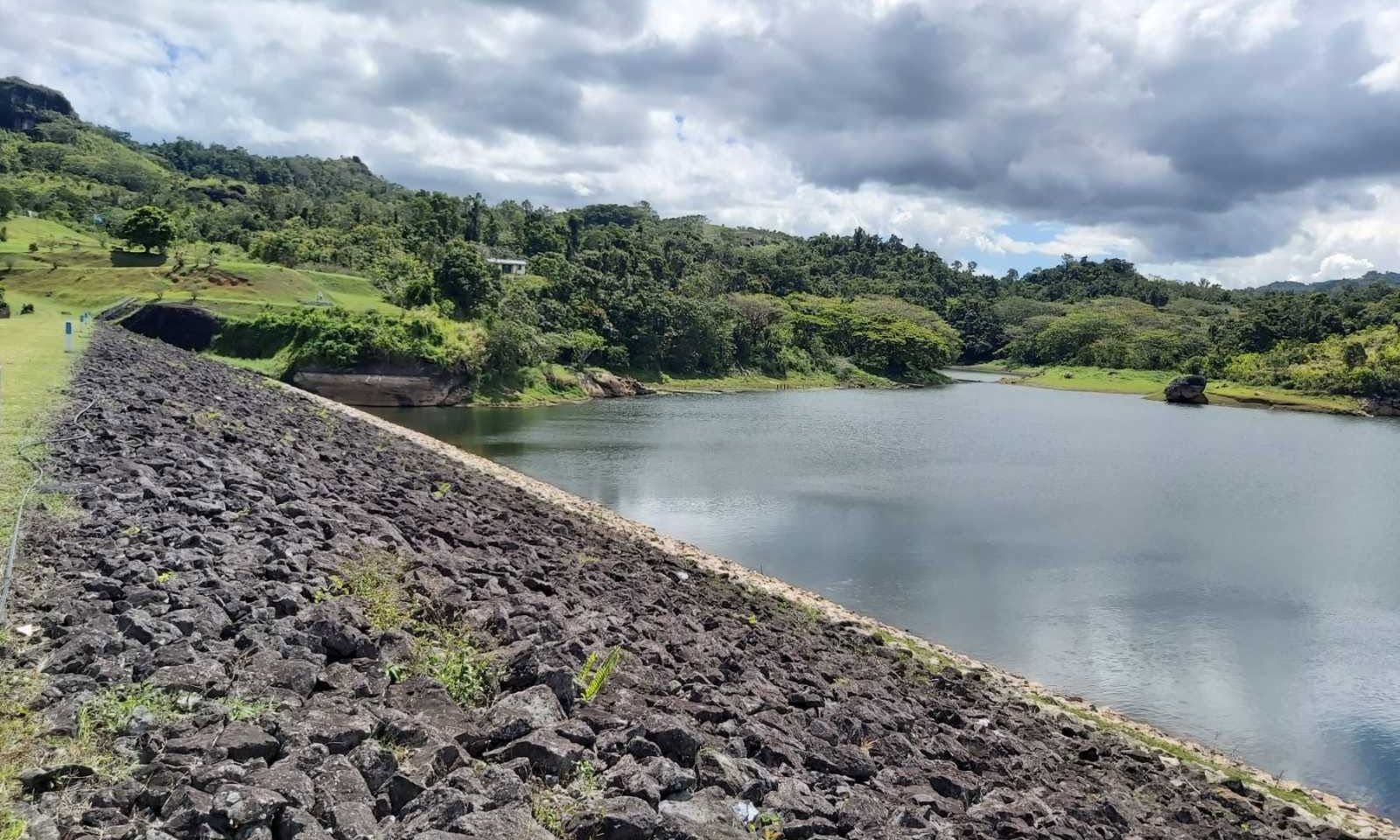
The Vaturu Dam, which supplies to some 223,000 people is recording a drop of 5.3 cm a day, and on the current trend, it will drop below the critical level around 8 to 9 November. Photo/WAF
In an advisory, the Fiji Hotel and Tourism Association is urging its members to review water storage and contingency plans.
“Properties relying on rainwater tanks, bores or local catchments for potable water, irrigation or landscaping should factor extended dry conditions into their planning, particularly heading The Association says there is some upside.
“Drier, sunnier conditions typically favour beach and outdoor tourism, and operators may see this reflected in guest activity levels. The trade-off is added pressure on water security and landscaping at a time when demand from both guests and communities is high.”
67 trucks are carting water around the country, and 810,000 litres have been delivered by sea with schools, health facilities, the elderly, those with disabilities, women and children being served first.
The Water Authority of Fiji has prepared a drought response operation to run till April 2027, involving 43 additional water trucks, treatment plants, portable units and a 10-vessel maritime supply operation.
The operation will cost an estimated $10.4 million, alongside approximately $6 million in additional operating costs.
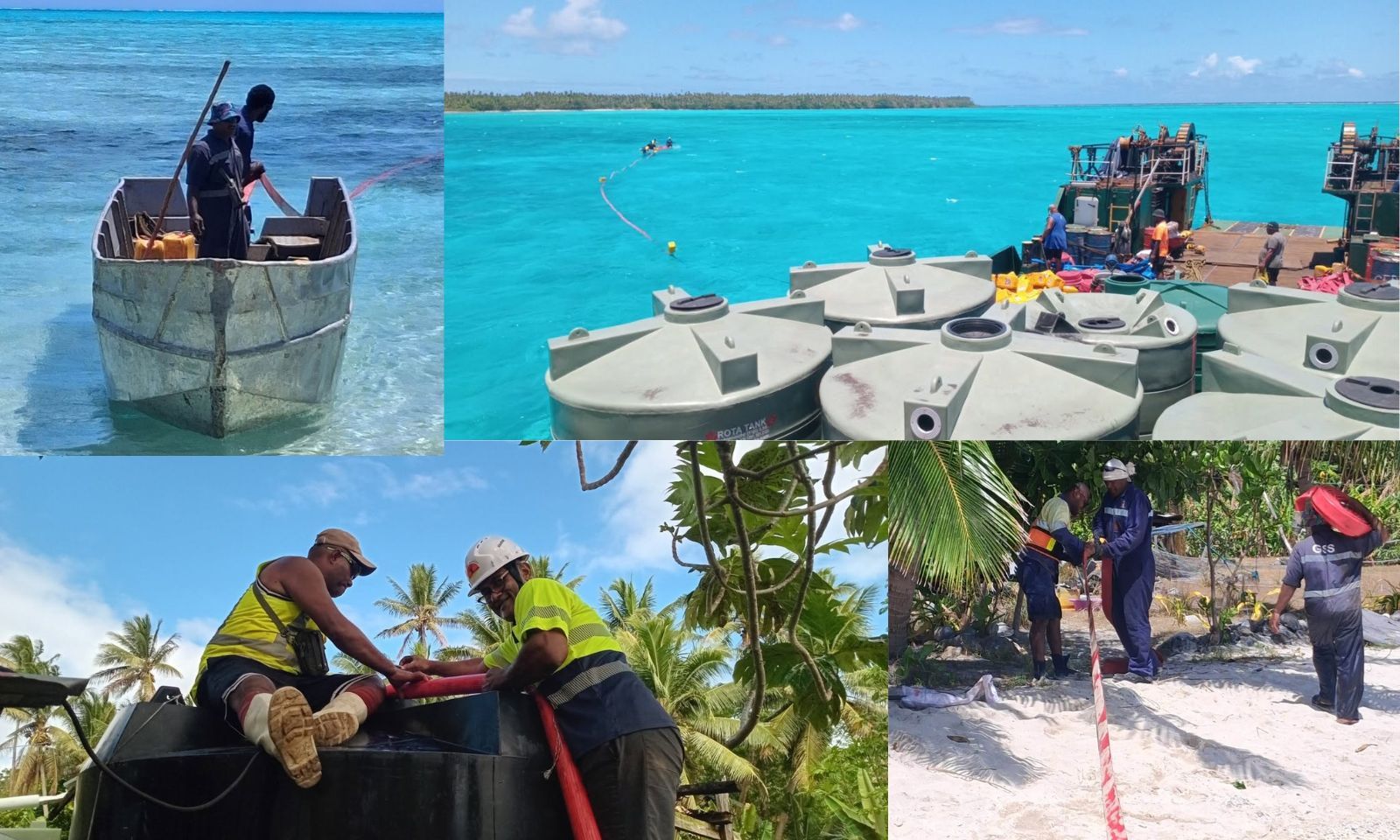
810,000 liters of water have been delivered by sea to communities in the outer islands. Photo/WAF
With the Fiji Meteorological Service forecasting the El Niño to remain very strong into early 2027, Tuisawau says the government must plan ahead.
“If dry conditions continue, the share of our 44 sources at critical levels will rise from 43 per cent today to 59 per cent in the second half of November, 75 per cent by the end of November, and 82 per cent by January 2027.
He is calling on all Fijians to do their part in conserving water.
“The government and the Water Authority cannot make it rain, but every litre saved today is a litre that stays in our dams and rivers for the weeks ahead.”
The Director of the Secretariat of the Pacific Regional Environment’s (SPREP) Climate Science and Information programme Salesa Nihmei, has told the Pacific Islands Climate and Oceans Forum that countries must act now.
“This El Niño is one of the strongest ever recorded, and it is occurring in an even warmer world than the last major El Niño events, so the impacts are unpredictable and unprecedented.”
Watch water carting to Naqelelevu Island, 345km from Viti Levu below.
Other Pacific countries are also being hit, with PNG bearing the brunt: drought has been declared in all four regions, including Port Moresby, home to three million people.