‘Digging into what we know’: Pacific culture offers a clearer path to better mental health
Atutahi Potaka-DewesTue, 13 Oct
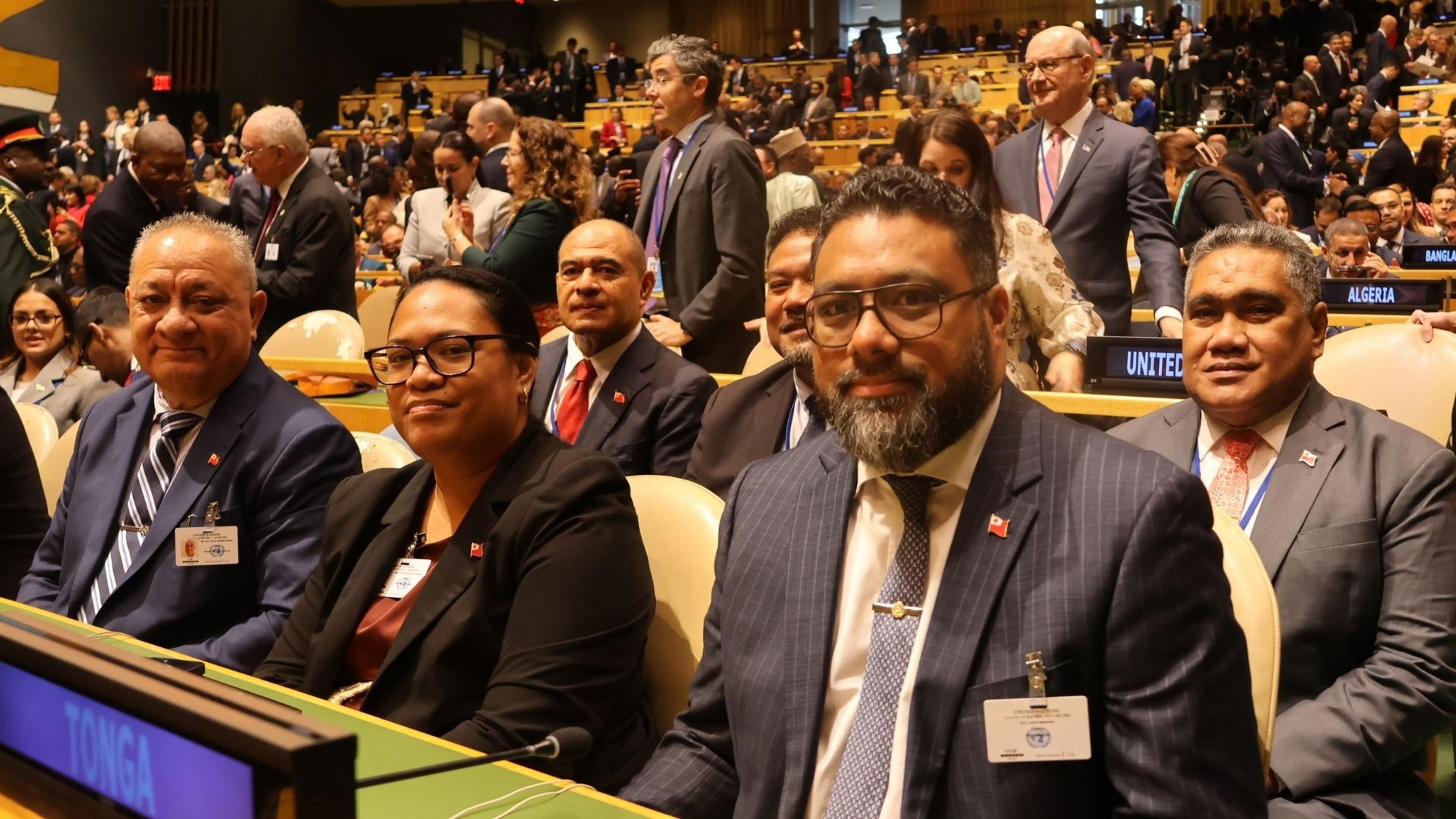
Tongan Prime Minister Lord Fakafanua and members of his delegation at the United Nations General Assembly in New York.
Photo/Pacific Islands Forum
Palau President Surangel Whipps Jr is pushing for climate funding as scientists warn of more pressure on food, water and cyclone risk.



The Pacific is calling for climate action now as a powerful El Niño threatens to add pressure on food and water supplies and increase cyclone risks across parts of the region.
Speaking at the United Nations General Assembly in New York, Pacific Islands Forum Chair and Palau President Surangel Whipps Jr said Pacific countries needed greater access to climate finance to prepare for worsening climate shocks.
“Those who contributed the least to this climate crisis, yet confront the worst threats of rising sea levels, must not be burdened with debt simply to purchase a life jacket for their survival,” Whipps told the General Assembly.
Whipps has also called for greater funding for the Pacific Resilience Facility, which is designed to support Pacific communities with climate adaptation.
“Pacific Islands communities shouldn't have to rely on door-knocking asking for funding - climate impact funding is simply the right for big polluting nations to do.
"The Pacific Resilience Facility must ultimately be accessible and reach the communities it was created to support, and not become clogged up in the government machine,” he said.
His comments come as scientists warn of the potential impact of a strong El Niño developing across the Pacific.
El Niño is a natural climate pattern that occurs when ocean temperatures in the central and eastern tropical Pacific become warmer than usual, changing weather patterns around the world.
Professor James Renwick, a climate scientist at Victoria University in Wellington, told William Terite on Pacific Mornings the event is particularly concerning because it is occurring on top of an already warmer climate.
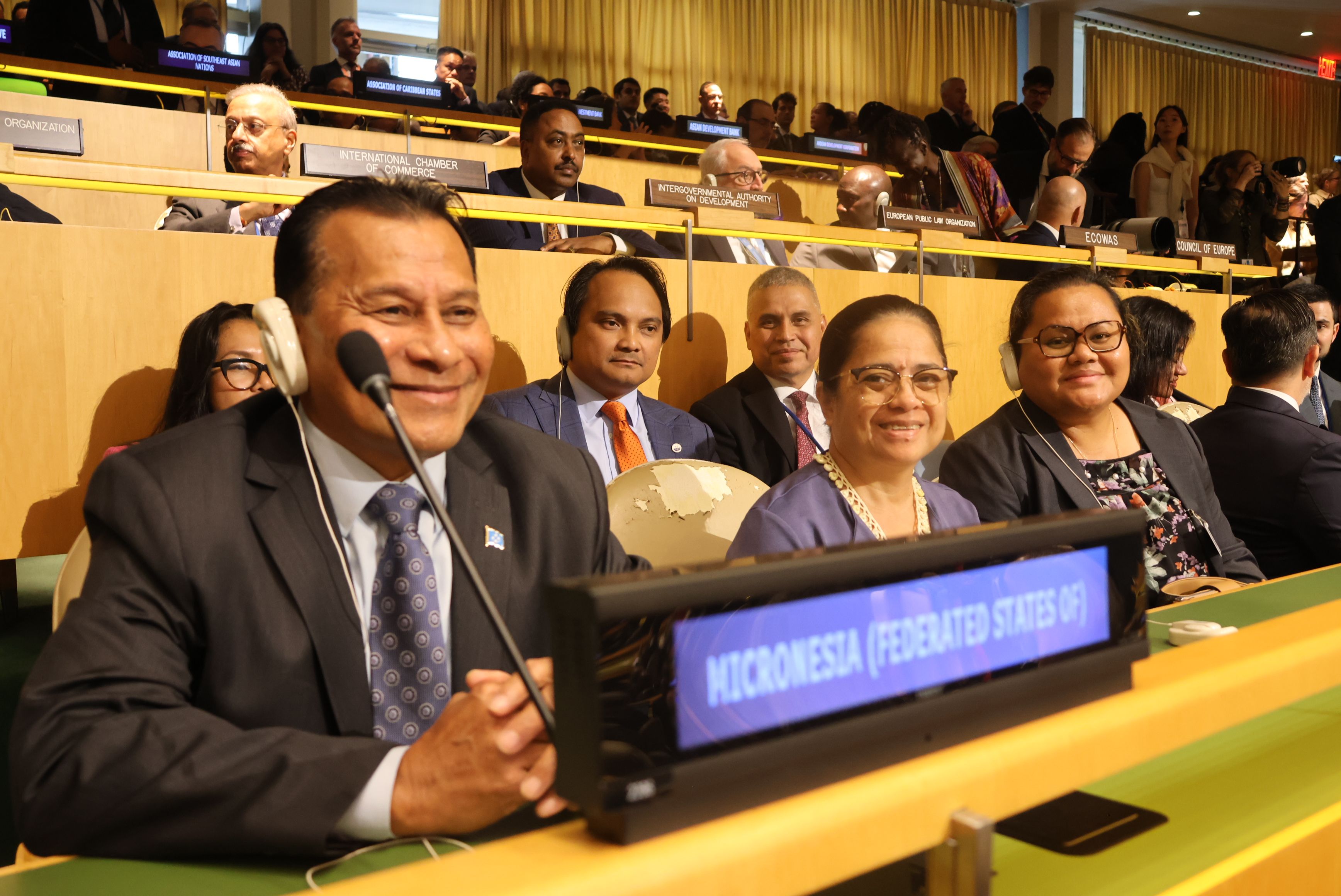
Members of the Federated States of Micronesia delegation attend the United Nations General Assembly in New York. Photo/Pacific Islands Forum
“These big El Niños happen every 10, 15 years, and they always have major consequences, big loss of life, infrastructure damage, economic costs, food security impacts, etc,” Renwick said.
He said sea temperatures in the eastern Pacific are already at record levels for this stage of the event.
Renwick said the effects will vary across the Pacific region but tropical cyclones are a major concern.
“You tend to have more cyclones during an El Niño. And they tend to be able to rove around across the Pacific further than they would otherwise.”
He expects a higher risk of cyclone activity in the eastern parts of the southwest Pacific including French Polynesia and areas further east.
Renwick said some Pacific countries could also face drier conditions and growing pressure on water supplies as the cyclone season develops.
Listen to Professor James Renwick's full interview below.
“Water security could well be an issue for some places as the cyclone season evolves,” he said.
The warning comes as a new report projects almost 451,000 additional heat-related deaths globally between June 2026 and February 2027 from the extra heat linked to El Niño.
Renwick said governments already have the monitoring and forecasting systems needed to prepare for the effects of El Niño.
“We have excellent monitoring and forecasting services on all sorts of timescales. And governments know what to do,” he said.
Whipps has also pointed to practical adaptation measures including a Pacific Resilience Facility pilot in Palau restoring traditional taro patch systems to help protect food security and coastal water tables during El Niño dry spells.
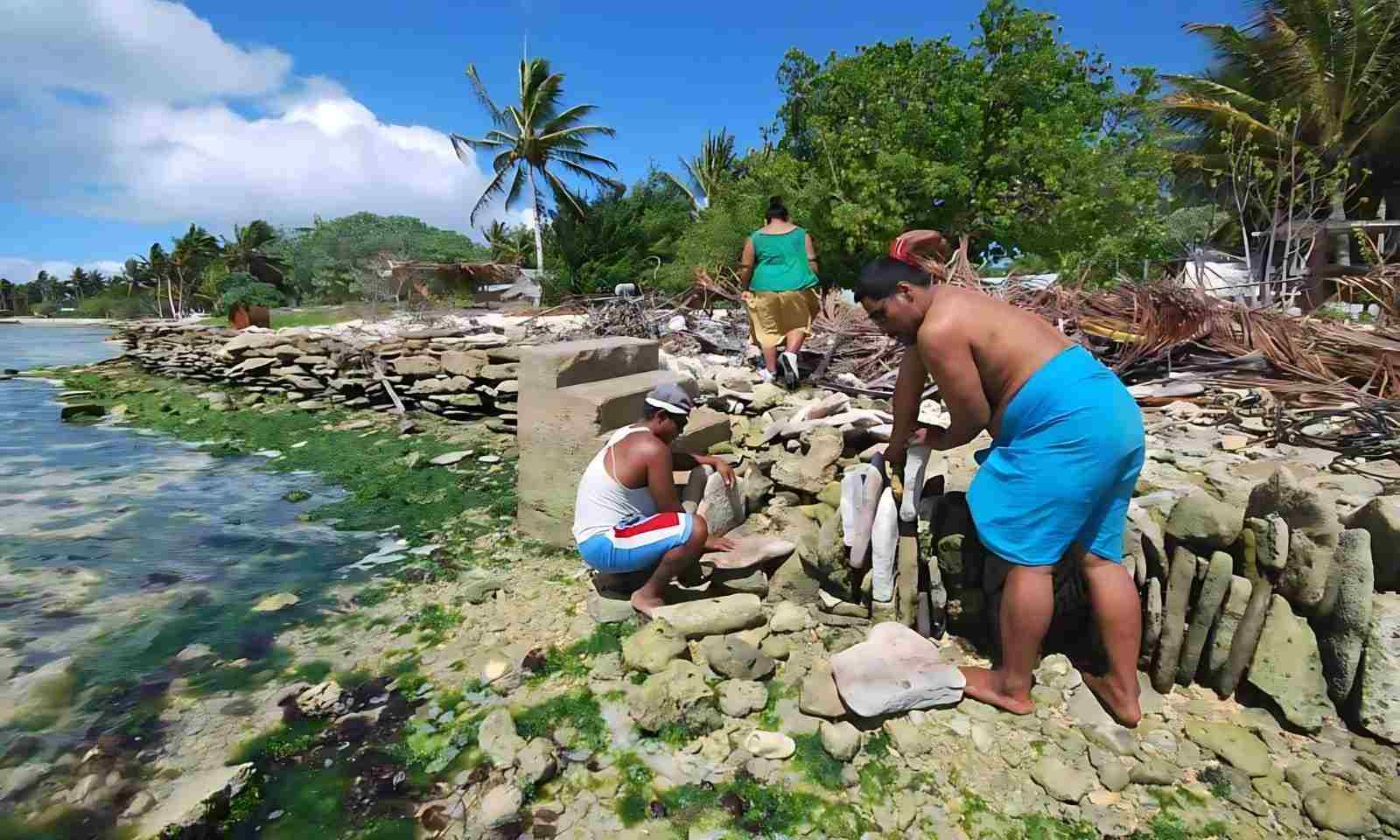
Pacific communities are facing growing pressure from climate-related impacts including changing rainfall, drought, extreme heat and risks to food and water security. Photo/Pacific Community (SPC)/file
The Pacific leaders' call for early action at the UN comes as the General Assembly holds a high-level meeting this week focused on the growing threat of sea-level rise and the need for international cooperation to help vulnerable island states adapt.
For Pacific countries already dealing with rising seas, changing rainfall and pressure on food and water supplies, Whipps says the message from New York and the climate science is clear: preparation needs to happen before the next climate shock arrives.
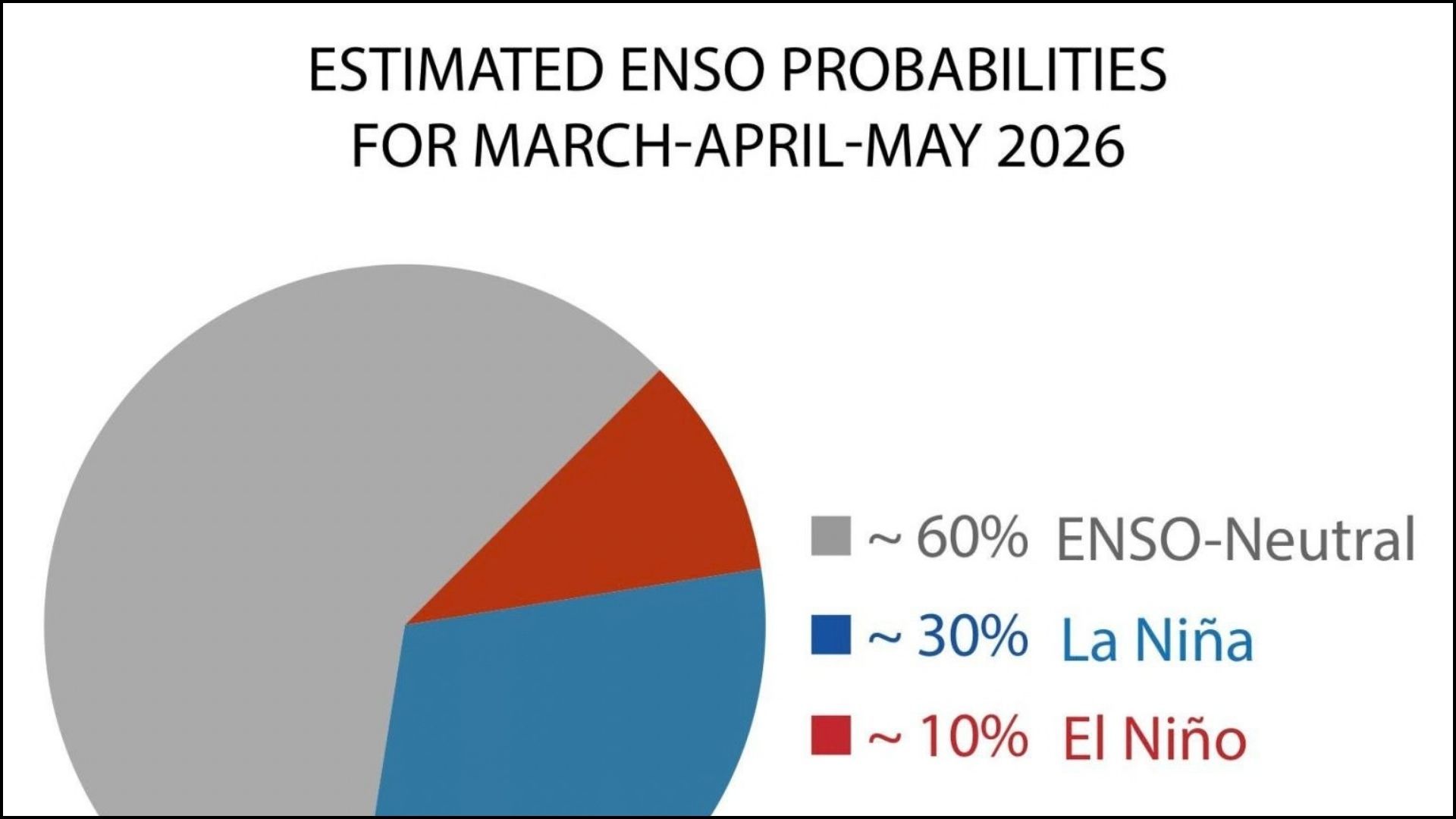
El Niño is a natural climate pattern that warms ocean temperatures in the central and eastern tropical Pacific and can disrupt weather patterns across the region and beyond. Photo/World Meteorological Organization