
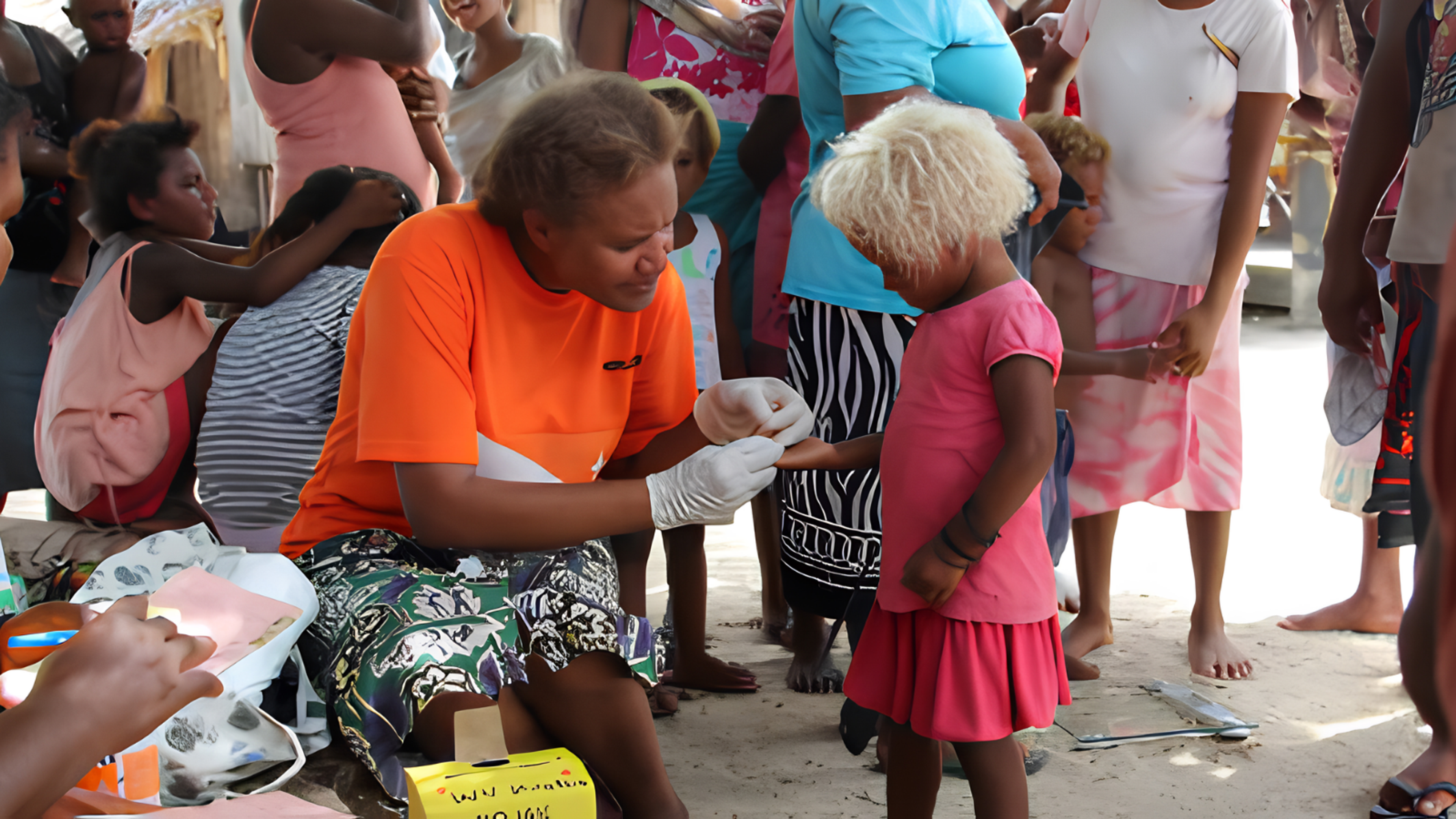
Children are supported by World Vision ion the Solomons. But is this at risk for the rest of the world, as overseas aid becomes an election issue.
Photo/Worldvision/Supplied
Politics
World Vision warns children will pay for aid cuts beyond the Pacific
National and ACT promise to protect aid in the Pacific while cutting billions from overseas aid elsewhere, drawing criticism from NZ First.

Thomas Tarurongo Wynne
Published
12 October 2026, 12:44pm
Share
Copy Link
Children are losing access to school, families are struggling to get health care and communities left without clean water are among the risks World Vision New Zealand says voters should consider as overseas aid becomes an election issue in Aotearoa.
Rebekah Armstrong of World Vision New Zealand told William Terite on Pacific Mornings she is disappointed that development assistance has become part of the campaign debate.
"Development assistance is not just money sitting in a bank account," Armstrong says.
"It means children being able to go to school, families accessing health care, clean water, communities building livelihoods, being able to respond when there's a conflict or disaster."
National and ACT have both ruled out cuts to aid for the Pacific but their plans would reduce support for communities elsewhere.
World Vision, which runs about 60 per cent of its programmes in the Pacific, welcomes the regional protection but says it should not come at the expense of other people in need.
Listen to Rebekah Armstrong's full interview below.
"But humanitarian need doesn't stop at the Pacific edge. Protecting the Pacific should not mean walking away from other children and families," Armstrong says.
"New Zealand can care for people here at home and still play its international role," she says, pointing to Norway, Sweden, Finland and Ireland as countries increasing their aid.
The debate comes as Pacific voters in New Zealand face their own pressures. The PMN–Horizon Research Pacific Issues Election Survey found 67 per cent of Pacific respondents identified the cost of living as a priority, while 54 per cent pointed to health.
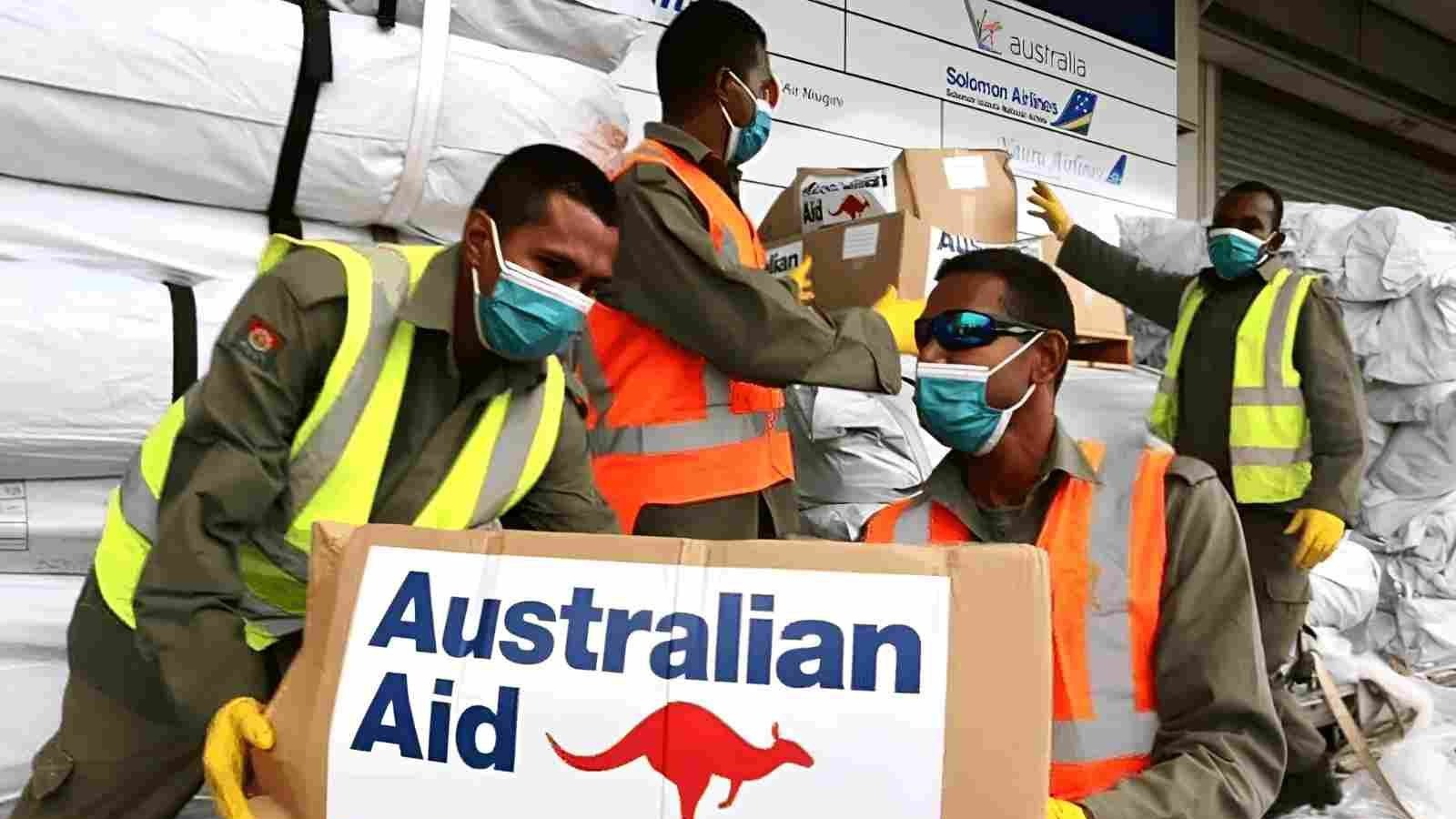
National and ACT have both ruled out cuts to aid for the Pacific but their plans would reduce support for communities elsewhere. .Photo/Facebook/Defence Australia
ACT wants to cut more than $1.1 billion from foreign aid over four years from 2028, taking spending back to 2017 levels and saving around $283 million a year. The Pacific and Ukraine are protected.
"We believe that we should be looking after our friends in the Pacific, that's critical to New Zealand," ACT leader David Seymour said at the party’s fiscal policy announcement.
"When I see $15 million for transgender passionfruit, that's not the sort of expenditure people thought they were getting," Seymour says.
National is proposing a 10 per cent cut to aid outside the Pacific, saving $431.2m over three years to help fund a $604m boost for Pharmac and new medicines including cancer drugs.
The party says New Zealand must put its own country and people first. Its examples of what it considers "wasteful" spending include "workshops with indigenous farmers in Patagonia".
Prime Minister Christopher Luxon says aid spending should better serve New Zealand's national interest.
"We're going to be more choiceful, a little more intentional about how we deploy a billion dollars worth of aid budget each and every year," he says.
Budget 2026 set aid spending at $1.2b, with roughly two thirds going to Pacific Islands countries. With the Pacific protected, the proposed cuts would fall heavily on aid programmes elsewhere.
The plans have also drawn criticism from coalition partner and Foreign Affairs Minister Vaovasamanaia Winston Peters.
He has called National's proposal "both desperate and dangerous" and ACT's "mindless" and "training wheel stuff".
"It's high time that they left it to the adults in the room on this matter. This is extraordinary," Peters said.
Labour, meanwhile, wants to lift aid spending as close as possible to the Organisation for Economic Co-operation and Development (OECD) target of 0.7 per cent of gross national income, around $3b, as a long-term commitment while keeping the Pacific a priority.
The debate comes as international aid shrinks. The OECD says aid from its Development Assistance Committee members fell by 23.1 per cent in real terms in 2025, the largest annual drop on record.
That follows a further decline in 2024, according to OECD figures.
In July, PMN News reported a separate OECD projection that aid to Small Island Developing States (SIDS) in Asia and the Pacific could fall by 33.4 per cent between 2024 and 2026, leaving these countries "among the hardest hit".
New Zealand’s general election is on 7 November with advance voting beginning on 26 October.
Listen to Josie Pagani's full interview below.