
Tonga and PNG step up drought response as an El Niño threat grows
PMN NewsFri, 20 Nov
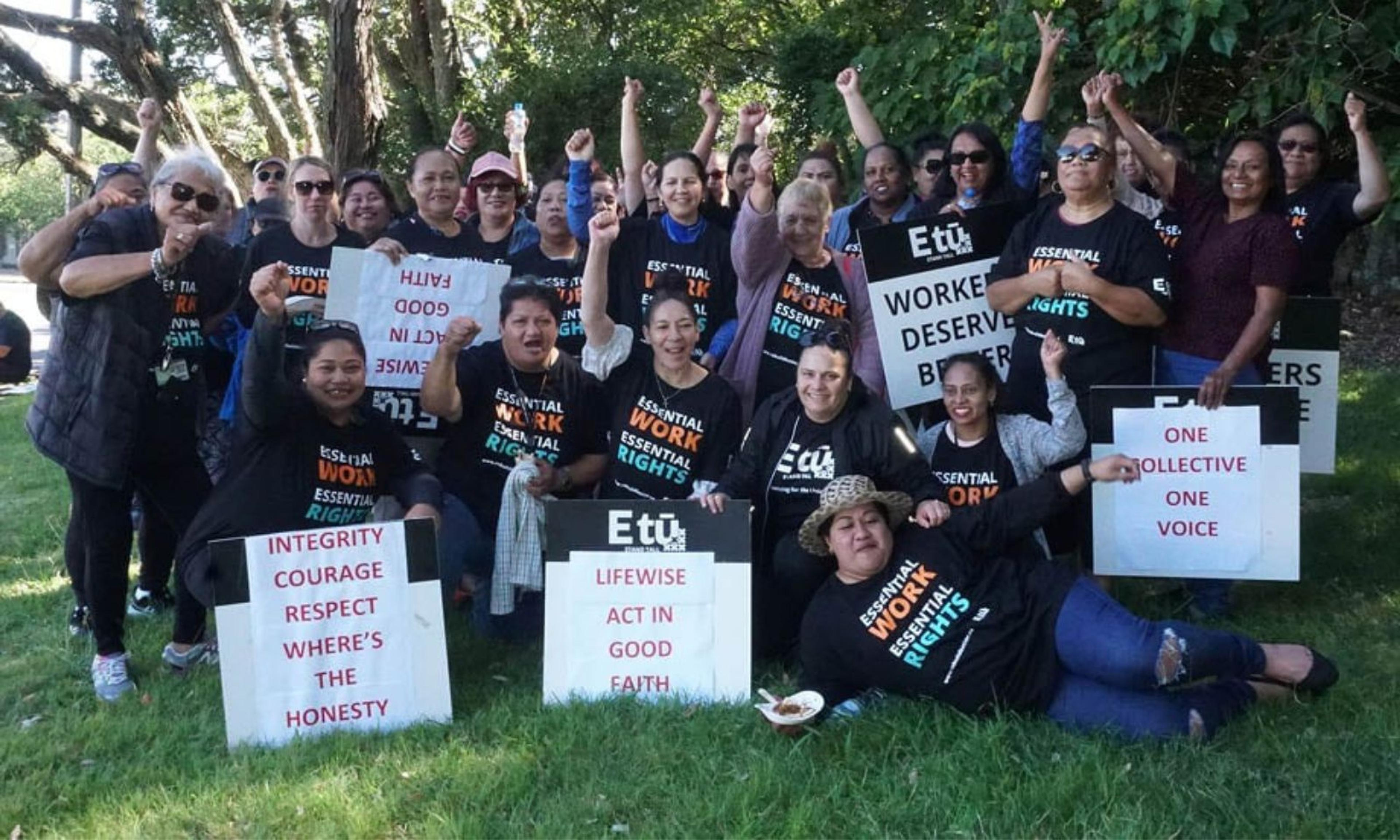
Home support workers rallied across Aotearoa on 'April Fuels Day' this year.
Photo/E tū Union/file
The Court found changes that cancelled 33 pay equity claims were inconsistent with women's rights, but the claims are not automatically restored and the Crown can still appeal.

Workers across Aotearoa New Zealand are celebrating a High Court ruling which found that the Government's changes to pay equity discriminated against women.
But unions say the fight is not over.
The court has formally declared the 2025 amendments to the Equal Pay Act inconsistent with the right to be free from discrimination under the New Zealand Bill of Rights Act.
The changes cancelled 33 existing pay equity claims affecting more than 150,000 women and made it harder to bring new claims.
Fleur Fitzsimons, Public Service Association national secretary, says the ruling confirms what women workers had been saying since the changes were made.
"The court has done what Parliament should have done, listened fairly to women workers about their need for pay equity and upheld their fundamental rights but the fight is not over."
Listen to an earlier interview by Fleur Fitzsimons below.
The PSA is calling on the next government to restore the previous pay equity framework and the cancelled claims.
Fitzsimons says care and support workers should be among the first to have their claim settled.
"The next Government must now do the right thing by women and restore real pay equity legislation and the pay equity claims as a priority."
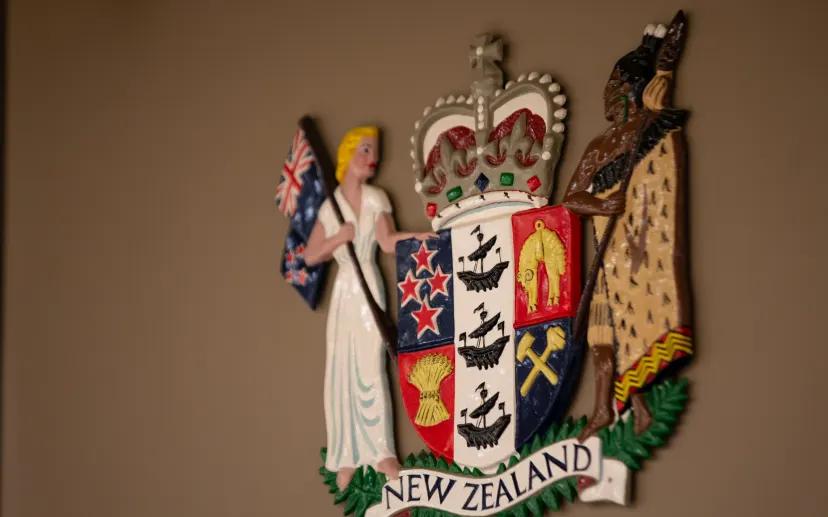
The High Court has found the Government's 2025 pay equity changes inconsistent with women's rights under the New Zealand Bill of Rights Act. Photo/RNZ/Dan Cook
The Human Rights Commission also welcomed the decision, saying the court had found the amendments had a disproportionate impact on women because pay equity claims are overwhelmingly brought by female-dominated workforces.
Equal Employment Opportunities Commissioner Professor Gail Pacheco said the ruling recognised the impact on women working in occupations that have historically been undervalued.
"Women have the right to be free from discrimination, including discrimination that results in the undervaluation of work performed predominantly by women.
"The Court has recognised the impact these amendments have had on women seeking pay equity.”
"This outcome matters for the nurses, teachers, care and support workers and for everyone working in a female-dominated occupation."
The commission said the court found the changes could not be justified under the Bill of Rights Act, and that no evidence had been presented to show the previous system was not working as it should.
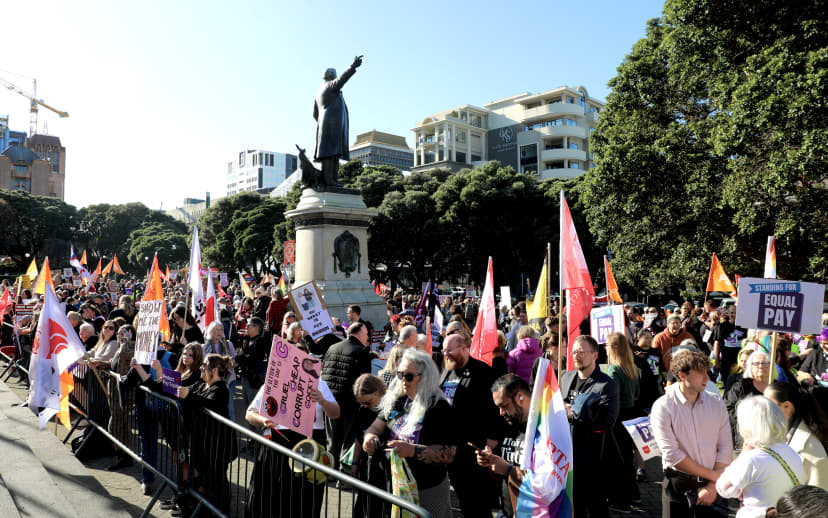
Workers protest for pay equity outside Parliament in May 2025. Photo/RNZ/Marika Khabazi
The ruling also has particular significance for Pacific women, who continue to face one of New Zealand's largest pay gaps.
Former Human Rights Commissioner Saunoamaali’i Dr Karanina Sumeo, who led the commission's Pacific Pay Gap Inquiry, has previously warned that Pacific women earn about 75 cents for every dollar earned by a Pākehā man.
Sumeo said pay equity was about more than wages, linking it to the dignity and economic security of Pacific women and their families.
Workers interviewed by RNZ also welcomed the ruling.
Aged care health care assistant and NZNO delegate Lisa Marriner said she was surprised the cost of pay equity was a reason for the changes.
"It surprised me that it was because of the cost to the government for pay equity for paying care and support workers and early childhood teachers in particular because there are so many of us."
She said she wanted the next government to restore the previous system and consider compensation for workers whose claims were cancelled.
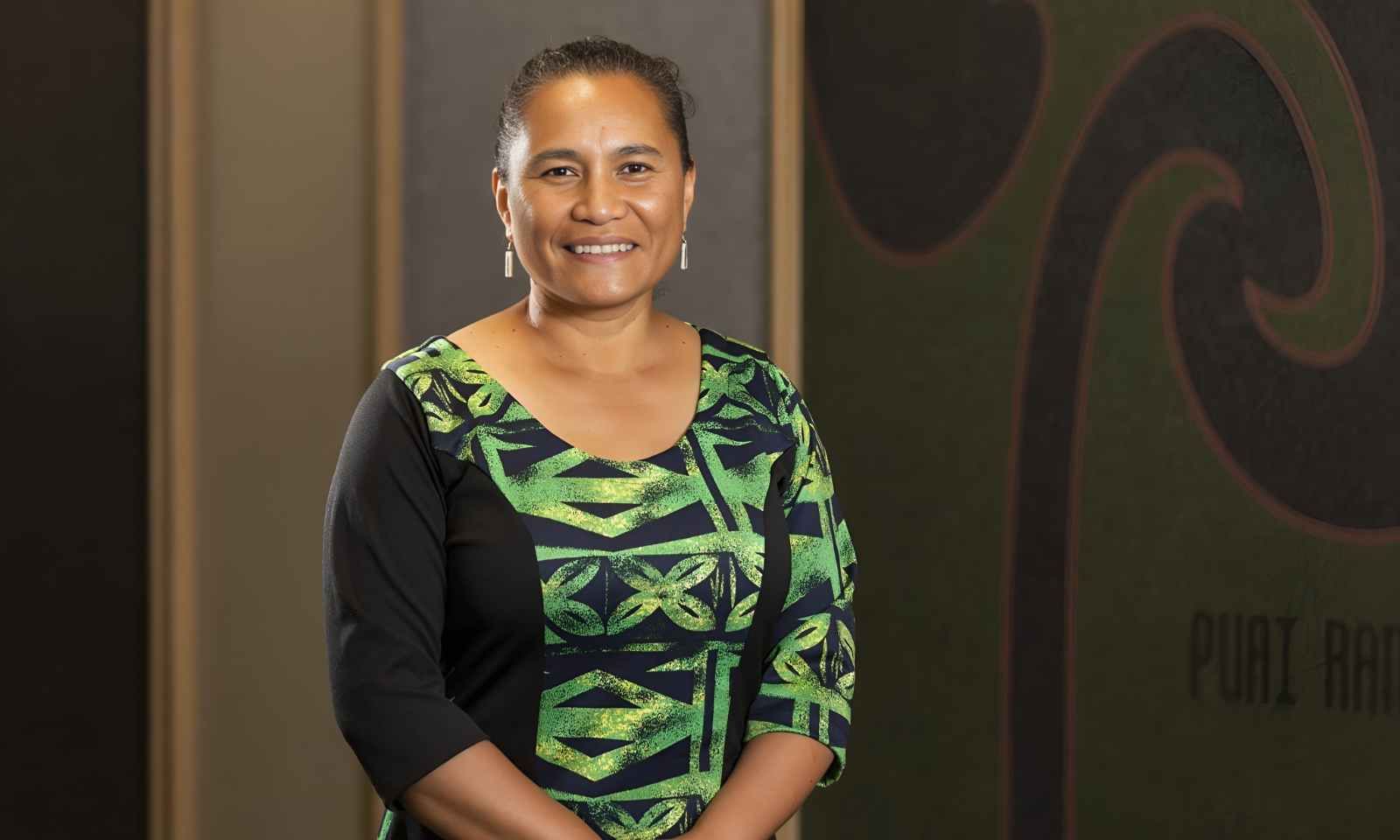
Saunoamaali’i Dr Karanina Sumeo has highlighted the ongoing pay gap facing Pacific women and the wider importance of pay equity for women and their families. Photo/New Zealand Human Rights Commission
"I would also like some kind of compensatory payment particularly for care and support workers and early childhood teachers in particular," she told RNZ.
PPTA president Chris Abercrombie also said Prime Minister Christopher Luxon owed women an apology.
"He needs to acknowledge that the pay equity system was working, but the Government dismantled it because the price of addressing historic undervaluation was one it did not want to pay," he told the broadcaster.
Tertiary Education Union national secretary Amy Ross said the decision backed up the concerns raised by unions and thousands of women.
"This is a historic victory for union members and women everywhere and validates what we all knew - that these changes were a violation of our fundamental rights to fair pay," he told RNZ.
Watch Manaaki Rangatahi Spokesperson Brooke Pao Stanley and former Leader of the Pacific Blues John Loau's earlier interview on pay equity, among other things, below.
But the court's declaration does not itself change the law or restore the 33 cancelled claims.
The Crown can appeal and the declaration only becomes final once any appeal has been dealt with or the time to appeal has passed.
Once it is final, the Attorney-General must notify Parliament. A select committee will then consider the declaration and report to Parliament, followed by a formal Government response and parliamentary debate.
For Pacific women working in female-dominated sectors, unions say the outcome adds another focus to the long-running debate over the value placed on workers and whether the next government will act on the court's finding.