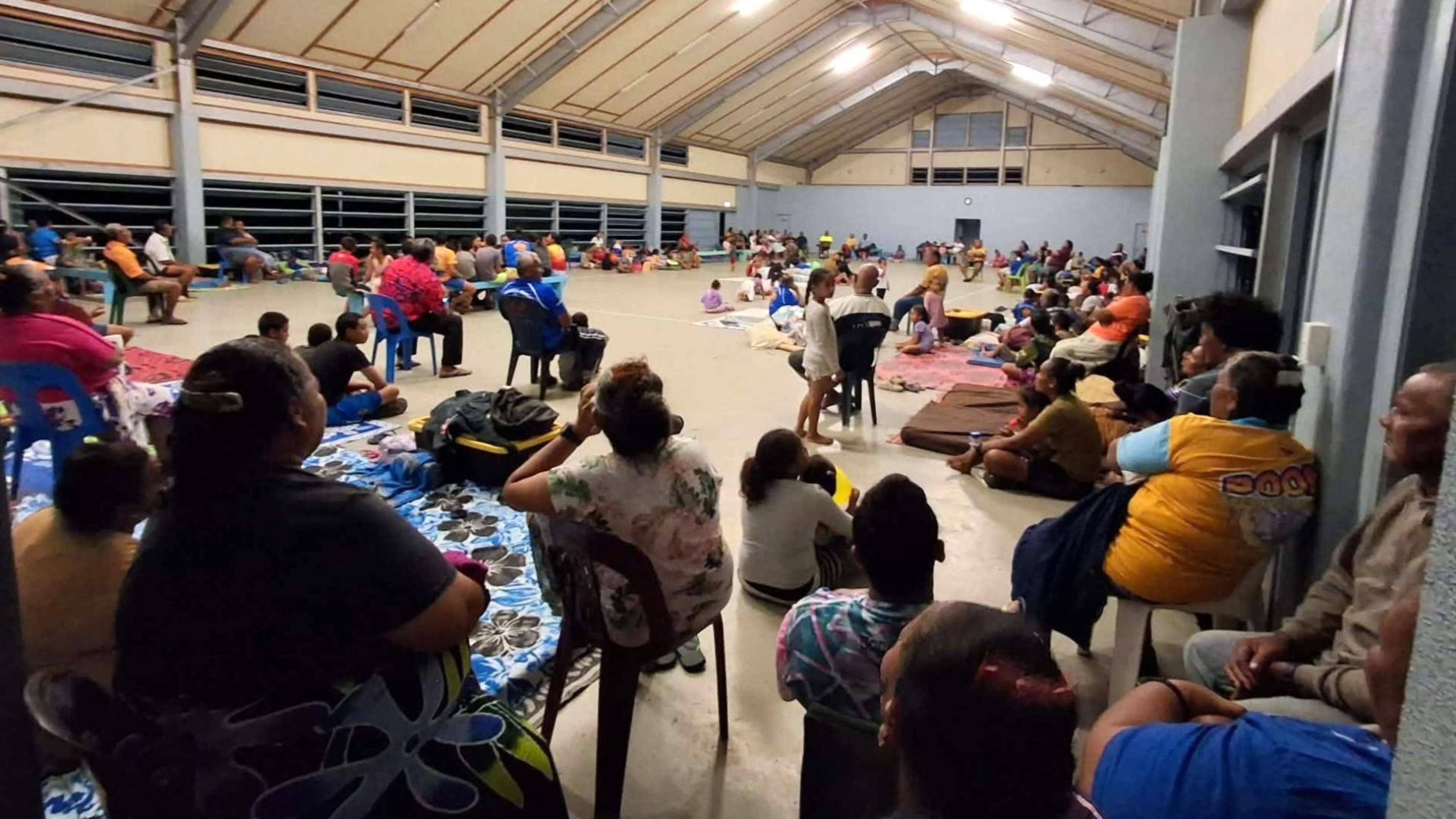
Fijians face a possible referendum on constitutional reform if the government can secure enough support in Parliament to pass the proposed changes.
Photo/Facebook/Fiji government
Politics
Fiji's constitutional reform hangs on 36 votes as opposition continues to grow
The government needs enough support in Parliament to get its proposed changes through before a possible referendum while Rotumans are pushing for more control over their own affairs.

Christine Rovoi
Published
20 November 2026, 4:10pm
Share
Copy Link
Top stories
Rotuma backs Fiji constitutional changes but wants more powers, path to self-reliance
Elenoa TuragaiviuWed, 18 Nov

Tonga and PNG step up drought response as an El Niño threat grows
PMN NewsFri, 20 Nov
When the waka now changes direction: Is MMP sinking or sailing as it was designed?
Thomas Tarurongo WynneThu, 19 Nov
Top stories
Rotuma backs Fiji constitutional changes but wants more powers, path to self-reliance
Elenoa TuragaiviuWed, 18 Nov
Tonga and PNG step up drought response as an El Niño threat grows
PMN NewsFri, 20 Nov
When the waka now changes direction: Is MMP sinking or sailing as it was designed?
Thomas Tarurongo WynneThu, 19 Nov
Fiji's proposed constitutional overhaul could collapse in Parliament before voters ever get a chance to have their say, a Pacific political expert has warned.
Steven Ratuva, Pro-Vice-Chancellor Pacific at the University of Canterbury, says Prime Minister Sitiveni Rabuka's government needs 36 votes to pass the changes but two political parties with eight seats between them are opposed to the bill in its current form.
Ratuva says the numbers leave the Government with little room to move.
“The two political parties which are threatening to withdraw this vote altogether have eight seats. So if they withdraw this vote, then Rabuka will be lucky to get 36. So it'll simply collapse.”
If the bill fails, Ratuva says the government would have to abandon the reform process and could be forced towards an early election.
The proposed changes to Fiji's 2013 Constitution include changes to the electoral system, the powers of the Great Council of Chiefs, Rotuma's constitutional position, and the possible return of a Senate.
Watch Steven Ratuva's full interview below.
Fiji currently uses a single national constituency proportional representation system.
Ratuva says the proposed changes have opened up a wider debate about how Fiji is governed and how different groups are represented.
One of the most closely watched parts of the reform is Rotuma, which lies about 500 kilometres north of Fiji’s capital and is home to about 2000 people.

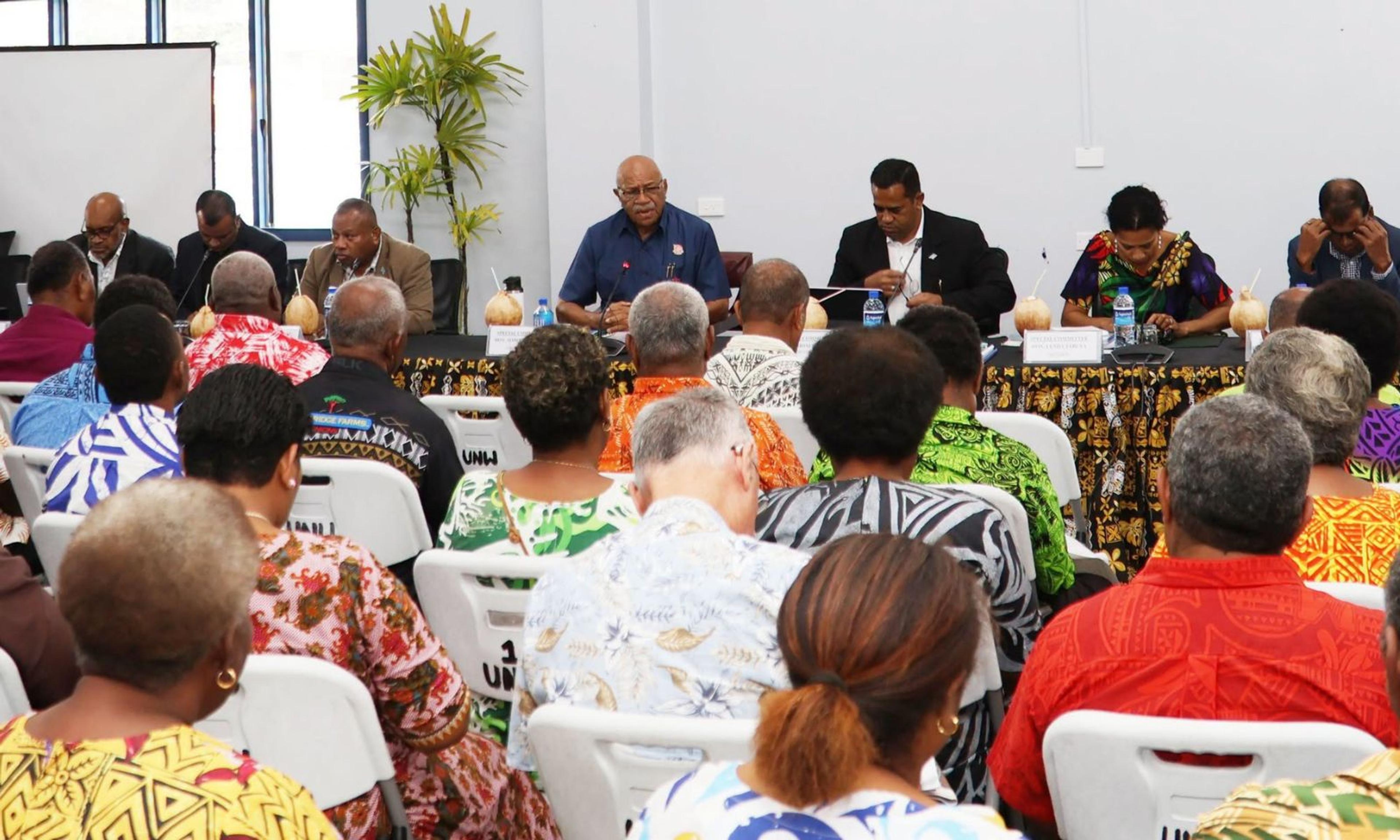
Fiji’s Parliament faces a crucial vote on the proposed constitutional changes with the government needing 36 votes to move the reform process forward. Photo/Fiji Parliament
A much larger Rotuman community lives on elsewhere, including on mainland Fiji, and in New Zealand where the 2018 Census counted more than 2000 people of Rotuman descent.
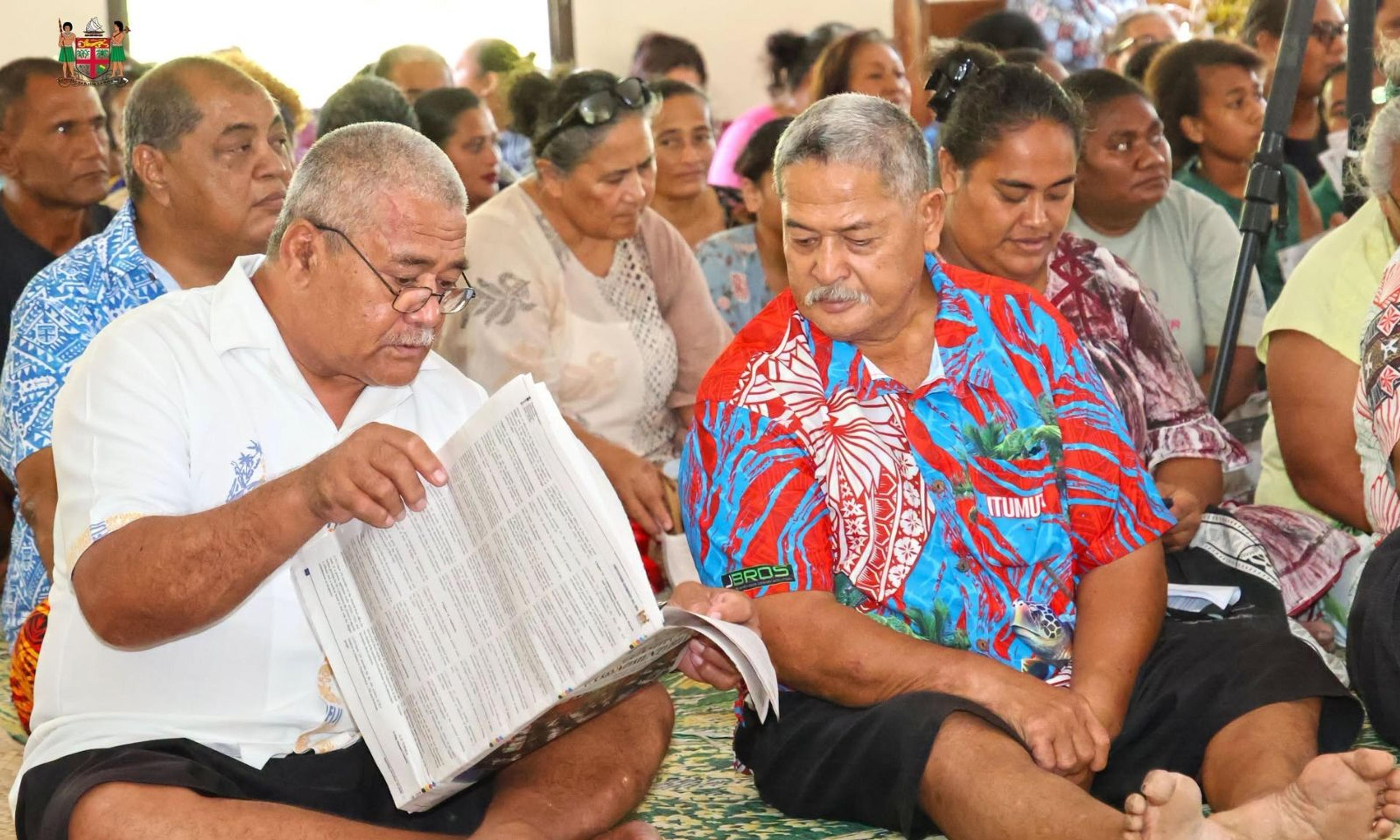
Representatives from the island have backed a dedicated constitutional chapter for Rotuma but want stronger powers over its affairs, resources and maritime boundaries, as well as a path towards greater self-reliance.
Joane Varea, one of the island's representatives, told Fiji's Parliamentary Standing Committee this week that the island should have a clear timeframe for becoming more self-reliant.
“If Tuvalu can, with their small resources, stand on their own two feet, why can't Rotuman people stand on their own two feet?”
Ratuva says Rotuma's push for greater autonomy has been around for decades including earlier calls for independence but the current process gives it a more formal place in constitutional reform.
He says Rotumans must decide what greater autonomy looks like while also considering the large Rotuman population living outside the island.
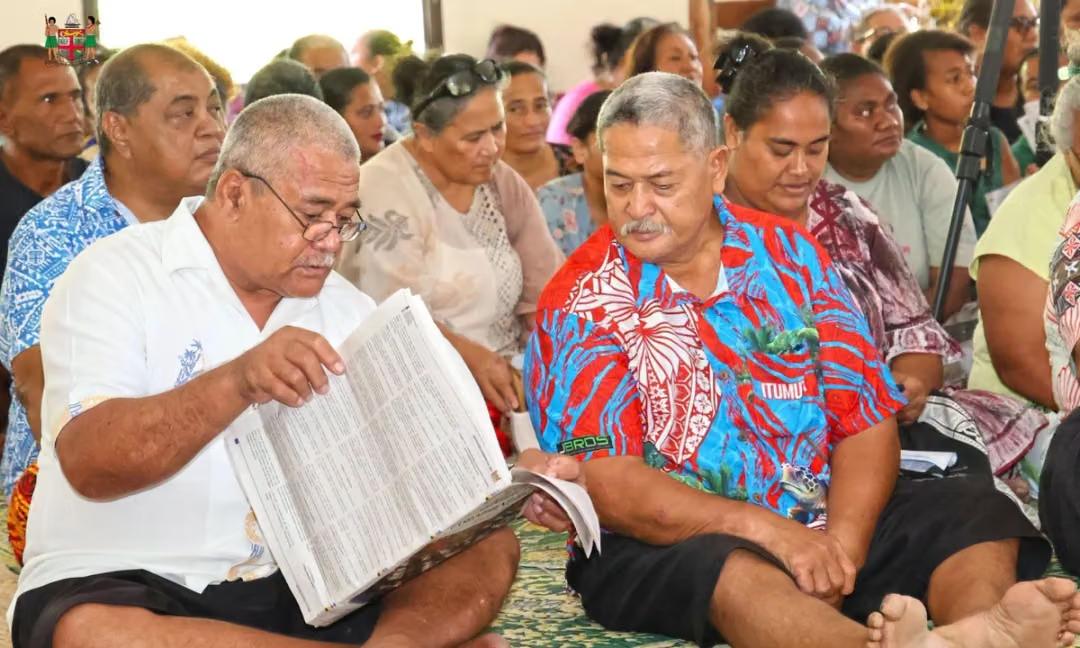
Rotuman representatives are backing a dedicated constitutional chapter while seeking greater control over the island’s affairs, resources and future. Photo/Facebook/Fiji government
“There has to be a balance in terms of having autonomy. At the same time, how do you look after the Rotumans who are outside Rotuma?”
The proposed reforms would also create a bicameral Parliament, bringing back an upper house that existed under Fiji's 1970 Constitution.
But changes to electoral laws are also causing concern.
The Fiji Law Society has warned some proposed restrictions could limit public debate and voter education ahead of elections while the government says the changes are aimed at preventing foreign interference and making the rules clearer.
Ratuva says the restrictions could affect the space for open political debate.
“And so, the electoral laws, instead of being supportive of an open ecosystem of debate, they seem to point towards restriction.”
The government is also facing a wider political challenge as parties prepare for the next election.
Ratuva says more than 10 parties are already preparing to contest it with several new groups entering the field.
He expects the proportional representation system to again make a coalition government likely.
If the constitutional bill does pass its third reading, Fijians could then face a referendum alongside the next general election.
The referendum would ask voters a single question on whether they support the proposed constitutional changes. But that vote can only happen if the reform first clears Parliament.
With Parliament's current term due to expire on 24 December, the coming weeks could determine whether Fiji's constitutional reform reaches voters at all, Ratuva says.