
Sāmoa treaty dispute with Luxon 'blown up' by media, says community leader
PMN NewsTue, 27 Oct
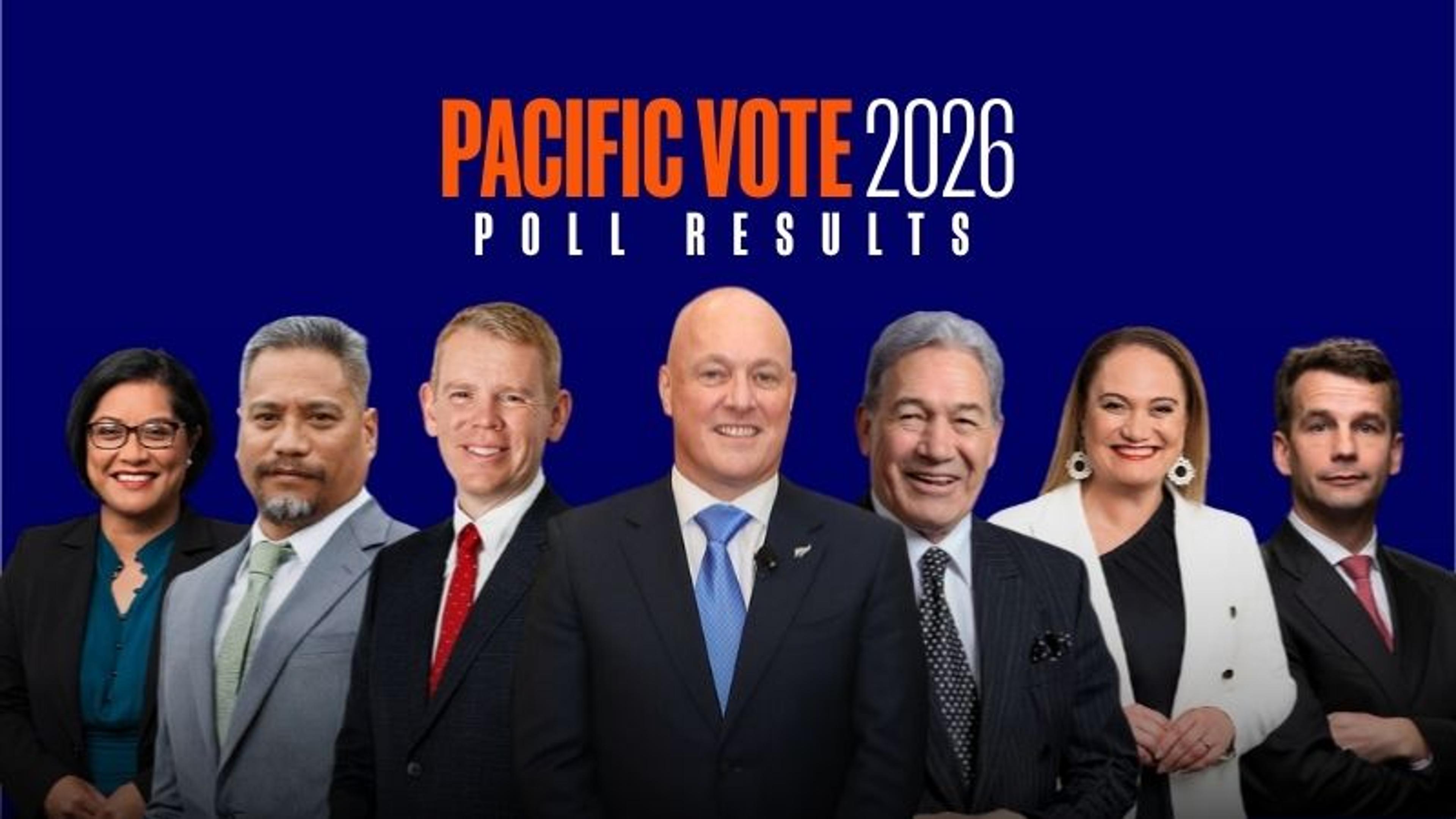
The latest PMN-HorizonPoll survey shows the cost of living is the top issue for Pacific voters ahead of the 2026 general election, with many respondents also wanting stronger Pacific representation in politics.
Photo/PMN Composite
A new PMN HorizonResearch survey shows the cost of living, employment, and the government not understanding their communities are major concerns facing Pacific voters.




Cost of living pressures and doubts about the coalition’s understanding of Pacific communities are emerging as key issues shaping the Pasifika vote in the 2026 general election.
A new PMN News-Horizon Research Pacific Issues Election Survey shows household budgets, jobs and wages will have a major influence on how respondents vote in the 7 November election.
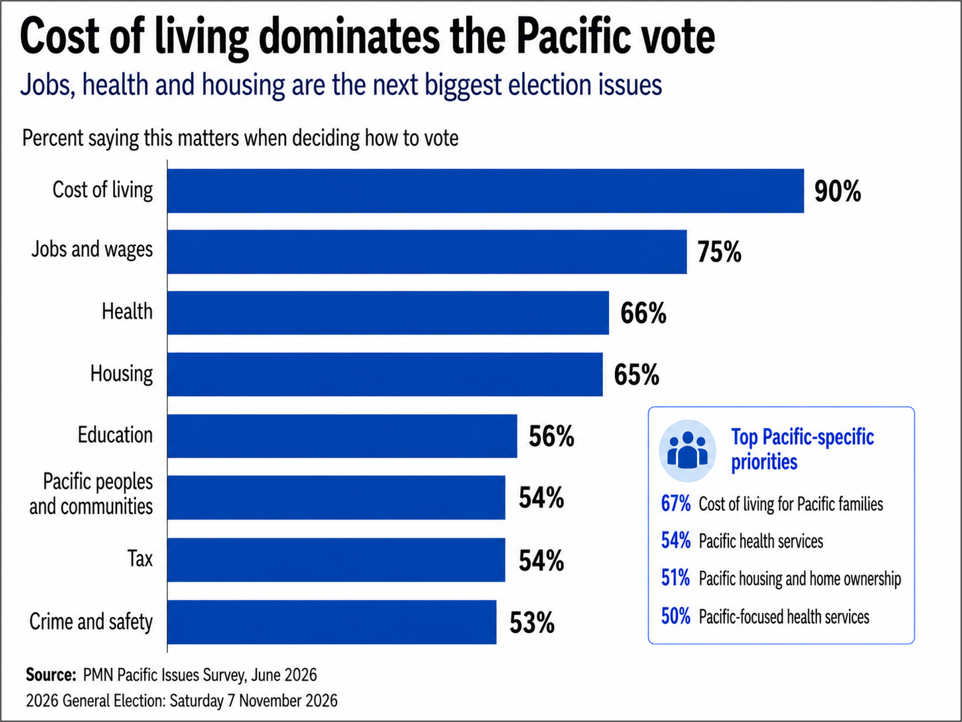
The survey also points to a specific challenge for the coalition, with many respondents saying they do not believe National, ACT or New Zealand First have a good understanding of Pacific communities.
Among those surveyed, 72 per cent said National does not understand Pacific communities well, while 74 per cent said the same about ACT and 59 per cent about New Zealand First.
Labour was viewed most favourably, with 70 per cent saying the party understands Pacific communities well, followed by Te Pāti Māori and the Greens.
The findings come as the national election race remains tight. While the NZ Herald-Motu Research Poll of Polls shows Labour and National almost level nationwide (30.9 per cent and 29.8 per cent), Pacific respondents in the PMN survey paint a different picture.
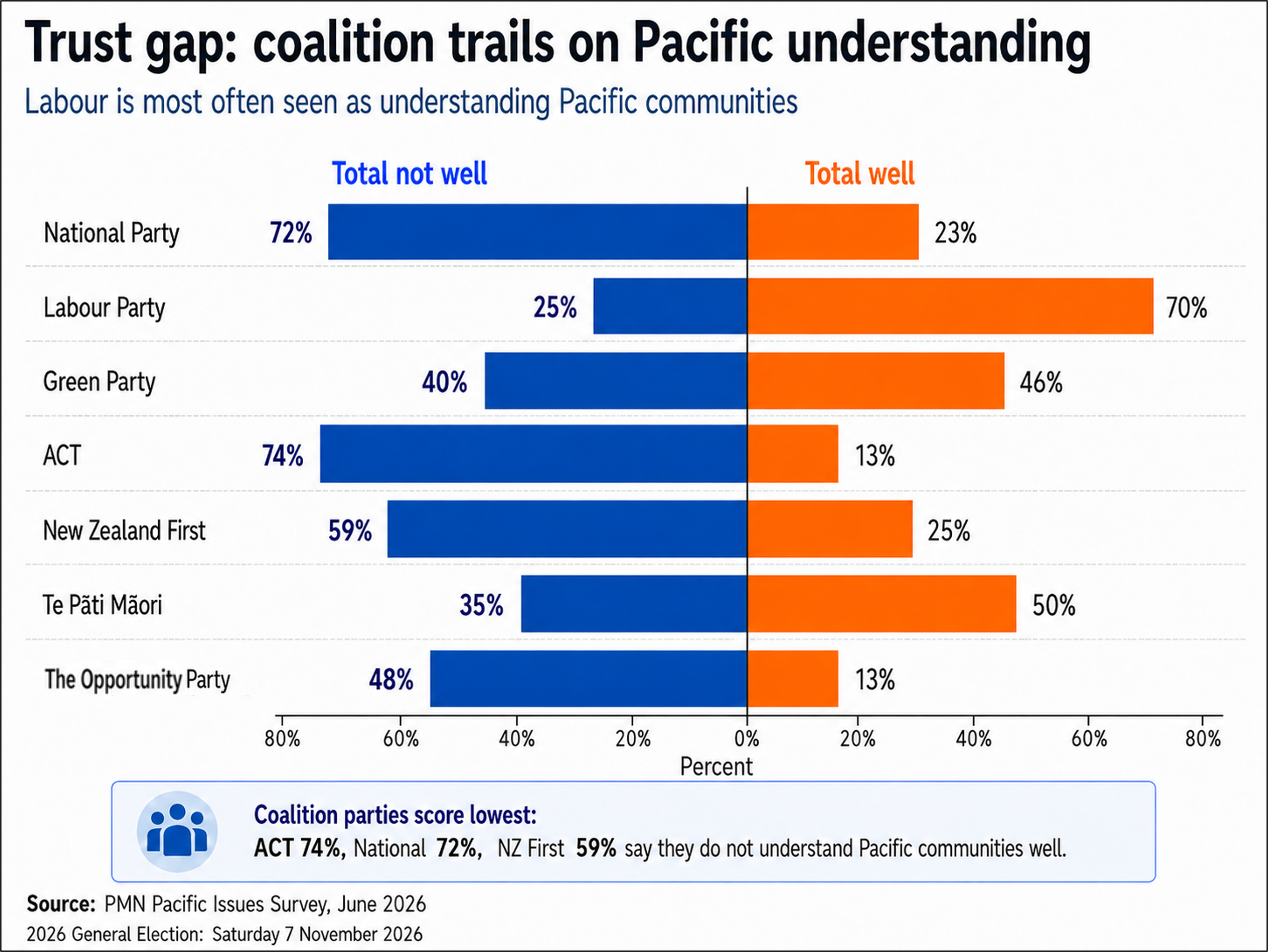
Labour attracted 50 per cent of the Pacific party vote among respondents compared with 11 per cent for National.
Seven per cent said they intended to vote for NZ First and 2 per cent for The Opportunity Party.
The survey suggests everyday pressures are central to how Pacific voters are weighing up their choices.
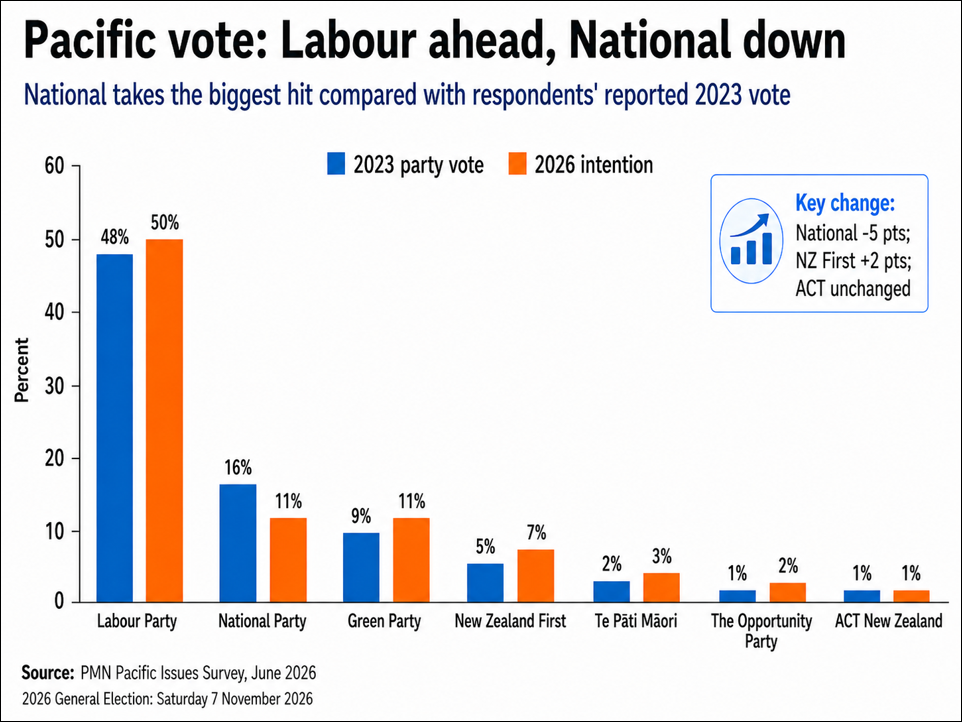
Nine in 10 respondents said the cost of living would influence how they vote. Jobs and wages followed at 75 per cent with health (66 per cent) and housing (65 per cent) also ranking as major concerns.
When asked what political parties should prioritise, respondents highlighted the cost of living for Pacific families, housing and home ownership, and better Pacific health services.
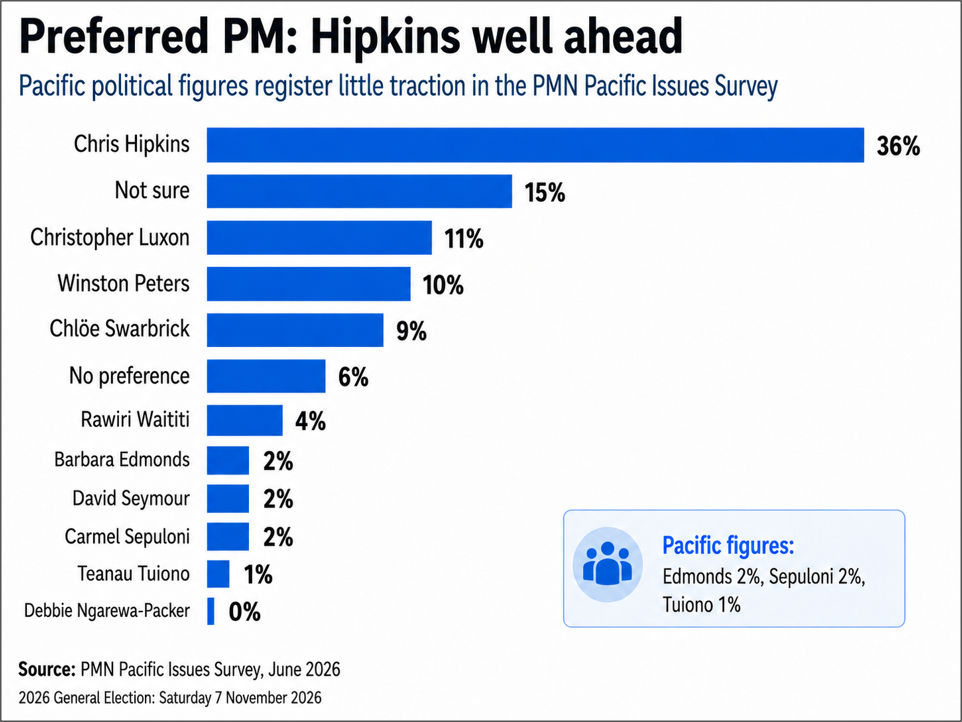
While Pacific candidates did not feature strongly in the preferred Prime Minister rankings, representation still matters.
Eighty per cent of respondents said it was very important for political parties to have Pacific candidates or Pacific MPs but support for representation did not translate into strong backing for Pacific politicians in the preferred Prime Minister rankings.
Labour leader Chris Hipkins was the preferred Prime Minister among respondents on 36 per cent, followed by Christopher Luxon at 11 per cent, Winston Peters on 10 per cent and Green Party co-leader Chlöe Swarbrick on nine per cent.
Labour MPs Barbara Edmonds and Carmel Sepuloni were the highest-ranked Pacific politicians at two per cent each, with Green MP Teanau Tuiono at one per cent.
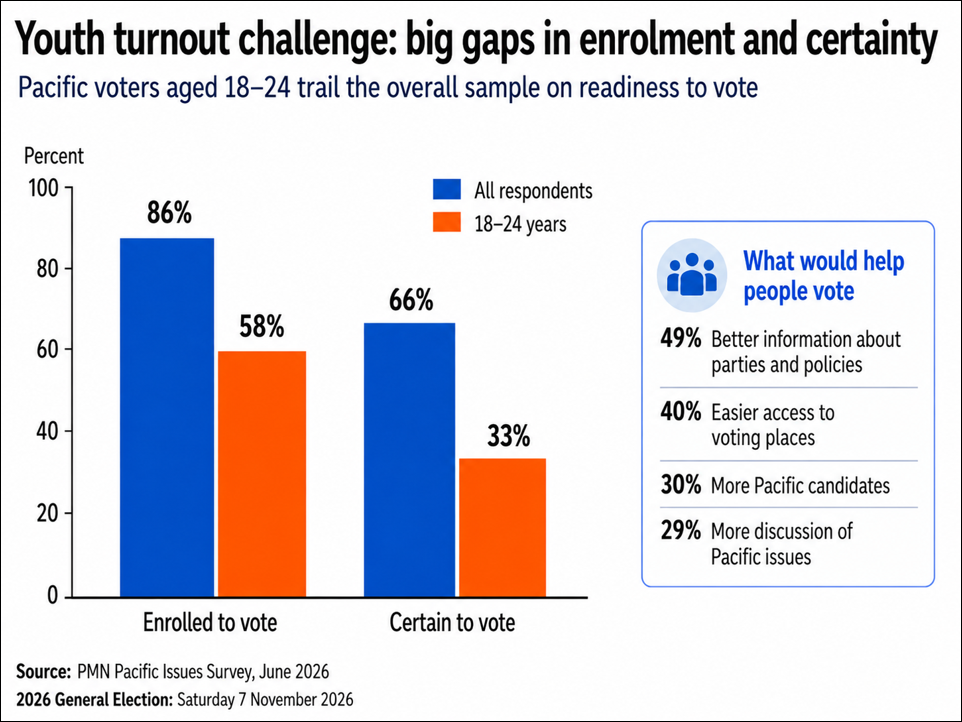
The survey also highlights the challenge of engaging younger Pacific voters.
While 58 per cent of respondents aged 18 to 24 said they were enrolled to vote, only one in three said they were certain to cast a ballot.
Younger respondents said they wanted clearer information about parties and policies, easier access to voting places, more Pacific candidates and stronger discussion of Pacific issues.
Interest in this year’s election appears to be growing overall with 58 per cent saying they are more interested in voting than they were in 2023.
The PMN News-HorizonResearch Pacific Issues Election Survey was conducted online between 23 June and 7 July 2026. It surveyed 293 respondents and the sample was weighted on age and gender for Pacific peoples 18 years of age or over, based on the 2023 Census. The survey has a maximum margin of error of ±5.7% overall.
This survey complies with the political polling code of the Research Association of New Zealand, of which Horizon Research is a member.
Watch Chief Electoral Officer Karl Le Quesne explain how to enrol