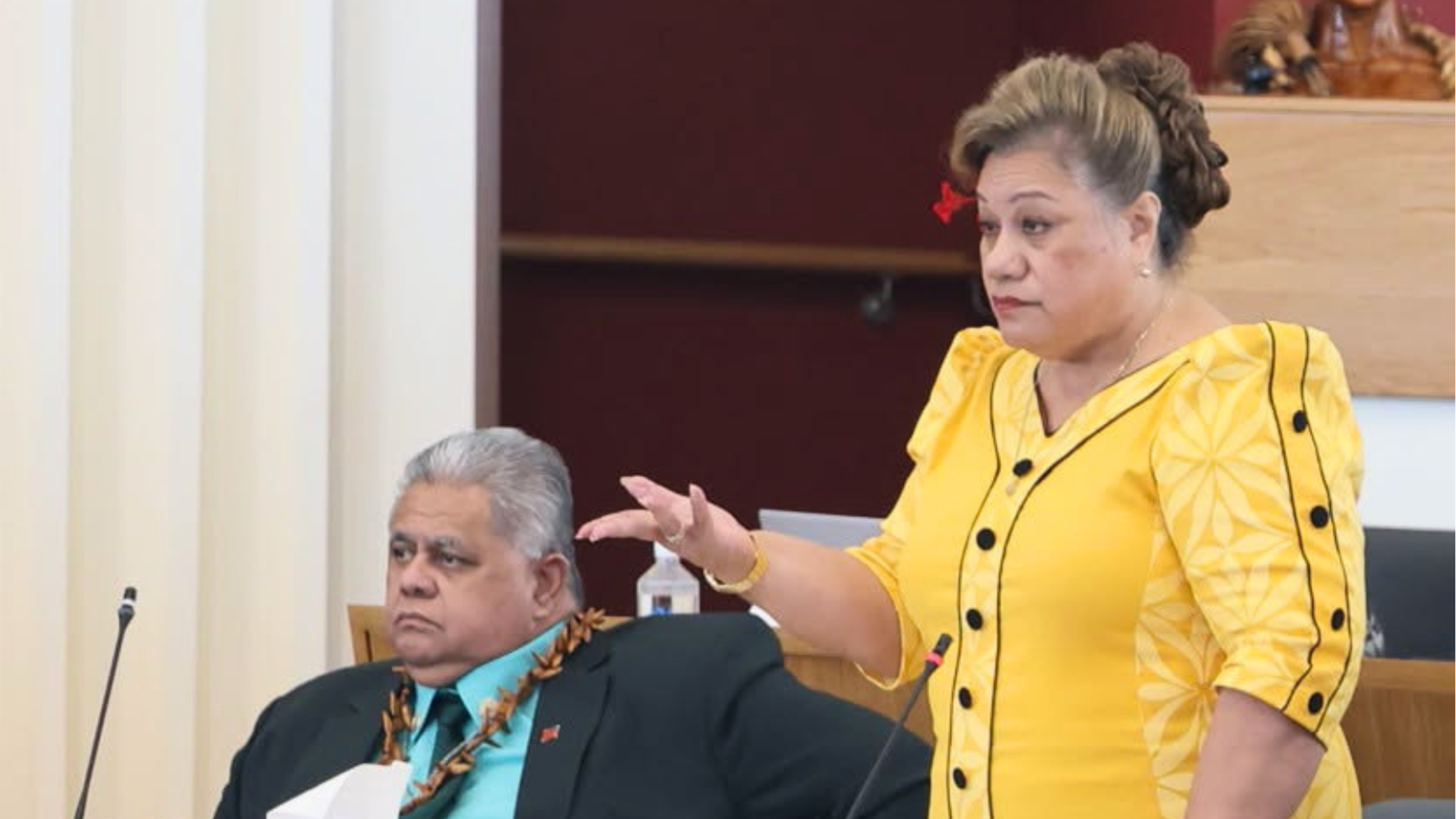
Finance Minister Mulipola Anarosa Ale-Molioo has defended proposed changes to the Central Bank’s governance structure.
Photo/Parliament of Samoa/Facebook
Politics
Sāmoa government moves to separate central bank governor from board chair role
A Bill before Parliament would remove the governor as chair of the Central Bank of Sāmoa while keeping her six-year term and adding safeguards around monetary policy, dismissal and the bank’s budget.
Renate Rivers
Published
19 August 2026, 4:32pm
Share
Copy Link
Top stories

Deep sea mining could give investors a legal route to challenge climate action - experts
Christine RovoiThu, 08 Oct

'Cheap as chips' but Pacific families face big barriers to treating gout
Thomas Tarurongo WynneThu, 08 Oct
Top stories
Deep sea mining could give investors a legal route to challenge climate action - experts
Christine RovoiThu, 08 Oct
'Cheap as chips' but Pacific families face big barriers to treating gout
Thomas Tarurongo WynneThu, 08 Oct
Sāmoa’s Parliament is debating changes that would remove the Central Bank governor from the CBS board chair role.
This debate comes amid a wider argument over how much independence the institution should have from the government.
The Central Bank of Sāmoa Amendment Bill 2026 would allow Governor Maiava Atalina Ainuu-Enari to remain in the role for the rest of her current six-year term, but she would no longer chair the bank’s board if the Bill becomes law.
The change comes after the International Monetary Fund (IMF) raised concerns earlier this year that proposed reforms could weaken the Bank’s institutional and financial independence.
Prime Minister Laaulialemalietoa Leuatea Polataivao Schmidt told MPs the Governor and Board chair roles should be separated, arguing the current structure could allow a future governor to make decisions without consulting the government.
“The CBS belongs to the government of Sāmoa,” he told MPs during the Bill’s second reading.
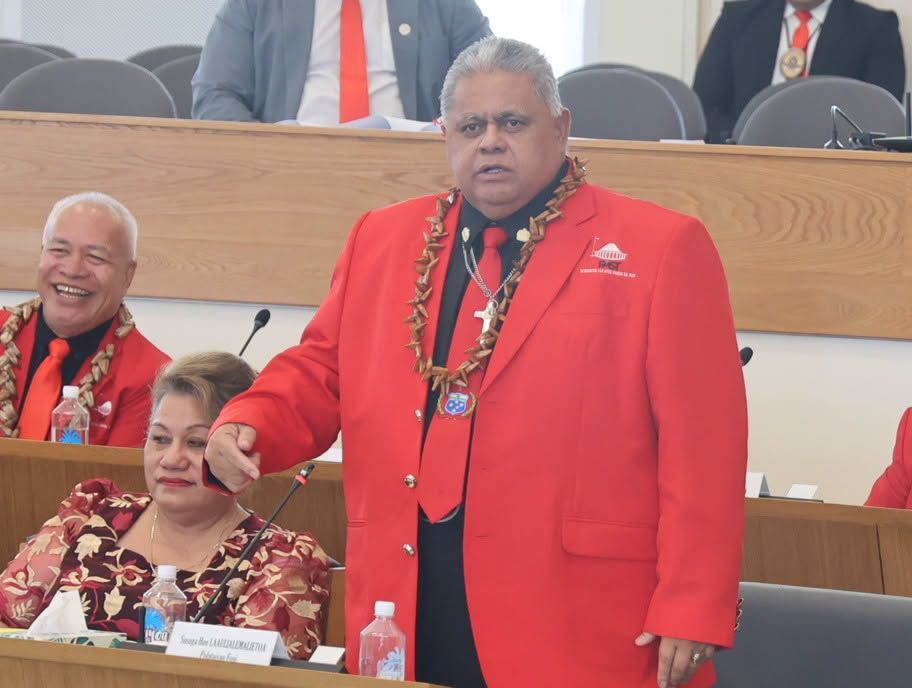
Prime Minister Laaulialemalietoa Leuatea Polataivao Schmidt told Parliament the current Central Bank governance structure could allow a future governor to make decisions without consulting the government. Photo/Parliament of Sāmoa/Facebook
Laaulialemalietoa rejected suggestions the government had ignored international advice.
The Bill retains the Governor’s six-year term. Any Governor seeking another term would have to go through a new competitive recruitment process, with an independent panel and advertising in Sāmoa and overseas.
The Cabinet could reject the panel’s candidates and restart the process, but could not appoint someone who had not been recommended by the panel.
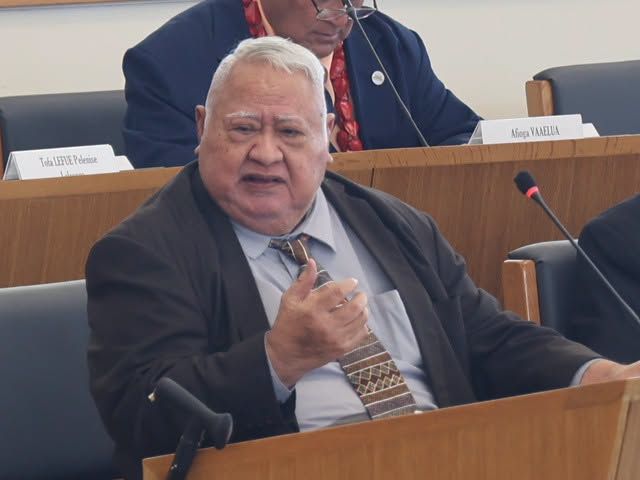
Opposition leader Tuilaepa Sailele Malielegaoi warned Parliament against disregarding IMF concerns over the proposed Central Bank reforms. Photo/Parliament of Sāmoa/Facebook
The Bill also sets out specific grounds for removing a Governor. Disagreement over monetary, exchange-rate, supervisory or financial-stability policy could not be used as grounds for dismissal.
An independent panel is required to investigate before Cabinet can recommend removal.
Those safeguards address several concerns raised by the IMF in March, including proposed changes to the Governor’s term, wider grounds for dismissal and greater Ministry of Finance influence over monetary policy and the Bank’s budget.
But Opposition leader Tuilaepa Sailele Malielegaoi says Sāmoa should not disregard the IMF’s concerns.
“We have not accepted the advice from IMF,” Tuilaepa told Parliament. “The only thing IMF is saying is for complete independence of the Central Bank.”
Under the proposed structure, an independent non-executive director would replace the Governor as Board chair.
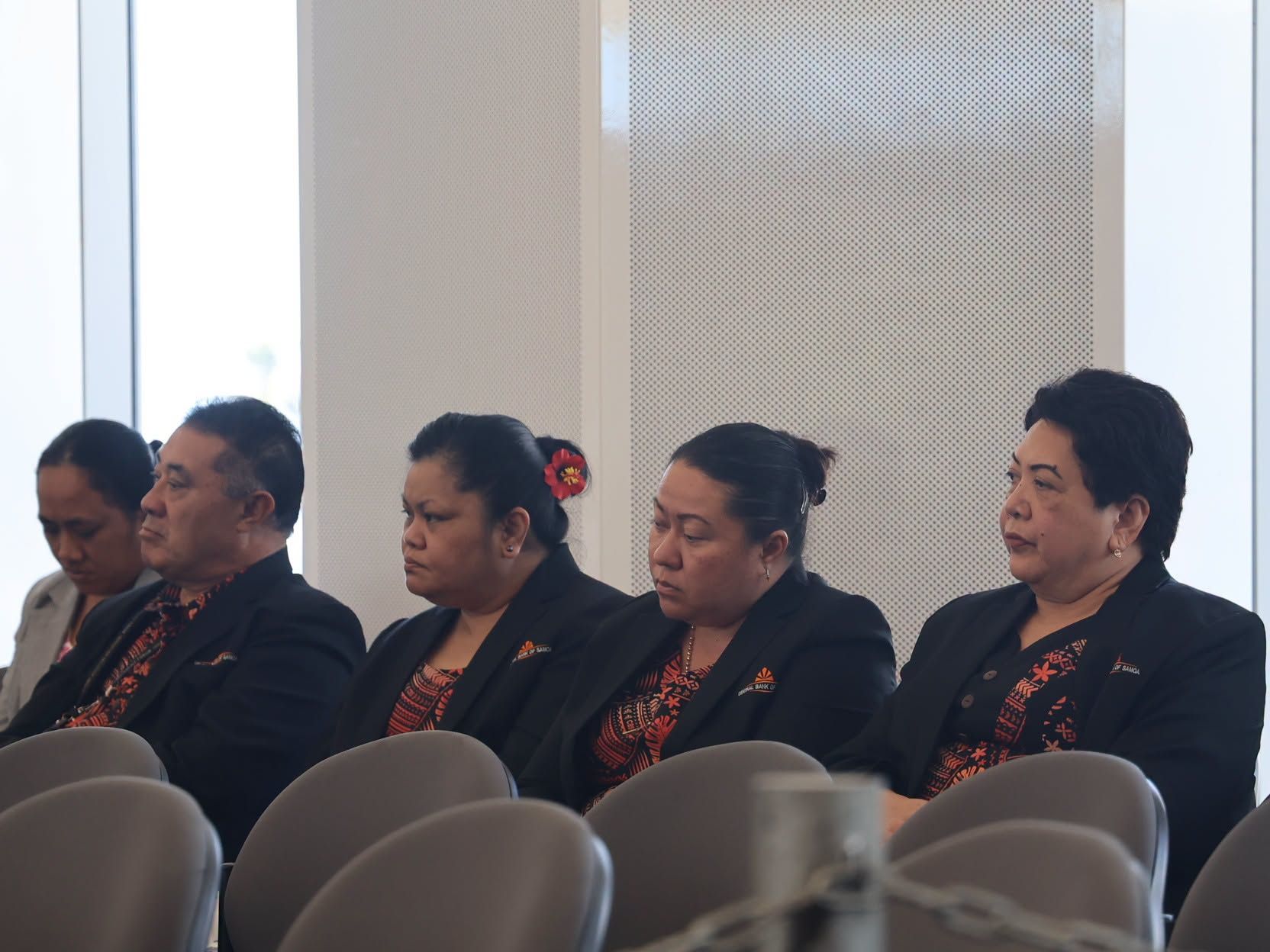
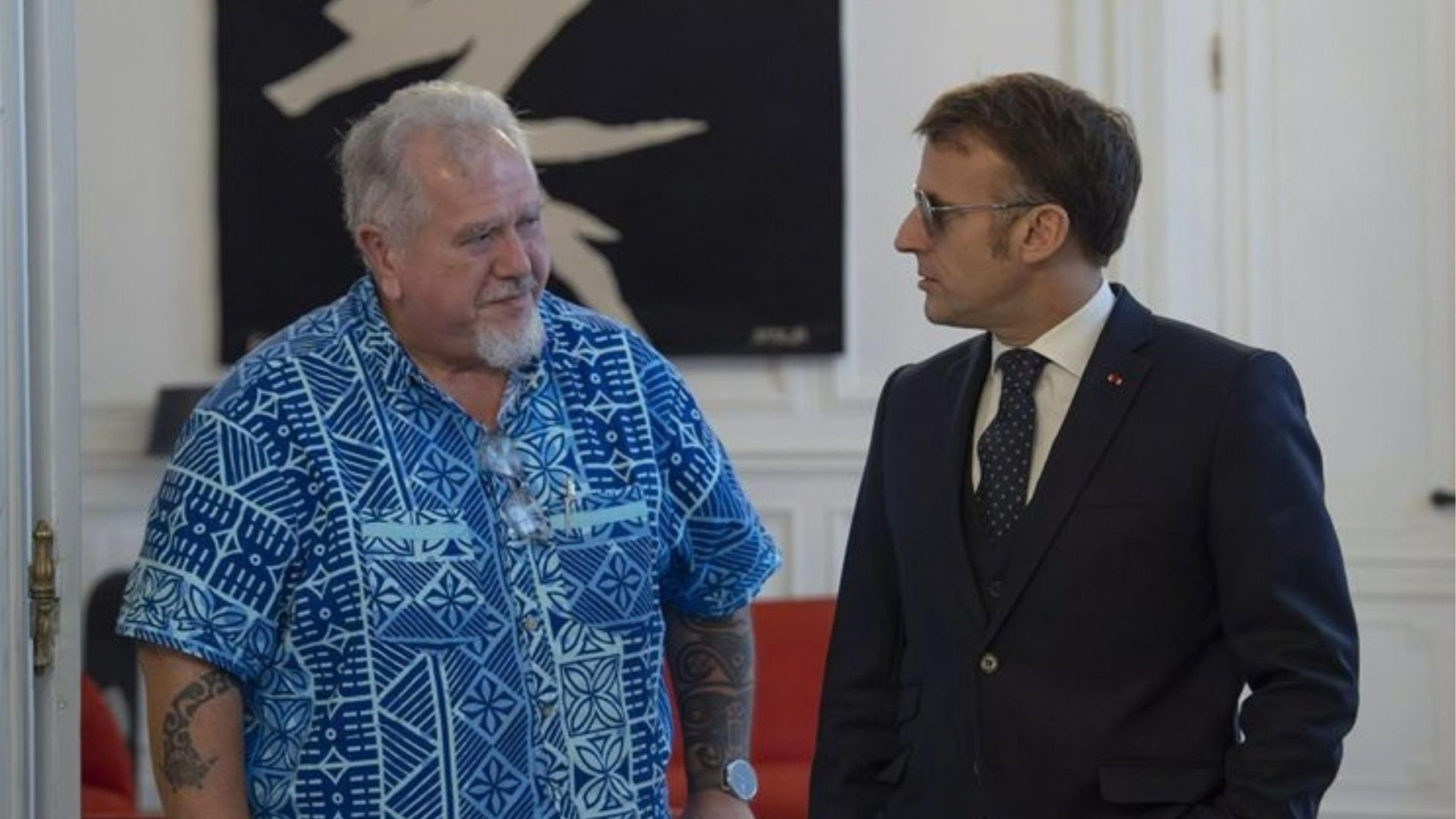
The Governor of CBS (right) Maiava Atalina Ainuu-Enari would remain in the role for the rest of her term but lose the board chairmanship under the proposed reforms. Photo/Parliament of Sāmoa/Facebook
The Governor would remain chair of the Executive Committee, while the Board could not direct monetary or exchange-rate policy or individual supervisory and enforcement decisions.
Finance Minister Mulipola Anarosa Ale-Molioo told Parliament that separating the roles would strengthen governance and transparency.
She pointed to New Zealand, Papua New Guinea and Tonga, where the Governor and Board chair roles are separate.
But former Prime Minister and independent MP Fiamē Naomi Mataʻafa questioned whether the proposed relationship between the CBS and the Ministry of Finance would protect its independence.
“It’s clear in the bill the reach being given to the minister of finance,” Fiamē told MPs.
The Bill would require the Executive Committee to provide the Finance Minister with quarterly reports on policy formulation and implementation.
Watch (Sāmoan) former PM Fiamē Naomi Mataafa in parliament on Tuesday below.
It says those reports are for information and accountability and do not give the Minister power to direct the Bank.
The Minister would also receive CBS’ draft annual budget and have 14 working days to comment, although the Board would retain final approval.
If passed, the Bill would therefore make a major change to the Bank’s governance while retaining safeguards aimed at protecting its independence.
The Bill will go to a parliamentary committee after the second reading, where government agencies and the public will have the opportunity to make submissions.