Washington warnings mount as four Pacific nations risk loss of US aid
Christine RovoiTue, 20 Oct
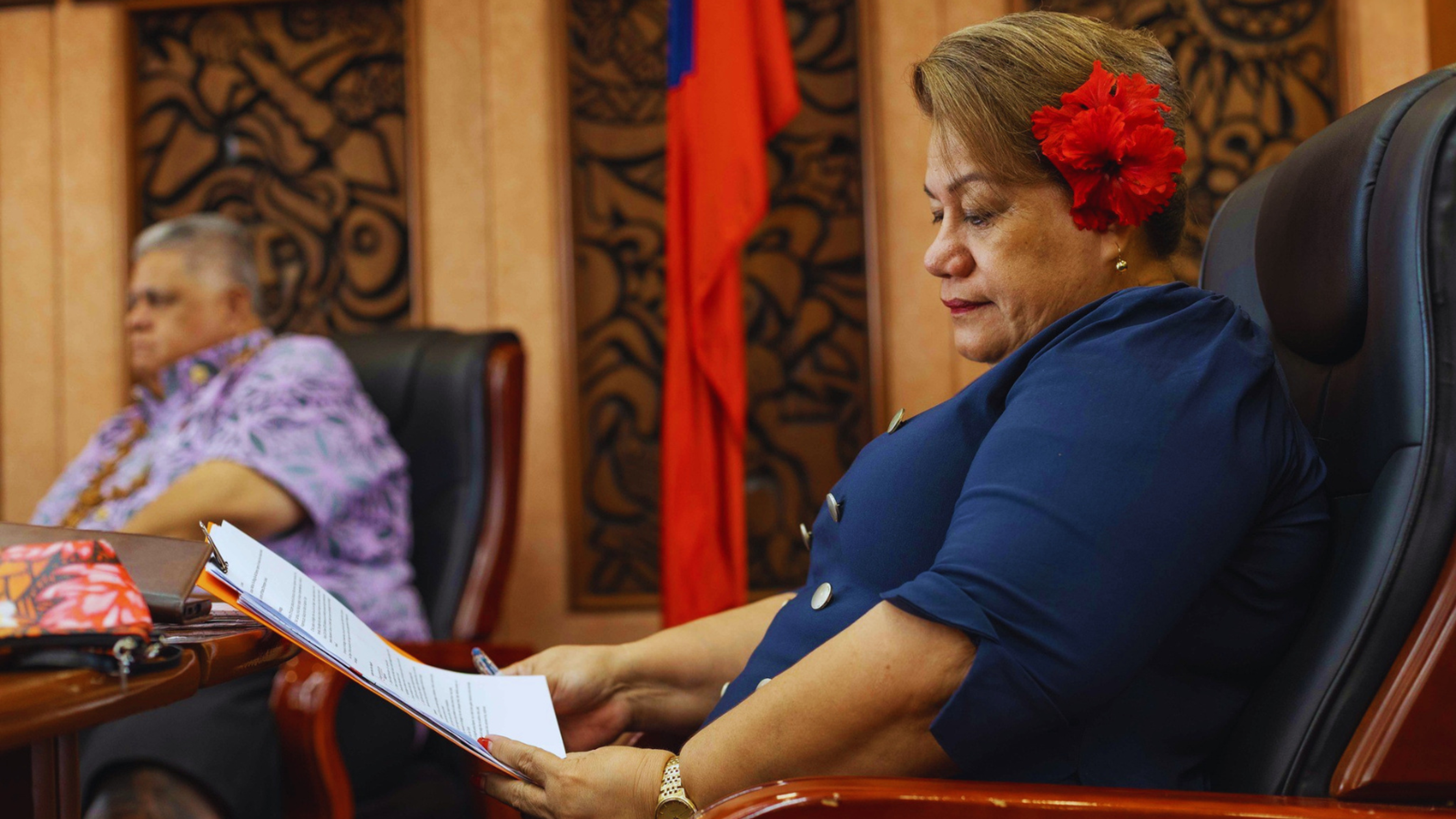
In Cabinet. (R) Finance Minister Mulipola Anarosa Ale-Molioo and (L) Prime Minister Laulialemalietoa Leuatea Polataivao Schmidt.
Photo/Government of Sāmoa
Proposed reforms could give government more control over the central bank, raising concerns about costs, stability, and global confidence.


Sāmoa’s government is pushing ahead with planned changes to its central bank laws despite fresh concerns from the International Monetary Fund (IMF) about political influence and economic stability.
Finance Minister Mulipola Anarosa Ale Molio’o has downplayed the IMF’s warning, saying the reform process is still ongoing and no final decisions have been made.
Speaking at a press conference on 17 April, she said she was not expecting the Fund to step in at this stage. “I was surprised the IMF wrote to me,” she said.
Mulipola said consultations are continuing across government agencies and are being handled alongside other law changes.
She also stressed the reforms are not new ideas. According to her, changes to the Central Bank framework were first raised under the previous government and are now being carried forward.
As Minister of Finance, Mulipola said she represents Sāmoa in international financial institutions including the IMF, World Bank, and Asian Development Bank (ADB), and would formally engage with the Fund once internal processes are complete.
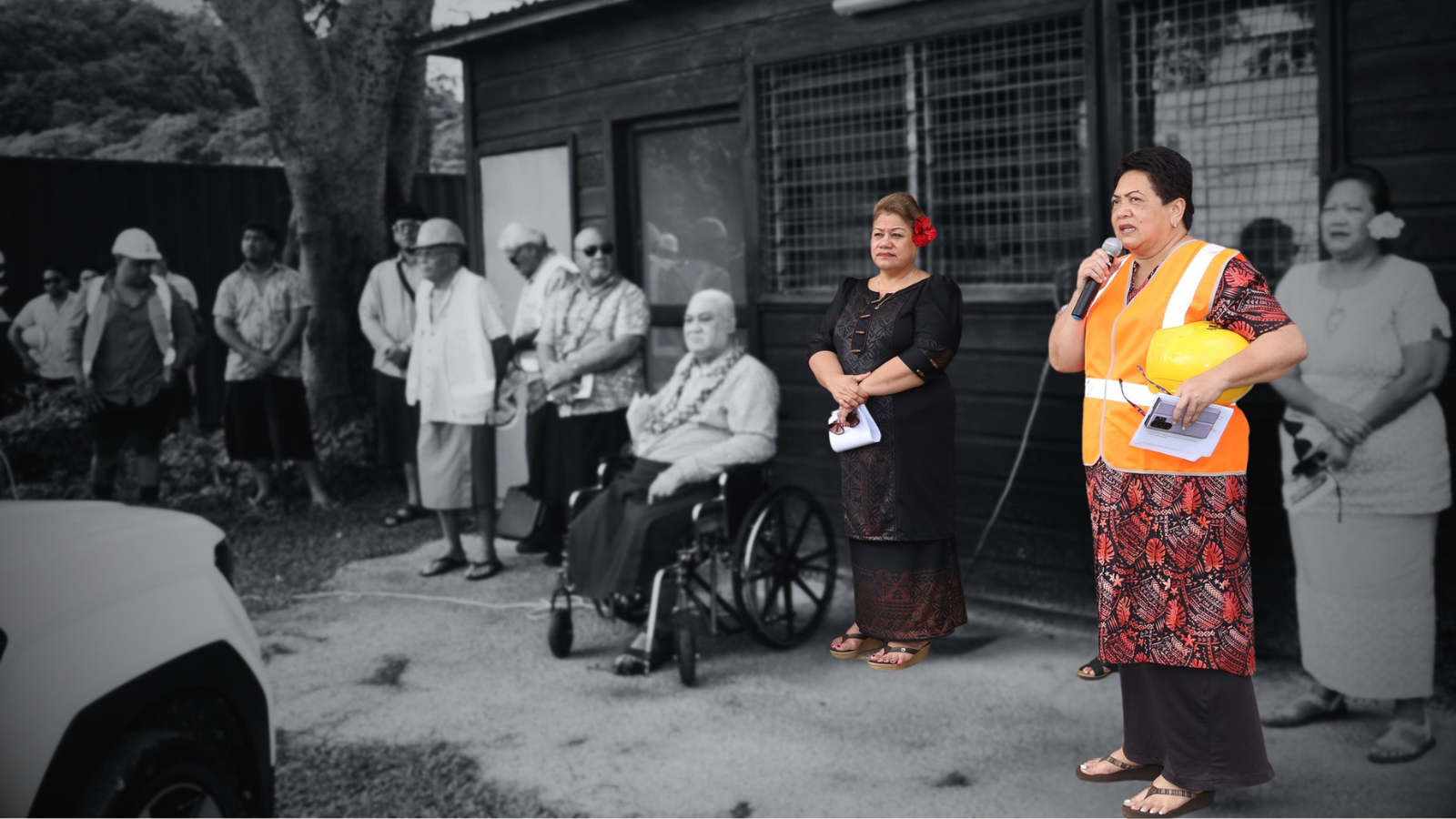
(L) Minister of Finance, Mulipola Anarosa Ale-Molioo and (R) Governor of the Central Bank of Sāmoa, Maiava Atalina Ainuu-Enari. Photo/Facebook
At the centre of the debate is whether Sāmoa’s central bank should remain fully independent or come under closer government control.
The IMF and the Central Bank of Sāmoa (CBS) have both raised concerns that the draft changes could give government ministers more say over key decisions including interest rates and inflation control.
They warn this could weaken protections designed to keep politics out of day-to-day financial decisions.
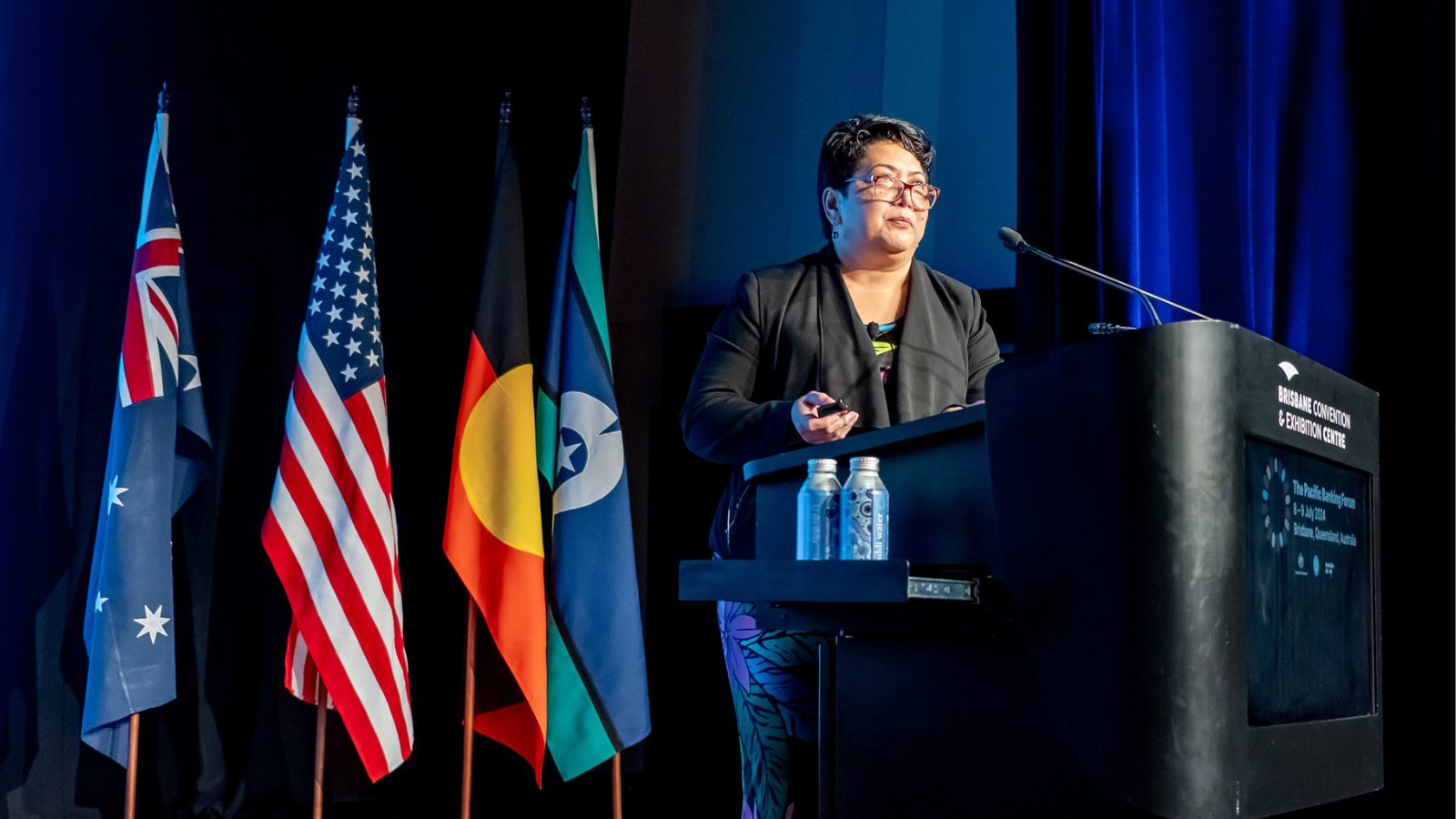
Governor of the Central Bank of Sāmoa, Maiava Atalina Ainuu-Enari. Maiava is the first woman in the position, which she has held since 2011. Photo/Facebook
Under current law, the Central Bank operates independently with the Governor appointed for a fixed term to help ensure long-term stability and confidence in the system.
But proposed changes could expand the role of the Finance Minister and shift some powers into regulations, which the IMF has warned could weaken governance safeguards.
In its letter to the Attorney-General’s office, the central bank said the proposed changes came as a surprise and raised concerns about the speed at which they are moving.
It warned the reforms could weaken the bank’s independence, increase the risk of political influence and create legal uncertainty, especially during times of economic stress.
The IMF echoed those concerns in a letter to Mulipola, published on 9 April. The Fund warned the reforms could weaken the bank’s autonomy, a key safeguard for managing inflation and maintaining confidence.
It also raised concerns that shifting powers into regulations could make it easier to change how the bank operates.
Watch (Sāmoan) Mulipola's press conference below.
Prime Minister Laaulialemalietoa Leuatea Polataivao Schmidt has rejected the IMF warnings, calling them outside interference.
“This is the bank of Samoa. It’s not the bank of any other international body governed from beyond our shores,” he told local media. “This government can make its own decisions on what is best and what should be done.”
He also questioned the role of international partners asking: “What is the threshold for interference by foreign entities we are in partnership with?”
Opposition leader Tuilaepa Sailele Malielegaoi has backed the IMF’s position, warning the changes could affect Sāmoa’s access to funding and international support.
“The IMF doesn’t need us, but we definitely need the IMF,” Tuilaepa said, adding that countries typically take such advice seriously to avoid economic instability.
For small Pacific economies like Sāmoa, central bank independence is widely seen as important for building trust with investors and maintaining stable prices.
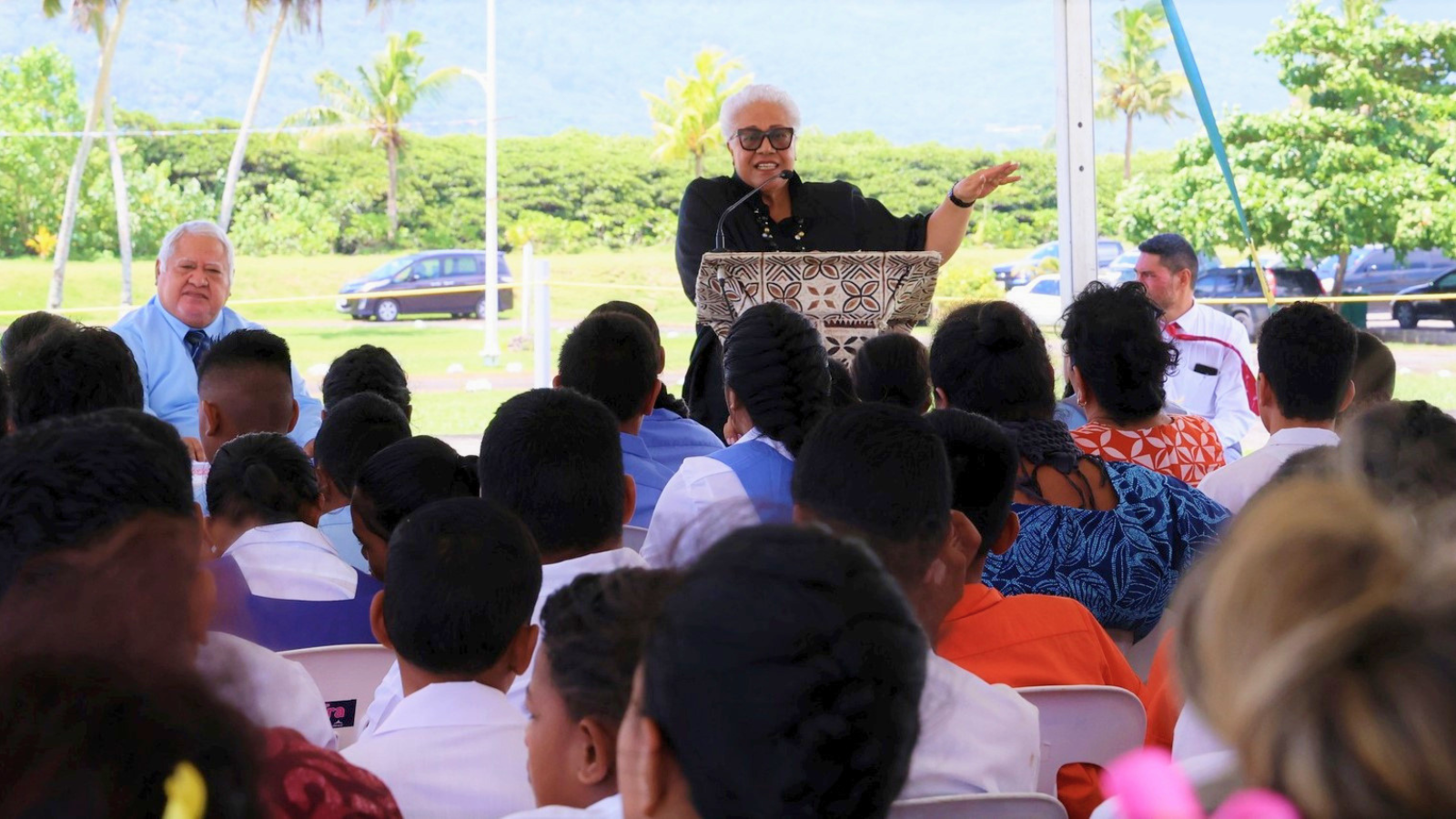
Former Prime Ministers (L) Tuilaepa Sailele Malielegaoi and (R) Fiame Naomi Mataafa. Photo/Savali Newspaper
Those links matter. Sāmoa’s latest Budget shows development funding remains a key part of government spending, supporting major projects and services.
As the proposed changes remain under review, the outcome could shape how much trust international partners place in Sāmoa's economy, and how costly it becomes for the country to fund its development.