
'Cheap as chips' but Pacific families face big barriers to treating gout
Thomas Tarurongo WynneThu, 08 Oct
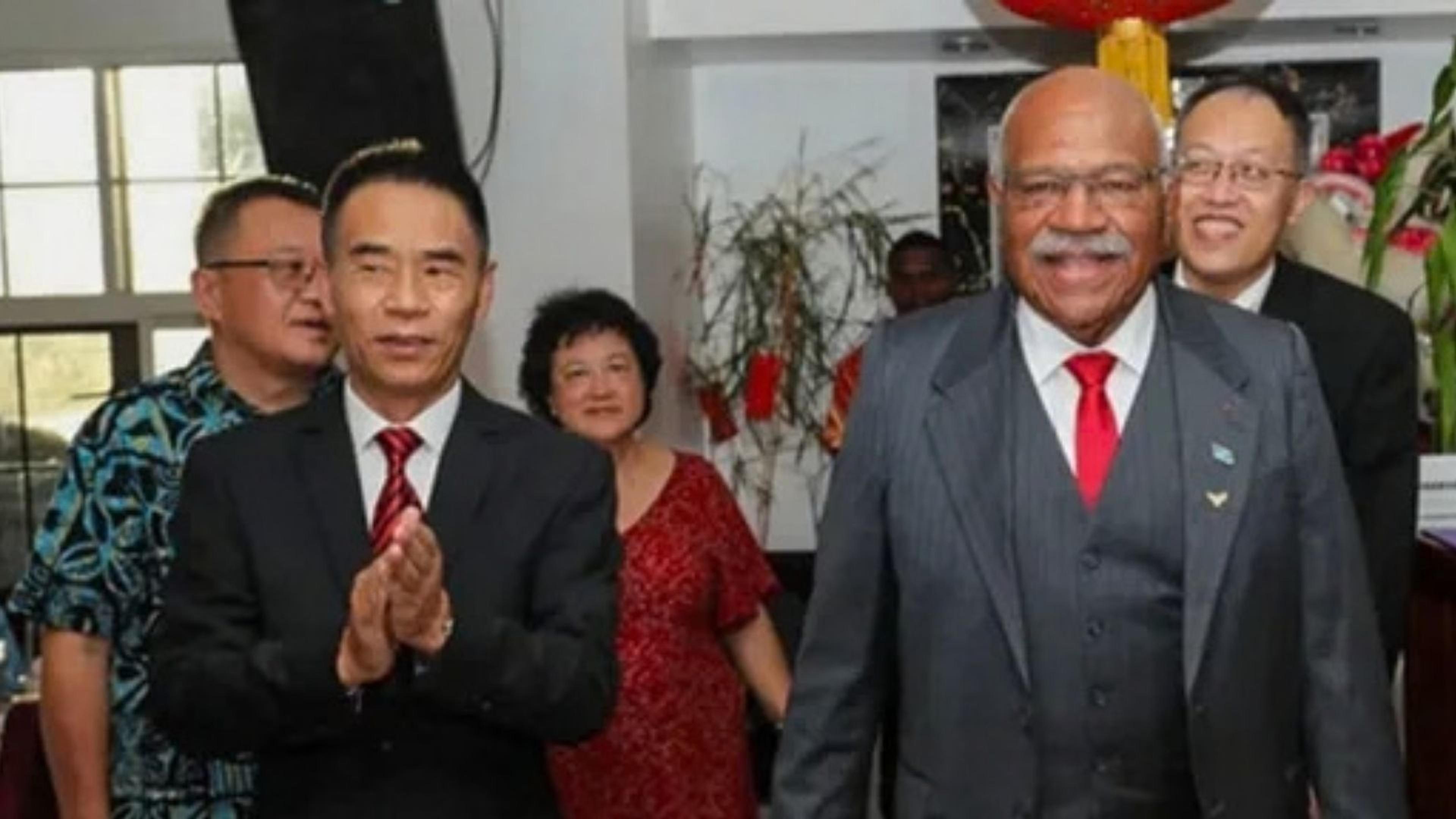
Fiji-based businessman Zhao Fugang, left, with Fijian Prime Minister Sitiveni Rabuka at a festival in Suva: Zhao has denied US allegations that he paid bribes to Fijian citizens to advance Chinese government, business and criminal interests.
Photo/Supplied
Zhao Fugang says he was never questioned by American or Fijian authorities and has asked Washington for details of the claims against him

A Fiji-based Chinese official has denied allegations by the United States that he paid bribes to Fijian citizens to advance the Beijing government, business and criminal interests.
Zhao Fugang, director of the Overseas Chinese Service Centre in Suva, was publicly designated by Washington under a law that targets foreign officials accused of significant corruption.
The US says Zhao abused his position by paying bribes to Fijian citizens and that his alleged actions adversely affected US interests in Fiji.
Zhao has now hit back, saying he was never contacted by the US before the designation was announced.
“I categorically deny the allegations. They are unsubstantiated,” he said in a statement. “Before the statement was published, no one from the United States Embassy or the Department of State contacted me.
“I was not told of any allegation and was given no opportunity to respond," he said.
Zhao said he had also not been questioned by any Fijian authority and no charge had been laid against him.
He said he had written to the US Embassy in Suva seeking full details of the allegations.
“I respect the laws of Fiji and will cooperate fully with any lawful inquiry by the Fijian authorities,” he said. “I ask the media and the public to respect the presumption of innocence and my family’s privacy.”
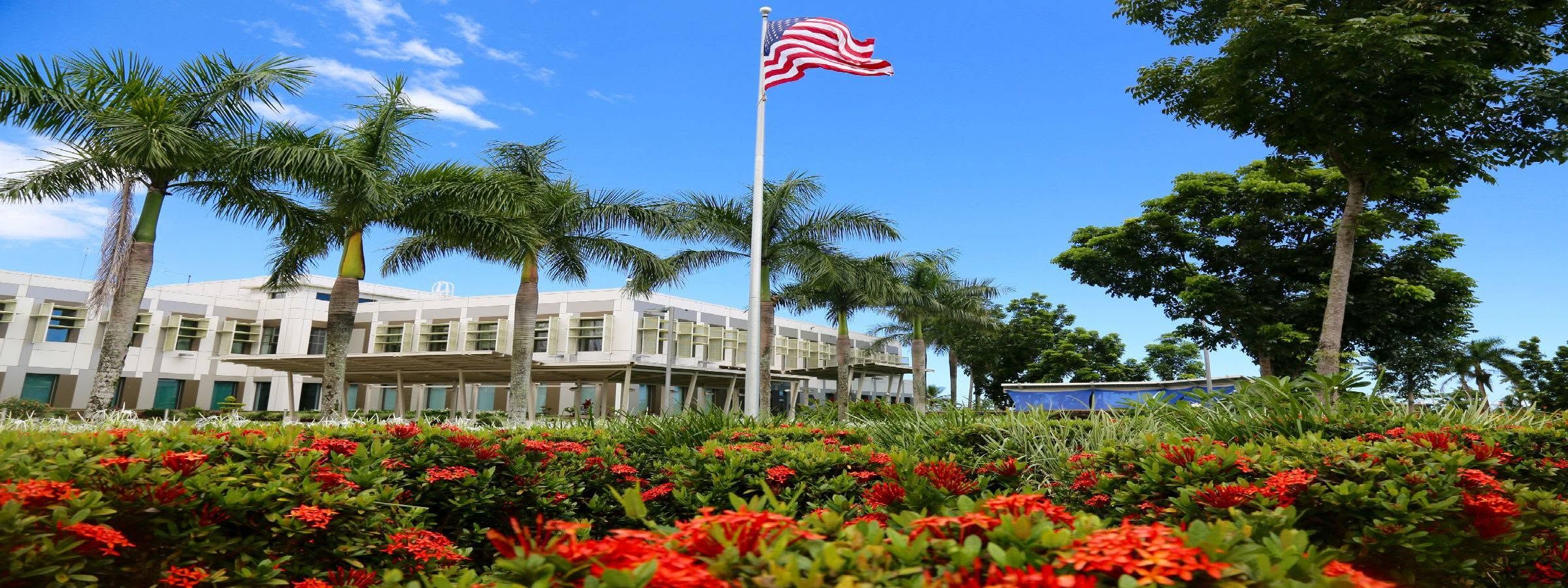
The US Embassy in Suva says Zhao Fugang’s alleged actions left Fiji open to what it called “malign foreign influence”.
The US designation means Zhao and his immediate family members are generally ineligible to enter the United States.
The US State Department said Zhao's actions formed part of wider efforts to tackle corruption linked to organised crime and drug trafficking.
“The United States will hold accountable those who abuse power for personal gain,” the department said.
The US Embassy in Suva said Zhao's alleged actions had left Fiji open to what it called “malign foreign influence” involving Chinese government, business and criminal actors.
The US has not publicly detailed the alleged bribes, identified the Fijian citizens involved or named the Chinese government, businesses or criminal groups it says Zhao was acting for.
The designation is a US government action and does not amount to a criminal conviction in Fiji.
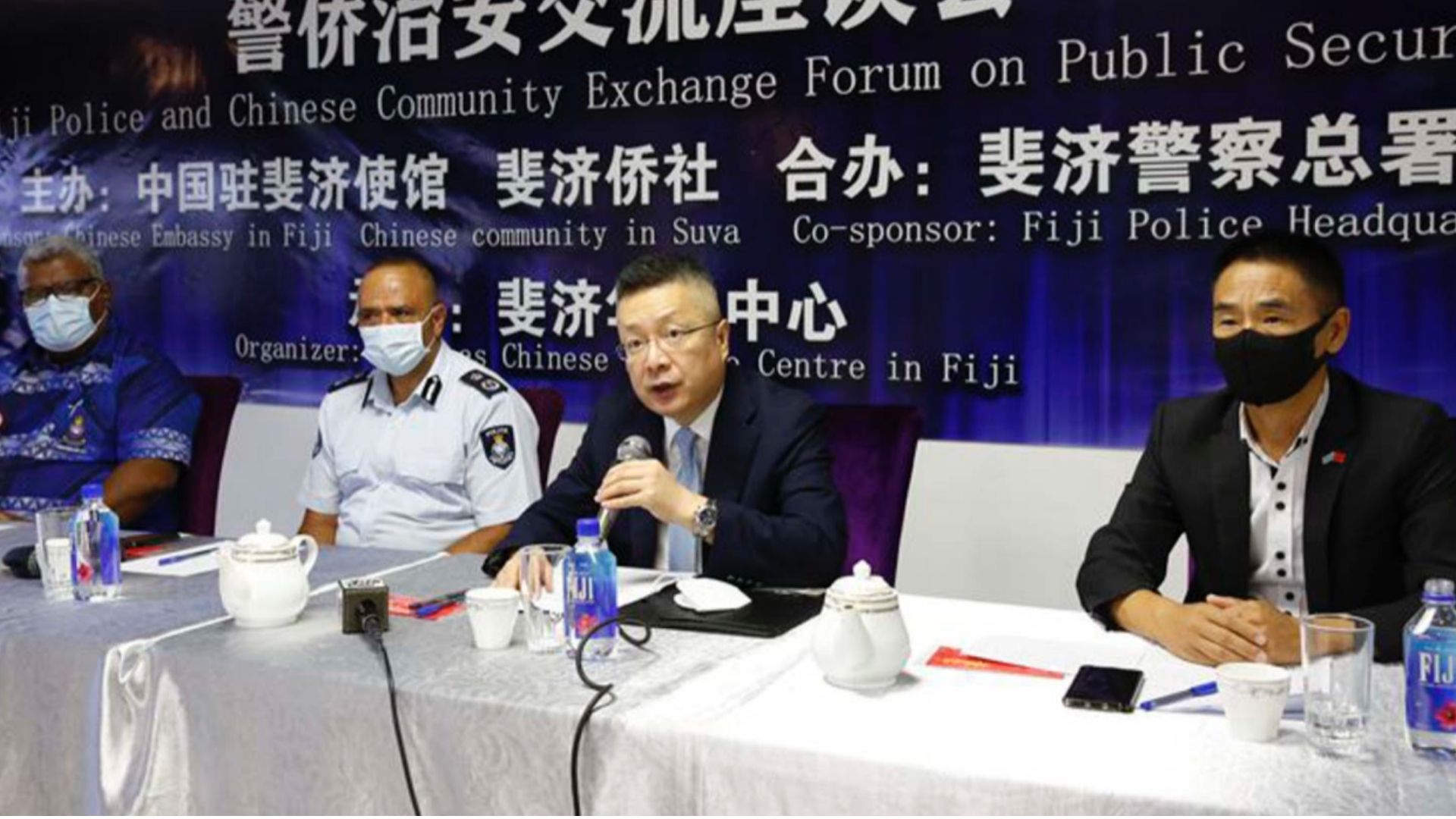
Zhao Fugang, far right, and China's ambassador to Fiji Qian Bo, next to him, at a 2021 forum sponsored by Fiji Police Force led by former police commissioner Sitiveni Qiliho, second from left, who was convicted in march 2024 for abuse of office. Photo/
The move comes amid growing scrutiny of China's role and influence in the Pacific, including Fiji.
An investigation by the Organized Crime and Corruption Reporting Project (OCCRP) in 2024 reported that Australian law enforcement and intelligence agencies had identified Zhao as a priority target over suspected links to organised crime.
Zhao has not been charged with a crime and has denied previous allegations of wrongdoing.
Zhao's latest statement says he will cooperate with any lawful inquiry in Fiji.
Fijian authorities have not publicly announced an investigation into the US allegations.
Fiji's Foreign Affairs Minister Sakiasi Ditoka told the ABC he had not personally been officially informed of the US designation before being contacted by the Australian broadcaster.
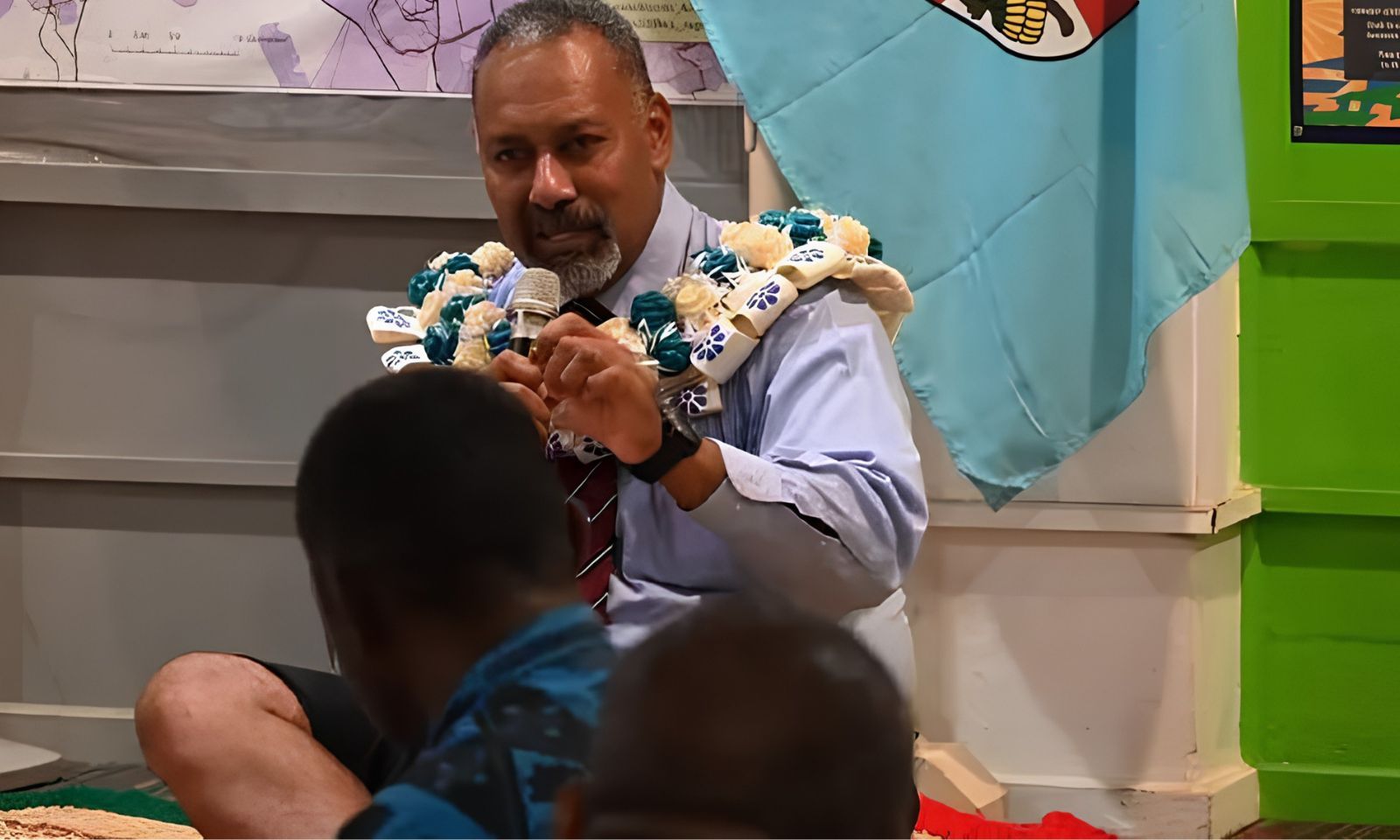
Fiji Foreign Affairs Minister Sakiasi Ditoka says he had not personally been officially informed of the US designation before being contacted by the ABC. Photo/Fiji government
José Sousa-Santos, head of the Pacific Regional Security Hub at the University of Canterbury, said the US action was about more than organised crime.
“Certain illicit actors can become strategically useful when they extend influence, cultivate local elites, generate deniable economic leverage, support patriotic narratives, and operate in spaces where formal state power would attract resistance,” he told the ABC.
“This is about more than alleged organised crime, it is also about allegations of corruption and foreign interference.”
His comments come as Pacific countries face growing scrutiny over the links between organised crime, foreign influence and corruption in the region.