'Cheap as chips' but Pacific families face big barriers to treating gout
Thomas Tarurongo WynneThu, 08 Oct
A gout medicine can cost as little as the standard $5 prescription fee but getting the care needed to take it properly is proving much harder for some Pacific families.
Photo/PMN News/Composite.
Arthritis NZ says crowded GP clinics, transport, work and gaps in care make it hard for Pasifika to manage a condition causing lasting joint and kidney damage.



Arthritis New Zealand says crowded GP clinics, transport, work and gaps in care are making it harder for Pasifika to manage a condition that can cause lasting joint and kidney damage.
A gout medicine can cost as little as the standard $5 prescription fee but getting the care needed to take it properly is proving much harder for some Pacific families.
Zechariah Reuelu, Community Development Lead for Pacific Peoples at Arthritis New Zealand, says the problem is not the cost of the medicine.
“It’s literally cheap as chips,” Reuelu tells PMN News. “The solution is quite simple, but the barriers are huge.”
The latest Health Quality & Safety Commission data estimates 7.9 per cent of Pacific people aged 20 to 44 have gout, compared with 1.5 per cent of non-Māori, non-Pacific people.
Pacific people in that age group are also less likely to receive urate-lowering medicine regularly.
Listen to Zechariah Reuelu and Nicola Keen-Biggelaa's interview below.
Reuelu says many Pasifika still face a difficult path from recognising the symptoms to getting long-term treatment.
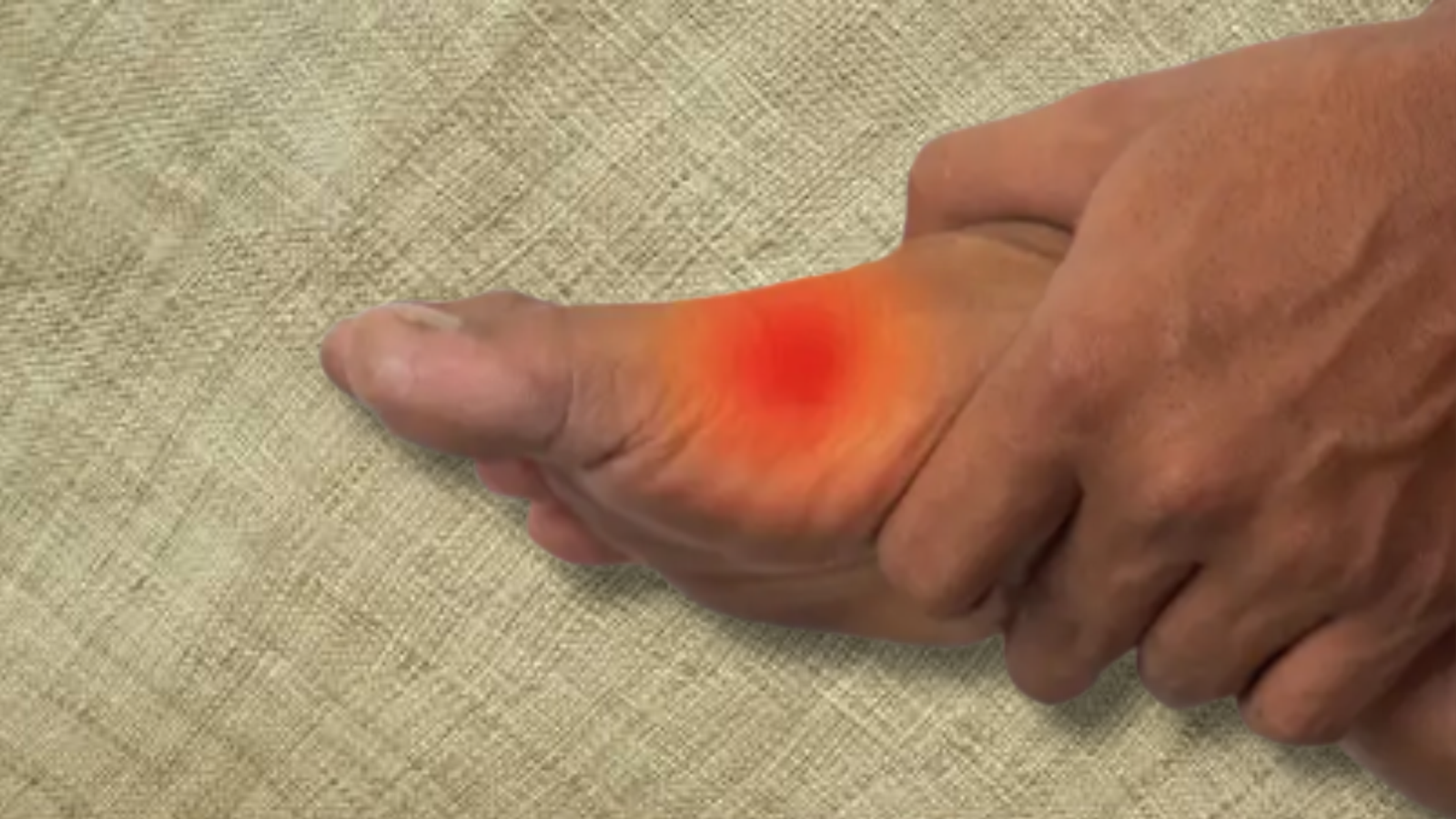
Gout happens when too much uric acid builds up and forms crystals in the joints.
"Crystals or, as our community would describe, needles begin to grow in the joints, causing so much pain in the joints," he says.

People who cannot get into a GP clinic end up going to A&E, while workers can struggle to take time off for appointments.Photo/Unsplash
Reuelu says there is also a common belief that seafood, alcohol and certain foods are the main causes of gout when genetics and the kidneys play a major role in how the body gets rid of uric acid.
"There is this notion and perception among our community that kaimoana, seafood, alcohol, food is a cause of this condition. Arthritis NZ's message to families is that gout is not their fault,” he says.
Allopurinol is the first-line urate-lowering medicine in New Zealand with treatment aimed at bringing uric acid below 0.36 mmol/L so the crystals can dissolve. It needs to be taken every day over the long term.
But Reuelu says getting there can involve a GP appointment, a blood test and another visit to the doctor.
He says this can be difficult for people already dealing with full clinics, distance and transport costs.
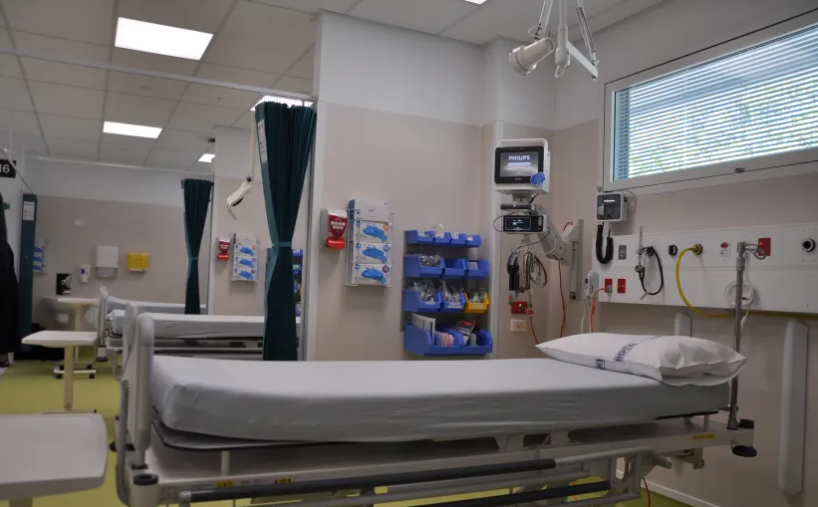
Zecheriah Reuelu says some people who cannot get into a GP clinic end up going to A&E, while workers can struggle to take time off for appointments. Photo/RNZ/Samantha Gee
"Because the system is not a system that has been designed by community, we are trying to work as an organisation to work with our partners in the sector to see what we can do within the system."
Reuelu says some people who cannot get into a GP clinic end up going to A&E, while workers can struggle to take time off for appointments.
Community pharmacists can provide free conversations and some who are working working with GP clinics on referral plans, he says.
Reuelu also warns families against sharing medication.
"We know, as Pacific people, one of our cultural values is sharing, is alofa. And yet this is one component of sharing that we do not encourage, a sharing of medication."
The barriers come as Pharmac considers widening access to febuxostat, another medicine used to lower uric acid, from 1 February 2027 for people whose gout cannot be adequately controlled with allopurinol or who cannot tolerate it.
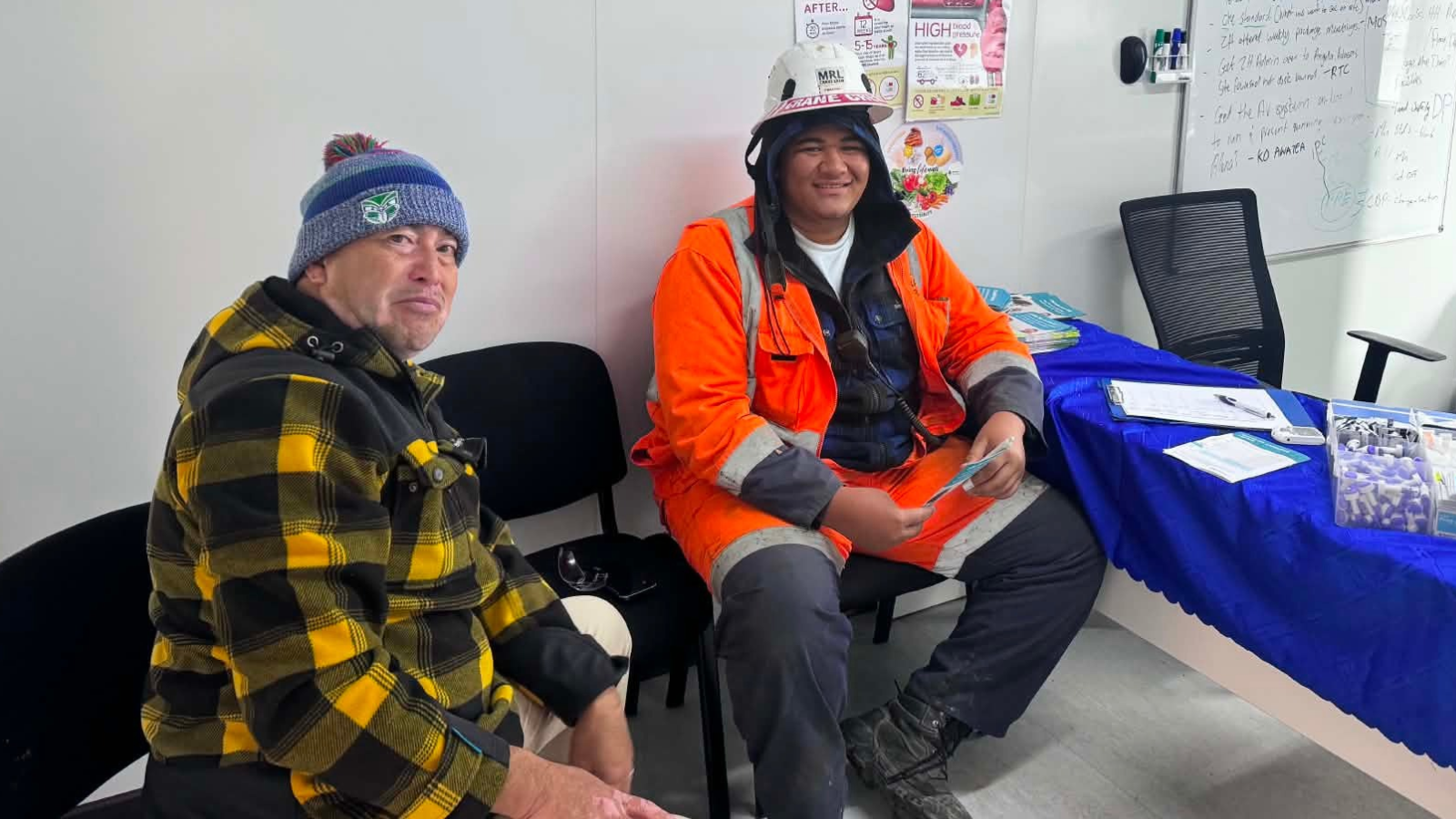
At left: Arthritis NZ Community Development Lead, Zechariah Reuelu working in the community. Photo/Arthritis NZ/Supplied.
Nicola Keen-Biggelaa, the Chief Executive of Arthritis NZ, says the inequity facing Māori and Pasifika is a major concern.
"Māori and Pasifika peoples aged 20 to 44 years’ experience the greatest inequities, including higher gout prevalence, and higher hospitalisation rates," Keen-Biggelaar says.
Reuelu says people with tingling, numbness or pain in their joints should get checked, with gout often starting in the big toe among Pacific and Māori people.
Dr Samuela ‘Ofanoa said in an interview with PMN News earlier this year that the popular platform is burying evidence-based treatments under herbal remedies and quick-fix lifestyle advice, leaving some people confused and embarrassed about the condition.
Listen to Dr Samuela ‘Ofanoa’s full interview below.
The latest national data also shows Pacific people with gout are nearly 2.5 times as likely to be admitted to hospital for the condition as non-Māori, non-Pacific people.
For Reuelu, the message is simple: the medicine may be affordable, but Pacific families need a health system that makes it easier to get and stay on the treatment they need.