
David Seymour wants tougher welfare rule as Labour targets hidden costs in 2026 election
Thomas Tarurongo WynneFri, 09 Oct
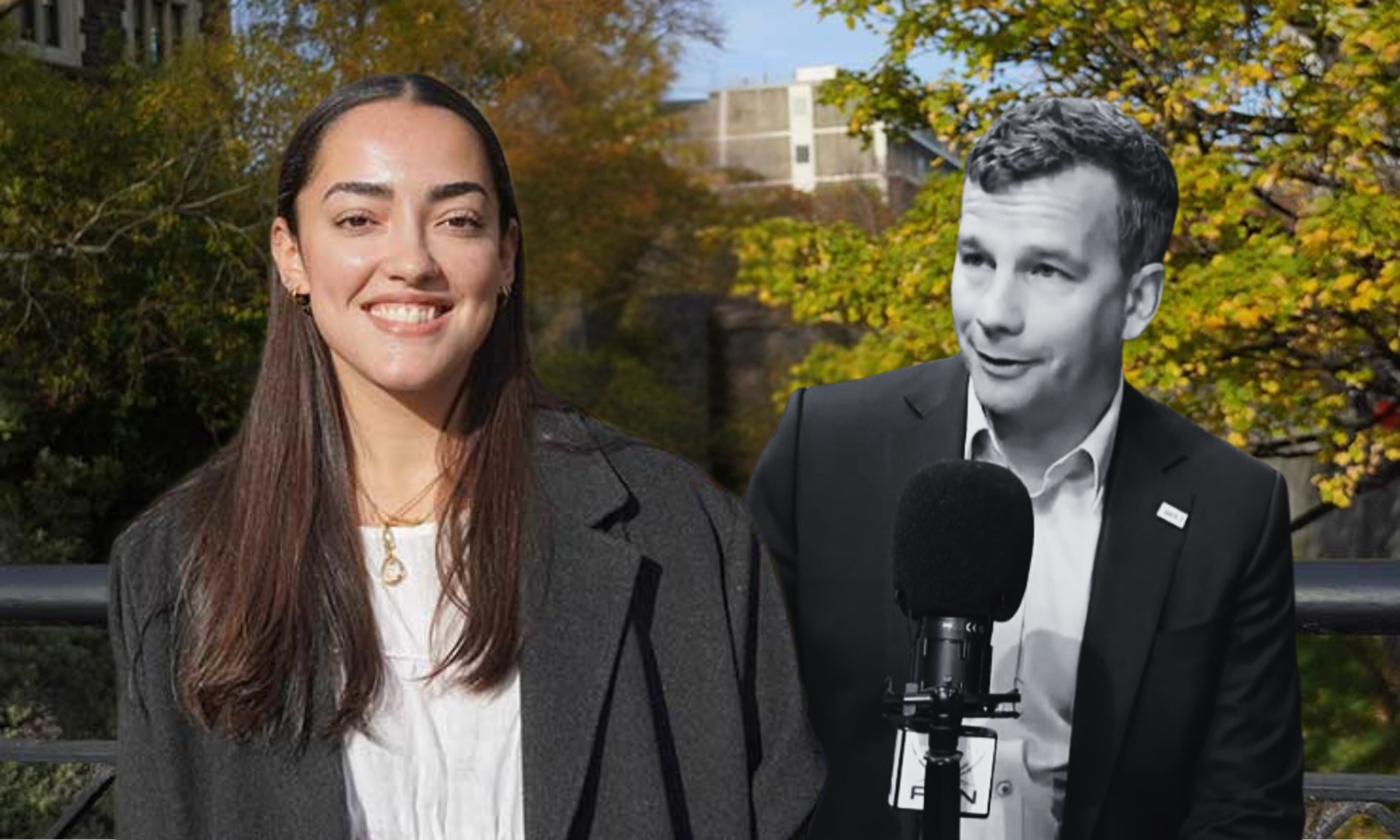
Māia Lockyer and David Seymour dispute whether diabetes medication should be granted based on race.
Photo/Otago University/PMN News
A proposed change to access for diabetes medicines is raising concern among advocates who warn Māori and Pacific patients could be diagnosed later, despite wider eligibility overall.



A health advocate warns that proposed changes to access for type 2 diabetes medicines could leave Māori and Pacific communities missing out on earlier treatment.
Pharmac, backed by Pharmac Minister David Seymour, is proposing to widen access to funded medicines, including SGLT2 inhibitors and GLP-1 receptor agonists, by lowering cardiovascular risk thresholds.
At the same time, the proposal would remove ethnicity-based criteria that currently allow Māori and Pacific patients earlier access to the drugs.
The medicines are used to help control blood sugar levels and reduce the risk of serious complications like kidney disease and heart disease
Māia Lockyer is in her fourth year of medical school at Otāgo University and says removing a dedicated Māori and Pacific access pathway risks undoing an equity measure.
“Māori and Pacific peoples are more predisposed to diabetes and complications of diabetes which is why an equity pathway was introduced in the first place,” Māia tells PMN News.
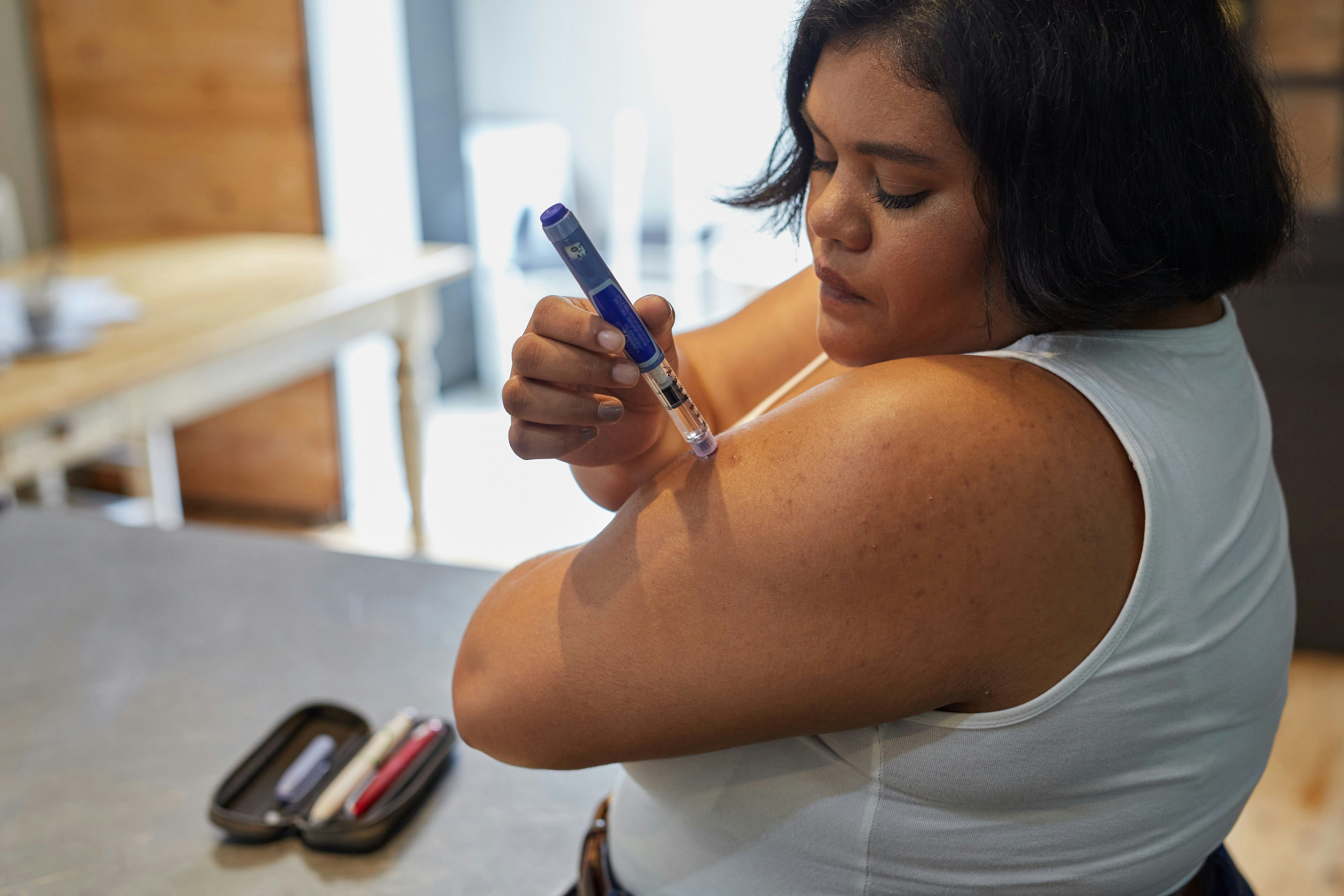
Advocates argue funding for diabetes medication should remain for Māori and Pasifika. Photo/Unsplash
In an interview with William Terite on Pacific Mornings, Seymour says while the ethnicity pathway would be removed, overall access to treatment may increase.
“If it’s true that Pacific people are more prone to getting diabetes, then more of the funding is going to end up going to Pacific people anyways,” Seymour says. “I just don’t think that we should be dividing people up by their background.”
But according to the Health Quality and Safety Commission, Pacific people have the highest estimated rate of diabetes at 12.5 per cent, followed by Indian people at 9.5 per cent, and Māori at seven per cent.
Watch David Seymour's full interview below.
Lockyer says while more people may become eligible under the proposed changes, it may not benefit the same groups the equity pathway was designed to reach.
“Lowering the risk threshold doesn't necessarily reach the same people that the ethnicity pathway was designed to reach,” Lockyer says.
“So to qualify under the new pathway, people still need to complete risk assessments. We still need regular primary care access and earlier engagement with the health system.”
Pharmac’s proposal is now open for public consultation, with submissions closing on 28 May.