
Pacific players at heart of Northland’s historic 48-year Ranfurly Shield triumph in Christchurch
Christine RovoiSat, 22 Aug

Community and political leaders Pakilau Manase Lua, Chris Bishop and Paul Gilberd debate the impact changes to social housing costs will have.
Photo/Composite/File/National Party
Pacific leaders and housing advocates say proposed social housing changes risk placing more pressure on communities already facing housing insecurity.


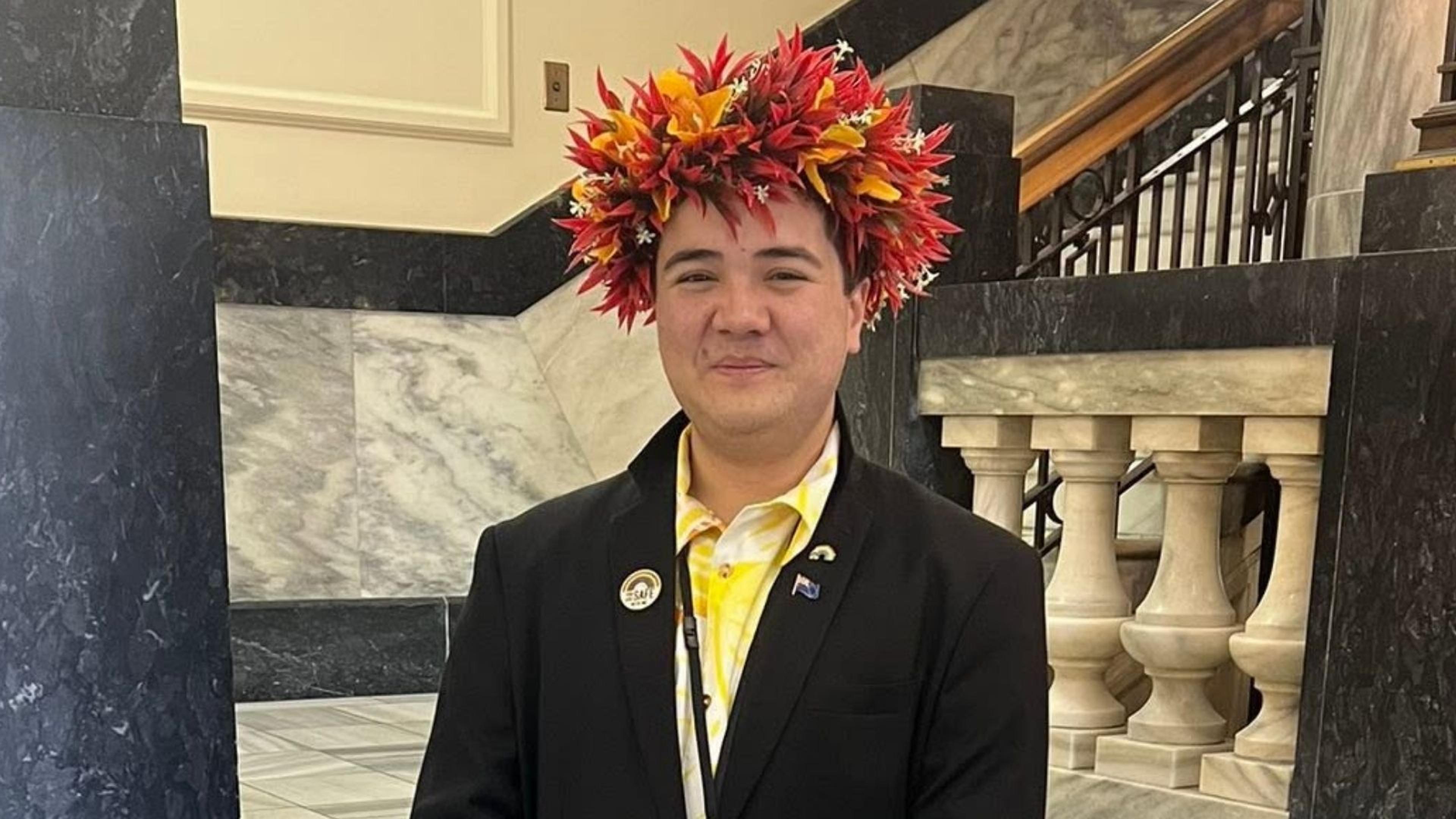

Pacific families could face added financial pressure under Government plans to reform New Zealand's social housing system, with community leaders warning some of the changes may hit vulnerable households hardest.
Under Budget 2026 changes announced on Thursday, around 84,000 social housing households could pay about $31 more each week from April 2027, while accommodation support for private renters will increase by up to $30 a week.
Housing Minister Chris Bishop says the reforms aim to make housing support fairer and improve pathways toward independence.
"The current system is unfair. Similar households can get very different support depending on whether they are in social housing or a private rental," Bishop says in a statement.
Pakilau Manase Lua, community leader, says housing issues affect much more than whether families have a place to live.
"Our people are the most vulnerable communities out there," he told William Terite on Pacific Mornings. "For Pacific families, housing's not just a mere roof over their head. It's also a health issue, an education issue, a family well-being issue."
Listen to Pakilau Manase Lua's full interview below.
Pakilau says an extra $30 a week could have a major impact on already stretched household budgets.
"They can barely put bread on the table, let alone pay an extra $30 of rent,” he says.
"It's a lot in terms of a small family's budget when they're juggling the power bill, paying other bills, and on top of that, paying extra for rent."

Pacific families have the highest overcrowding rates of any ethnicity in New Zealand. Photo/PMN News
Housing pressures are already disproportionately affecting Pacific communities, experiencing the highest rates of household overcrowding, with up to 40 per cent living in crowded homes according to the 2023 Census.
Paul Gilberd, Chief Executive of Community Housing Aotearoa, says Pacific communities already experience some of the greatest housing challenges.
"Pacific peoples are right at the sort of hard end of this, particularly because of the pattern of low and moderate incomes in households and over-occupation,” he told Terite.
"We really are worried about the racial profile of this action disproportionately impacting Pacific people and Māori."
The reforms also drew criticism after Finance Minister Nicola Willis described people in social housing as having "won the lotto", before later apologising and withdrawing the comparison.
Pakilau says the comment was disappointing, and “to have a roof over your head is a human right."
Listen to Paul Gilberd's full interview below.
The Government says housing support spending has more than doubled over the past decade to $5.5 billion, while the social housing waitlist has grown six-fold.
Social Development Minister Louise Upston says even with increased rent contributions, social housing tenants would generally still pay less than comparable households in the private market.
"It will increase rents for around 84,000 households by an average of about $31 a week from next year, but even then, most social housing tenants will still generally pay less than comparable households in the private market," Upston says in a statement.
As the reforms move through consultation and implementation, questions remain over whether the changes will improve access to housing support, or deepen financial pressure for Pacific families already facing some of the country's highest rates of housing stress.