Jaxon Evans: Bathurst’s final lap will decide it all
Elton Lonaratha JnrFri, 09 Oct
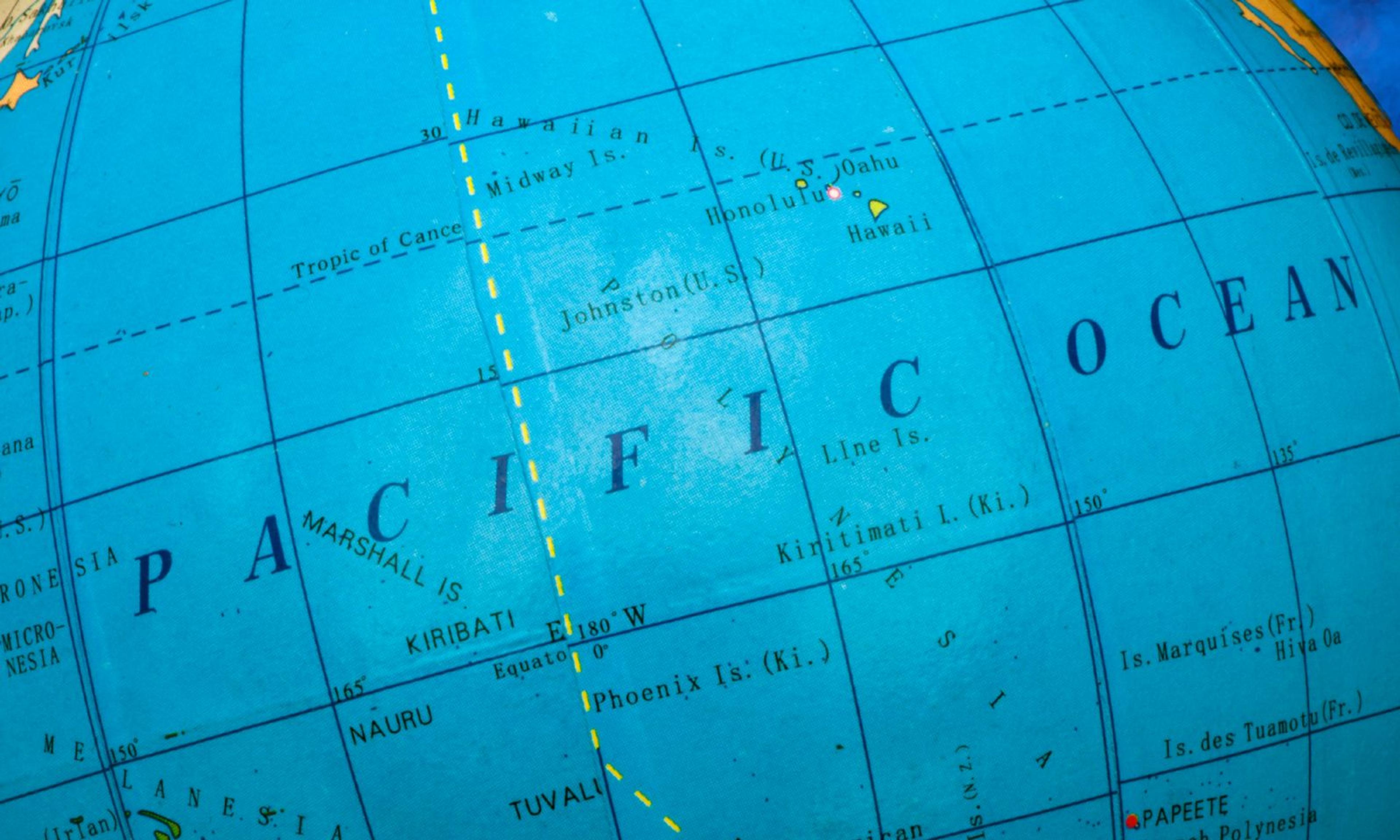
The Pacific.
Photo/natureweb.co
Frontline ocean advocates are drawing on traditional knowledge and local innovation, from low-carbon shipping prototypes to community-led conservation funding models backed by diaspora support.

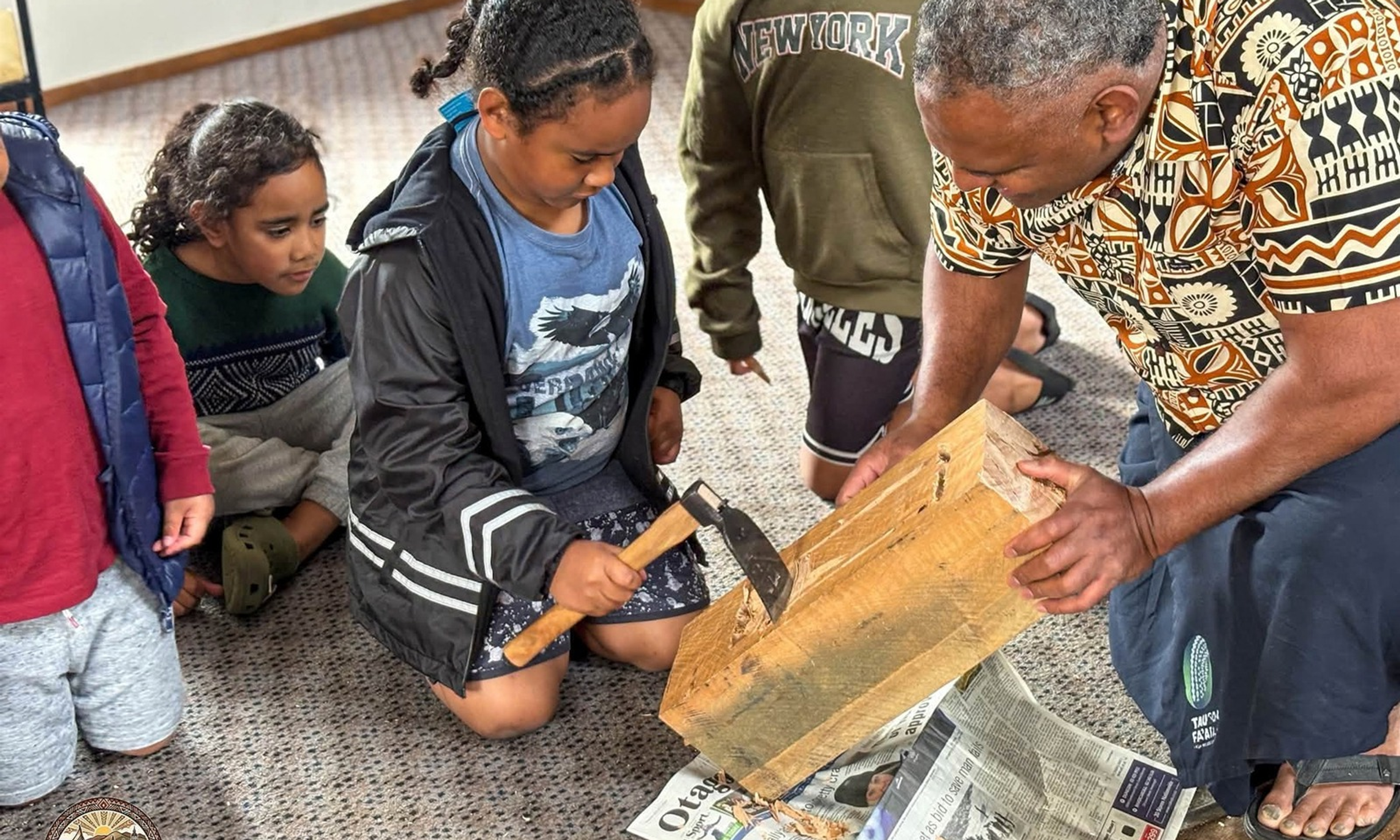
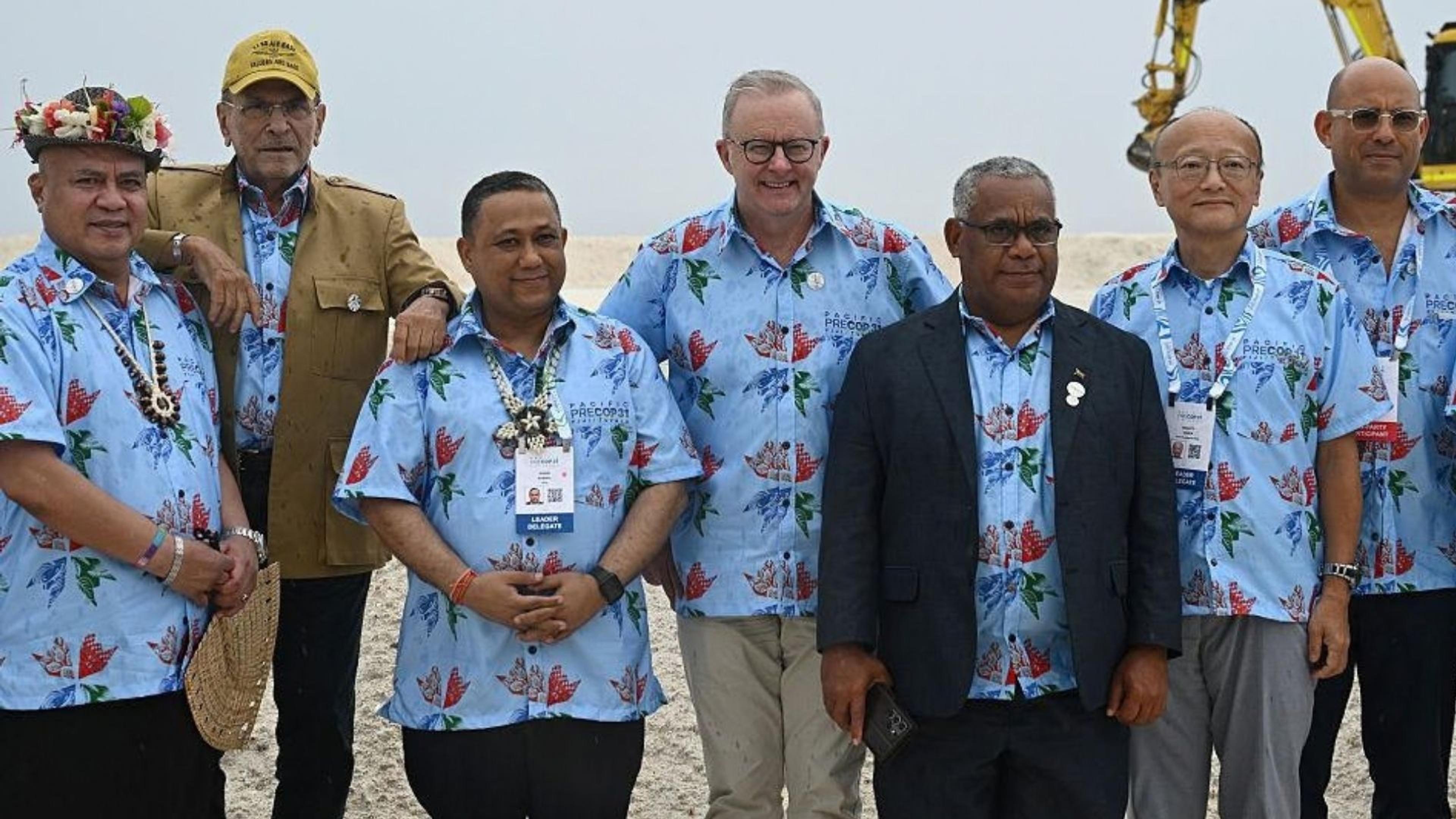

The Pacific is emerging as a key voice in global climate talks and technical advisers say Pasifika delegates are not distant political actors but direct representatives of communities facing the impacts of maritime shipping.
The comments come as debate continues at the United Nations International Maritime Organisation (IMO), which regulates global shipping.
The sector involves over a million vessels and accounts for roughly three per cent of global emissions.
According to a 2025 environmental analysis by Earth.Org, a deep divide has emerged between climate-vulnerable island states and major industrialised economies over proposals for a universal carbon levy.
A briefing by the European Parliament says Pacific nations are pushing for a transition aligned with a 1.5°C temperature limit through a universal emissions levy.
The official UN frameworks also show that major industrialised and fossil fuel-linked economies have instead supported a market-based system focused on emissions intensity targets and tiered compliance fees.
The European Parliament report warns this gridlock risks sowing global emissions cuts.

Climate-vulnerable Pacific nations continue to push for the 1.5°C temperature limit. Photo/Ocean Image Bank/Grant Thomas
Speaking with Tofiga Fepulea’i on Island Time, John Taukave, a technical researcher supporting Pacific delegations through the Micronesian Centre for Sustainable Transport, says oceanic negotiators carry the expectations of their communities into global talks.
“We're not just negotiators, not just representatives of our countries, we're representatives of our people and our communities that face the brunt of maritime shipping,” Taukave, who hails from Rotuma in Fiji, says.
“The main thing is providing that cultural support and cultural protocols while we're in those negotiation spaces, [which] has been a big part of my journey and my research.”
Watch John Taukave’s full interview below.
Taukave, who is also a PhD candidate at the University of Amsterdam, studies the concept of “story living”, which he describes as the ideao that oceanic people “don't only tell our stories, we live our stories, and it's an ever-existing living knowledge”.
Taukave said traditional practices including talanoa and Kava ceremonies are used to build respect and strengthen relationships, known as vā (the space between), within international negotiations.
Earth.Orgreports that Pacific delegations have pushed for a universal levy of US$150 (NZ$255) per tonne of emissions, a measure research shows would help "minimise the economic impact of decarbonising the shipping industry”.
John Taukave says Pacific delegates live their communities experiences as they represent them on global stages. Photo/Unsplash
But analysts say the compromise package instead limits revenue use within the shipping industry than directing funds towards climate adaptation for vulnerable nations.
To show how traditional knowledge can link to modern solutions, Taukave points to the Marshall Islands project, SV Juren Ae, a low-carbon cargo vessel powered by wind sails and is designed to be around 80 per cent more carbon efficient.
Speaking with Faama Viliamu on PMN Niue, Brendon Pasisi, coordinator of the Niue Oceanwide Project, said marine resources have declined significantly.
Pasisi said this has occurred over three to four decades due to over-exploitation, climate change, and technological pressures such as refrigeration and freezing technologies.
“Unfortunately, over a long period of time, we have pushed some of the species that we have to extinction and that's been exacerbated by climate change now,” Pasisi says.
“It makes us vulnerable. We have to build up the resource again so that we have that added level of resilience. That's the reality that we live in now.”
Pasisi said village Resource Management Advisory Committees are essential for co-managing coastal areas alongside government agencies.
This grassroots model is backed by long-term funding of at least 20 years through the Niue Oceanwide Trust, designed to strengthen local capacity.
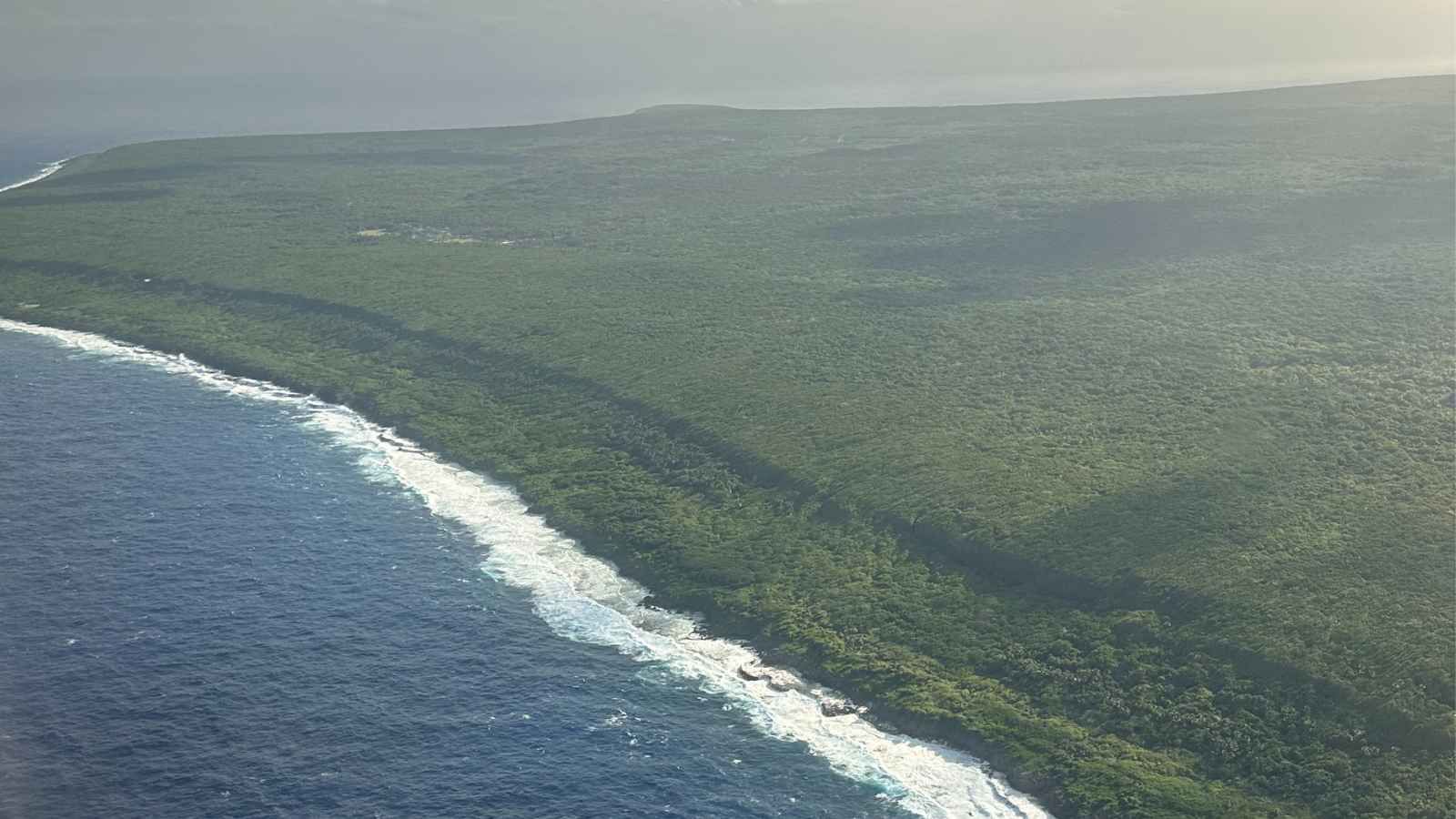
Niue has a population of roughly 1,600–2,000, with more Niueans living in New Zealand than on the island. Photo/PMN News/Ala Vailala
Pasisi says alternative funding mechanisms like the Ocean Conservation Commitment can allow external supporters to directly fund the protection of specific areas of ocean.
“If 10 per cent of the 36,000 descendants [in New Zealand] were all able to contribute to sponsoring one OCC, which represents the management of one square kilometre of ocean, then we would be two thirds of the way in fully capitalising the trust.”
Taukave said the diplomatic debates taking place today are laying the foundation for future generations of Pacific children, seafarers, and negotiators.