
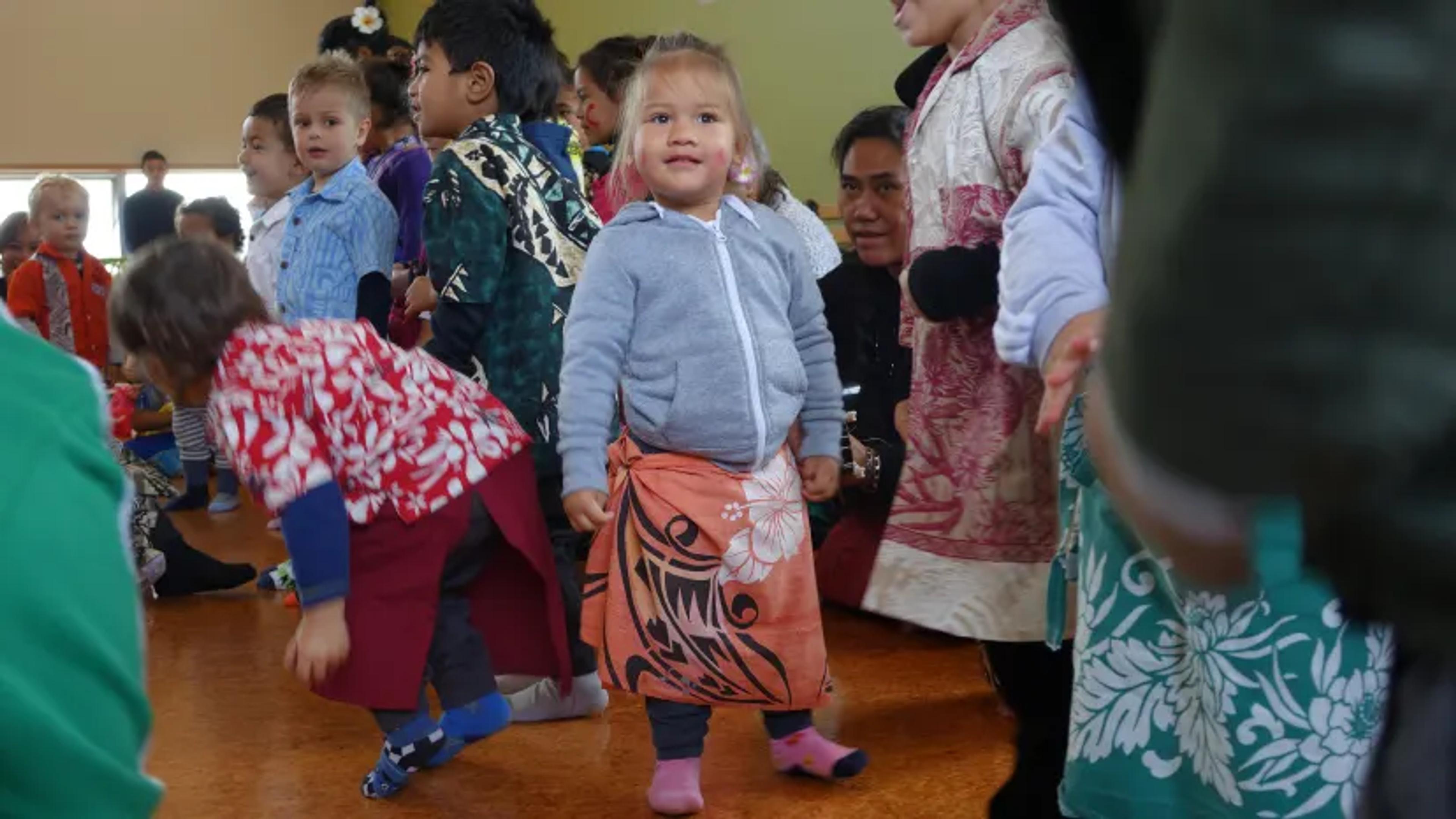
Pacific children are at the heart of the debate over what today's economic decisions will leave for the next generation.
Photo/RNZ/file
Politics
Pacific families left asking what election economic plans mean for them, says expert
Economist Ganesh Ahirao says both major parties are still stuck chasing debt and surplus targets: Labour says its plan will protect public services as National doubles down on no new taxes.

PMN News
Published
24 August 2026, 11:24am
Share
Copy Link
For Pacific families already struggling with the cost of living, the question behind the election's economic debate is simple: what will actually change in their daily lives?
The latest PMN News-Horizon Research Pacific Issues Election Survey found nine in 10 respondents said the cost of living would influence how they vote, while jobs and wages ranked next at 75 per cent.
Economist Ganesh Ahirao says neither Labour's plan to bring the books back into surplus nor National's promise of no new taxes gets to the bigger question of what New Zealand's economy should be delivering for its people.
Ahirao, who has drafted a proposed Economic Governance Act 2027, says the current system puts government finances ahead of the needs of communities.
"Well, bluntly we've put finances at the top of our current model and then we go to economics and then we go to people in our communities at the bottom," he tells William Terite on Pacific Mornings.
He says that approach is particularly important for Māori and Pacific communities where poor health, housing and education outcomes are often treated as separate issues.
Listen to Ganesh Ahirao's full interview below.
"There are no silos in the world. Why should we expect government to live in silos?"
Ahirao's proposal is built around the idea of being a "good ancestor" - judging economic decisions by what is left for the next generation.
He says this includes the state of hospitals, schools, housing, infrastructure and the environment. "Because we might be leaving them no Financial debt but we're leaving them with a leaky roof."
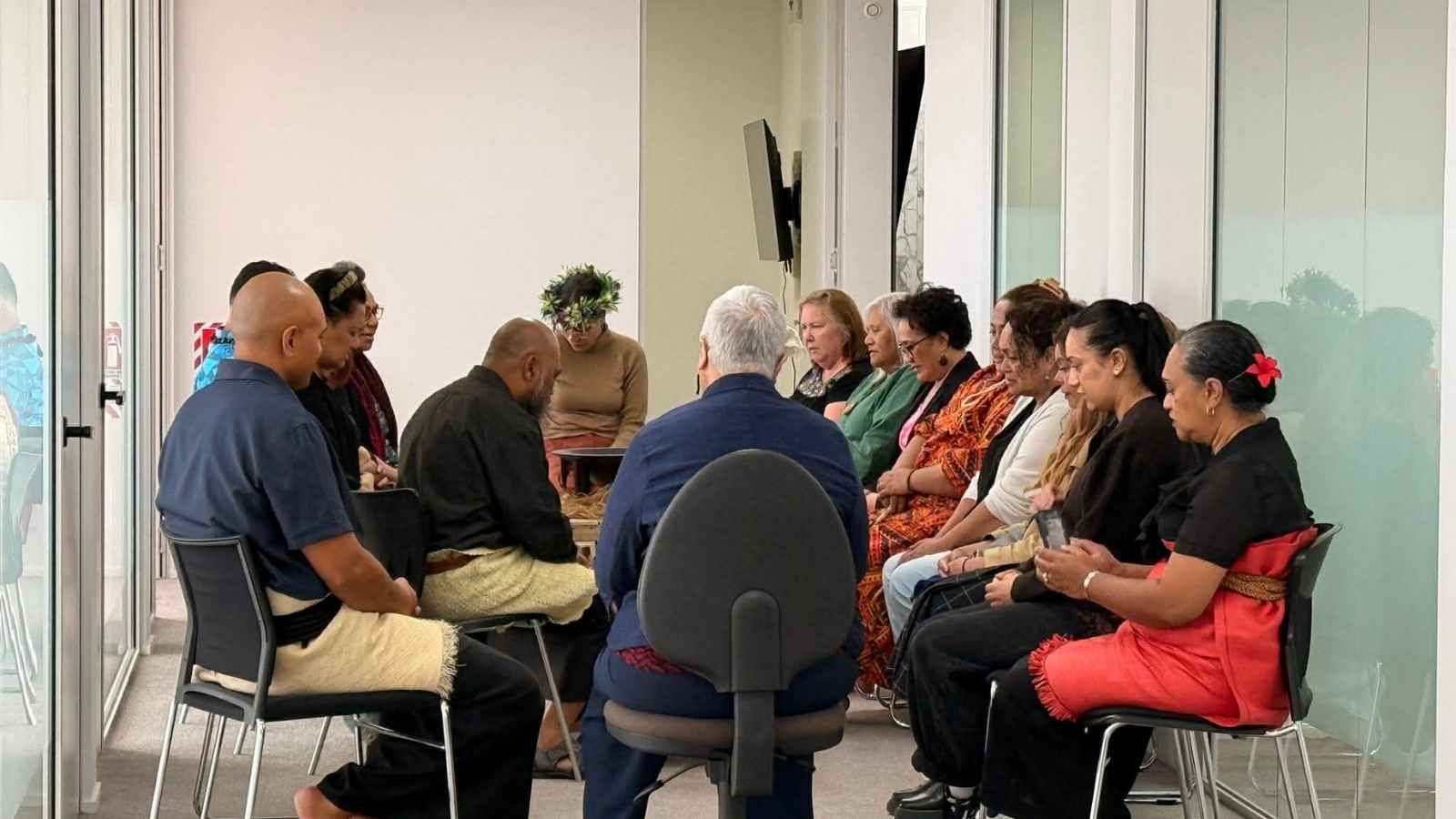
Pacific families are among those watching closely as political parties set out their economic plans ahead of the November election. Photo/Supplied
Ahirao says the focus on debt and surpluses risks missing what communities actually need.
"We've had growth for the last 40 years and it still hasn't delivered us anything. It's delivered some of us quite happily, but others, you know, we literally see it on the streets with people sleeping in doorways."
Labour's finance spokesperson, Barbara Edmonds, accepts the need to think about future generations but says fiscal targets are required under the Public Finance Act.
"We need to be good ancestors," she told Terite. "You know, that's why I got into this role is because I was always thinking about the children in my community and what we're leaving them and the opportunities that they have."
Labour wants government spending to sit at about 33 per cent, compared with National's proposed 30 per cent, and says it will invest more in health and other public services.
Edmonds says that means making choices about where money goes, including a proposed capital gains tax.
Watch Barbara Edmonds' full interview below.
"You can save and you can invest in our public services."
She says the impact on Pacific communities must also be considered as economic decisions are made, pointing to unemployment among Pacific people at more than twice the overall rate.
National, meanwhile, is promising no new taxes if re-elected, saying it can fund its commitments through economic growth, controlled spending, lower debt and job creation.
"Put simply, through diligent economic management we do not need to raise your taxes to invest in the frontline services you rely on or to meet any of our spending commitments," the party said in a statement.
But the Public Service Association Te Pūkenga Here Tikanga Mahi (PSA), "New Zealand's largest trade union", says National's approach risks leaving councils without enough money to maintain essential services and infrastructure.
PSA national secretary Duane Leo says councils could be forced to cut services, reduce staff or introduce more user-pays charges.
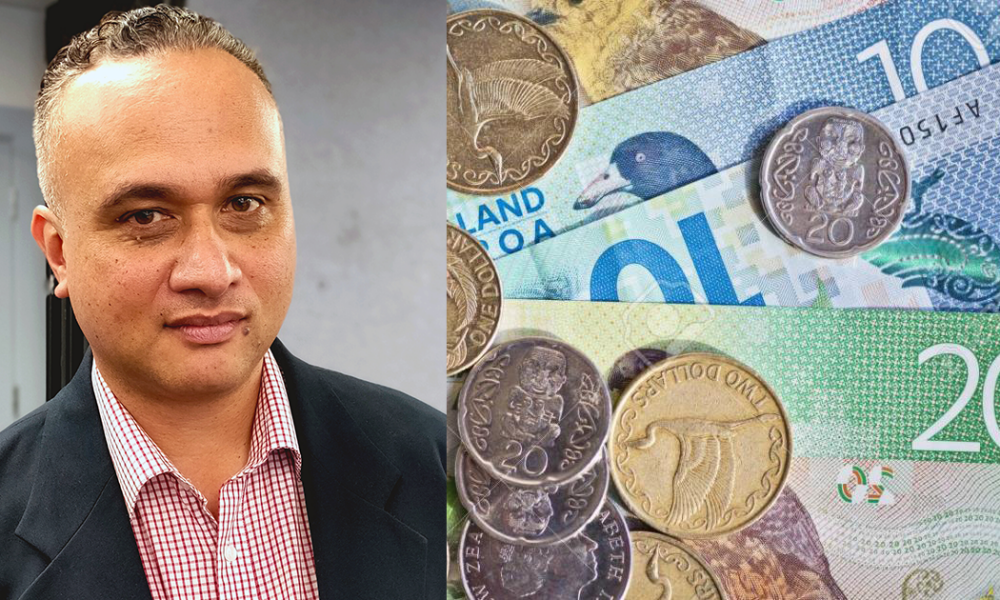
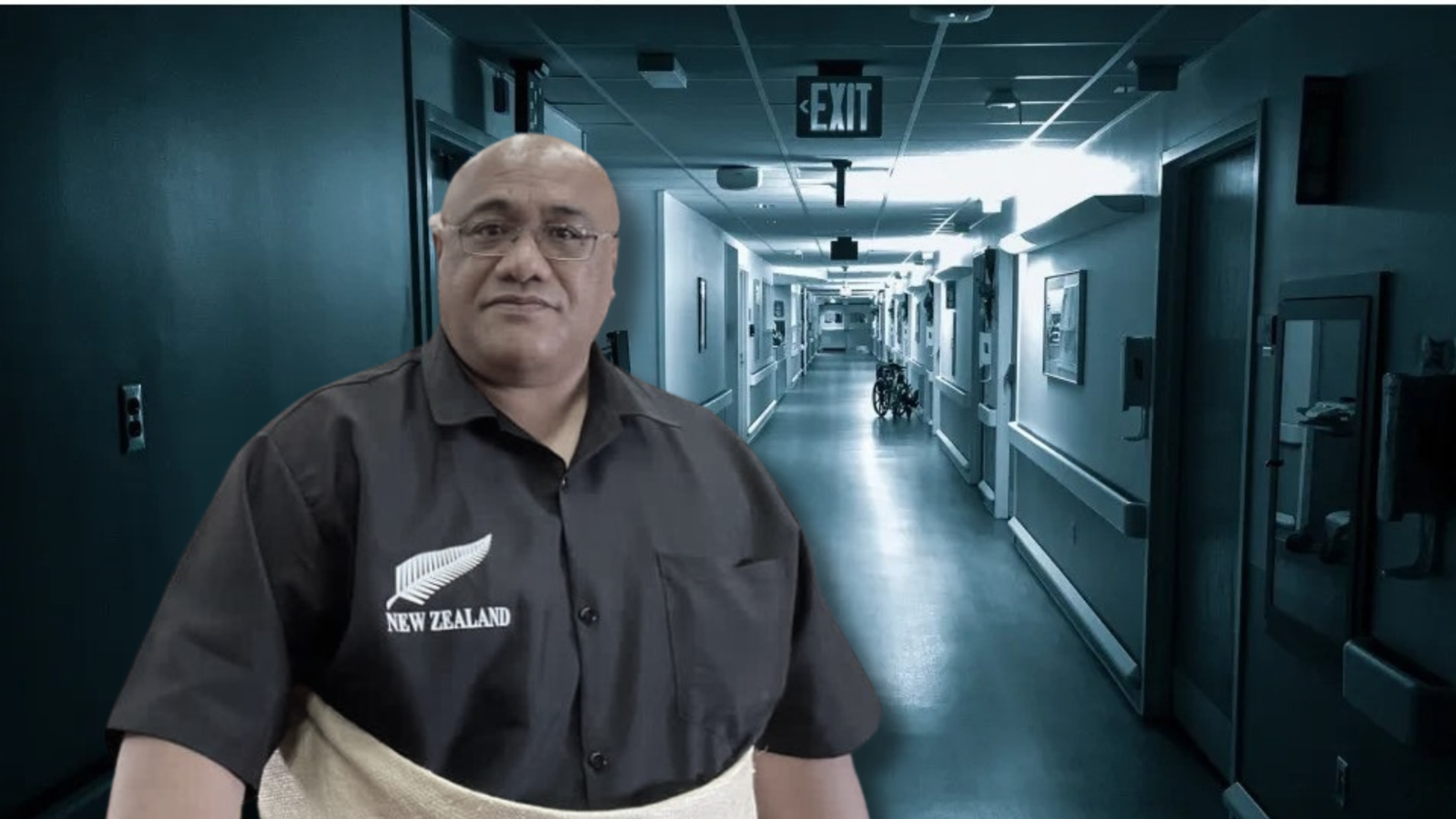
Public Service Association national secretary Duane Leo says National’s economic policies could leave councils struggling to maintain essential services and infrastructure. Photo/PSA
"At the end of the day, councils can't magic money out of thin air," his statement read.
For Pacific voters, the debate may ultimately come down to more than whether the books return to surplus or taxes stay low.
It is about whether the next government can make the economy work for families who are already under pressure and what it chooses to leave for the next generation.
New Zealanders head to the polls on 7 November.