High blood pressure a silent killer, Solomon Islands calls for stronger action
Lachlan EddieFri, 23 Oct

Labour Leader Chris Hipkins, right, and Green MP Teanau Tuiono have outlined their parties’ tax plans, with both saying the biggest changes would target higher incomes and wealth.
Photo/Supplied
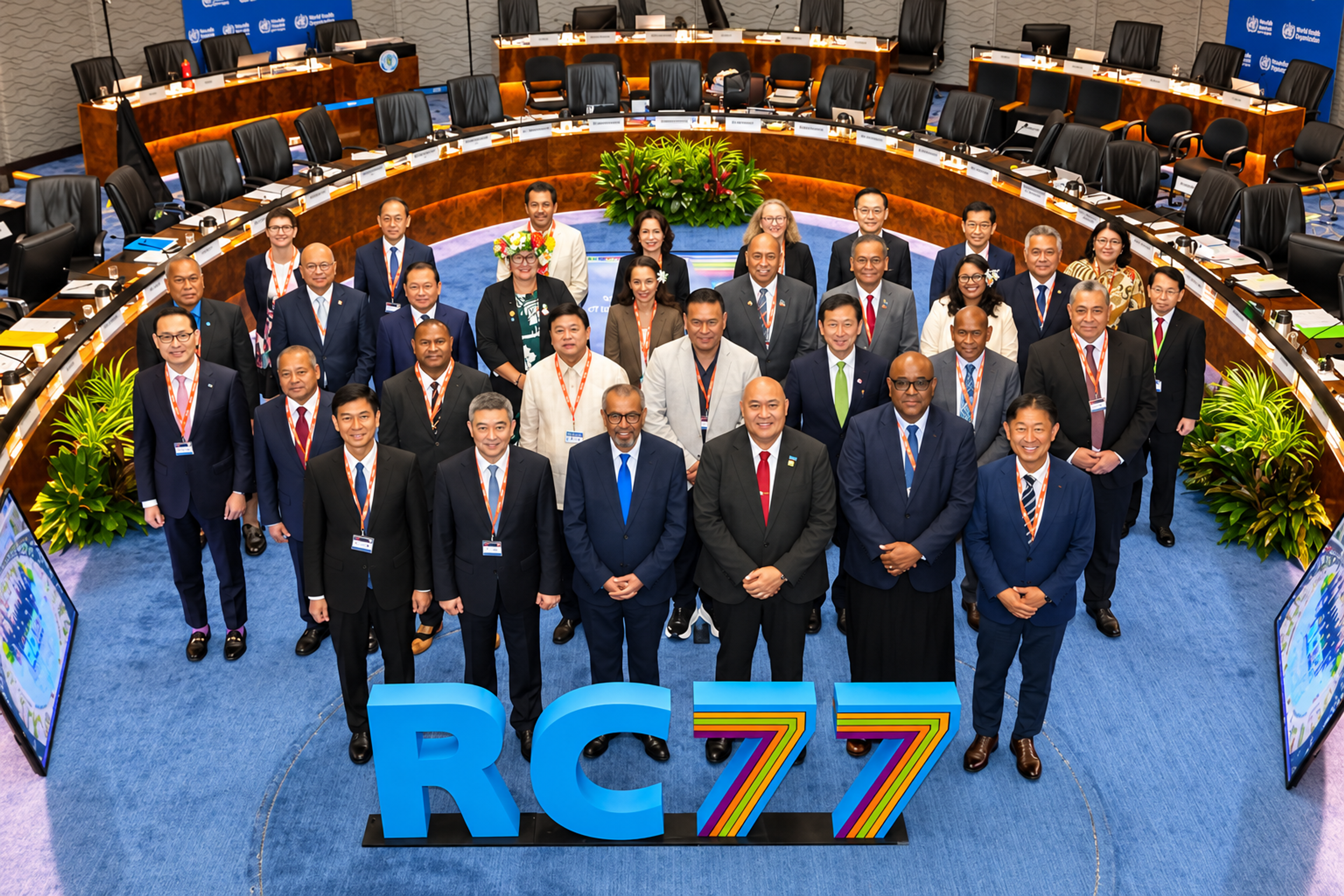
With tax emerging as a key election battleground, Labour and the Greens say their plans will not put a bigger burden on most Pacific households. But the parties differ on how far they would go after wealth.

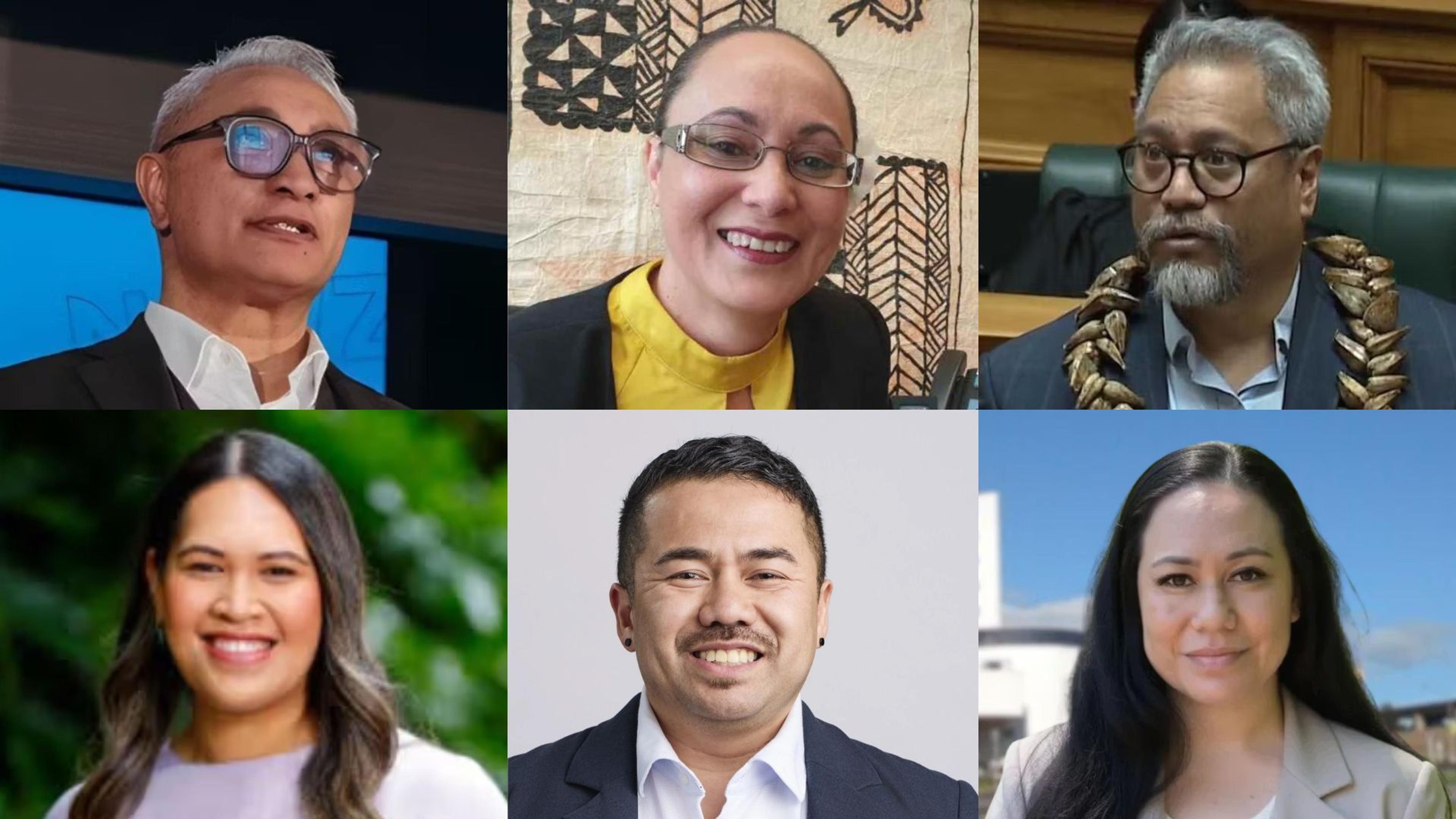


Pacific voters are being told they should not fear paying more tax under a Labour-Green government, with both parties arguing their proposed changes would mainly target people with higher incomes and large amounts of wealth.
Labour Leader Chris Hipkins says his party is campaigning on a targeted capital gains tax while Green MP Teanau Tuiono says they want to go further by targeting the very wealthy.
The issue comes as National and ACT attack the left bloc over its tax plans, warning voters could face higher taxes if Labour, the Greens and other parties form the next government.
But the tax debate comes as Pacific voters put economic pressure at the top of their election concerns.
The latest PMN News-Horizon Research Pacific Issues Election Survey found nine in 10 respondents said the cost of living would influence how they vote, while jobs and wages ranked next at 75 per cent.
In an interview with William Terite on Pacific Mornings, Hipkins says most New Zealanders would not be affected by Labour's proposal.
Listen to Chris Hipkins' full interview below.
“Absolutely not. The only new tax that Labour is campaigning to introduce is a simple targeted capital gains tax that nine out of 10 New Zealanders will not pay.”
Hipkins says the tax would not apply to a family home, a business, a farm or KiwiSaver.
“It'll only apply if you own commercial property or if you own multiple residential rental properties. So it's a very simple tax and the vast majority of voters won't pay it.”

Labour finance spokesperson Barbara Edmonds has defended the party’s proposed capital gains tax on residential investment and commercial property. Photo/PMN composite
Labour finance spokesperson Barbara Edmonds has previously defended the party’s proposed 28 per cent capital gains tax on residential investment and commercial property, saying its estimates were based on long-term averages.
“So it's long term averages. We've used three per cent. That was actually very conservative because at the time that we actually released our policy, it was already at five per cent.”
Hipkins also ruled out Labour backing other new taxes without a public mandate.
“Big changes to the tax system need to have a mandate from the public and so we're campaigning for that mandate for a simple targeted capital gains tax but we're not going to support other new taxes that there isn't a public mandate for and I've been very very clear about that.”
Tuiono says the Greens' approach would put more of the tax burden on those at the top.
Listen to Teanau Tuiono's full interview below.
“The first $10,000 would be tax free. We are saying that we should be taxing those that are actually at the higher income.”
The Greens also support restoring the corporate tax rate to 33 per cent and introducing a wealth tax aimed at people with assets worth $10 million or more.
“And our one is specifically targeted at the wealth tax aspect of it. Those people that are the incredibly rich, so we're talking about those people with $10 million or more, which is not the most of Pacifica people.”
Tuiono says the Greens are specifically targeting the wealthiest New Zealanders.
“So we are specifically targeting the very, very rich. So most Pacifica people do not fall into that category.”
He also rejected claims from National that a left-wing government would simply take more money from ordinary households.
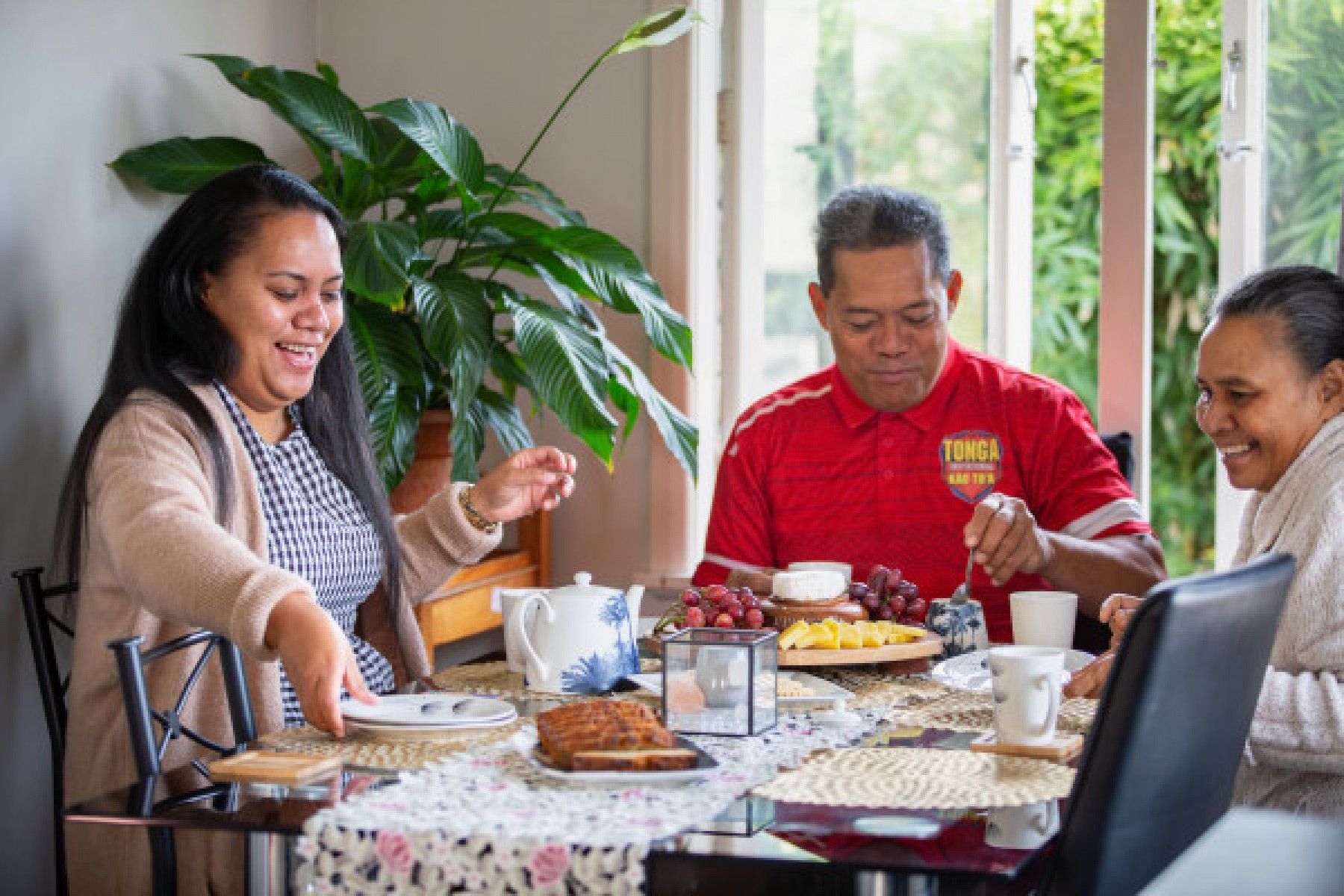
Pacific families are watching the election tax debate closely as parties set out plans they say will ease pressure on households while targeting wealth. Photo/Pasifika Futures
“I expect rich coming from them, giving all the tax breaks they've been giving to tobacco companies and mega rich landlords, et cetera, et cetera, et cetera. They're the ones that have been giving tax cuts to all the wrong people.”
Tuiono says the Greens believe New Zealand needs a fairer tax system, pointing to the lack of a capital gains or wealth tax compared with other OECD countries.
“We just think that we need to be making sure that is fair and that the mega rich pay their fair share.”
Pacific economist Filipo Katavake-McGrath says the wider economic picture also needs to be considered when voters weigh up tax and spending promises.
Speaking with Terite in May, he said economic growth depends on access to capital, customers, product development and research opportunities.
He also warned that increased spending in some areas could come at the expense of social spending, describing that as “sad, but not surprising” given the Government’s focus on international and business relations.
Watch Filipo Katavake McGrath's full interview below.
Filipo Katavake-McGrath has said Pacific voters could look beyond the headline promises and ask how parties will actually pay for and deliver them.
He said Pacific voters were increasingly looking for more than campaign announcements and wanted to know how policies would improve their lives.
While Labour and the Greens have different tax proposals, Hipkins says Labour will not simply agree to every tax plan put forward by potential coalition partners.
“Under MMP there absolutely needs to be compromise but that doesn't mean that you should sign up to things that you've been clear you won't support.”
For Pacific voters, both parties say their proposed tax changes would focus on higher incomes, wealth and investment assets than the pay packets of most households.
New Zealanders head to the polls on 7 November, with tax and the cost of living among the key issues expected to shape the election campaign.