

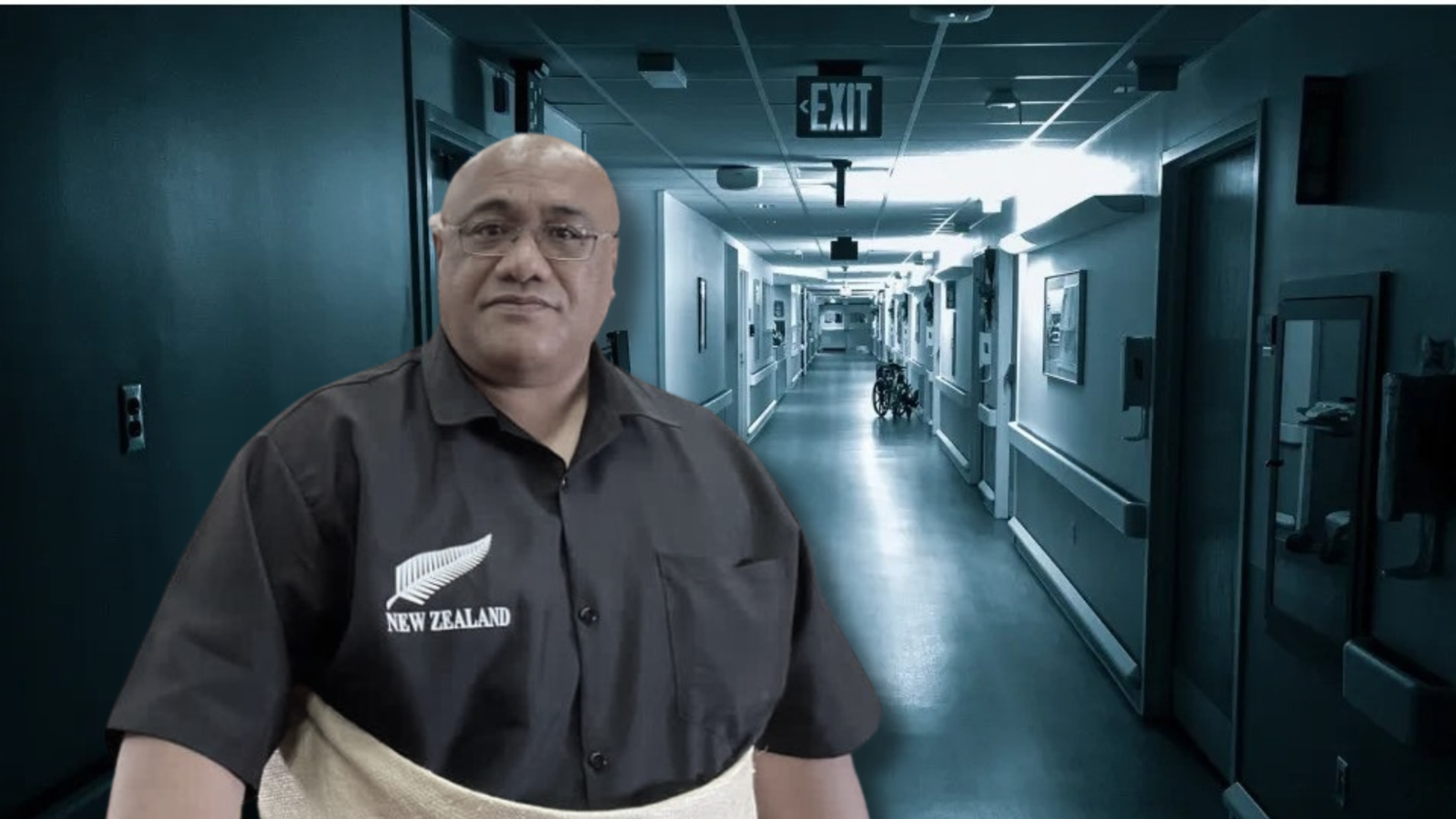
Retirement Commissioner David Boyle, left, and Daniel Fifita, founder of ONA Insurance Brokers, say building emergency savings and understanding insurance can help Pacific families better prepare for unexpected financial shocks.
Photo/Supplied
Community
Emergency savings gap highlights need for stronger financial protection for Pasifika
As New Zealand marks Money Month, new research shows fewer Pacific people have emergency savings, while experts say small steps and better financial advice can help families build stronger protection.

Aui'a Vaimaila Leatinu'u
Published
06 August 2026, 6:55pm
Share
Copy Link
For generations, Pacific families have turned to each other when times are tough through church, family and community support.
But with rising costs and growing financial pressure in Aotearoa New Zealand, experts say families also need to build their own safety nets before unexpected events happen.
New research from the Retirement Commission - Te Ara Ahunga Ora - shows 62 per cent of New Zealanders now have an emergency fund, compared with just 44 per cent of Pacific people.
In an interview with Andre Fa'aoso on Pacific Mornings, Retirement Commissioner David Boyle said an emergency fund helps families prepare for the “expected unexpected” moments in life from a major car repair to sudden bills or loss of income.
“Even saving a dollar a day or a dollar a week or just something to get started will help avoid borrowing so much at a high cost when the unexpected happens,” Boyle says.
He says having savings behind you is not just about money, but also confidence and peace of mind.
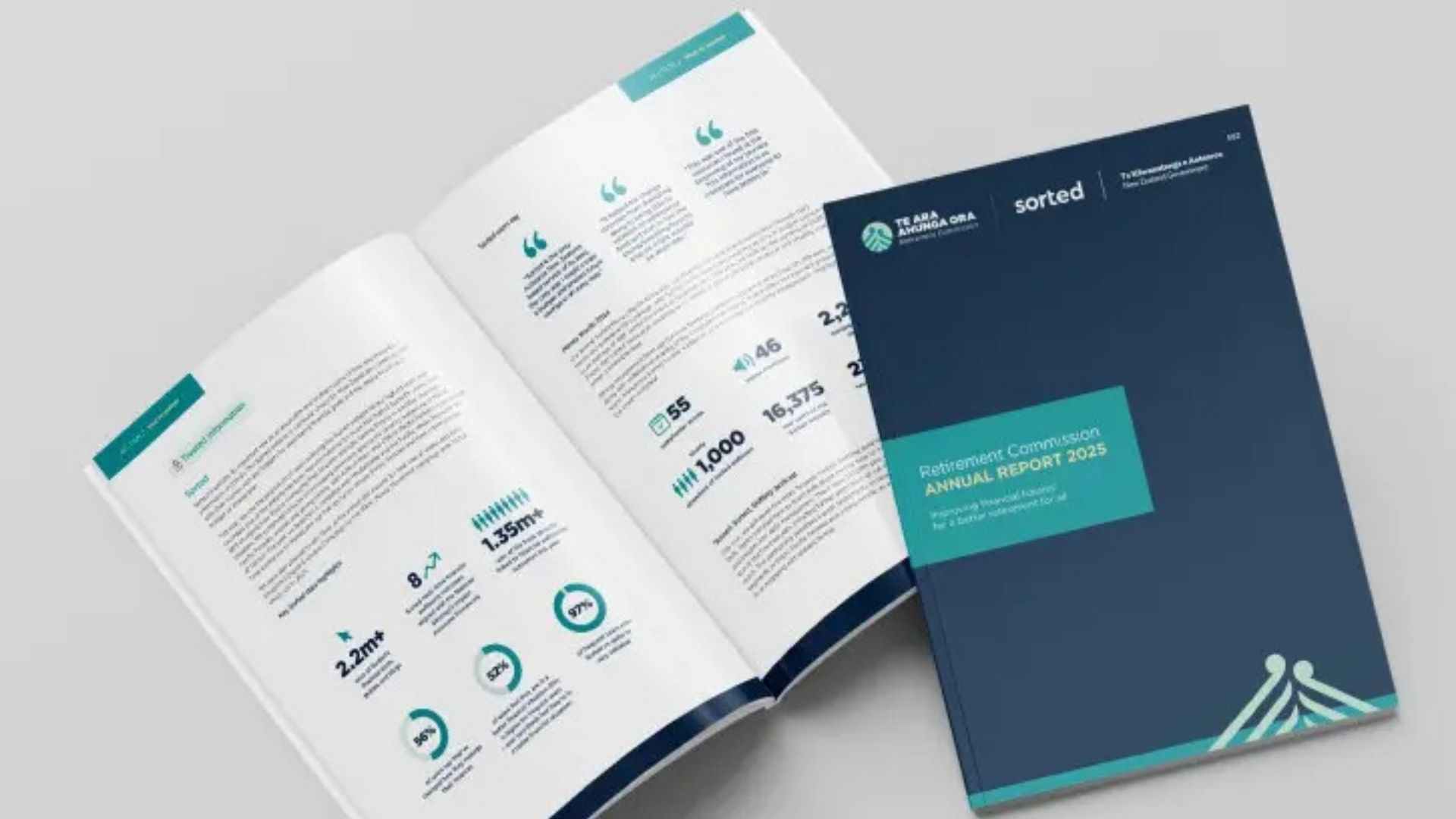
New Retirement Commission research released during Money Month shows 44 per cent of Pacific people have an emergency fund, compared with 62 per cent of New Zealanders overall. Photo/Retirement Commission
“There’s a very high connection between your own wellbeing and financial wellbeing,” Boyle says.
“If households are thinking about money every night and worrying about the next bill that’s coming up or the next unexpected event, that has quite a material impact on your own wellbeing.”
For Pacific families, building financial resilience can also mean understanding where insurance fits alongside savings.
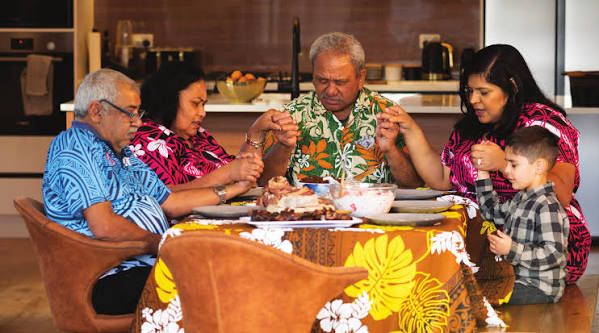
Experts say honest conversations about money, regular saving and understanding financial protection can help Pacific families build greater resilience during difficult times. Photo/Retirement Commission
Daniel Fifita, Principal Adviser and founder of ONA Insurance Brokers, says insurance can provide another layer of protection when families face serious events such as illness, injury or death.
“Having an emergency fund is a great start, but insurance is the kind of backstop after that,” Fifita told Fa'aoso.
“Your emergency fund finishes, then your insurance kind of takes over.”
Across the Pacific, insurance is also increasingly being used as a tool to strengthen resilience when communities face major shocks.
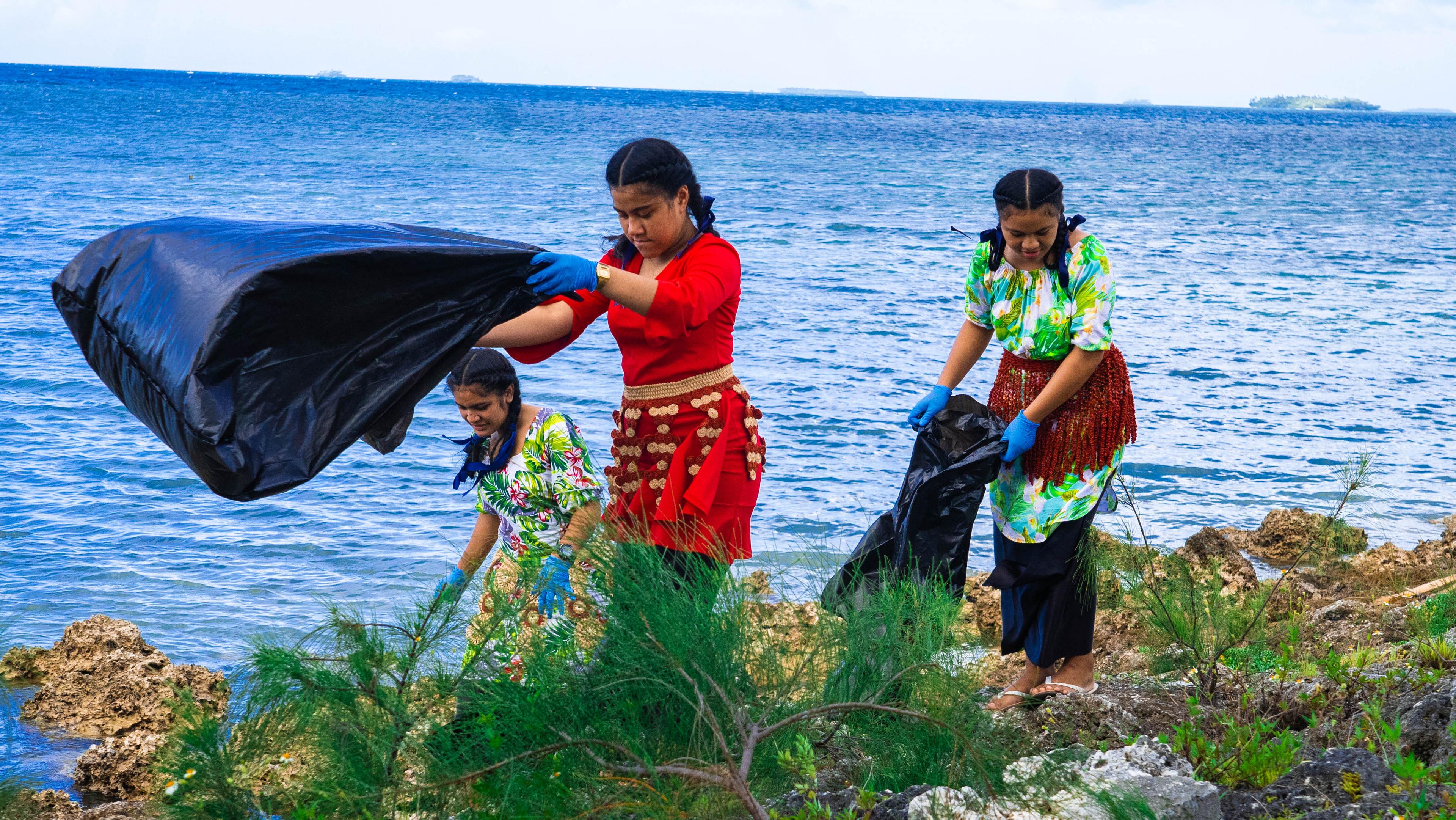
In Tuvalu, a new high-tide parametric insurance scheme recently delivered its first payout to 409 households affected by coastal flooding while Tonga has received climate insurance support to help respond to drought impacts.
The programmes are designed to provide faster financial support when disasters strike, showing how Pacific communities are exploring new ways to prepare before crises happen.

Tuvalu has made its first payout under a new high-tide parametric insurance scheme, providing fast financial support to households affected by coastal flooding without the need for claims or damage assessments. Photo/Oxfam/Jocelyn Carlin
For Pacific families living in Aotearoa, Fifita says the same principle applies - having protection in place before hardship arrives.
After more than a decade working in the insurance industry, Fifita says one of the biggest barriers for Pasifika is often a lack of understanding about what insurance actually covers.
“It's more of an educational approach, so the client can make an informed decision about whether they want to go ahead or not,” he says.
He says personal insurance is different from general insurance, which covers things like cars and household items.
“Whereas personal insurance or life insurance ensures you, ensures you the person. So if anything happens to you, the person, sickness, illness, injury, then there's certain options available that can help out from a financial standpoint.”
Watch Daniel Fifita's full interview below.
Fifita says Pacific families should not feel pressured to immediately buy insurance but start by having honest conversations about their financial situation.
“Having a conversation doesn't lock you into anything,” he says. “Start to learn about how insurance works and when you get to a stage where you deem it as a priority, then that's when we can take the next steps.”
He says Pacific communities have traditionally relied on collective support when tragedy strikes, but families living in New Zealand also need to adapt to today’s financial realities.
“We come from a communal kind of help. When tragedy strikes, the village pulls together to make things happen,” Fifita says.
“Whereas now we're living in New Zealand, it's a lot more westernised. There's a lot more obligations around bills and things like that.”
Watch David Boyle's full interview below.
Both Fifita and Boyle say the first step is simply starting the conversation - whether that means putting aside a small amount regularly, seeking budgeting support, or learning more about financial protection.
Boyle says recent savers are already seeing the benefits. “Any time's a great time to start, doesn't matter at what age or stage in life that you're at,” he says.
The Retirement Commission’s message for Money Month is that building financial confidence does not happen overnight but small steps today can help families handle the challenges of tomorrow.