
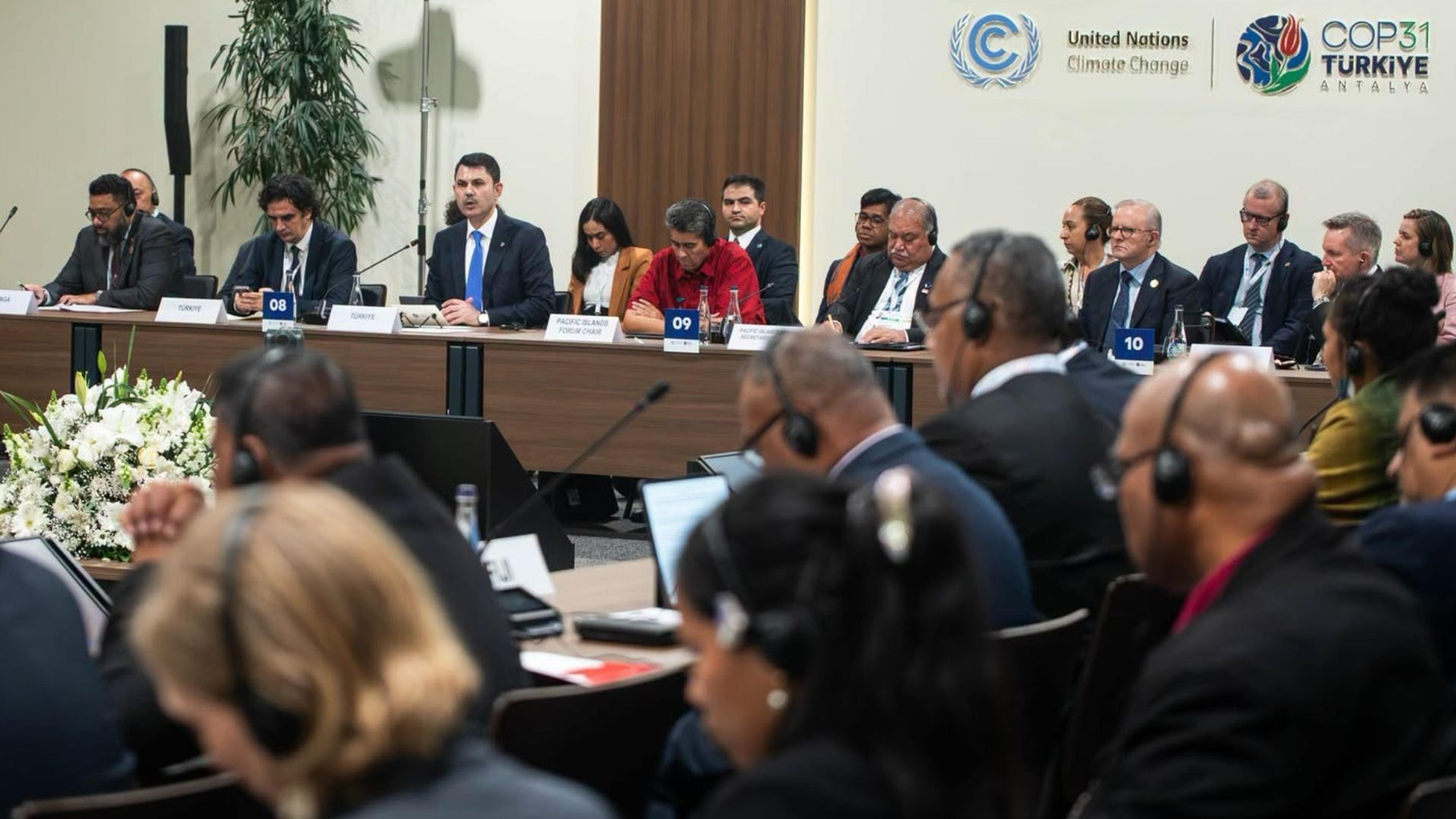
Pacific leaders and climate negotiators push for stronger action as COP31 ends without agreement on key climate decisions in Antalya, Türkiye.
Photo/Facebook/Pacific Islands Forum
Environment
Pacific climate fight continues after COP31 talks end in deadlock
Nations warn weaker commitments on fossil fuels, finance and the ocean will leave vulnerable communities carrying the cost.

PMN News
Published
23 November 2026, 12:49pm
Share
Copy Link
Top stories

Top stories
Pacific countries are leaving the United Nations climate conference or COP31 with some of their biggest environmental demands unresolved after negotiators failed to agree on two key decisions in Antalya, Türkiye.
The breakdown came after disagreements over fossil fuels, climate finance and other issues with a late draft also facing criticism for dropping stronger language on the transition away from fossil fuels and a proposed US$120 billion (NZ$219.10 billion) annual adaptation finance target.
References to the Pacific Resilience Facility were also removed from the draft.
The outcome is more than a diplomatic setback for the Pacific. The region contributes a tiny share of global emissions but faces some of the most severe impacts of climate change, from rising seas and saltwater intrusion to stronger storms and damage to homes, food supplies and livelihoods.
Oxfam in the Pacific says the crisis is also exposing a growing divide between those who have the money to protect themselves and communities with far fewer options.
“While the world’s wealthiest people continue to drive emissions and profit from climate destruction, Pacific communities are losing their homes, their livelihoods, their freshwater sources and their land,” Jeshua Hope, Oxfam's Pacific Communications Coordinator, said.
Watch 350.org Pacific lead Fenton Lutunatabua's address to COP31 below.
The failure to agree also leaves ocean action unresolved despite COP31 being promoted as a “Blue COP”.
Fiji had pushed for a standalone decision linking ocean protection with climate action while Pacific countries have argued that healthy oceans are central to food security, fisheries, jobs and climate resilience.
Fiji's Permanent Secretary for Environment and Climate Change, Sivendra Michael, had urged countries to preserve the progress made during the talks.
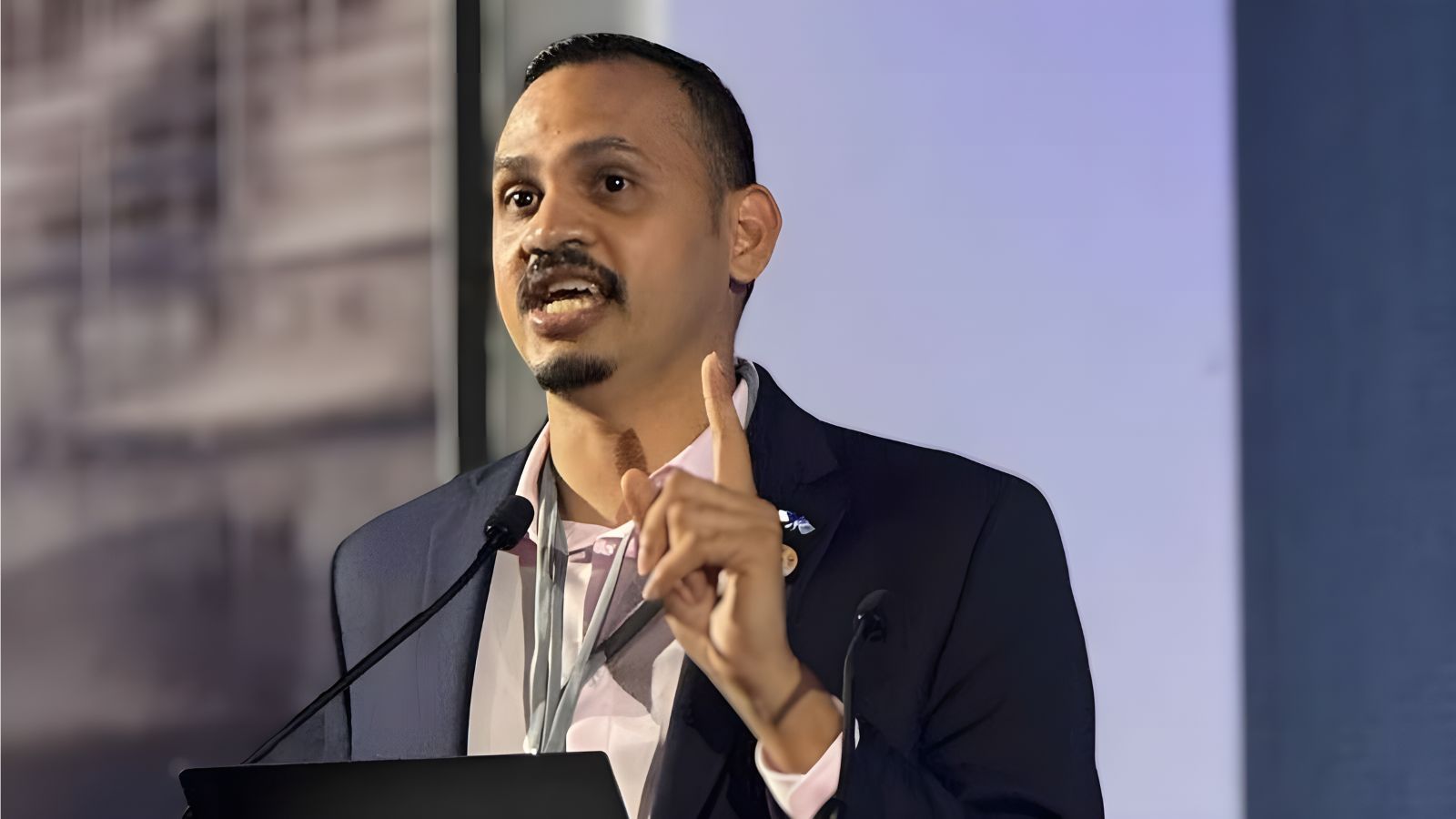
"We need action now," says Sivendra Michael, Fiji's Permanent Secretary for Environment and Climate Change. Photo/Supplied
The breakdown was not limited to ocean issues with fossil fuels and climate finance among the major points of disagreement.
UN Climate Change Executive Secretary Simon Stiell said the failure showed the need to improve the way countries work through the consensus process.
“This process belongs to 194 Parties. Consensus works best from the ground up.”
He said countries also needed to be more open and build on earlier climate commitments.
“With full transparency, taking time to listen to all views, always building on what came before.”
Stiell pointed to progress outside the main negotiating text including work under the COP31 Action Agenda on agriculture and food systems, urban and infrastructure resilience and electrification.
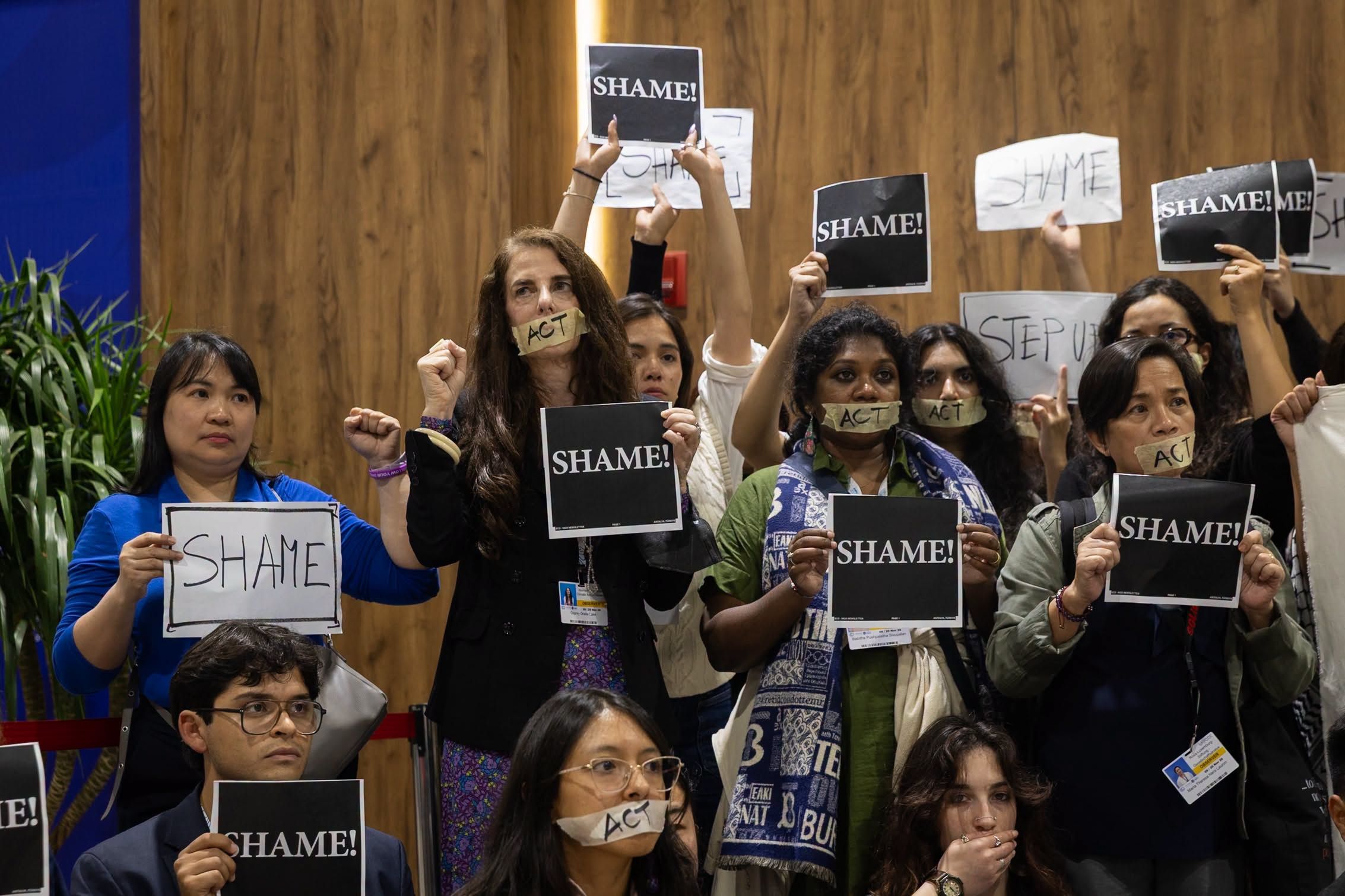
Delegates show their disagreement with the outcome at COP31. Photo/Facebook/UN Climate Change
“These advances should lead to more innovation and investment, helping the world to accelerate towards positive tipping points.”
But for Pacific communities already dealing with climate impacts, the stakes are immediate.
In Tuvalu, community leader Inge Koepke says climate change is forcing families to think about whether they will eventually have to leave their islands.
“It’s good for you because you have plan B, but not for me. I don’t have a plan B. Plan B for me is just to go away from my island.”
Her experience reflects a wider Pacific concern that climate change is not only threatening homes and infrastructure but also land, culture and the ability of families to remain in their communities.
While global talks have stalled, Pacific countries are also building their own tools to respond.
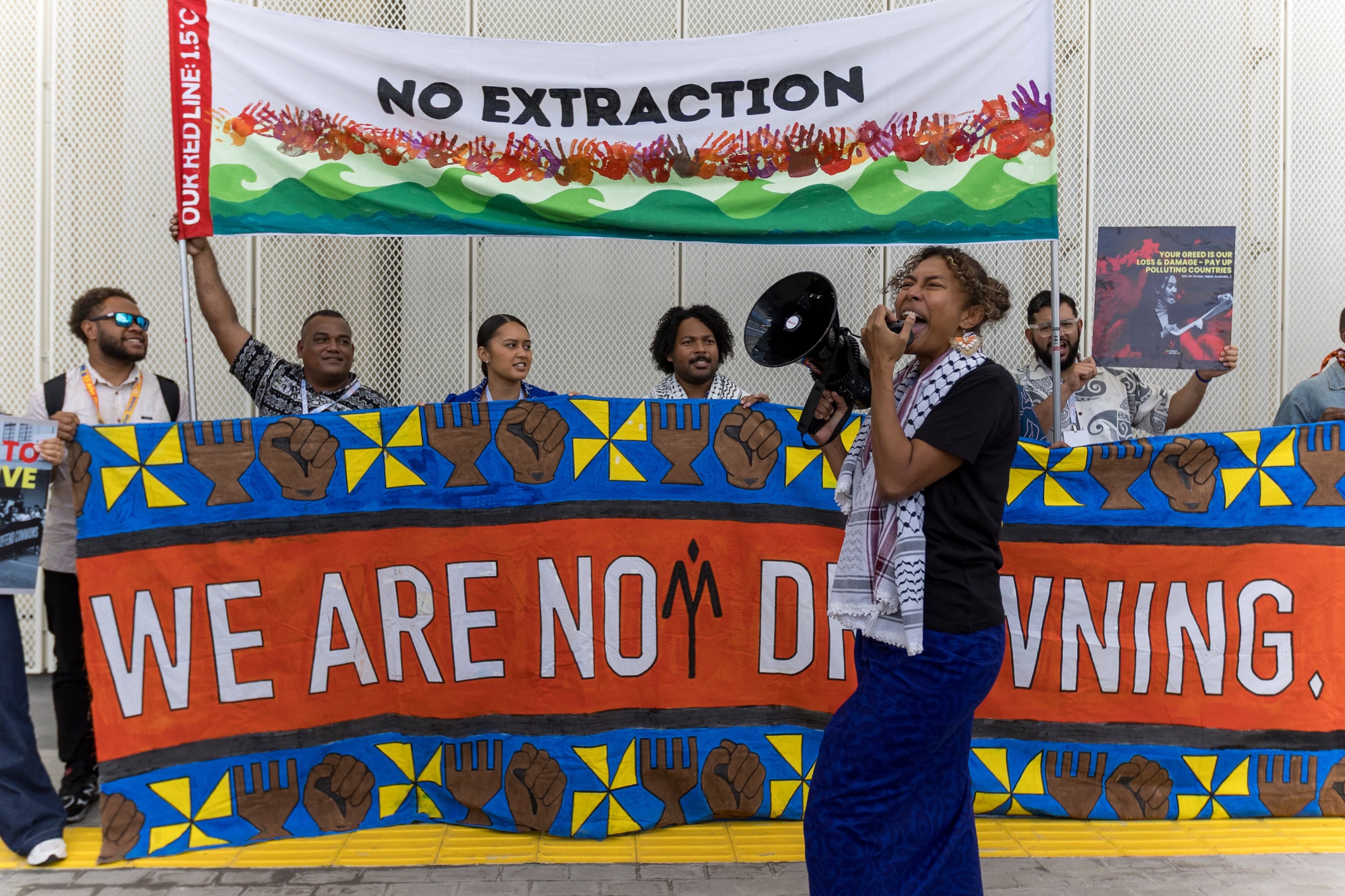
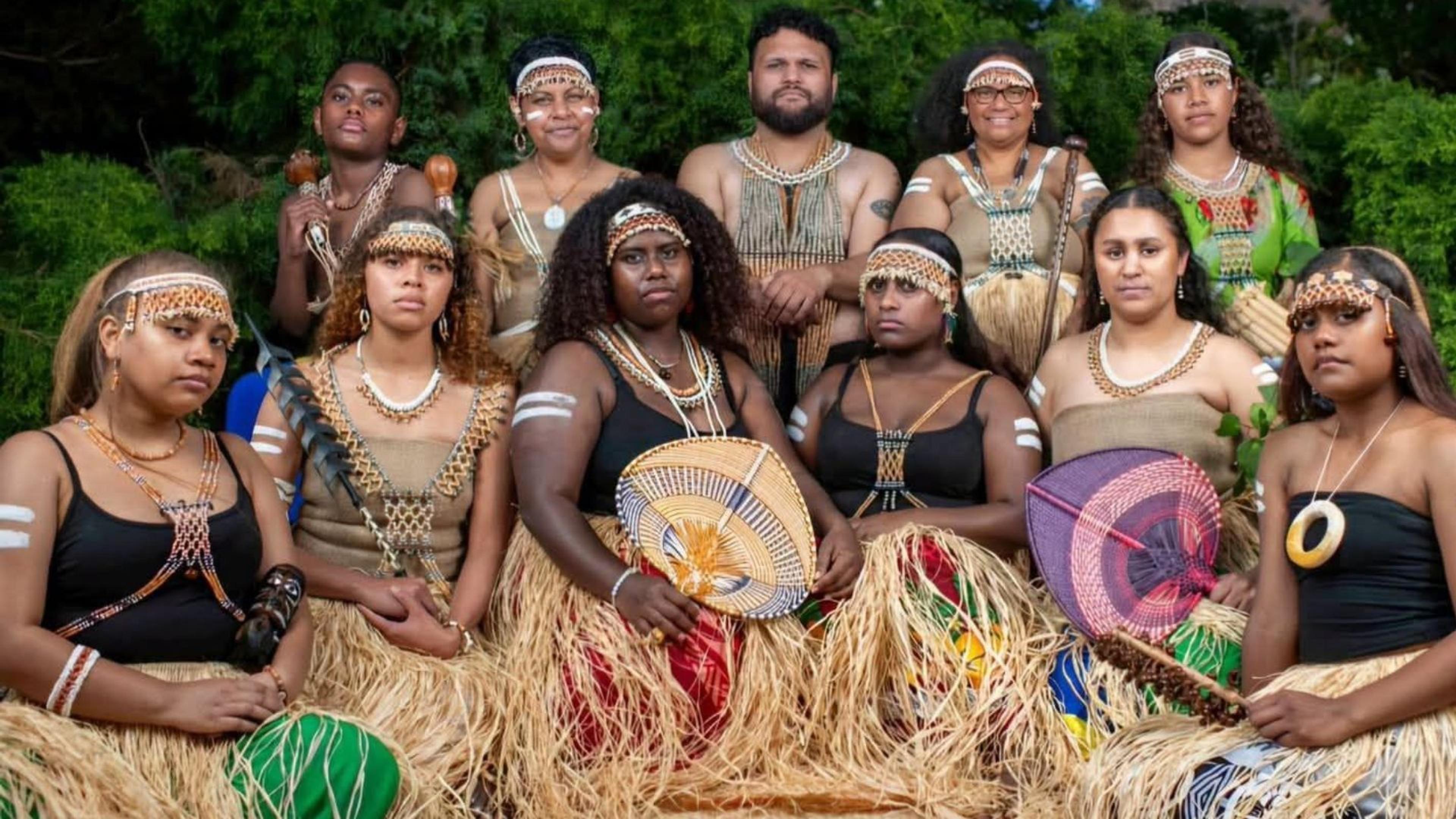
The Pacific Resilience Facility is seeking between US$500 million and US$1.5 billion to support climate resilience across the region. Photo/Facebook/350 Pacific
The Pacific Resilience Facility is launching a campaign to raise between US$500 million (NZ$912.93 million) and US$1.5 billion (NZ$2.74 billion) for climate resilience across the region with a US$5m (NZ$9.13m) pledge from the Minderoo Foundation.
The regional facility is intended to help Pacific communities strengthen their ability to deal with climate impacts and provides another source of support as countries continue to push for greater international climate finance.
The next major test will be COP32 in Ethiopia and the second Global Stocktake, which will assess progress and shape future climate action.
Stiell said the latest setback should not be allowed to undo the progress already made.
“This process has suffered setbacks before and come back stronger. It must do so again.”
COP31 may have ended without the stronger commitments it wanted for the Pacific but the pressure on governments will continue - both inside the UN process and through the region's own efforts to protect its people, economies and oceans.
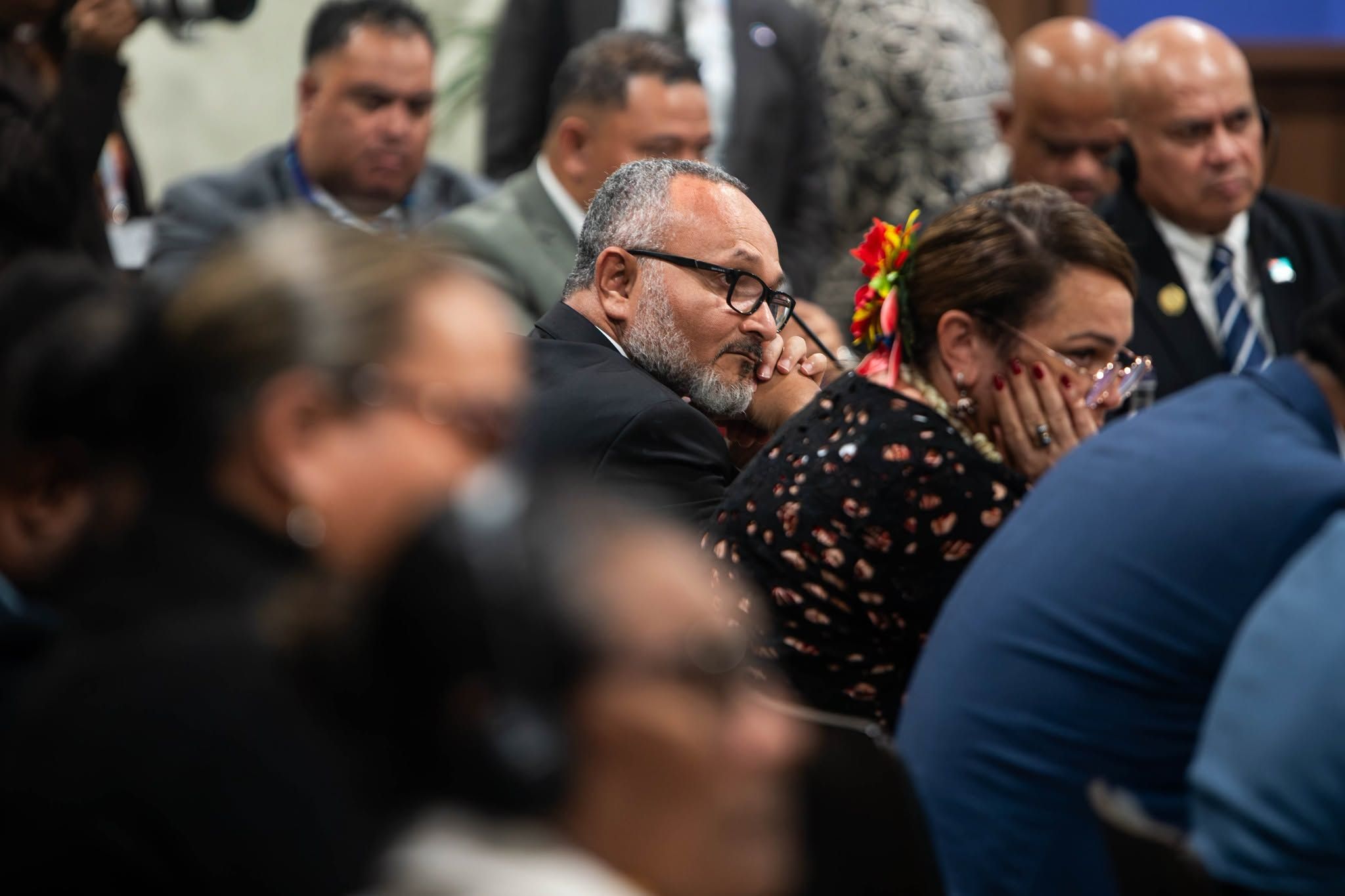
Pacific leaders at COP31 after the summit ended without agreement on key climate decisions including stronger action on ocean protection and climate finance. Photo/Facebook/Pacific Islands Forum