
Online vault aims to return Pacific research to the community
Aui'a Vaimaila Leatinu'uWed, 21 Oct
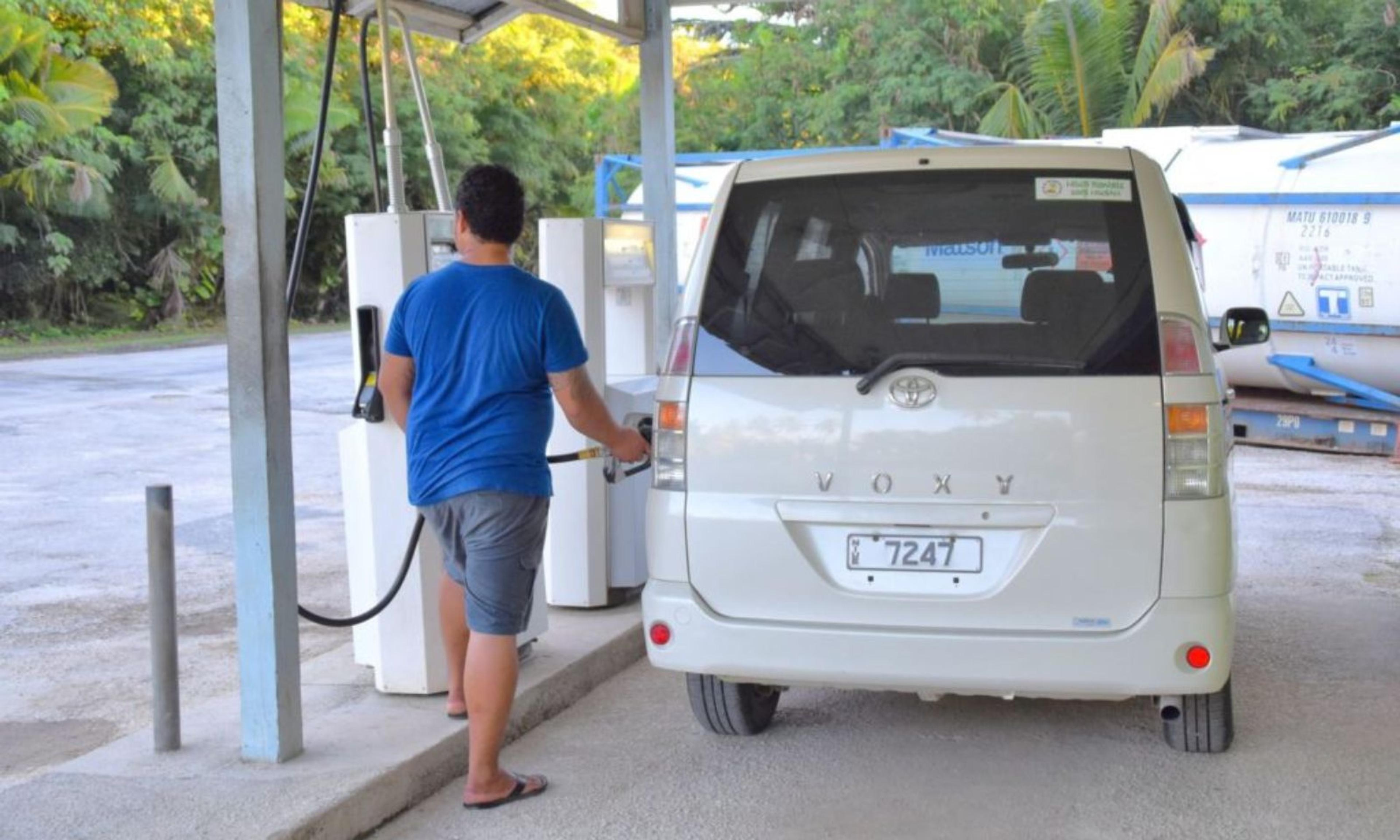
The price of power: Released just before the general election, a government update has warned Niueans of a looming fuel crisis. With costs forecast to spike by up to 150 per cent by June, managing the "staged" price hikes will be the first major test for the island’s new leadership.
Photo/niuepocketguide.com
Just days before Niueans headed to the polls, the government confirmed a "staged approach" to fuel price hike.




The Government of Niue has confirmed a "staged approach" to fuel price hikes as the Pacific island nation prepares for a potential 150 per cent jump in costs by June.
The announcement came ahead of voters heading to the polls on Saturday, 2 May, for the 2026 General Election.
A statement released on 30 April revealed that while prices have been held steady for six months, the government can no longer afford to "absorb" the rising global costs of shipping and oil.
To avoid a single, massive price shock, the increases are being rolled out in stages.
But the forecast for the coming months remains a major concern for local families:
April: 30 per cent increase
May: 50 per cent increase
June: Potential 150 per cent increase
Despite the alarming figures, the government is reassuring the public that there is no need for panic buying.

Prime Minister Dalton Tagelagi (seated) and his Cabinet during their final meeting before the 18th Niue Assembly was dissolved. As the island waits for the official 2026 election results, this team’s final act was managing the growing fuel crisis, leaving a significant economic roadmap for whoever takes the seats next. Photo/PMN Niue
Supplies are currently sufficient and there is no rationing at the pumps, it said.
“Holding prices unchanged for an extended period is no longer financially sustainable and poses risks to fuel supply security,” the government statement said.
To protect the island’s most important infrastructure, fuel for essential services including power, water, health, and aviation is being prioritised to ensure they continue to operate without disruption.
While the government is tightening its own belt and managing its diesel usage strictly, the long-term hope lies in the new Renewable Energy Project at Hikufenoga, which is set to launch in July 2026.
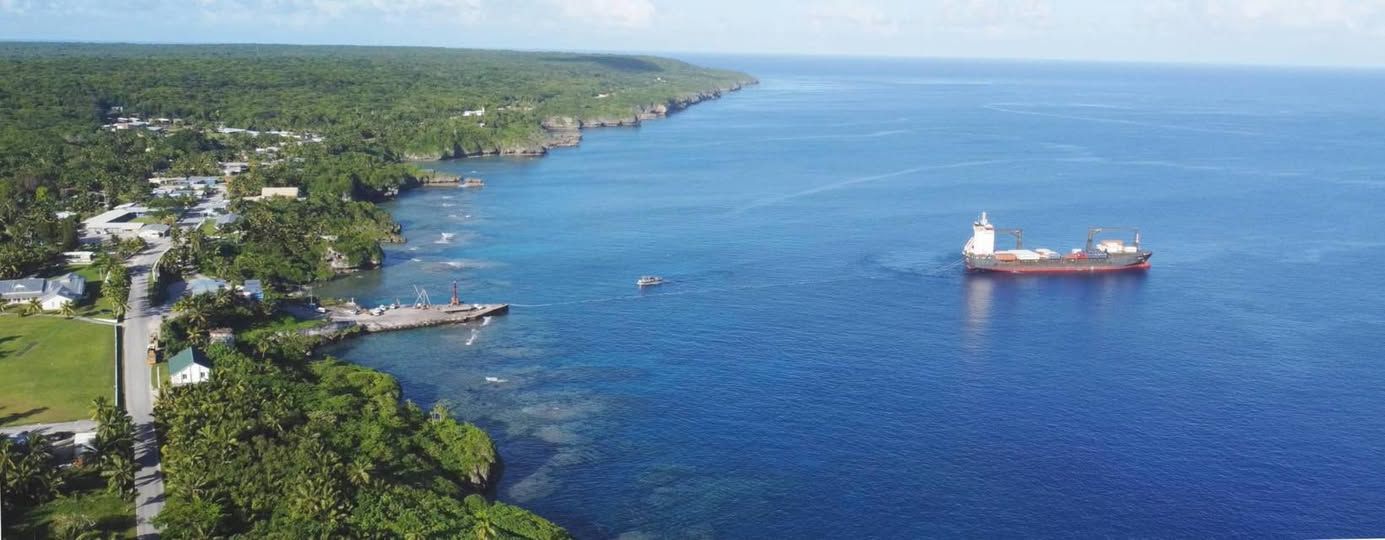
Tough choices: While essential services like health and power remain protected, the Government of Niue says absorbing global fuel costs is no longer sustainable. Families are being encouraged to carpool and conserve energy as the island moves toward a more renewable future this July. Photo/Facebook/Office of the Secretary of Government, Niue
Until then, the public is being asked to do their part by "using fuel wisely."
This includes combining trips to reduce driving, carpooling, and conserving power at home.
“Using fuel wisely today helps keep Niue running tomorrow,” the government says.
Watch PMN Niue's Inangaro Vakaafi’s full interview with Wiliam Terite on Pacific Mornings below.
With voting completed, the immediate priority for Niue’s leaders will be managing these massive price adjustments while keeping the island’s economy stable through what is shaping up to be an expensive winter.
Results are expected to be released late on Sunday.