Labour and Greens clash over what's ‘transformative’ for NZ's Pacific voters
Thomas Tarurongo WynneWed, 14 Oct
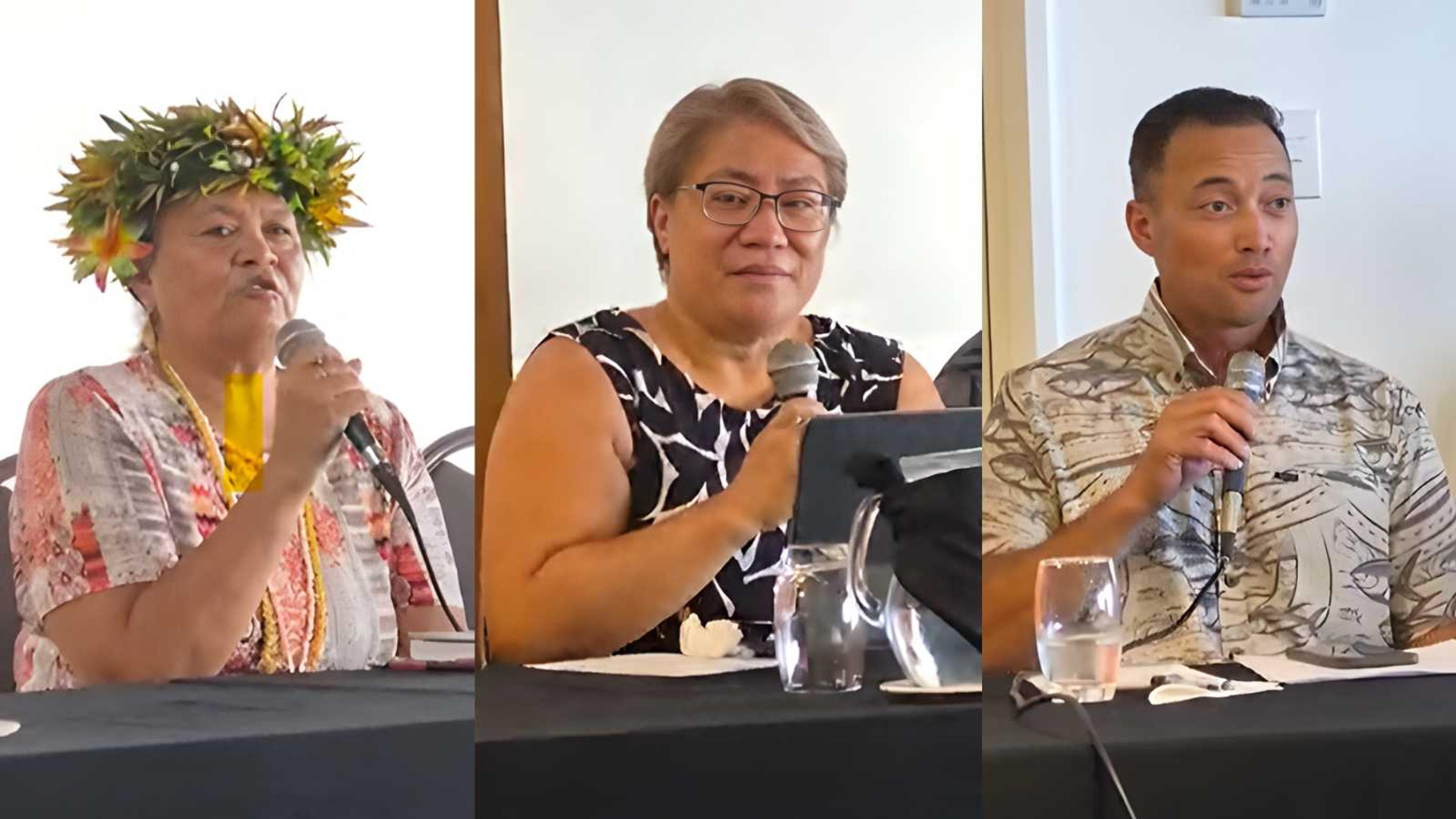
University of South Pacific alumni hosted a forum for the common roll candidates to pitch their drive and vision to locals.
Photo/Facebook/NIUE Language ROOTS
With petrol prices hitting record highs, the village of Alofi South is set to decide who leads Niue through its most difficult economic wave in years.



As Niueans prepare to vote this Saturday, the election has boiled down to a single, urgent issue: the cost of living.
In a country where petrol has soared to NZ$3.80 per litre, voters are looking for a government that can provide more than just promises.
At the heart of this struggle is the village of Alofi South. Housing over 25 per cent of the island’s population, it is the kingmaker constituency.
The results here will not only decide if Prime Minister Dalton Tagelagi keeps his seat but will also determine who can form a majority to lead the 19th Niue Assembly.
With just over 1100 registered voters across the island, every ballot in the township carries massive weight.
Speaking with William Terite on Pacific Mornings, Inangaro Vakaafi of PMN Niue, says the energy in the capital is high.
“Most voters on the island live in the township of Alofi,” Vakaafi says.
According to the 2022 Census data, Alofi South also has 423 residents, representing over 25 per cent of the total population, and making it the most significant votership on the island.
Watch Inangaro Vakaafi’s full interview below.
Political engagement is high in the area, where a village meeting in Alofi South saw more than 10 common roll candidates gather to address the township.
Meanwhile, a forum was hosted by the University of the South Pacific alumni at the Matavai Resort, where candidates presented their long-term visions.
While four seats in villages like Alofi North, Hakupu, Namukulu, and Vaiea are already settled with candidates duly elected unopposed, the battle for the remaining 10 villages and the six common roll seats is fierce.
For many residents, the election isn’t about party loyalty. It’s about survival. Families are struggling with expensive groceries, power outages, and a fuel spike that is hurting small businesses.
Rene Richardson, who is self-employed, says the current fuel crisis is hitting her family hard.
“Being a private sector, self-employed person, we have a lot of struggles like fuel at the moment. My husband’s a fisherman… where it’s costing quite a bit at the pump,” she says.
For the island’s youth, the priorities are just as clear. A local named Chloe tells Vakaafi that young people are focused on three things: the minimum wage, the cost of living, and the fuel crisis.
“[With] the prices of food in the shops it’s important that people have the money to buy food and live a comfortable life,” Chloe says.

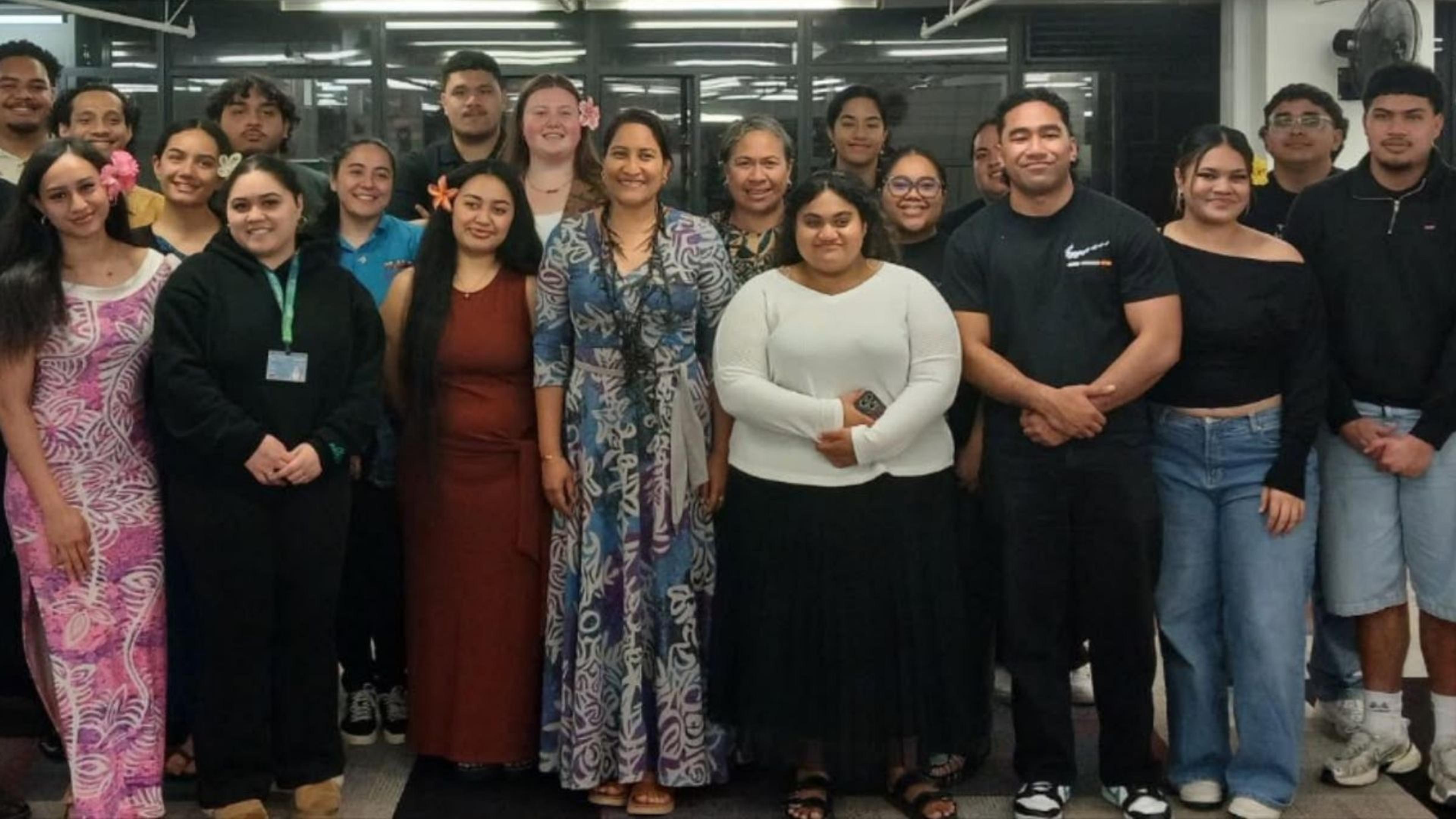
Youth Chloe, in Niue, says establishing a minimum wage, cost of living and fuel crisis are top concerns. Photo/Facebook/PMN Niue
Vakaafi says these gatherings as The Niue National Strategic Plan, the country’s recurring 10 year roadmap, is due for review this year.
This means the next government will be tasked with setting development priorities for the coming decade.
Vakaafi says locals are increasingly aware that Noue’s problems aren’t just local. They are tied to the 20 development partners Niue works with globally.
She says some of those partners, including the United States, are involved in wars that are driving up global fuel prices.
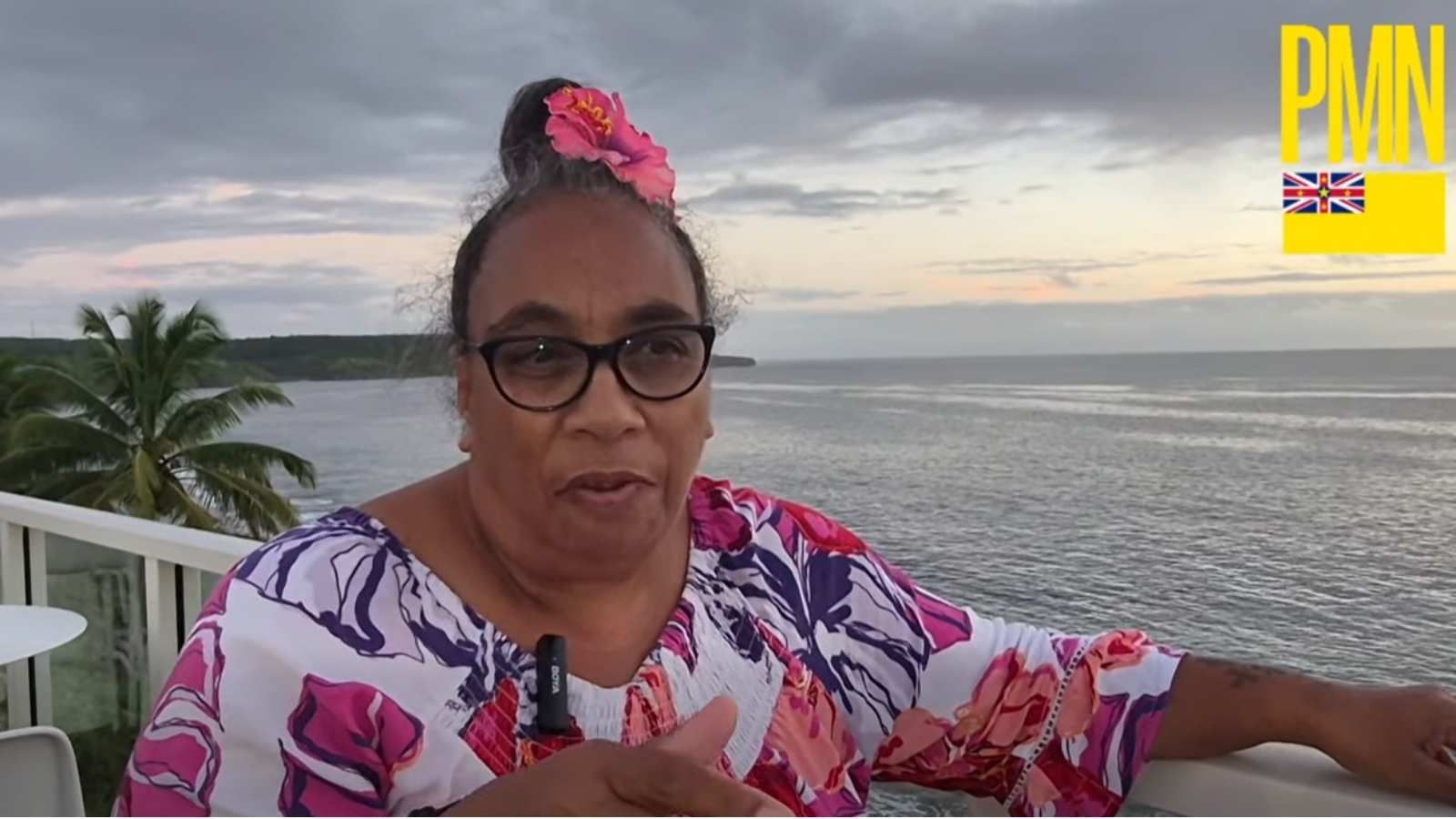
Rene Richardson. Photo/Facebook/PMN Niue
“How does that actually impact our lives? We can't just think about Niue as isolated. We have connections, regionally and internationally.”
As candidates make their final door-to-door visits, Vakaafi says the message from the people of Alofi South is clear: the next leaders must navigate these global waters while making life affordable at home.
Polls open on Saturday 2 May.