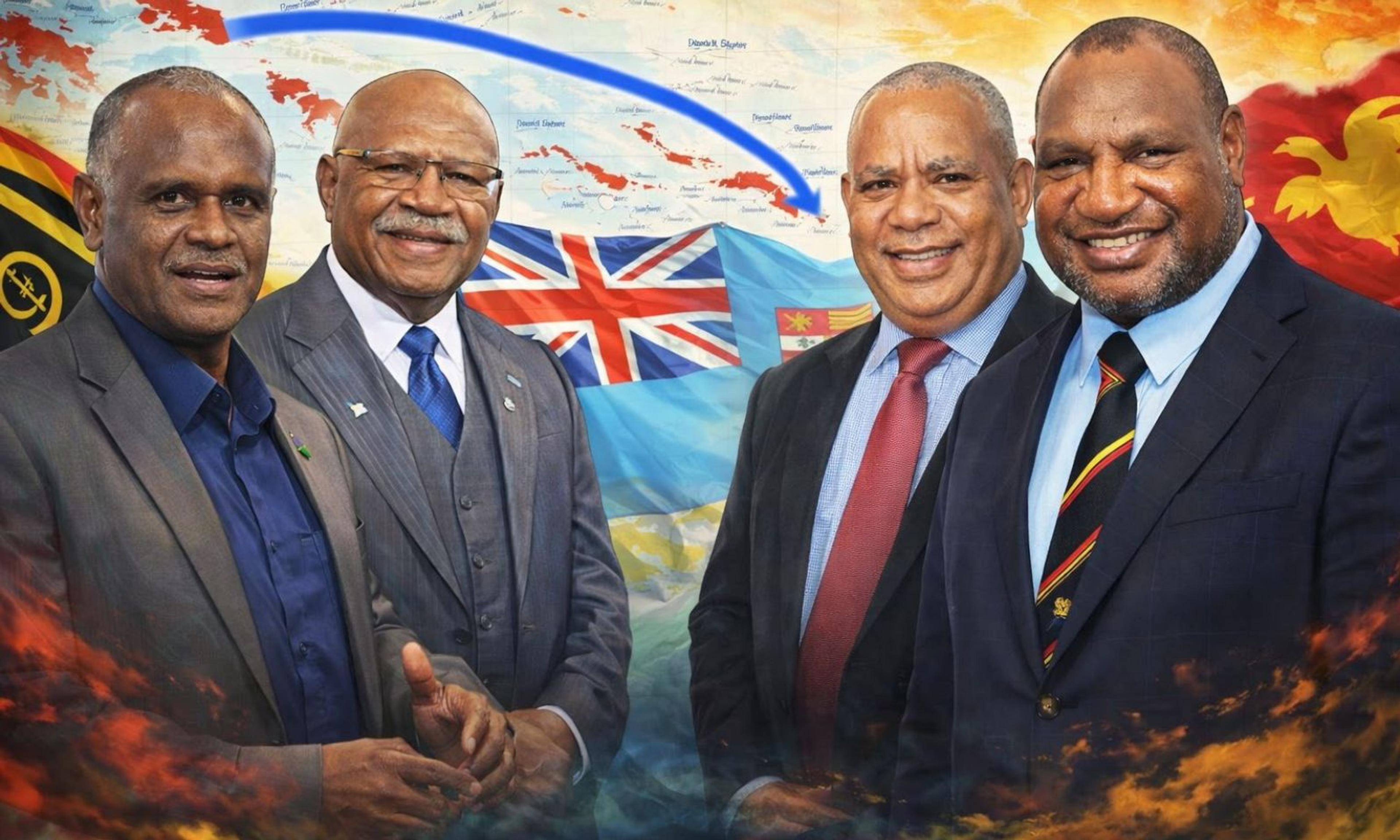
Melanesian leaders from left: Jeremiah Manele from the Solomon Islands, Sitiveni Rabuka from Fiji, Jotham Napat from Vanuatu, and James Marape from Papua New Guinea have been urged to strengthen governance and reduce reliance on external powers as global strategic competition intensifies.
Photo/Facebook/Front Line Pacific
Pacific Region
Pacific Warned: Global powers will act if island nations remain weak
Advocates say recent US military action in Venezuela is a warning for the Pacific: strengthen governance and reduce reliance on foreign powers.

Christine Rovoi
Published
08 January 2026, 11:50am
Share
Copy Link
Top stories

‘I made my own door’: The pro footballer who turned stigma into a global sock brand
Atutahi Potaka-DewesTue, 22 Sep
‘We’re so blessed’: Penrhyn community welcomes NZDF crews
Thomas Tarurongo WynneMon, 21 Sep
Treaty row grows after leaked message links funding and PM's no-confidence motion
Christine RovoiMon, 21 Sep
Top stories
‘I made my own door’: The pro footballer who turned stigma into a global sock brand
Atutahi Potaka-DewesTue, 22 Sep
‘We’re so blessed’: Penrhyn community welcomes NZDF crews
Thomas Tarurongo WynneMon, 21 Sep
Treaty row grows after leaked message links funding and PM's no-confidence motion
Christine RovoiMon, 21 Sep
A Pacific advocacy blog has warned Pacific leaders, especially Melanesia, against relying on foreign powers to maintain stability, following recent United States military action in Venezuela.
In a social media post this week, Front Line Pacific, a regional advocacy blog covering security and governance issues, says the events in Venezuela should serve as a warning for smaller, strategically exposed states like those in Melanesia.
The blogger group says weak institutions and long-term dependence on foreign aid could leave Pacific countries vulnerable.
“Global powers do not wait for permission when their security is at risk. They act,” it says.
Front Line Pacific described Melanesia’s geographical position as placing it at the centre of Pacific security concerns, particularly for Australia and Aotearoa New Zealand.
It criticised leaders who prioritise symbolic gestures of sovereignty over building strong national systems. "That is not independence. It is dependence presented as nationalism."
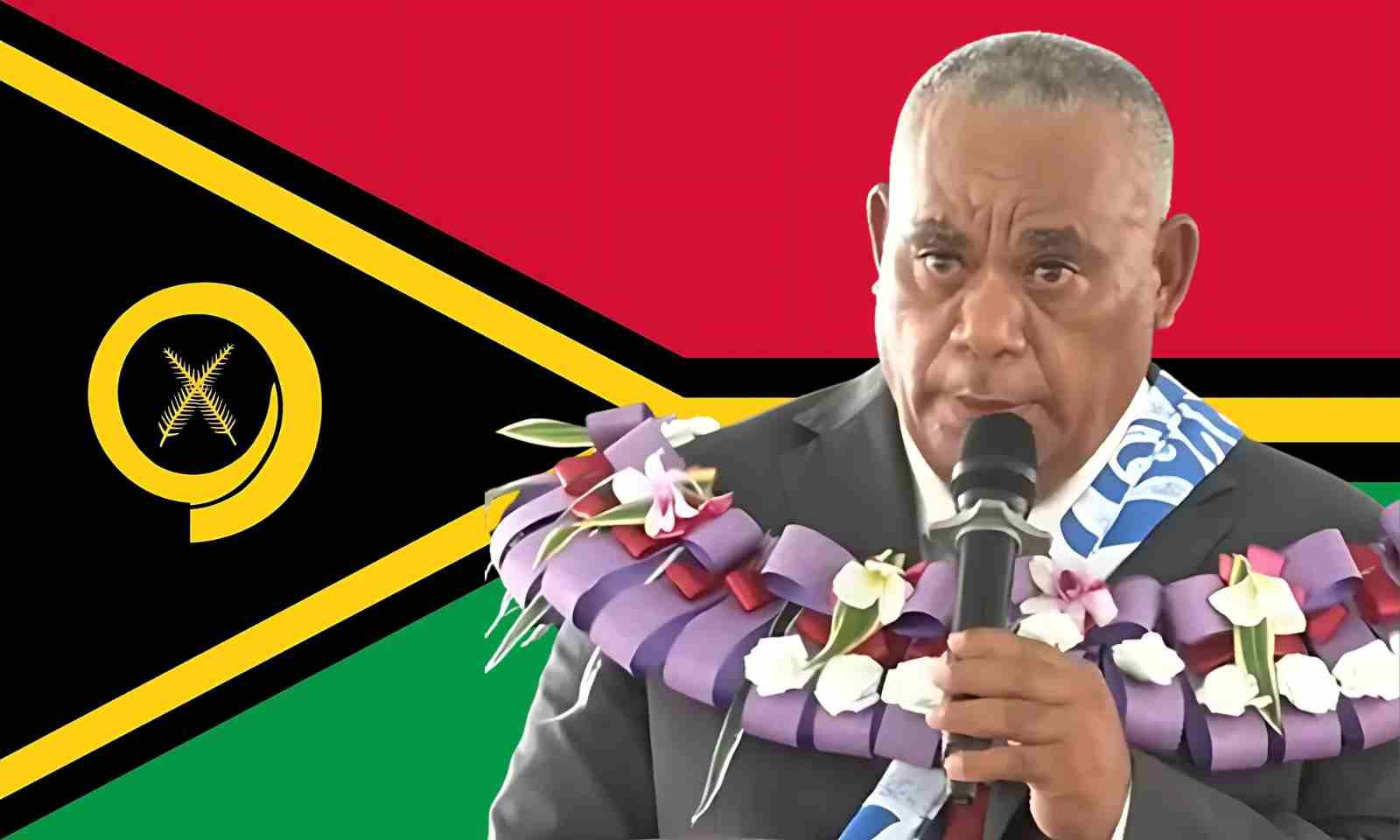
Vanuatu Prime Minister Jotham Napat's government recently moved to limit the permanent presence of foreign advisers in government buildings, citing the need to protect national sovereignty. Photo/Vanuatu govt
Regional government responses
Senior Pacific figures have emphasised the importance of strong governance and reduced dependence on external powers.
Former Pacific Islands Forum Secretary-General Dame Meg Taylor has emphasised that global interest in the Pacific is driven by strategic competition, not goodwill.
Taylor says weak governance leaves countries vulnerable to outside influence.
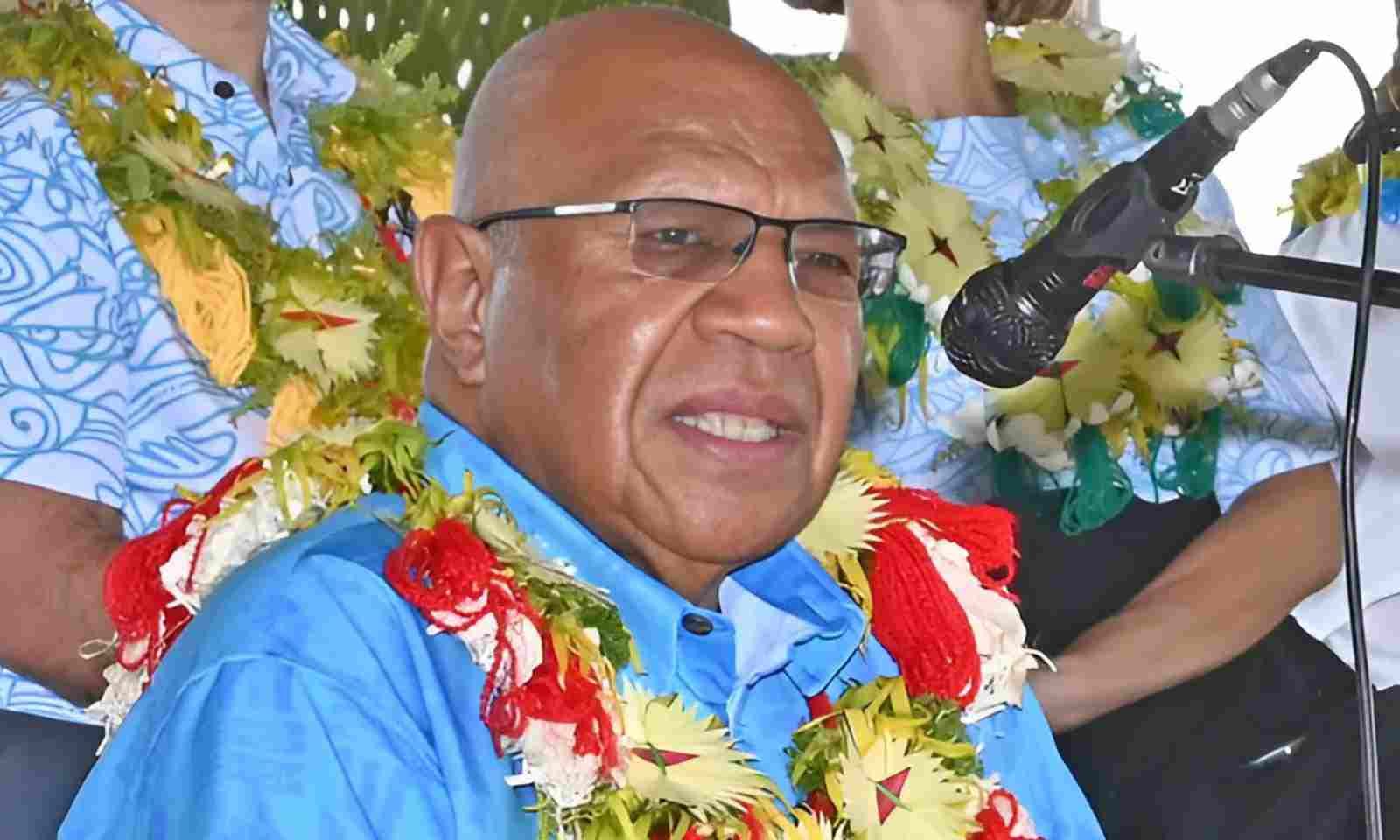
Fiji Prime Minister Sitiveni Rabuka has rejected the idea of foreign military bases in the Pacific, saying regional security must be led by Pacific nations themselves. Photo/Fiji govt
Pacific governance academic Professor Steven Ratuva, based in New Zealand, has also cautioned that aid dependency can undermine local control over development priorities.
Official government reactions reflect similar concerns. In Papua New Guinea, Foreign Minister Justin Tkatchenko reiterated his government’s commitment to strengthening domestic institutions while engaging with partners.
Tkatchenko has previously stated that PNG would continue deepening ties with traditional partners but is cautious about foreign influence, including from China.
In Vanuatu, Prime Minister Jotham Napat and his government have recently taken steps that reflect a strong emphasis on sovereignty.
In a parliamentary session in November, Napat moved to restrict foreign advisers, including those from New Zealand, Australia, and China, from being permanently based in government buildings.
He says this is intended to protect Vanuatu’s independence and decision-making.
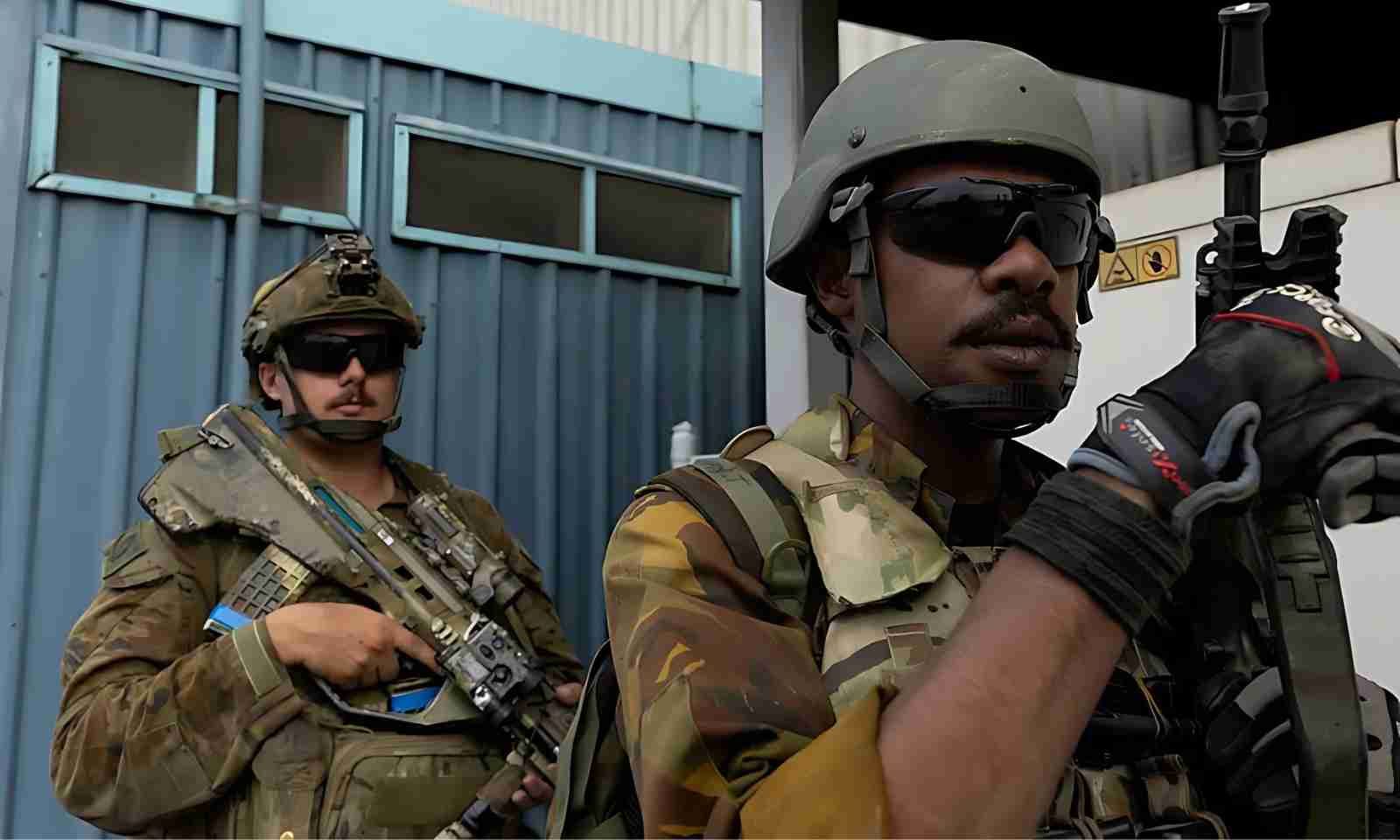
Australian and Pacific security forces during joint training in the Solomon Islands. Regional leaders say partnerships are necessary, but warn they must not replace strong local institutions. Photo/DFAT
Vanuatu government spokesperson Kiery Manassah told reporters the changes will help the country “maintain its sovereignty” while still allowing foreign advisers conditional access to key sites.
Earlier in August, Vanuatu and Australia initialled a landmark Nakamal Agreement, a decade-long cooperation pact that could bring an estimated A$500 million (NZ$581.94m) in development support.
At the launch on Mount Yasur, Australia’s Deputy Prime Minister Richard Marles described the agreement as “transformational”, and Vanuatu’s Napat called it a “win-win” deal.
Despite opportunities for expanded support, some Vanuatu leaders have stated that the island nation will not accept pressure from larger states and wants partnerships that genuinely reflect local priorities.
Internal Affairs Minister Andrew Napuat told international media that Vanuatu remains open to deals but will not tolerate “bullying” or arrangements that compromise its sovereignty.
In Fiji, Prime Minister Sitiveni Rabuka has rejected the idea of foreign military bases in the Pacific. He says regional security must be led by Pacific nations themselves.
Rabuka's comments at the National Press Club in Canberra in July reflected wider Fijian support for Pacific-led solutions to security challenges.
Fiji and Australia are also deepening their bilateral “Vuvale Partnership" to strengthen Fiji’s security capabilities while maintaining sovereign oversight.
According to an Australian government release, the partnership will support Fiji’s National Security Strategy, including embedding Australian Federal Police advisers and boosting border controls.
Australian officials, including Foreign Minister Penny Wong, have reaffirmed commitments to support Melanesian partners on security and development.
Wong also stressed the importance of good governance and national capacity in the region.
Beyond government leaders, military and academic voices in Fiji have also highlighted the need for careful balancing of external support with sovereign decision-making.
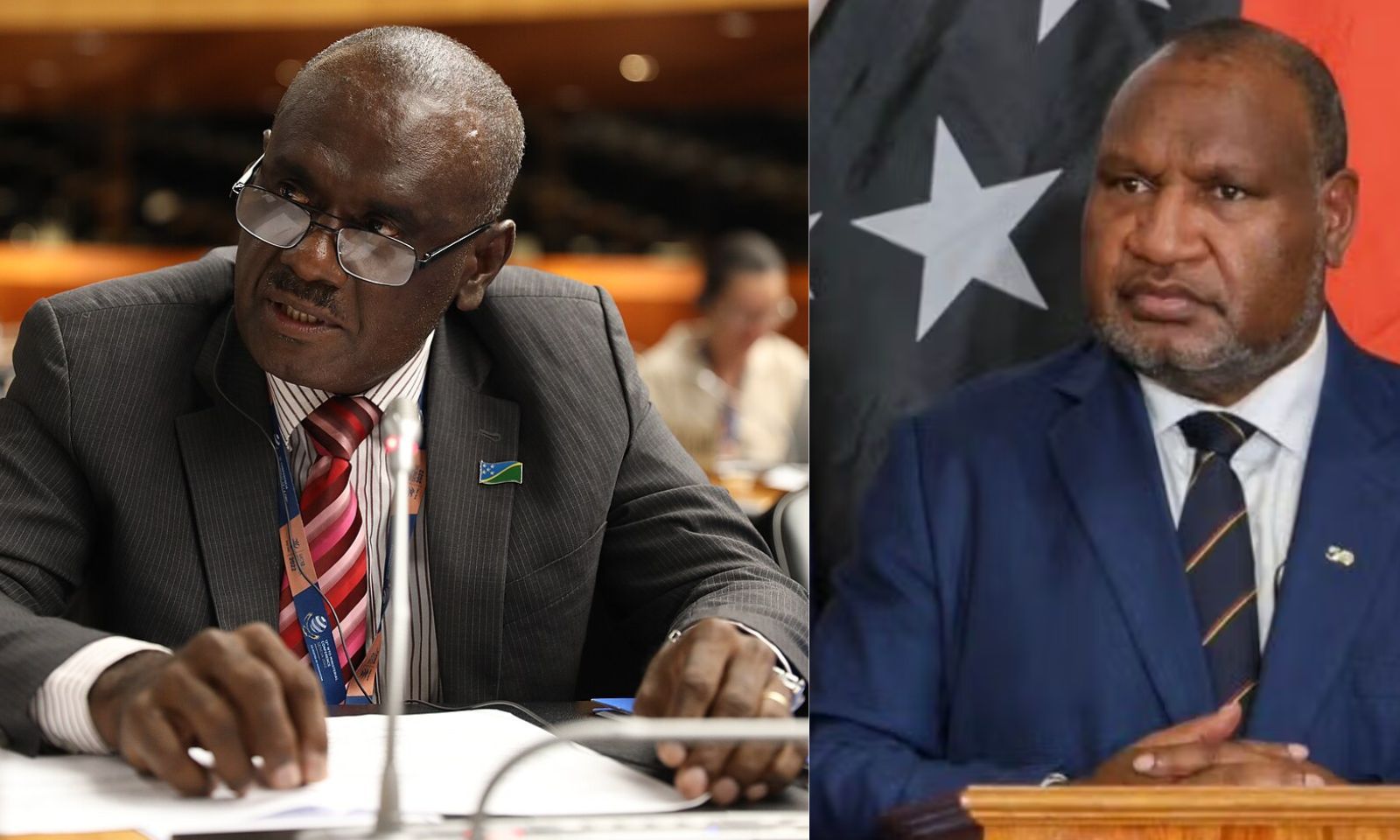
Solomon Islands Prime Minister Jeremiah Manele, left, and Papua New Guinea PM James Marape have been urged to strengthen governance and reduce reliance on foreign powers amid rising global interest in the Pacific region. Photo/WTO/PNG govt
Fiji military commander Major-General Jone Kalouniwai has stated that partnerships are needed to address rising security challenges, but must be shaped so they do not compromise national independence.
Former New Zealand Prime Minister and United Nations official Helen Clark says the US’ military action in Venezuela, including the capture of President Maduro, was illegal under the UN Charter and not justified as self-defence.
Clark told RNZ there was no convincing security reason for the strike and warned that such interventions can create instability, even if some Venezuelans initially welcomed Maduro’s removal.
The Front Line Pacific blog criticised what it called a culture of aid dependency across parts of Melanesia, including PNG, Solomon Islands, Vanuatu, and Fiji.
It says foreign aid and strategic partnerships often replace accountability and reform.
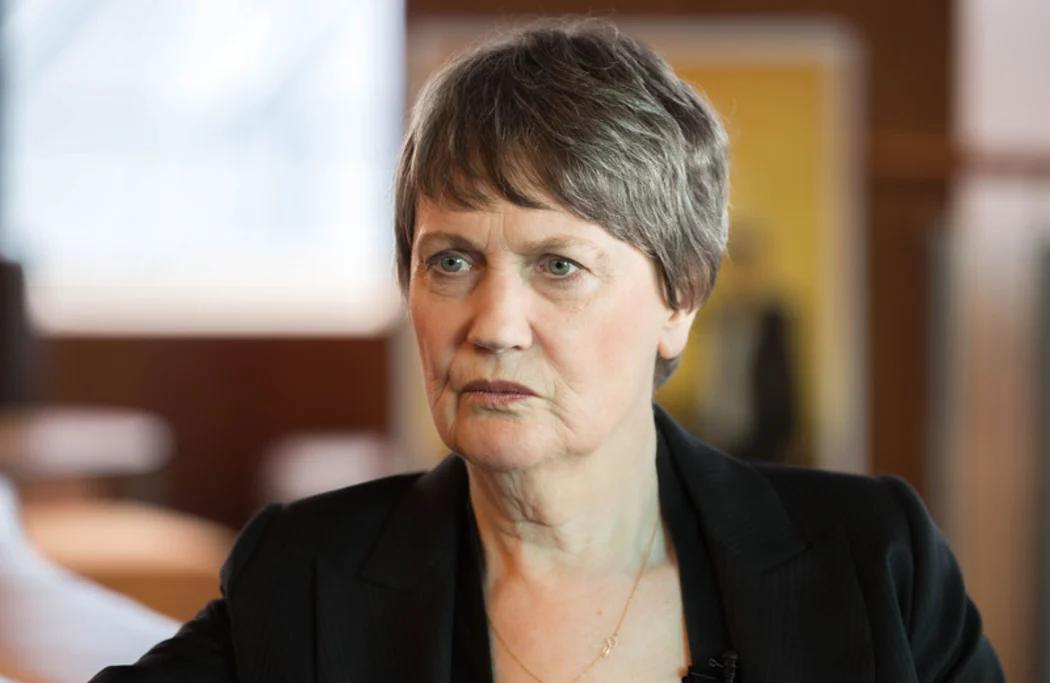
Helen Clark says the US military action in Venezuela was illegal under international law and risks creating further instability. Photo/RNZ/Cole Eastham-Farrelly
The blog also warned against mistaking foreign interest for friendship. It argues that engagement from major powers is guided by security and influence, not concern for Pacific development.
The blog says national collapse is usually the result of years of leadership failure and denial.
“Melanesia still has a choice,” it says. “But real independence requires strong institutions, capable leadership, and responsibility at home.”